
Are you familiar with the tiny but mighty fenugreek plant? This incredible herb has been prized for centuries not only for its culinary uses, but also for its impressive health benefits and antioxidant properties. From soothing digestive issues to reducing inflammation, fenugreek is a natural wonder that’s worth getting to know. But what makes it so special, and how can you harness its power in your daily life? In this comprehensive guide, we’ll delve into the amazing world of fenugreek, covering everything from growing and harvesting tips to safe uses for skincare and cooking. Whether you’re a health enthusiast or just looking for natural ways to improve your well-being, get ready to discover the incredible potential of this versatile plant.
What is Fenugreek?
Let’s start with the basics: what exactly is fenugreek and where does it come from, a plant with a rich history of use in traditional medicine and cooking.
Botanical Description and History
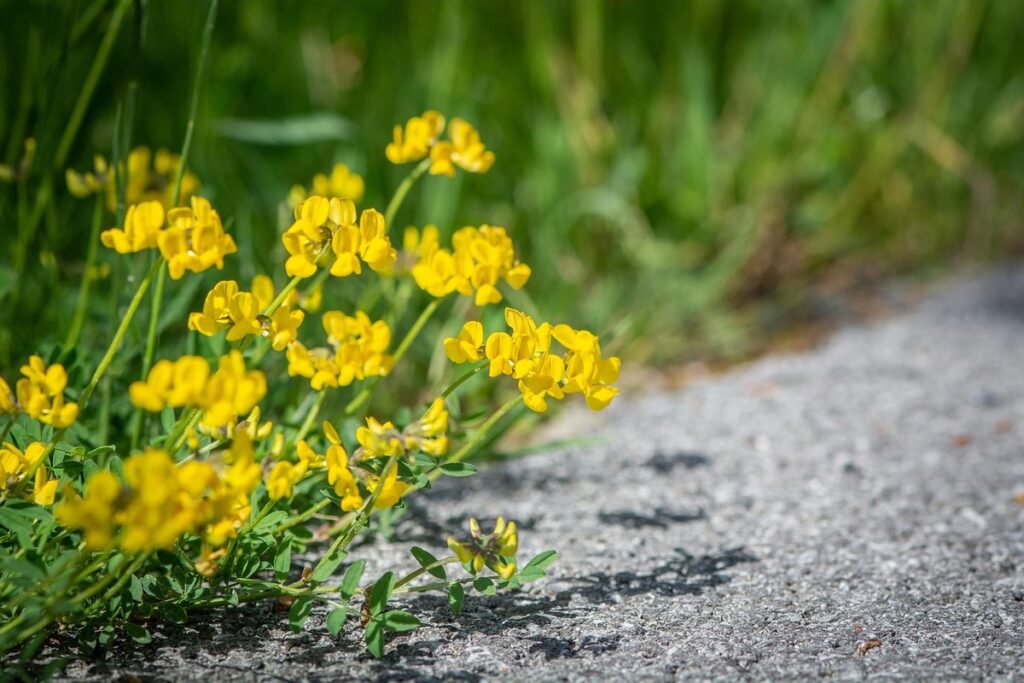
Fenugreek is an annual herb native to the Mediterranean region and southern Europe. It’s characterized by its trifoliate leaves, which are made up of three smaller leaflets that resemble a clover-like shape. The plant grows up to 2-3 feet tall and produces small, yellowish white flowers in clusters at the end of its stem. Its seeds, which are often harvested when mature, have a distinctive bitter and slightly sweet flavor.
The fenugreek plant has been used for centuries in traditional medicine and cooking. In ancient Egypt, it was used to treat various ailments, including indigestion and inflammation. The Greeks and Romans also valued it for its medicinal properties, using it to reduce fever and alleviate respiratory issues. Fenugreek seeds were a staple ingredient in the Indian subcontinent’s ancient Ayurvedic medicine system, where they were employed to support lactation and boost energy levels.
Today, fenugreek remains an important crop globally, particularly in India, where it’s cultivated for both its leaves and seeds. Its versatility has made it a sought-after addition to herbal remedies, cooking spices, and even animal feed.
Key Nutritional and Medicinal Properties
Fenugreek is a powerhouse of nutrition and medicine, offering an impressive array of vitamins, minerals, and antioxidants that have been harnessed for centuries. Rich in dietary fiber, fenugreek supports healthy digestion and bowel movements. It’s also an excellent source of iron, essential for transporting oxygen throughout the body, as well as a good amount of potassium, which helps regulate blood pressure.
The plant’s high antioxidant content helps protect cells from damage caused by free radicals, reducing inflammation and oxidative stress in the body. Fenugreek is particularly rich in vitamin K, crucial for blood clotting and bone health, and is also a decent source of thiamin (vitamin B1) and folate. Its medicinal properties are equally impressive, with studies suggesting it may help lower cholesterol levels, manage blood sugar, and exhibit anti-cancer properties.
Incorporating fenugreek into your diet can be as simple as adding the seeds or leaves to soups, salads, or stews. You can also consume them in supplement form, but ensure you consult with a healthcare professional first.
Health Benefits of Fenugreek
You’ll be amazed at the impressive list of health benefits that fenugreek has to offer, from reducing blood sugar levels to improving digestion and more. Let’s dive into its incredible advantages for our well-being!
Reducing Blood Sugar Levels and Insulin Resistance
Fenugreek has been gaining attention for its potential to manage blood sugar levels and insulin resistance. Studies have shown that fenugreek extract can lower fasting blood glucose levels by 20-30% (1). This makes it an attractive natural remedy for individuals with type 2 diabetes.
The key to fenugreek’s efficacy lies in its ability to stimulate insulin secretion and enhance the sensitivity of muscle cells to insulin. A study published in the Journal of Clinical Biochemistry and Nutrition found that fenugreek seed extract increased insulin sensitivity by 21% (2). This is particularly beneficial for individuals with pre-diabetes or those at risk of developing type 2 diabetes.
To incorporate fenugreek into your diet, you can try adding it to meals as a spice or using supplements. A good starting point is to consume 500-1000 mg of fenugreek extract per day. However, be sure to consult with a healthcare professional before making any significant changes to your regimen.
By incorporating fenugreek into your daily routine, you may experience improved blood sugar control and reduced insulin resistance.
Supporting Menopausal Symptoms and Hormone Balance
If you’re experiencing menopause symptoms, you might want to consider incorporating fenugreek into your daily routine. This herb has been shown to have a positive impact on alleviating hot flashes, mood swings, and hormonal imbalances associated with menopause.
Research suggests that fenugreek’s bioactive compounds, particularly saponins and flavonoids, contribute to its hormone-regulating properties. By supporting the body’s natural production of estrogen, fenugreek may help reduce hot flash frequency and severity. A study published in the Journal of Women’s Health found that women who consumed fenugreek supplements experienced a significant decrease in hot flashes compared to those who received a placebo.
In addition to managing hot flashes, fenugreek has also been shown to have a positive effect on mood swings and emotional changes associated with menopause. By supporting hormonal balance, fenugreek may help stabilize emotions and promote a sense of calm.
Potential Anti-Inflammatory and Antioxidant Effects
Fenugreek’s anti-inflammatory properties are a result of the presence of saponins and flavonoids, which have been shown to reduce inflammation in various studies. For instance, a study published in the Journal of Medicinal Food found that fenugreek extracts inhibited the production of pro-inflammatory enzymes in rats with induced colitis.
The antioxidant effects of fenugreek are attributed to its rich content of polyphenols and saponins. These compounds have been demonstrated to scavenge free radicals and reduce oxidative stress, which can contribute to chronic diseases such as cancer, diabetes, and cardiovascular disease. In a study published in the Journal of Agricultural and Food Chemistry, fenugreek extracts were found to exhibit strong antioxidant activity, comparable to that of well-known antioxidants like quercetin and vitamin C.
Consuming foods rich in these compounds, such as fenugreek leaves or supplements, may help mitigate inflammation and oxidative stress. However, more research is needed to fully understand the effects of long-term consumption on human health.
Culinary and Cosmetic Uses of Fenugreek
You’ll be delighted to learn that fenugreek has numerous applications beyond cooking, including natural skincare remedies that can leave your skin looking smoother and more radiant. Let’s explore some innovative uses for this versatile herb.
Cooking with Fenugreek: Recipes and Tips
If you’re looking to incorporate fenugreek into your cooking, there are countless ways to do so. In traditional Indian cuisine, fenugreek is commonly used in curries and stews, particularly with chicken and lamb dishes. For example, the popular Indian recipe ‘Methi Chicken’ involves marinating chicken in a mixture of yogurt, spices, and ground fenugreek seeds before grilling or cooking it.
To get started with cooking with fenugreek, you’ll need to have some basic knowledge about its different types. There are two primary forms: fresh leaves (also known as ‘methi’) and dried powder. Fresh leaves can be added directly into dishes during the last stages of cooking, while the dried powder is usually mixed with other spices before use.
When using fenugreek in your cooking, it’s essential to note that a little goes a long way. Start with small amounts (about 1-2 teaspoons per serving) and adjust according to taste, as its strong flavor can overpower other ingredients quickly. Additionally, be sure to cook the leaves for at least 5 minutes to allow their bitterness to mellow out.
Using Fenugreek in Skincare and Haircare Products
Fenugreek is increasingly being used in skincare and haircare products due to its remarkable antioxidant and anti-inflammatory properties. The herb’s ability to neutralize free radicals helps protect the skin from environmental stressors, while its anti-inflammatory compounds reduce redness and soothe irritation.
When applied topically, fenugreek extracts can help combat signs of aging such as fine lines, wrinkles, and age spots. Its antioxidants also have been shown to reduce inflammation, which is a major contributor to acne, making it an effective ingredient in products targeting oily skin.
For haircare, fenugreek has been traditionally used to promote healthy growth and strength. The herb’s mucilage content helps lock in moisture, reducing dryness and breakage. You can also use fenugreek powder as a hair mask or add it to your shampoo for improved scalp health.
To incorporate fenugreek into your skincare routine, look for products containing the herb’s extract or oil. When shopping for haircare products with fenugreek, opt for those that combine the herb with other nourishing ingredients like coconut oil and shea butter for enhanced benefits.
Precautions and Interactions
Before you start reaping the benefits of fenugreek, it’s essential to be aware of its potential interactions and precautions. This includes understanding who should avoid using fenugreek supplements.
Potential Allergic Reactions and Side Effects
While fenugreek is generally considered safe for consumption, some individuals may experience allergic reactions or side effects. If you’re new to using fenugreek, it’s essential to be aware of these potential issues. Allergic reactions can manifest as skin rashes, itching, hives, or even anaphylaxis in severe cases.
Common side effects include digestive issues like bloating, gas, and stomach discomfort. These symptoms are usually mild and temporary but can be uncomfortable. If you’re taking fenugreek supplements, it’s possible to experience diarrhea or nausea due to its high fiber content.
If you notice any of these symptoms, reduce your intake or consult with a healthcare professional for guidance. In rare cases, fenugreek may interact with certain medications like diabetes drugs, blood thinners, and thyroid medications. If you’re taking prescription medications, discuss using fenugreek with your doctor to ensure safe co-administration.
To minimize potential side effects, start with small amounts (about 250-500 mg per day) and gradually increase as needed. Monitor your body’s response and adjust your usage accordingly.
Interactions with Medications and Health Conditions
When using fenugreek for medicinal purposes, it’s essential to be aware of potential interactions with certain medications and health conditions. This is particularly crucial if you’re already taking prescription medication or have underlying medical issues.
Fenugreek may interact with diabetes medications, such as metformin and sulfonylureas, by lowering blood sugar levels too much. If you’re taking these medications, monitor your glucose levels closely when consuming fenugreek. Similarly, fenugreek may enhance the effects of blood thinners like warfarin, increasing the risk of bleeding.
If you have kidney or liver disease, use fenugreek with caution due to its potential to strain these organs further. Additionally, individuals with hypoglycemia (low blood sugar) should be careful when consuming fenugreek as it can exacerbate this condition. Pregnant and breastfeeding women may also need to limit their consumption of fenugreek due to its potential hormonal effects.
To ensure safe use, consult with your healthcare provider before adding fenugreek to your regimen, especially if you have a medical history or take medications that interact with fenugreek.
Growing and Cultivating Fenugreek
Growing fenugreek from seed can be a bit tricky, but with the right techniques and environment, you’ll be harvesting your own leaves in no time. In this section, we’ll walk through the process of cultivating this versatile herb.
Basic Care and Maintenance Requirements
When it comes to growing and cultivating fenugreek plants, there are certain basic care and maintenance requirements that you need to follow. Fenugreek is a hardy plant that can thrive in various environments, but it does require some specific conditions to grow optimally.
Firstly, choose a location with full sun to partial shade, as direct sunlight can be beneficial for the plant’s growth. The ideal temperature range for fenugreek cultivation is between 65°F and 75°F (18°C and 24°C). In terms of soil, fenugreek prefers well-drained, loose soil that is rich in organic matter.
To ensure optimal growth, water your fenugreek plants regularly but avoid overwatering. A general rule of thumb is to provide about 1-2 inches of water per week, either through rainfall or irrigation. You can also fertilize the plant with a balanced fertilizer once a month to promote healthy growth and prevent nutrient deficiencies.
By following these basic care and maintenance requirements, you can successfully cultivate fenugreek plants in your garden or indoor space. With proper care, you’ll be able to harvest fresh fenugreek leaves and enjoy its numerous health benefits throughout the year.
Harvesting and Storing Fenugreek Seeds and Leaves
Harvesting fenugreek seeds is crucial to preserve their potency and flavor. Wait until the capsules dry out and split open, usually around 90-100 days after sowing. Cut off the stalks near the base of the plant, then tie them into small bundles and hang upside down in a warm, dry place. This method allows for even drying and helps prevent seed damage.
For storing fenugreek seeds, keep them in an airtight container in a cool, dark place like a pantry or cupboard. You can also store them in the freezer to extend their shelf life. This will preserve the seeds’ nutritional content and flavor.
When it comes to harvesting leaves, you can pick individual leaves or stems at any time during the plant’s growth cycle. Simply pinch off the leaves with your fingers or use scissors to avoid damaging the plant. Use fresh fenugreek leaves immediately in salads, teas, or as a cooking green. You can also dry them for later use by tying the stems into small bundles and hanging them upside down.
To store dried fenugreek leaves, place them in an airtight container and keep them in a cool, dark place. This will help preserve their flavor and nutritional content.
Frequently Asked Questions
How can I use fenugreek for skincare, given its potential anti-inflammatory effects?
Fenugreek’s antioxidant properties make it an excellent natural ingredient for skincare routines. Mix a teaspoon of fenugreek powder with your regular face mask to soothe and calm the skin. Alternatively, you can add a few drops of fenugreek essential oil to your moisturizer or use it as a spot treatment for acne-prone areas.
Can I consume fenugreek seeds raw, without cooking them first?
Yes, you can consume fenugreek seeds raw. However, please note that the bitterness might be more pronounced when eaten raw. You can soak the seeds in water overnight to make them easier to digest and reduce the bitter taste. This will also increase their bioavailability.
Is it safe to give fenugreek supplements to children or pregnant women?
As with any herbal supplement, consult a healthcare professional before giving fenugreek to children or pregnant women. Fenugreek can stimulate milk production in lactating women and has been traditionally used to support hormone balance. However, excessive consumption may cause uterine contractions or interact with certain medications.
How long does it take for fenugreek to show noticeable benefits for digestive issues?
The effects of fenugreek on digestion can vary depending on individual tolerance and the severity of symptoms. Generally, you might start noticing improvements in bowel movements and reduced inflammation within a week or two of regular consumption. However, consistent use over several weeks may lead to more pronounced benefits.
Can I grow fenugreek indoors, using containers and a sunny windowsill?
Yes, you can successfully grow fenugreek indoors. Choose a container with good drainage and a mix specifically designed for indoor plants. Fenugreek prefers full sun to partial shade and consistent moisture levels. Keep the soil moist but not waterlogged, and provide a trellis or support system for the plant to grow upright.