
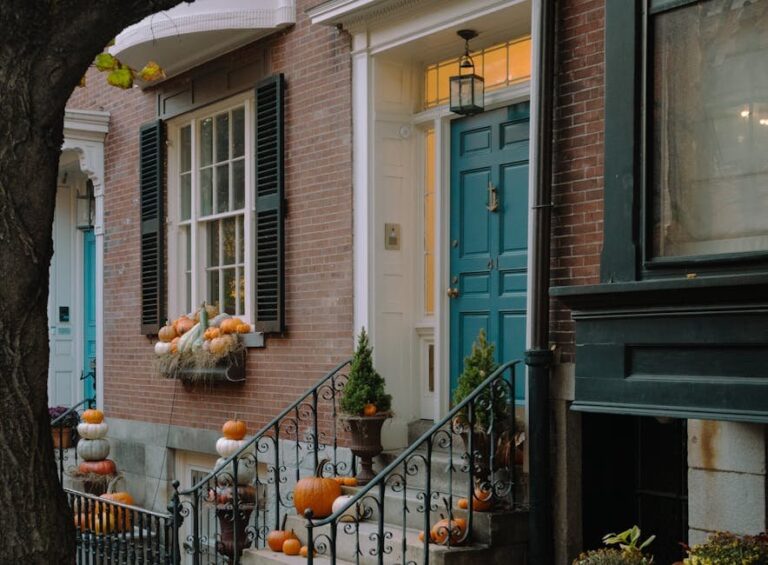
As the leaves start to change colors and the air grows crisper, our homes begin to feel like they’re missing that extra autumnal touch. One way to instantly add some fall flair is with beautiful planters featuring pumpkins as the star attraction. But creating stunning fall planters isn’t just about slapping some gourds into a pot – it’s an art form that requires thought, creativity, and a little bit of know-how. In this article, we’ll explore design ideas for fall planters, share expert care tips to keep your pumpkins looking their best, and reveal the latest seasonal decorating trends to make your outdoor space shine. Whether you’re a seasoned gardener or just starting out, get ready to learn how to create show-stopping fall planters that will be the envy of the neighborhood!
Choosing the Perfect Pumpkin
When it comes to selecting the perfect pumpkin for your fall planter, there are several factors to consider, including size, shape, and color. Let’s break down what makes a great addition to your seasonal decor.
Types of Pumpkins for Planters
When it comes to choosing pumpkins for your fall planters, you have a variety of options to consider. One popular type is the sugar pumpkin, which is known for its sweet, nutty flavor and dense flesh. These pumpkins are perfect for cooking and baking, but they can also add a decorative touch to your planters.
If you’re looking for a more traditional pumpkin look, jack-o’-lantern pumpkins are a great choice. They have the classic round shape and symmetrical ridges that make them perfect for carving. However, keep in mind that their larger size may require more support in your planter.
For a smaller-scale decoration, consider using miniature pumpkins. These tiny gourds come in a variety of shapes, sizes, and colors, making them a great addition to any fall planter. You can use them individually or group them together for a beautiful display.
Considerations for Selecting a Pumpkin
When it comes to selecting the perfect pumpkin for your fall planter, there are several key factors to consider. First and foremost, think about size. A small to medium-sized pumpkin is usually ideal for most planters, as they won’t overpower the other decorative elements. However, if you’re going for a more dramatic look, a larger pumpkin can make a statement.
Next, consider the shape of your pumpkin. Round, symmetrical pumpkins are great for adding a touch of classic elegance to your planter, while irregularly-shaped ones can add visual interest and whimsy. Think about the overall aesthetic you want to achieve: do you prefer a cohesive, uniform look or something more playful?
Color is also an important consideration. Traditional orange pumpkins are always a popular choice, but you may also want to consider white, cream-colored, or even blue ones for a unique twist. Finally, don’t forget about the stem – make sure it’s sturdy and securely attached to prevent your pumpkin from toppling over in the wind.
When inspecting your potential pumpkin, look for signs of healthy growth, such as no soft spots, mold, or mildew. A hard, smooth skin is a good indication that your pumpkin will last all season long. By choosing a high-quality pumpkin that fits your planter and style, you’ll be well on your way to creating a stunning fall display.
How to Clean and Prepare Your Pumpkin
Before you can display your chosen pumpkin in a planter, it needs some TLC. Start by gently washing your pumpkin with soap and water to remove any dirt or debris that may be stuck to its surface. Be sure to scrub away any stubborn stains or marks, but avoid using any harsh chemicals that could damage the skin.
Next, use a soft brush or cloth to remove excess soil from the stem area. This is an essential step in preventing mold and mildew from growing on your pumpkin. Trim the stem to about 1-2 inches long to help prevent moisture from accumulating.
To dry your pumpkin thoroughly, lay it flat on a paper towel-lined surface for a few days. You can also speed up the process by placing it near a fan or using a hair dryer on a low setting. This will help prevent any bacteria or mold from growing on your pumpkin, ensuring it stays fresh and healthy-looking throughout the fall season.
By following these simple steps, you’ll be able to showcase your beautifully prepared pumpkin in its new planter.
Creating Fall Planters with Pumpkins
Let’s get creative and bring some autumn charm to your outdoor space by turning pumpkins into beautiful planter vessels, perfect for adding a seasonal touch.
Design Ideas for Pumpkin Planters
When it comes to designing fall planters featuring pumpkins as the centerpiece, there are countless possibilities for creativity and personal expression. To create a visually stunning planter, remember to mix textures, colors, and heights to add depth and interest.
Combine pumpkins with other seasonal elements like dried leaves, twigs, or gourds to create a cohesive look that captures the essence of fall. For example, pair a large, smooth pumpkin with a vase filled with curly willow branches and red maple leaves for a warm, inviting atmosphere. Alternatively, add some rustic charm by mixing a vintage metal lantern with small, ornamental pumpkins and dried corn husks.
Remember to balance your design by incorporating a variety of textures, such as the rough skin of a pumpkin, the softness of moss or ferns, and the smoothness of ceramic pots or vases. Experiment with different heights by layering planters or using risers to create visual interest. This will not only add dimension but also draw the eye to your planter’s focal point: the beautiful pumpkins at its center.
Tips for Choosing Companion Plants
When selecting companion plants to pair with pumpkins in your fall planter, consider their foliage color, texture, and growth habits. For example, the vibrant orange and yellow hues of sunflowers and marigolds create a stunning contrast with the warm tones of pumpkins. Alternatively, the delicate, lacy foliage of ferns or dusty miller adds an intriguing texture to the arrangement.
When choosing plants that thrive in similar conditions to pumpkins, look for those that prefer well-drained soil and full sun. Some excellent options include:
• Sedum: This succulent’s thick, fleshy leaves store water, making it drought-tolerant like pumpkins.
• Ornamental kale or cabbage: Their curly, crinkled leaves add a pop of color and texture, while also requiring similar growing conditions to pumpkins.
By selecting companion plants that complement the beauty and requirements of pumpkins, you can create a visually appealing and low-maintenance fall planter.
DIY vs. Store-Bought Planters: What’s Best for You?
When it comes to creating fall planters with pumpkins, one of the most important decisions is whether to go DIY or store-bought. Both options have their advantages and disadvantages, which we’ll weigh out to help you decide what’s best for you.
Making your own planters can be a fun and cost-effective way to create unique and personalized decorations. You can use materials like terra cotta pots, wooden crates, or recycled containers to give your pumpkins a one-of-a-kind home. For example, you could upcycle an old wooden pallet into a charming planter box or transform a vintage tea cup into a whimsical pumpkin holder. The possibilities are endless! Plus, when you make your own planters, you can choose materials that fit your specific style and decor.
However, creating your own planters can also be time-consuming and labor-intensive. You’ll need to gather materials, plan out your design, and get creative with the building process. Additionally, if you’re not experienced in crafting or DIY projects, you may end up with a planter that doesn’t turn out as planned.
On the other hand, store-bought planters offer convenience and consistency. You can find pre-made planters in various shapes, sizes, and materials at most home decor stores. They’re often made from durable materials and come with easy-to-follow assembly instructions. However, store-bought planters can be more expensive than making your own, especially if you want high-quality or unique pieces.
Ultimately, the decision between DIY and store-bought planters comes down to your personal preferences and needs. If you have some creativity and time on your hands, making your own planters can be a fun and rewarding experience. But if you’re short on time or prefer a more hassle-free approach, store-bought planters are a great option.
It’s worth noting that there are many pre-made planters available in the market that mimic the look of handmade ones, but at a lower price point. For example, you can find terra cotta pots with intricate designs or wooden planters with a rustic charm. These options can give you the best of both worlds – the convenience of store-bought and the unique look of handmade planters.
If you do decide to go the DIY route, here are some tips to keep in mind:
* Choose materials that fit your style and decor
* Plan out your design before starting the project
* Don’t be afraid to experiment and try new things
* Consider repurposing or upcycling old materials to reduce waste
* Have fun with it!
Caring for Your Fall Planter with Pumpkins
Now that your fall planter is filled with vibrant pumpkins, let’s talk about how to keep it looking its best throughout the season with some simple care tips. Regular maintenance will ensure it remains a stunning focal point on your porch or patio.
Watering Tips for Fall Planters
As we dive into the world of fall planters with pumpkins, it’s essential to discuss one crucial aspect: watering. Pumpkins need consistent moisture, especially during their rapid growth phase. However, overwatering can be just as detrimental as underwatering.
A good rule of thumb is to water your pumpkin planter when the top 1-2 inches of soil feel dry to the touch. This can be a few times a week, depending on weather conditions and soil type. If you’re unsure, check for signs such as:
• Leaves that are wilted or droopy
• A lack of new growth or an overall sluggish appearance
• Soft, mushy skin on the pumpkin itself
On the other hand, overwatering can lead to:
• Root rot and decay
• Fungal diseases that affect the plant’s overall health
• Soggy, waterlogged soil that prevents roots from absorbing essential nutrients
To avoid these issues, make sure your planter has good drainage holes and consider using a well-draining potting mix. Additionally, adjust your watering schedule based on weather forecasts – if it’s going to be hot and dry, you may need to water more frequently.
By keeping an eye on moisture levels and adjusting as needed, you’ll be able to provide your fall planter with the right amount of hydration for a healthy, thriving pumpkin.
Monitoring Temperature and Sunlight Requirements
When it comes to caring for your fall planter with pumpkins, monitoring temperature and sunlight requirements is crucial. Pumpkins thrive in warm temperatures between 65°F to 95°F (18°C to 35°C), while optimal sunlight exposure is at least six hours a day. Be mindful of extreme weather conditions like intense heatwaves or prolonged periods of direct sunlight, which can cause the pumpkin’s skin to become scorched.
Frost can be detrimental to pumpkin health, causing damage and potentially killing the plant. If you live in an area with frost, it’s essential to protect your planter from these cold snaps. You can achieve this by bringing your planter under cover or using row covers to insulate the plants.
To ensure your pumpkins receive the right amount of sunlight, consider placing them in a spot that receives dappled shade during the hottest part of the day. This will prevent scorching and allow the pumpkin to ripen evenly. Keep an eye on temperature fluctuations and adjust your planter’s location accordingly to provide optimal conditions for your fall flowers and pumpkins.
Common Pests and Diseases to Watch Out For
As you enjoy your beautiful fall planter with pumpkins, it’s essential to keep an eye out for common pests and diseases that can affect your display. Aphids, spider mites, and whiteflies are often found on plants like mums, asters, and ornamental kale, which are commonly used in fall planters. These tiny insects feed on plant sap, causing curled or distorted leaves and stunted growth.
Powdery mildew is another common issue that can affect your fall planter with pumpkins. This fungal disease appears as a white powdery coating on leaves, often accompanied by yellowing or browning of the foliage. To prevent these problems, make sure to water your plants thoroughly before applying mulch or fertilizer, and avoid overhead watering, which can splash water onto leaves and create an ideal environment for fungal growth.
If you do notice any signs of pests or diseases, act quickly! Use neem oil or insecticidal soap to control aphids, spider mites, and other soft-bodied insects. For powdery mildew, treat with a fungicide specifically labeled for use on ornamentals.
Displaying Your Fall Planter with Pumpkin
Now that you’ve chosen your pumpkin and planter, let’s talk about how to beautifully display them on your porch or patio for a stunning fall look. We’ll share some stylish ideas to make your vignette truly special.
Where to Place Your Planter for Maximum Impact
When it comes to placing your fall planter with pumpkin, you’ll want to choose a spot that showcases its beauty and creates a cohesive look with other seasonal decor elements. Consider the foot traffic flow through your home – place your planter near a high-traffic area like an entryway or living room where it will be easily seen by guests.
Natural light is also essential for showcasing the vibrant colors of fall flowers and foliage. Position your planter near a window that receives plenty of sunlight, but not so close that the sun’s rays cause fading or discoloration. Balance out your display with other seasonal decor elements like candles, vases, and wreaths in warm autumnal hues.
Create visual interest by placing your planter on a decorative tray or mat to add texture and depth to the space. You can also group multiple planters together to create a stunning fall vignette that draws the eye. By considering foot traffic, natural light, and visual balance, you’ll be able to create a beautiful and inviting display that celebrates the beauty of fall.
Creating a Focal Point with Pumpkins
When it comes to adding some personality to your fall planter display with pumpkins, creating a focal point is key. A well-placed pumpkin can draw the eye and create visual interest, making your entire arrangement stand out. One simple way to achieve this is by placing a large or unique pumpkin at the entrance of your home or on your porch.
This sets the tone for a welcoming and inviting atmosphere, perfect for the fall season. Consider pairing it with some natural elements like branches, leaves, or pinecones to add depth and texture. Alternatively, you can create a focal point by grouping several smaller pumpkins together in a decorative arrangement near a seating area.
Not only do these displays add visual appeal, but they also make great conversation starters. Think about it: when guests arrive, they’ll likely notice the beautiful pumpkin arrangement and want to know more about how you put it all together. This can lead to some wonderful conversations and connections with your loved ones.
Seasonal Decorating Trends Featuring Fall Planters with Pumpkins
As you start planning your fall decor, let’s dive into some of the hottest seasonal decorating trends that feature stunning fall planters with pumpkins. We’ll explore how to incorporate these looks into your home.
Current Trends in Fall Decor
This fall season, home decor trends are leaning towards cozy, inviting spaces that bring the outdoors in. One of the most popular ways to achieve this look is through the use of fall planters with pumpkins. When it comes to color schemes, we’re seeing a shift away from bright and bold hues towards more muted tones like warm neutrals, rich berry shades, and deep greens.
Incorporating natural textures such as burlap, twine, and woven baskets is also a key element of current trends. These earthy accents add depth and visual interest to fall planters with pumpkins, making them feel more organic and rustic. Consider pairing a distressed wooden planter with a plush throw blanket in a complementary color.
In terms of layouts, we’re seeing more emphasis on creating vignettes that bring together multiple elements like pumpkins, plants, and decorative accents. To recreate this look at home, start by selecting a statement piece – such as a large pumpkin or a show-stopping fall planter – and then build your arrangement around it.
How to Make Your Planter Stand Out from the Crowd
To make your pumpkin planter truly stand out from the crowd, it’s all about adding that personal touch. After all, fall decor is a time to reflect on the season’s cozy warmth and inviting atmosphere. Let’s explore some creative ways to elevate your pumpkin planter game.
Consider combining your pumpkin with other fall favorites like sunflowers, dahlias, or sedum for a vibrant display of colors. This mix-and-match approach will not only create visual interest but also add depth to your arrangement. You can choose plants that complement the shape and size of your pumpkin, making it look more substantial and inviting.
Another way to give your planter some personality is by incorporating decorative items like ribbons or picks in autumnal hues like orange, yellow, or burgundy. Twine, lace, or even burlap can add a charming, homespun feel to your arrangement. Remember, the key is to keep it simple and balanced – you want to create a cohesive look that ties everything together.
Lastly, think outside the box (or planter!) when repurposing materials for your fall decor. Old mason jars, pinecones, or even dried corn husks can be transformed into unique accents that add texture and visual interest to your pumpkin planter. So don’t be afraid to get creative and make it your own – after all, that’s what makes seasonal decorating so much fun!
Conclusion: Bringing Your Fall Planter with Pumpkin to Life
Now that you’ve got a beautiful fall planter with pumpkin, let’s bring it all together and add some final touches to make it truly special.
Recap of Key Takeaways
As we wrap up our seasonal decorating guide, let’s recap the key takeaways to help you bring your fall planter with pumpkin to life. You’ve learned that incorporating pumpkins into your outdoor decor not only adds a pop of color but also creates a warm and inviting atmosphere perfect for the fall season.
From design ideas, such as combining different textures like burlap, leaves, and pinecones, to care tips, like choosing the right type of pumpkin and keeping it hydrated, we’ve covered it all. Display strategies like layering plants, adding candles, and incorporating seasonal flowers also helped you envision your dream fall planter.
Remember, pumpkins are more than just a decoration – they’re also a great way to add some natural beauty to your space. By following our guide, you’ll be able to create a stunning fall planter that will attract attention from your neighbors and friends alike. Don’t forget to get creative with your design and have fun experimenting with different combinations of elements.
To recap, here are the key points to keep in mind:
* Choose a variety of textures to add depth to your design
* Select a healthy pumpkin that’s suitable for outdoor display
* Layer plants and flowers to create visual interest
* Use candles and other lighting elements to set the mood
Encouragement for Experimenting and Having Fun
As you wrap up your fall planter featuring pumpkins, remember that it’s okay to make mistakes and try new things. Experimenting with different combinations of plants, pumpkins, and decorative elements is all part of the fun! Don’t be afraid to step out of your comfort zone and get creative with your seasonal decorating projects.
Take inspiration from nature by combining orange and yellow hues in your planter arrangement. You can pair a miniature pumpkin with some bright sunflowers or a spray of goldenrod for a beautiful pop of color. For a more rustic look, add some dried corn husks or wheat stalks to your planter. The possibilities are endless!
Remember, the goal is to have fun and express your personal style through your fall decorating choices. So don’t worry if things get messy or you need to adjust your design mid-project. Take it as an opportunity to learn and grow, and enjoy the process of bringing your vision to life.
In fact, experimenting with new ideas can lead to some amazing discoveries! Try pairing a larger pumpkin with a smaller one for a unique scale combination, or use a variety of plants with different textures to add depth to your arrangement.
Frequently Asked Questions
Can I use artificial pumpkins instead of real ones for my fall planter?
Yes, you can definitely consider using artificial pumpkins as a more low-maintenance alternative to the real thing. Many artificial pumpkins are designed to mimic the look and feel of fresh gourds, making them a great option if you’re short on time or prefer a hassle-free decorating solution.
How do I prevent pests from damaging my pumpkin planters?
To keep your fall planter with pumpkins pest-free, make sure to inspect your plants regularly for signs of damage. Regular watering and fertilizing can also help promote healthy growth and deter pests. Consider using physical barriers or repellents if necessary to protect your plants.
Can I mix different types of gourds in one planter?
Absolutely! Mixing different types of pumpkins and gourds is a great way to add visual interest to your fall planter. Just be mindful of their mature sizes and growth habits, so they don’t overcrowd the container. Consider a variety of shapes, textures, and colors to create a visually stunning display.
How can I make my fall planter with pumpkin stand out from others in the neighborhood?
To make your fall planter truly special, focus on adding unique decorative elements that reflect your personal style. This might include using a statement piece like a vintage wheelbarrow or incorporating seasonal flowers and foliage into your design. Don’t be afraid to get creative and experiment with different looks until you find one that suits your taste.
Can I use fall planters with pumpkins for indoor decorating as well?
Yes, fall planters with pumpkins can easily transition from outdoor to indoor spaces with a little creativity. Simply choose planters with a sturdy base or add weights to prevent them from tipping over on indoor surfaces. You can also repurpose your fall planter as a centerpiece or side table decoration during the winter months by swapping out the pumpkin for a festive holiday-themed item.