
As we dive into the holiday season, many of us are thinking about how to deck the halls with festive flair. But this year, consider taking a more sustainable approach to your Christmas decor. That’s where fall and winter plants come in – perfect for eco-friendly holiday enthusiasts like yourself. Not only do these plants bring a touch of natural beauty to your home, but they’re also a great way to reduce waste and create a cozy atmosphere. In this article, we’ll explore the world of sustainable fall Christmas plants, including tips on how to care for them and incorporate them into your holiday decor. From potted evergreens to winter berries, we’ll cover it all – so you can enjoy a festive and eco-friendly holiday season that’s as beautiful as it is kind to the planet.
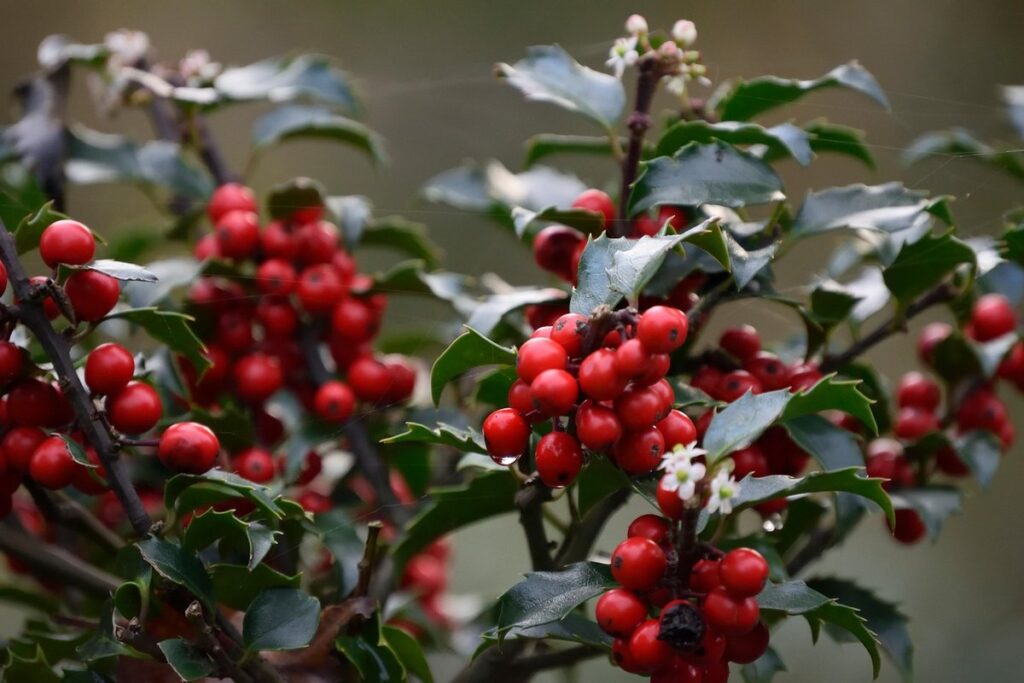
Understanding Fall Christmas Plant Trends
As you’re planning your fall holiday decor, it’s essential to stay on top of the latest trends and plant-based ideas that will add a touch of warmth and coziness to your home. We’ll break down what’s hot this season.
What Inspired the Rise of Fall Christmas Plants
The rise of fall Christmas plants can be attributed to a combination of factors, including popular culture, design trends, and shifting consumer preferences. In recent years, there’s been a growing interest in sustainable living and eco-friendly decor, which has contributed to the increased popularity of fall Christmas plants.
Social media platforms have also played a significant role in fueling this trend, with influencers and home decor enthusiasts sharing beautiful arrangements and unique plant combinations that are easy to replicate at home. Designers and stylists have taken note of this shift, incorporating fall elements like pumpkins, leaves, and branches into their designs, making the aesthetic more inviting and cozy.
As consumers become increasingly aware of the environmental impact of traditional Christmas decorations, they’re seeking out alternatives that are not only visually appealing but also sustainable. Fall Christmas plants offer a unique solution, providing a beautiful focal point for holiday decor without contributing to waste or pollution.
Benefits of Choosing Fall Christmas Plants Over Traditional Decorations
Choosing fall Christmas plants over traditional decorations offers numerous benefits that extend beyond aesthetics. For one, live plants have a significantly lower environmental impact compared to artificial decorations. Unlike plastic or metal ornaments, which contribute to waste and pollution, plants are biodegradable and can even help purify the air.
In addition to their eco-friendly credentials, fall Christmas plants also improve indoor air quality. Plants like poinsettias and amaryllis release oxygen and remove pollutants, such as carbon monoxide and benzene, from the air. This is especially beneficial during the winter months when indoor air can become stagnant.
From an aesthetic perspective, live plants add a unique and personalized touch to your holiday decor. You can choose species that match your home’s color scheme or style, creating a cohesive look that reflects your personality. Plus, with proper care, many fall Christmas plants can be reused for years to come, reducing waste and making them an even more sustainable option.
Types of Fall Christmas Plants: A Beginner’s Guide
When it comes to bringing festive cheer into your home, you have a multitude of fall Christmas plant options to choose from. Let’s explore some popular types together!
Selecting the Right Plant for Your Home or Office Space
When it comes to selecting the right plant for your home or office space, there are several factors to consider. Lighting conditions, climate, and desired level of maintenance should all play a role in your decision-making process.
First and foremost, consider the lighting conditions in the space where you plan to place the plant. If it’s going to be near a window with plenty of natural light, choose a species that thrives in bright conditions, such as amaryllis or cyclamen. On the other hand, if it will be placed in a room with low light, opt for plants like poinsettias or Christmas cactus that can tolerate less sunlight.
Additionally, think about the climate where you live and the temperature fluctuations your plant may experience during the winter months. For example, some plants are more sensitive to cold temperatures than others, so choose species like paperwhites or forced bulbs that can handle cooler conditions.
In terms of maintenance, consider how much time you’re willing to devote to watering, pruning, and fertilizing your plant. If you have a busy schedule, opt for low-maintenance plants like succulents or cacti that require infrequent watering.
Popular Fall and Winter Plants Suitable for Christmas Decorations
When it comes to choosing plants for Christmas decorations, there are many options that thrive during the fall and winter seasons. A popular choice is the Amaryllis, known for its stunning red and white blooms that can add a pop of color to any room. These bulbs are relatively easy to care for and can be planted in late summer or early fall to bloom by Christmas.
Another option is the Cyclamen, which produces delicate heart-shaped flowers in shades of pink, purple, and white. These plants prefer cooler temperatures and can thrive indoors with minimal maintenance. They’re also a great choice if you want to add some greenery to your decor, as their heart-shaped leaves are quite attractive.
Lastly, the Poinsettia is a classic Christmas plant that’s hard to resist. Its bright red bracts (modified leaves) are a festive touch and can be kept looking vibrant with proper care. Make sure to water it sparingly and keep it away from direct sunlight.
Plant Care 101: Tips for a Healthy and Flourishing Fall Christmas Plant
Caring for your fall Christmas plant requires attention to specific needs, such as watering, pruning, and temperature control, which we’ll walk you through below.
Watering and Humidity Needs of Common Winter Plants
When it comes to keeping your fall Christmas plants healthy and thriving throughout the winter months, proper watering and humidity levels are crucial. Many popular winter plants used in Christmas decorations have specific needs when it comes to water and humidity.
For example, amaryllis bulbs require well-draining soil and should be kept moist but not waterlogged. Allow the top 1-2 inches of soil to dry out between waterings. On the other hand, poinsettias prefer high humidity, typically above 50%, so consider placing them on a tray with pebbles and water to create a humid microclimate.
Christmas cacti are drought-tolerant but still need regular watering during the winter months. Water sparingly until the soil is dry to the touch, then resume normal watering schedules. When it comes to fertilization, most winter plants benefit from a balanced fertilizer applied at half strength to avoid burning the roots.
Some plants like cyclamen and begonias require slightly acidic soil with a pH between 5.5 and 6.5. These plants thrive in humid environments, but be cautious not to overwater as this can lead to root rot.
Pest Control and Common Problems Associated with Indoor Plants
As you bring life to your home with fall Christmas plants, be aware that they can attract unwanted pests and diseases. Common issues include spider mites, mealybugs, and scale insects, which feed on sap, causing damage and discoloration. These tiny creatures thrive in dry environments, making indoor plants during the fall and winter months an ideal breeding ground.
Check your plants regularly for fine webbing, yellowing leaves, or sticky substance on stems. To prevent infestations, maintain optimal humidity levels, usually between 40-60%. Overwatering can lead to root rot, so ensure good air circulation around your plants.
Other potential problems include fungal diseases like powdery mildew and leaf spot. These often result from excess moisture and poor air circulation. Watch for white, powdery coatings on leaves or black spots that may be accompanied by a sour smell.
To address these issues, use neem oil or insecticidal soap according to the product’s instructions. Prune affected areas carefully with sterile scissors to prevent further spread. By being proactive in monitoring and maintaining your plants’ environment, you can enjoy beautiful, healthy fall Christmas decorations without worrying about unwanted pests and diseases.
Styling and Decorating Ideas Using Fall Christmas Plants
As you incorporate fall Christmas plants into your decor, we’ll share some inspiring ideas on how to style and decorate with them in a way that’s uniquely yours. From vases to garlands, let’s get creative!
Incorporating Fall Plants into Your Home Decor Scheme
As the seasons change, it’s time to incorporate fall and winter plants into your home decor scheme. This is a great opportunity to add some natural beauty and fragrance to your space while also celebrating the festive season. To get started, consider using seasonal vases or planters that reflect the autumnal colors of orange, red, and yellow.
You can fill these containers with branches from deciduous trees like oak or maple, which provide a stunning backdrop for pinecones, holly berries, and other fall elements. Alternatively, try using mercury glass vases to add a touch of elegance and sophistication to your arrangements.
For a more DIY approach, gather some evergreen branches, pinecones, and candles, then arrange them in a beautiful, rustic display on your mantel or side table. This is also a great way to reuse items you already have at home, making it a sustainable and budget-friendly option. By incorporating fall plants into your decor scheme, you’ll create a warm and inviting atmosphere that’s perfect for the holiday season.
Tips for Preserving and Reusing Fall Christmas Plants Throughout the Holiday Season
To get the most out of your fall Christmas plants, it’s essential to care for them properly and reuse them throughout the holiday season. With a little creativity and maintenance, you can keep your plants healthy and thriving from late November through December.
First, make sure to water and fertilize your plants regularly. However, be cautious not to overwater, as this can cause root rot and lead to plant decline. Also, prune any dead or dying leaves to prevent the spread of disease and encourage new growth.
To reuse your fall Christmas plants, simply repurpose them in different areas of your home or use them as part of a new arrangement. For example, you could transfer potted plants from indoor spaces to outdoor areas like patios or porches when the weather permits. This way, you can enjoy the same plants in multiple settings without needing to purchase new ones.
Some plants are more versatile than others, and by choosing varieties with long-lasting flowers or foliage, you can extend their display period.
Choosing Sustainably Grown Fall Christmas Plants
When selecting fall Christmas plants, make sure to choose options that are sustainably grown and harvested to reduce your environmental impact on the holiday season. This section will guide you through the process of making eco-friendly choices.
Benefits of Sustainable Plant Choices and Why They Matter
When choosing fall Christmas plants, it’s essential to consider sustainable options that minimize environmental harm. This is especially crucial during the holiday season when we’re already consuming more resources than usual. By opting for sustainably grown plants, you can reduce your carbon footprint and promote eco-friendly practices.
Not all plants are created equal, and some may have a significant impact on the environment due to factors like water usage, fertilizers, or transportation costs. For instance, some holiday plants like poinsettias and amaryllis require extensive resource consumption for their short-lived blooms. On the other hand, sustainable choices like eucalyptus, ferns, and spruce are naturally more resilient and require less maintenance.
To make a difference with your fall Christmas plant choice, look for certifications from organizations like the Rainforest Alliance or the Fairtrade Foundation. These labels ensure that plants have been grown using environmentally friendly practices. You can also consider repurposing or recycling your plants after the holiday season to further reduce waste. By making conscious decisions about your fall Christmas plant selection, you’ll be contributing to a more sustainable holiday celebration.
Sources for Sustainably Grown and Eco-Friendly Fall Christmas Plants
When it comes to finding sustainably grown and eco-friendly fall Christmas plants, you have several options. One great resource is local nurseries that specialize in organic gardening practices. These nurseries often source their plants from nearby farms and focus on using natural methods to control pests and diseases.
Online retailers like The Sill and ProFlowers also offer a range of sustainably grown plants, including poinsettias and amaryllis. When shopping online, be sure to look for certifications like “California Air Resources Board” or “USDA Organic” which indicate that the plants have been grown using environmentally friendly methods.
You can also find eco-friendly fall Christmas plants at local farmers’ markets. Many farmers who sell their wares at these markets are committed to sustainable growing practices and may offer a variety of plants that fit your needs. To ensure you’re getting a sustainably grown plant, ask the farmer about their growing methods and look for certifications like “Certified Naturally Grown.”
Frequently Asked Questions
Can I use fall Christmas plants if I have pets or allergies?
Yes, many types of fall Christmas plants are pet-friendly and hypoallergenic, but it’s essential to research the specific plant you’re interested in to ensure its safety for your family members. For example, potted evergreens like fir and spruce trees are often considered safe for homes with pets.
How do I choose the right size of fall Christmas plants for my home or office space?
Consider the scale of your space and the amount of natural light it receives when selecting a plant. Smaller plants can thrive in compact spaces, while larger ones may require more room to grow. You can also use planters or containers to adjust the size of the plant to fit your space.
Can I reuse fall Christmas plants next year?
Yes, many types of fall Christmas plants can be preserved and reused for future holiday seasons with proper care. Consider taking cuttings from healthy branches or repotting the plant in a larger container to extend its lifespan. This is an eco-friendly way to reduce waste and make your holiday decor more sustainable.
How do I incorporate fall Christmas plants into my existing holiday decorations?
Start by selecting plants that complement your current color scheme and style. For example, if you have red and green ornaments, consider adding some greenery like fir or holly to create a cohesive look. You can also use planters or vases in seasonal colors to tie the whole display together.
Are there any fall Christmas plants that are low-maintenance?
Yes, many types of fall Christmas plants are low-maintenance and perfect for busy people. Consider plants like potted evergreens, winter berries, or boxwood topiaries, which can thrive with minimal watering and care. These plants will add a touch of holiday charm to your home without requiring a lot of upkeep.