
Ladybugs have long been a source of fascination for gardeners, scientists, and nature enthusiasts alike. With their bright colors and spotted patterns, these tiny insects are often associated with good luck and a healthy ecosystem. But beyond their charming appearance, ladybugs play a crucial role in our environment – serving as both predators and prey, helping to control pest populations and maintain the balance of nature. In this comprehensive guide, we’ll delve into the intriguing history, adaptations, and behaviors of ladybugs, separating fact from fiction and revealing the complexities of these tiny creatures. From their origins to their role in ecosystems, we’ll explore what makes ladybugs so fascinating and essential to our world.
The Origins and Evolution of Ladybugs
Ladybugs have been fascinating humans for centuries, so let’s take a closer look at how these tiny beetles evolved into the beloved insects we know today. We’ll delve into their ancient history and surprising transformations over time.
How Ladybugs Originated from Beetles
Ladybugs are part of the beetle family, and their origins date back to millions of years. The earliest recorded evidence of ladybug-like insects is found in fossil records from the Cretaceous period, around 100 million years ago. These ancient ancestors were much larger than modern-day ladybugs and didn’t possess their distinctive color patterns.
Over time, through a process called convergent evolution, these early beetles adapted to their environments and developed characteristics that allowed them to thrive. One such adaptation was the development of bright colors and spots, which served as a warning signal to predators that they tasted bad or were distasteful. This unique defense mechanism has been passed down through generations, resulting in the wide range of color variations seen in ladybugs today.
As we look at modern-day ladybug species, it’s clear that their ancestors have undergone significant changes over time. Through continuous adaptation and evolution, these beetles transformed into the beneficial insects we know and appreciate today, serving as a vital part of our ecosystem by controlling aphid populations.
Adaptations that Helped Ladybugs Thrive
Ladybugs have been able to thrive in various environments and ecosystems due to several unique characteristics that enabled them to adapt. One of the key factors is their ability to change color. This is made possible by a combination of pigments and structural colors, allowing ladybugs to blend in with their surroundings and avoid predators.
Their elytra, or hardened wing covers, also play a crucial role in their adaptation. In addition to providing protection from predators, these elytra can be used for defense purposes, such as releasing a foul-tasting fluid when threatened. This unique ability allows ladybugs to deter potential threats without resorting to physical confrontation.
Another significant adaptation is their hibernation behavior during the winter months. Ladybugs will cluster together in large groups, often sealing themselves within protective layers of silk and other debris. This collective behavior not only provides insulation but also serves as a defense mechanism against predators that might try to take advantage of their weakened state. By employing these adaptations, ladybugs are able to survive and even thrive in diverse environments.
Physical Characteristics and Color Patterns
Ladybugs are incredibly diverse, boasting a wide range of physical characteristics that can vary significantly from one species to another. Let’s take a closer look at some of their most distinctive features!
The Importance of Ladybug Colors
Ladybugs’ colors play a crucial role in their survival and success. One of the primary functions of their vibrant hues is to attract potential mates. Ladybugs with more prominent red or yellow markings are often more attractive to females, increasing their chances of reproduction. For instance, some species like the seven-spotted ladybug have bright red elytra that signal to other ladybugs that they’re a suitable mate.
However, coloration isn’t just for attracting love interests; it’s also an effective defense mechanism against predators. Ladybugs’ warning colors serve as a visual cue that they taste unpleasant or are distasteful. This is known as aposematism, where the ladybug advertises its toxicity to potential threats. Take the iconic red and black spotted pattern of the seven-spotted ladybug – it’s a clear indication that this insect isn’t worth eating.
Interestingly, some ladybugs have evolved to blend in with their surroundings by adopting camouflage patterns. This is especially true for species found on plants or trees, where they can mimic the appearance of leaves or flowers. By matching their coloration to their environment, these ladybugs reduce the likelihood of being spotted and eaten.
Body Structure and Unique Features
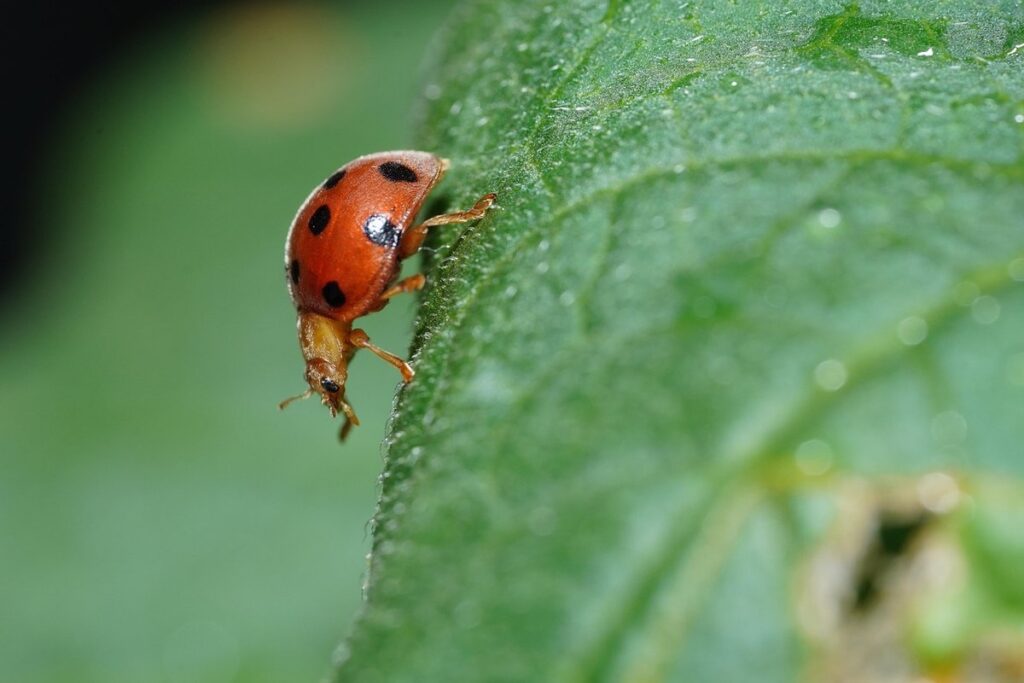
Ladybugs have a distinct body structure that sets them apart from other insects. One of their most recognizable features is their elytra, which are hardened wing covers that protect their delicate wings. These protective coverings allow ladybugs to fold their wings and crawl into tight spaces for protection.
Their bodies are typically oval in shape, with a rounded abdomen and a narrow waist connecting the thorax and abdomen. Ladybugs have six legs, each covered with tiny hairs that help them grip onto surfaces. Their antennae are long and thin, helping them sense their surroundings. One of the most distinctive features of ladybugs is their spotted or striped pattern, which serves as camouflage in their natural environments.
Ladybugs’ unique body structure has adapted to their environment, allowing them to thrive in a variety of ecosystems. For example, some species have developed dark-colored bodies with white spots to blend in with tree bark and leaves. By understanding these physical characteristics, you can better appreciate the incredible diversity within the ladybug world.
Diet and Feeding Habits
When it comes to ladybugs, their diet is more diverse than you might think! In this section, we’ll explore what they eat and how often.
Ladybugs’ Favorite Foods: Aphids and Other Insects
Ladybugs are known to be voracious eaters, and their diet consists mainly of small insects that are abundant in gardens and fields. At the top of their list are aphids, which are tiny, soft-bodied insects that feed on plant sap. These pesky pests can cause significant damage to crops if left unchecked, but ladybugs are happy to take them on as their main course.
In fact, a single ladybug can consume up to 60 aphids per hour, making them a valuable asset in gardens where aphid populations run rampant. But ladybugs don’t stop at just aphids – they also feed on other insects like mealybugs, scale insects, and even spider mites. These tiny predators are an essential part of the ecosystem, helping to keep pest populations under control.
To attract these beneficial bugs to your garden, consider planting nectar-rich flowers that provide a food source for adult ladybugs. This will encourage them to stay in your garden and help control aphid populations naturally. By creating a welcoming environment for ladybugs, you’ll be supporting the delicate balance of nature in your garden.
The Role of Ladybugs in Ecosystems
Ladybugs play a vital role in maintaining balance within ecosystems through their diet and feeding habits. As both predators and prey, they occupy a unique position that helps regulate the populations of other insects. Ladybugs feed on aphids, whiteflies, and scale insects, which are notorious pests that can cause significant damage to plants. By consuming these harmful insects, ladybugs prevent them from multiplying and spreading.
In turn, ladybugs also serve as prey for various birds, bats, spiders, and other small animals, making them a crucial link in the food chain. This interconnectedness helps maintain the delicate balance of ecosystems. For example, some studies have shown that ladybug populations can increase or decrease depending on the availability of their preferred food sources.
To encourage ladybugs to visit your garden or yard, consider incorporating plants that attract these beneficial insects, such as marigolds, daisies, and sunflowers. By creating a welcoming environment for ladybugs, you can reap the rewards of their pest-control services while promoting biodiversity in your ecosystem.
Lifespan and Life Cycle
So, how long do ladybugs actually live? Let’s dive into their lifespan and life cycle to explore the fascinating stages of a ladybug’s life.
From Eggs to Adults: The Ladybug Life Cycle
A ladybug’s life cycle is a remarkable journey from tiny egg to vibrant adult. It all begins with egg-laying, where female ladybugs lay their eggs on the underside of leaves, typically on plants that are rich in aphid populations – their primary food source. These delicate eggs hatch into larvae after 3-4 days, and it’s at this stage that ladybugs start looking for food to fuel their growth.
The larval development phase is crucial, as it lasts around 10-14 days. During this time, the larvae molt several times, shedding their skin as they outgrow it. As they feed on aphids, ladybug larvae also develop their distinctive color patterns and spots. Eventually, the larvae pupate, undergoing a dramatic transformation within their protective casing.
After 4-7 days of pupation, the adult ladybug emerges, its wings still soft but expanding quickly. It’s essential for gardeners to provide a suitable environment for these stages to occur successfully – by planting aphid-rich plants and avoiding pesticides that can harm ladybugs at any stage of their development.
Factors Influencing Ladybug Longevity
When it comes to ladybug longevity, several external factors can significantly impact their lifespan. Temperature is one such factor that affects a ladybug’s survival. Ladybugs thrive in temperatures between 64°F and 90°F (18°C and 32°C), but extreme heat or cold can be detrimental. For instance, temperatures above 95°F (35°C) can cause ladybugs to become lethargic and eventually die.
Another crucial factor is food availability. A steady supply of aphids, which are ladybugs’ primary food source, is essential for their survival. Without an adequate food source, ladybugs may not be able to sustain themselves, leading to a shorter lifespan. Predation pressure also plays a significant role in determining a ladybug’s longevity. Ladybugs have natural predators such as birds, spiders, and other insects that can quickly deplete their populations.
To ensure the longevity of your ladybug population, provide them with a temperature range between 64°F and 90°F (18°C and 32°C) and maintain a consistent food supply. You can also take steps to reduce predation pressure by introducing natural predators’ enemies or using physical barriers to protect your ladybugs.
In addition to these factors, the quality of habitat is also important for ladybug longevity. A diverse range of plants that provide shelter and food for ladybugs will help them thrive. By creating a conducive environment, you can promote the health and survival of your ladybug population.
Interesting Behaviors and Traits
One of the most fascinating aspects of ladybugs is their unique behaviors, from communicating through scent to forming complex social hierarchies. Let’s take a closer look at some of these intriguing traits!
Mating and Courtship Rituals of Ladybugs
Ladybugs have some fascinating mating behaviors and rituals that are both intriguing to observe and essential for their survival. When it comes time for ladybugs to find a mate, they rely heavily on chemical signals, also known as pheromones, to communicate with potential partners.
These chemical signals are released through specialized glands near the ladybug’s abdomen and can travel long distances, allowing the insects to detect each other from afar. In some species of ladybugs, males will even use their antennae to “taste” the air for these pheromones, giving them a sense of direction to locate potential mates.
In addition to chemical signals, ladybugs also exhibit displays of color as part of their mating rituals. Males may display bright colors or patterns on their bodies, while females may display specific color cues that signal receptivity to mating. For example, some species of ladybugs will change color from yellow to orange when they are ready to mate.
By understanding these unique mating behaviors and rituals, you can gain a deeper appreciation for the complex social dynamics at play in the world of ladybugs.
Social Behavior and Group Dynamics
When it comes to ladybugs, most people think of them as solitary creatures that spend their days roaming alone. However, this isn’t always the case. In fact, many species of ladybugs are social creatures that thrive on interaction with their peers.
One fascinating example of social behavior among ladybugs is aggregation. Some species will gather in large numbers, often on a single plant or branch, to feed and mate. This can be seen as a survival strategy, where more eyes and legs on the lookout for predators means increased safety for all. For instance, the Multicolored Asian Lady Beetle (Harmonia axyridis) is known to form massive aggregations during the winter months.
Communal nesting is another social behavior exhibited by ladybugs. Some species will work together to build intricate networks of tunnels and chambers within plant stems or under tree bark. This cooperative effort allows for increased reproduction, as multiple females can lay eggs in a single nest, ensuring the survival of their offspring.
By observing these social behaviors, we can gain a deeper appreciation for the complex lives of ladybugs and the importance of community in their world.
Conservation Status and Threats
Ladybugs are facing some serious challenges, from habitat loss to pesticide use, which is why it’s essential to understand the conservation status and threats they’re up against today. Let’s take a closer look at what’s happening.
The Impact of Insecticides on Ladybug Populations
The widespread use of insecticides has become a major threat to ladybug populations and their habitats. These tiny creatures play a crucial role in our ecosystem, feeding on aphids and other pests that can damage crops and gardens. However, when we spray insecticides, we not only harm the target insects but also affect beneficial ones like ladybugs.
Ladybugs are particularly vulnerable to insecticide exposure due to their small size and delicate physiology. Exposure to even low levels of insecticides has been shown to disrupt their reproductive cycles, impair their ability to navigate, and even lead to their death. A study published in the Journal of Economic Entomology found that ladybug populations exposed to neonicotinoid insecticides showed a 90% reduction in reproduction.
To minimize the impact of insecticide use on ladybugs, gardeners and farmers can take simple steps like using integrated pest management (IPM) techniques, which combine physical barriers, biological controls, and cultural practices with targeted pesticide applications. Additionally, choosing plant-based pesticides or neem oil, which are safer for beneficial insects, can also help mitigate the effects of insecticide use on ladybug populations. By adopting these strategies, we can reduce our reliance on broad-spectrum insecticides and promote a healthier balance in our ecosystems.
Measures for Conserving Ladybug Species
Conserving ladybug species is crucial to maintaining the delicate balance of our ecosystem. Habitat preservation is one of the most effective measures for protecting these beneficial insects. Creating ladybug-friendly habitats involves planting native flowers, shrubs, and trees that provide food sources and shelter for ladybugs. For instance, milkweed plants are a vital source of nutrition for the monarch butterfly’s caterpillars, which also attract beneficial ladybug species.
Reintroduction programs have also been successful in conserving endangered ladybug species. These programs involve releasing captive-bred or imported ladybugs into their natural habitats to augment declining populations. For example, the nine-spotted ladybug (Coccinella novemnotata) was once widespread but has become increasingly rare due to habitat loss and pesticide use. Conservation efforts have focused on reintroducing this species into areas where it is no longer found.
By adopting responsible pesticide use practices, we can also help protect ladybug populations. Pesticides can harm or kill ladybugs, so it’s essential to choose Integrated Pest Management (IPM) methods that minimize chemical use and promote beneficial insects like ladybugs.
Myth-Busting: Separating Fact from Fiction
Ladybugs are often misunderstood, and it’s time to set the record straight. Let’s dive into some surprising facts that debunk common myths about these tiny creatures.
Debunking Common Misconceptions About Ladybugs
Ladybugs have long been shrouded in mystery and misconception. One of the most common myths surrounding these adorable insects is that they can predict the weather. However, this notion has no scientific basis. Ladybugs are not equipped with the ability to forecast changes in the atmosphere or temperature.
Another widespread myth is that ladybugs always appear before a storm. While it’s true that ladybugs may be more active during certain weather conditions, such as high humidity or wind, their presence does not serve as a reliable indicator of impending precipitation. In fact, studies have shown that ladybug populations can fluctuate due to various environmental factors, including food availability and temperature.
To debunk these myths further, it’s essential to understand the natural behaviors of ladybugs. For instance, they are more active during warm weather conditions when searching for nectar-rich flowers or aphid colonies to feed on. By recognizing these patterns, you can better appreciate the intricate world of ladybug behavior and separate fact from fiction.
Separating Ladybug Facts from Superstitions
When it comes to ladybugs, it’s easy to get caught up in the folklore and superstitions surrounding these beloved insects. But where does fact end and myth begin? Let’s take a closer look at some common ladybug myths and separate them from reality.
For example, have you ever heard that ladybugs are lucky if they land on your left shoulder or right elbow? This is actually an old European superstition that likely originated from the idea that these insects were considered symbols of good fortune. However, there’s no scientific basis for this claim. In fact, ladybugs can land anywhere on you and still be perfectly harmless!
Another common myth is that ladybugs are attracted to milk or other sweet substances, which they then use as a source of food. While it’s true that adult ladybugs do feed on aphids and other soft-bodied insects, their larvae actually prefer to eat pollen and nectar-rich plants. So, if you’re looking to attract ladybugs to your garden, focus on planting flowers with plenty of nectar – not offering them milk!
Frequently Asked Questions
Are ladybugs beneficial to all gardens, regardless of size or type?
Yes! Ladybugs are generalist predators that feed on a wide variety of pests, making them an excellent addition to any garden, big or small. However, their effectiveness may vary depending on the specific pest problems in your area. In large-scale agricultural settings, ladybugs can help control pest populations more efficiently than in smaller gardens.
Can I attract ladybugs to my garden without using pesticides?
Yes! Ladybugs are naturally attracted to areas with an abundance of aphids and other soft-bodied insects. By creating a welcoming environment for beneficial insects, you can encourage ladybug populations to establish themselves in your garden. Planting nectar-rich flowers and providing sheltered areas will also help attract these beneficial beetles.
How do I determine if the ladybugs in my garden are native or non-native?
Determining whether ladybugs in your garden are native or non-native can be challenging, but you can look for distinctive characteristics like color patterns and body shape. Native ladybugs tend to have more rounded bodies and bright red or yellow colors with black spots. Non-native species may have more elongated bodies and brighter, more vibrant colors.
What’s the best time of year to release ladybug larvae in your garden?
The ideal time for releasing ladybug larvae is usually during the spring or early summer when temperatures are mild and aphid populations are high. However, this can vary depending on your region and specific climate conditions. Research local guidelines for optimal release times in your area to maximize the effectiveness of your beneficial insects.
Can I breed ladybugs at home for personal use?
While it’s possible to breed ladybugs, it requires specialized equipment and a deep understanding of their life cycle and behavior. Unless you have extensive experience with insect rearing or are an experienced entomologist, it’s generally not recommended to try breeding ladybugs at home. Instead, consider purchasing beneficial insects from reputable suppliers or local nurseries.