
Are you a fan of juicy and sweet melons? With so many varieties to choose from, it can be overwhelming to decide which one to pick at the market. Whether you’re a seasoned chef or an avid foodie, knowing your way around different types of melon is essential for creating delicious summer salads, smoothies, and desserts. Not only do melons come in various shapes, sizes, and flavors, but they also pack a nutritional punch – rich in vitamins A and C, potassium, and antioxidants.
In this comprehensive guide, we’ll delve into the world of melon varieties, exploring their unique characteristics, health benefits, and culinary uses. From refreshing watermelons to sweet cantaloupes and honeydew, we’ll cover it all. By the end of this article, you’ll be well-versed in the different types of melons and ready to incorporate them into your diet with confidence.
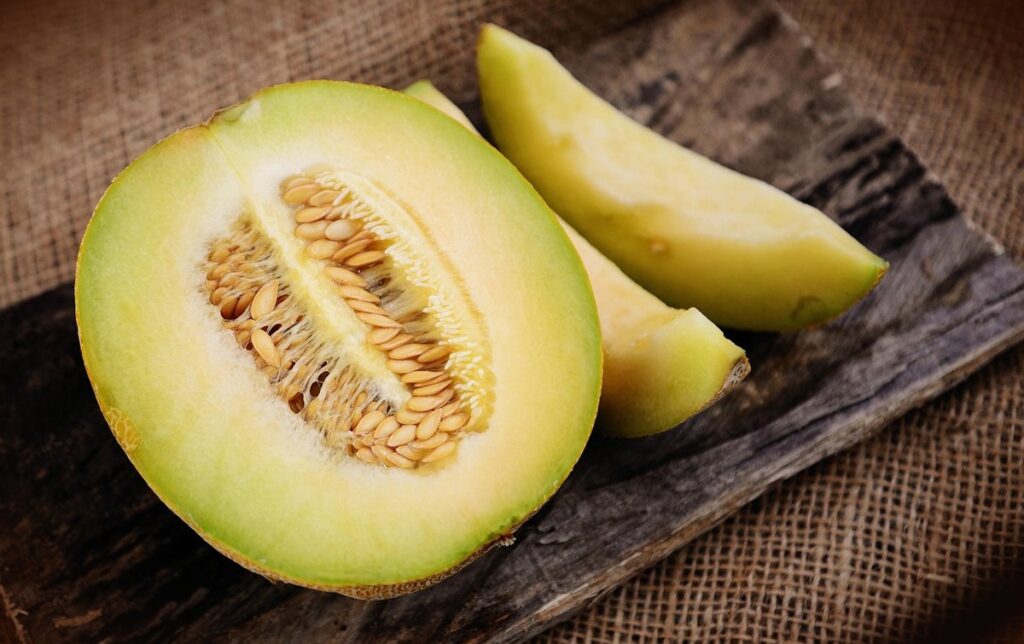
Introduction to Melons
Let’s start our journey through the world of melons, exploring the fascinating history and characteristics that make each variety unique. From sweet honeydew to refreshing watermelon, we’re about to dive in!
What are Melons?
Melons are one of the most refreshing and nutritious types of fruit available. They belong to the Cucurbitaceae family, which also includes cucumbers, squash, and gourds. Melons are characterized by their juicy, sweet pulp and netted or smooth rind. There are over 1,000 varieties of melons grown worldwide, but they can be broadly classified into three main categories: muskmelons, watermelons, and cantaloupes.
One of the most notable characteristics of melons is their high water content. They typically range from 90 to 95 percent water, making them an excellent choice for hot summer days when hydration is crucial. Melons are also packed with essential vitamins and minerals such as vitamin C, potassium, and antioxidants. These nutrients not only provide a boost to our immune system but also help in maintaining healthy skin and hair.
When selecting the perfect melon at the store, look for those with a sweet, fruity aroma and a smooth rind. A ripe melon will typically yield slightly to pressure when pressed gently around the stem end.
Importance of Melons in Cuisine
Melons have been an integral part of various cuisines around the world for centuries. Their sweet and refreshing flavor makes them a staple ingredient in many dishes, from salads to smoothies and desserts. In fact, melons are one of the most widely consumed fruits globally, with over 100 varieties grown worldwide.
One of the most popular ways to enjoy melons is as a snack on its own, sliced or cubed and served fresh. But they’re also incredibly versatile in cooking. For instance, watermelon rinds can be pickled and used as a side dish, while cantaloupe and honeydew are often paired with prosciutto and mint for a refreshing summer salad.
Smoothies are another great way to incorporate melons into your diet. Combine pureed melon with yogurt, milk, or ice cream for a quick and healthy breakfast or snack. Experiment with different types of melon, such as Galia or Casaba, to find the perfect flavor combination.
In some cultures, melons are even used in traditional medicine and beauty treatments. For example, cucumber watermelon is believed to have anti-inflammatory properties and is often used as a face mask.
Section 1: Tropical Melons
When it comes to tropical melons, one of the most popular varieties is the Canary Melon, known for its sweet and refreshing flavor. Let’s dive into what makes these melons special.
1. Watermelon
Watermelon is one of the most popular and refreshing tropical melons globally. Its origins date back to Africa over 4,000 years ago, where it was initially cultivated by the Egyptians for its sweet juice and medicinal properties. Watermelons were later introduced to China through the Silk Road trade route, becoming a staple fruit in many Asian countries.
Watermelon is an excellent source of essential nutrients, including vitamin C, potassium, and lycopene, an antioxidant that helps protect against cancer and heart disease. One cup of diced watermelon provides approximately 30% of the recommended daily intake of vitamin C and about 100 calories.
Interestingly, the unique features of watermelon make it a standout among other melons. Watermelons are made up of about 92% water, making them one of the most hydrating fruits available. They also have a high sugar content but remain low in calories due to their water content. When selecting a ripe watermelon, look for a yellow spot on the underside and a deep green rind with no soft spots or bruises.
2. Cantaloupe
Cantaloupe is one of the most popular and widely consumed melon varieties worldwide. These sweet and refreshing fruits are characterized by their smooth, netted skin, and juicy orange flesh. The flavor profile of cantaloupes can range from sweet and slightly musky to more pronounced citrus notes.
In terms of uses, cantaloupe is a versatile fruit that can be enjoyed in various ways. It’s perfect for snacking fresh on its own or as part of a fruit salad. You can also use it as an ingredient in smoothies, juices, and desserts like sorbet or ice cream. In some parts of the world, cantaloupes are pickled or used to make jams and preserves.
Cantaloupe is not only delicious but also packed with nutrients. It’s a rich source of vitamin C, potassium, and antioxidants like beta-carotene and lycopene. These compounds contribute to the fruit’s numerous health benefits, including reducing inflammation, improving eye health, and supporting immune function. To make the most of cantaloupe’s nutritional value, try incorporating it into your breakfast or as a post-workout snack.
3. Honeydew
Honeydew melons are a sweet and refreshing addition to any fruit platter. Their flavor profile is characterized by a balance of sweetness and juiciness, making them a popular choice for snacking and cooking. In terms of versatility, honeydew melons can be used in a variety of recipes, from salads and smoothies to desserts and sauces.
One of the key benefits of consuming honeydew melons is their potential health effects. They are low in calories and rich in vitamins A and C, potassium, and antioxidants. The high water content of honeydew melons also makes them an excellent choice for hydration. In fact, a single serving of honeydew melon can provide up to 60% of the daily recommended intake of vitamin C.
When selecting a honeydew melon, look for ones with a creamy yellow or white skin and a sweet aroma. To use honeydew melons in cooking, simply peel and dice them, then add them to your favorite recipes. For example, try adding diced honeydew to a green salad or blending it into a refreshing smoothie.
Section 2: Muskmelons
Now that we’ve covered honeydew and cantaloupe, let’s dive into one of the most refreshing and versatile melon varieties out there: muskmelon. These sweet treats are perfect for hot summer days.
1. Cantaloupe Variations
Cantaloupe melons come in a variety of flavors and textures, depending on their origin and breeding. Korean melon, also known as rockmelon, is one such type that’s prized for its netted rind and sweet flavor profile. Its high water content and crunchy texture make it perfect for snacking.
Another popular variation is the Spanish melon, which boasts a smooth skin and juicy pulp. This variety is often described as having a sweeter taste compared to other cantaloupe types.
The Galia melon, developed in Israel, is known for its compact size and sweet flavor, making it ideal for small spaces and salads. Its rind is typically netted, but with smaller netting patterns than the Korean variety.
When selecting a cantaloupe melon, look for those with a yellow spot on their underside – this indicates they’re ripe and ready to eat.
2. Other Muskmelon Types
In addition to the popular Cantaloupe and Honeydew muskmelons, there are several other varieties that offer unique characteristics and uses. One such variety is the Persian melon, also known as the Canari or Rockmelon. Originating from Iran, this melon has a smooth, netted skin with a sweet and juicy flesh. It’s smaller in size compared to other muskmelons, making it an ideal choice for snacking or adding to salads.
Another variety worth mentioning is the Charentais melon, hailing from France. This French heirloom has a distinctive bright orange skin and a rich, buttery flavor profile. Its small to medium size makes it perfect for serving as a dessert or using in fruit arrangements. When choosing a Persian or Charentais melon, look for ones with a sweet aroma, as this is an indicator of their ripeness.
When working with these varieties, consider their unique textures and flavors when pairing them with other ingredients. For example, the Persian melon’s sweetness pairs well with herbs like mint or basil, while the Charentais melon’s richness complements nuts like almonds or walnuts. Experimenting with different pairings can help you unlock new flavor combinations and enhance your culinary creations.
Section 3: Winter Melons
As we dive into the cooler months, let’s explore some popular winter melon varieties that are perfect for adding a burst of freshness to your holiday table and beyond.
1. Casaba Melon
When it comes to winter melons, casaba melons are one of the most popular and sought-after varieties. Native to Africa, this type of melon is known for its sweet flavor and numerous health benefits.
One of the standout features of casaba melons is their taste profile. They have a sweet and slightly musky flavor that’s both refreshing and satisfying. When ripe, they’re perfect for snacking on raw or adding to salads, smoothies, and other desserts. Casaba melons are also an excellent source of essential nutrients like vitamin C, potassium, and fiber.
In terms of nutritional benefits, casaba melons have been shown to have antioxidant properties that can help protect against cell damage and inflammation in the body. They’ve also been linked to improved digestion and reduced blood pressure due to their high water content and electrolyte profile. To get the most out of your casaba melon, be sure to eat it when it’s ripe – its sweetness will be at its peak, making it an ideal snack for those looking to satisfy their sweet tooth while still nourishing their body.
2. Crenshaw Melon
Crenshaw melons have their roots in the United States, specifically developed by the University of California in 1939 as a cross between the casaba and cirtolina melon varieties. They quickly gained popularity for their sweet flavor and versatility in various cuisines. A distinguishing characteristic of crenshaw melons is their green or yellow skin with white stripes, which typically turns from green to yellow as it ripens.
In terms of taste, crenshaw melons are renowned for their sweetness, but also have a subtle hint of muskiness that sets them apart from other melon varieties. They’re a popular choice in salads and desserts due to their delicate flavor profile. In some Asian cuisines, the rind is used in soups or stews, adding a unique texture and flavor dimension.
If you’re looking to incorporate crenshaw melons into your cooking repertoire, consider grilling or roasting them for added depth of flavor. They pair particularly well with prosciutto or feta cheese in salads, and their sweetness makes them an excellent base for homemade sorbet or granita. With proper handling and storage, crenshaw melons can be stored at room temperature for up to 3-5 days or kept refrigerated for longer periods.
Section 4: Exotic Melons
Get ready to discover some of the world’s most unusual and exotic melon varieties, each with its own unique flavor and texture profile. Let’s dive into the fascinating realm of rare melons!
1. Korean Melon (Galia)
Korean melons, also known as Galia melons, have been cultivated for over 50 years and originated in Israel. Their unique characteristic is the symmetrical net-like markings on their rind, which can vary in intensity from faint to dark brown. These melons are a type of muskmelon, belonging to the Cucumis melo species, characterized by their sweet and juicy flesh.
In terms of nutritional benefits, Korean melons are low in calories but rich in vitamins A and C, potassium, and fiber. They contain antioxidants that help protect cells from damage caused by free radicals. According to a study published in the Journal of Food Science, Korean melons exhibited higher antioxidant activity compared to other muskmelon varieties.
One of the unique features of Korean melons is their ability to remain fresh for an extended period. Due to their thick rind and waxy texture, they can be stored at room temperature for several days without losing their flavor or moisture content. When selecting a Korean melon, look for a vibrant yellow skin with symmetrical net-like markings, indicating optimal ripeness. Choose a heavy fruit with a sweet aroma, as this is an indicator of its sweetness and juiciness.
2. Canary Melon
The canary melon is a type of exotic melon that boasts an incredibly sweet flavor profile. Native to Africa and Asia, this unique melon has gained popularity worldwide for its refreshing taste and versatility in recipes. Its sweetness level is often compared to honeydew and cantaloupe, but with a more subtle and complex flavor.
One of the standout features of canary melons is their ability to be consumed in various ways. You can enjoy them as a fresh snack on their own, add slices to salads for a burst of sweetness, or blend them into smoothies for added nutrition. In many Asian cuisines, canary melon is pickled and served as a condiment.
Beyond its flavor profile and versatility, the canary melon also offers potential health benefits. Rich in water content (about 90%), it’s an excellent hydrating snack perfect for hot summer days. The melon is also a good source of vitamins A and C, potassium, and dietary fiber. Enjoying canary melon as part of your balanced diet may contribute to improved digestive health and immune function. When selecting a ripe canary melon, look for a yellow or orange color on the underside – this indicates the sweetness level!
Section 5: Growing and Storing Melons
Now that you’ve learned how to grow and harvest your melon bounty, let’s talk about what to do next – storing them properly to keep them fresh for a longer period. Proper storage techniques will ensure your melons stay ripe for longer.
1. Tips for Growing Melons
Growing melons successfully requires careful consideration of several key factors. First and foremost, soil requirements are crucial. Melon plants prefer well-draining, rich soil with a pH between 6.0 and 7.0. To achieve this, add compost or well-rotted manure to your soil before planting. This will not only improve drainage but also provide essential nutrients for healthy growth.
Climate considerations are also vital when growing melons. These warm-season crops thrive in temperatures above 65°F (18°C), making them ideal for regions with long summers. However, they’re highly susceptible to frost damage, so wait until the last frost date has passed before planting.
When it comes to pest management, keep a close eye out for common issues like aphids and squash bugs. Use neem oil or insecticidal soap to control infestations, and remove any affected plants to prevent the spread of disease. Regularly inspect your plants for signs of trouble, such as yellowing leaves or powdery mildew.
Some gardeners swear by using row covers or fine mesh to protect their melon plants from pests and diseases. These lightweight barriers allow sunlight and water to reach the plants while keeping unwanted visitors at bay.
2. Proper Storage Techniques
To maintain the freshness and quality of melons, proper storage techniques are crucial. When storing melons, it’s essential to keep them away from strong-smelling foods as they can absorb odors easily. This is particularly true for watermelon and cantaloupe, which are prone to absorbing flavors and odors.
For long-term storage, select a cool, dry place with good air circulation. Avoid placing melons near direct sunlight or heat sources, as this can cause them to spoil quickly. Store them in a single layer on a tray or basket, allowing for airflow between each fruit. This will help prevent moisture buildup and reduce the risk of mold growth.
If you need to store melons for an extended period, consider using breathable containers such as mesh bags or paper bags. These allow for air circulation while keeping dust and other contaminants out. Regularly check on stored melons for signs of spoilage, such as soft spots or mold growth, and remove any affected fruits immediately.
By following these simple storage tips, you can enjoy your melons at their best flavor and texture.
Section 6: Nutrition and Health Benefits
When it comes to enjoying your favorite melons, understanding their potential health benefits is just as important as knowing how to select them. Let’s dive into the nutrition perks of different types of melon!
1. Melon Nutritional Profile
Melons are an excellent source of essential nutrients, making them a great addition to a healthy diet. The nutritional profile of melons varies depending on the type and ripeness, but they generally offer a good mix of vitamins, minerals, and antioxidants. One cup of cubed cantaloupe, for example, provides about 100% of the daily recommended intake of vitamin C and more than 50% of vitamin A.
Watermelon is another nutrient-rich melon that’s high in water content (about 92%), making it an excellent choice for hydration. It’s also a good source of vitamin C and lycopene, an antioxidant that helps protect against cancer and heart disease. Honeydew melons are a rich source of potassium, an essential mineral that helps maintain healthy blood pressure.
When selecting melons, look for those that are heavy for their size and have a sweet aroma. Store them in the refrigerator to preserve their freshness and nutrients. To get the most nutritional benefits from your melon, be sure to eat it fresh or frozen – cooking can damage some of these delicate compounds.
2. Potential Health Effects
Consuming melons regularly can have several potential health benefits. One of the key advantages is their anti-inflammatory properties, which may help reduce inflammation and alleviate conditions such as arthritis. Melons like watermelon contain a high amount of citrulline, an amino acid that has been shown to lower blood pressure and improve cardiovascular health.
In terms of digestive health, melons are rich in dietary fiber and water content, making them easy to digest. Eating melon before meals can also stimulate saliva production, aiding digestion and preventing constipation. For instance, cantaloupe contains a unique combination of potassium and vitamin C that helps maintain healthy blood vessels and promotes smooth muscle function.
Regular consumption of melons may also help regulate blood sugar levels due to their high water content and natural sugars. This makes them an excellent choice for individuals managing diabetes or those looking to reduce their overall sugar intake. As part of a balanced diet, incorporating various types of melon can contribute to improved overall health and well-being.
Section 7: Culinary Uses and Pairing Suggestions
When it comes to cooking and pairing melons, different types offer unique flavor profiles that can elevate salads, smoothies, and even savory dishes. Let’s explore some ideas for using various melon varieties in your recipes.
1. Melon Salads and Desserts
Melons are incredibly versatile and can be used in a variety of sweet treats. One popular way to enjoy melons is by incorporating them into salads and desserts. When it comes to pairing melons with complementary flavors, consider the sweetness level of the melon you’re using.
For example, if you’re working with a sweet melon like honeydew or canary melon, try pairing it with fresh mint leaves and a drizzle of honey for a refreshing summer salad. On the other hand, if you’re using a tangier melon like cantaloupe or watermelon, balance out its flavor by combining it with crumbled feta cheese, chopped fresh herbs like basil or cilantro, and a light vinaigrette.
In terms of desserts, melons can be used to make a variety of sweet treats. One idea is to puree diced melon and mix it with a little bit of sugar and lemon juice to create a smooth sorbet. Alternatively, you could try grilling slices of melon until caramelized and then topping them with whipped cream or vanilla ice cream for a unique dessert.
2. Savory Melon Recipes
When it comes to cooking with melons, many people think of them as strictly sweet and refreshing ingredients for salads and smoothies. However, melons can also be used in savory dishes to add depth and complexity to various types of cuisine.
One of the easiest ways to incorporate melon into a savory dish is by pairing it with grilled meats or vegetables. For example, try serving sliced cantaloupe alongside grilled chicken or pork chops, brushed with a mixture of olive oil, soy sauce, and honey. The sweetness of the melon balances out the smokiness of the grilled meat, creating a delicious and well-rounded flavor profile.
In many Asian cuisines, melons are used as an ingredient in stir-fries and braises. For instance, watermelon can be diced and added to a stir-fry with bell peppers, onions, and your choice of protein (such as chicken or tofu), cooked in a mixture of soy sauce, garlic, and ginger.
If you’re looking for more ideas on how to use melon in savory dishes, consider trying the following:
* Slice honeydew melon thinly and layer it with prosciutto and arugula for a simple but elegant appetizer.
* Add diced cantaloupe to your favorite salsa recipe for a sweet and tangy twist.
* Use cucumber-melon salad as a refreshing side dish for summer barbecues, made by combining diced cucumber and melon with red onion, mint, and a drizzle of lime juice.
Frequently Asked Questions
How do I choose the best melon variety for my recipe?
Choosing the right melon variety depends on your personal taste preferences, dietary needs, and desired level of sweetness or tartness. For sweet treats like salads or smoothies, opt for honeydew or cantaloupe varieties. If you prefer a refreshing snack, watermelon is an excellent choice.
Can I grow my own melons at home?
Growing your own melons can be rewarding, but it requires proper climate conditions, soil preparation, and regular maintenance. Ensure your area has adequate sunlight (at least 6 hours of direct sun) and warmth (above 65°F). Use a balanced fertilizer to promote healthy growth.
How do I store my fresh melons to maintain their quality?
Proper storage is crucial for maintaining the freshness and flavor of your melons. Store them at room temperature or in the refrigerator, away from direct sunlight and heat sources. For optimal results, keep watermelon at room temperature until cut, then refrigerate.
Can I use melon as a topping for savory dishes, like burgers or salads?
Melons pair surprisingly well with savory flavors! Try pairing sweet melons like cantaloupe or honeydew with prosciutto, feta cheese, and mint for a refreshing twist on classic summer salads. Experiment with watermelon salsa or grilled watermelon slices as toppings for burgers.
Are there any specific health benefits I should be aware of when consuming melons?
Melons are packed with essential vitamins A and C, potassium, and antioxidants that support immune function, hydration, and overall well-being. However, people with kidney problems or those taking certain medications may need to limit their melon intake due to its high water content.