
Orchids have long been a staple in gardens and homes worldwide, but did you know there are over 30,000 known species to discover? From delicate Phalaenopsis to majestic Paphiopedilum, these beautiful flowers offer a staggering array of shapes, sizes, and colors. But with so many varieties, it can be overwhelming for even the most seasoned orchid enthusiasts to keep track of their unique characteristics, care requirements, and conservation efforts.
As you delve into the world of orchids, you’ll learn about the fascinating aspects that set each species apart. From the delicate nuances of their blooms to the specific growing conditions they thrive in, we’ll cover it all. This article will take you on a journey through the wonderful realm of orchid species, exploring what makes them special and how you can become an expert in growing these stunning flowers.
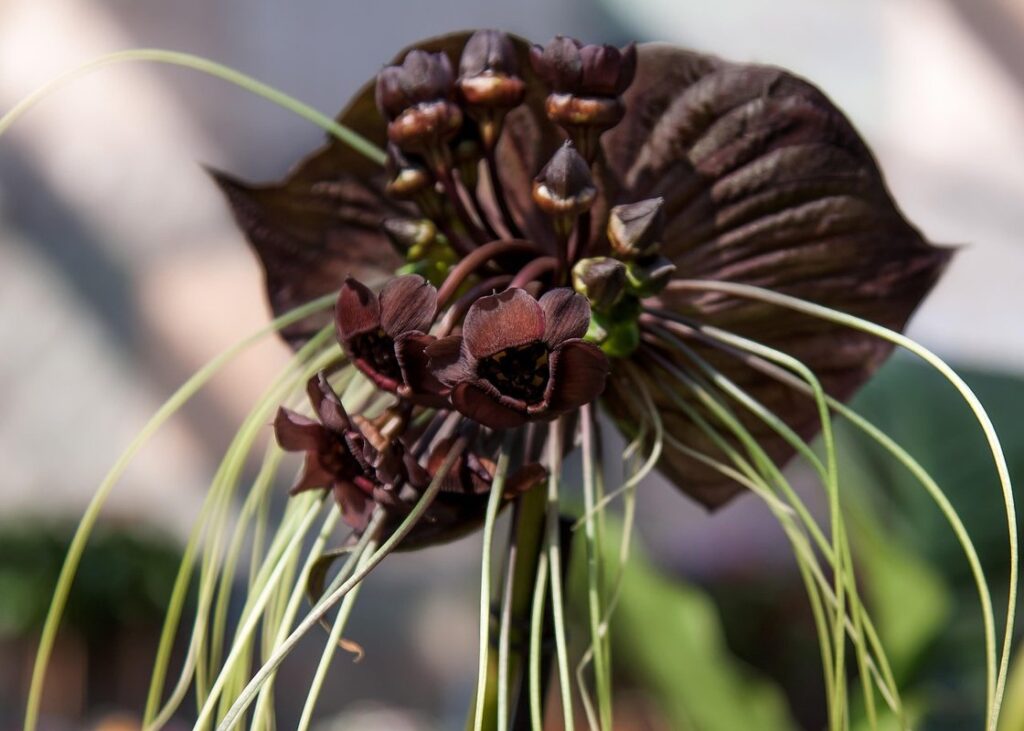
Understanding the Basics of Orchids
If you’re new to orchid care, understanding the basics is essential for growing and thriving plants. This section will walk you through the fundamental concepts to get started with orchid cultivation.
What are Orchids?
Orchids have been captivating plant enthusiasts for centuries with their exquisite beauty and diversity. These flowering plants belong to the family Orchidaceae, which is one of the largest and most diverse plant families on Earth. With over 30,000 known species, orchids can be found in almost every corner of the globe, from tropical rainforests to dry deserts.
One of the earliest recorded references to orchids dates back to ancient China around 2000 BCE. The Chinese prized orchid flowers for their fragrance and used them in traditional medicine. In the Western world, orchids were introduced by European explorers who brought back exotic species from their travels. Today, orchids are grown and enjoyed globally, with many enthusiasts cultivating their own varieties at home.
What sets orchids apart is their unique combination of characteristics. They have adapted to a wide range of environments, developing specialized features such as modified leaves that function as photosynthetic organs or roots that store water for long periods. These adaptations enable orchids to thrive in some of the harshest conditions on Earth, making them one of the most fascinating and resilient plant groups known to science.
Types of Orchids: A Brief Overview
Orchids come in a wide variety of shapes and sizes, but they can be broadly categorized into several main types based on their growth habits. Understanding these categories is essential for any orchid enthusiast looking to get started with growing their own plants.
There are three primary categories: terrestrial, epiphytic, and lithophytic. Terrestrial orchids grow in the ground, much like other types of flowers, and have thick roots that absorb moisture and nutrients from the soil. Epiphytic orchids, on the other hand, grow on other surfaces such as trees or rocks without deriving any nutrients from them. They obtain moisture and nutrients through their aerial roots.
In addition to these categories, orchids can also be classified based on their stem growth patterns. Monopodial orchids have a single stem that grows from the base of the plant, while sympodial orchids produce new pseudobulbs or flower spikes that eventually grow into mature plants. This understanding will help you choose the right type of orchid for your growing conditions and skill level, making it easier to care for and enjoy these beautiful flowers.
Key Characteristics of Orchid Flowers
Orchid flowers are renowned for their incredible diversity and unique characteristics. When it comes to distinguishing one orchid species from another, the shape of the bloom is often a key identifier. Some orchids have delicate, star-shaped blooms like the Phalaenopsis, while others exhibit showy, three-petaled flowers like the Cattleya.
One of the most striking aspects of orchid flowers is their vibrant color palette. From soft pastels to bold and bright hues, orchid blooms come in a wide range of colors. Some species, such as the Paphiopedilum, are known for their unique mottled patterns and delicate markings that add an extra layer of visual interest.
In terms of fragrance, some orchids are highly scented, while others are nearly odorless. The Cattleya, for example, is renowned for its powerful, sweet fragrance, which is often used in perfumes and fragrances. On the other hand, many Phalaenopsis species have very little scent.
When examining an orchid bloom, it’s essential to take note of these distinctive features. This will help you identify the species and appreciate their unique characteristics. By paying attention to shape, color, and fragrance, you’ll develop a deeper understanding of the incredible diversity within the world of orchids.
Common and Exotic Species of Orchids
Orchid enthusiasts, get ready to discover a kaleidoscope of species that will transport you to tropical paradises and introduce you to some truly rare finds. Let’s dive into 12 extraordinary orchids from around the world.
Popular Houseplants: Phalaenopsis, Dendrobium, and Oncidium
When it comes to popular houseplants that are also orchids, Phalaenopsis, Dendrobium, and Oncidium stand out as top choices for many enthusiasts. These species have become incredibly widespread due to their relatively low maintenance requirements and beautiful blooms.
Phalaenopsis orchids, often referred to as “moth orchids,” are one of the most commonly cultivated species in homes. They thrive in bright, indirect light and require moderate watering (about once a week). One of the unique characteristics of Phalaenopsis is that they can bloom for several months at a time, producing multiple flowers on a single stem.
Dendrobium orchids, known for their long-lasting blooms, are also popular choices for home growers. They prefer bright light and moderate watering (about once every 10-14 days), but are more forgiving when it comes to humidity levels. Dendrobiums often produce smaller flowers than Phalaenopsis, but in greater numbers.
Oncidium orchids, or “dancing ladies,” are highly prized for their delicate appearance and vibrant colors. They require bright light and moderate watering (about once a week), similar to Phalaenopsis. One of the unique characteristics of Oncidiums is that they often grow in clusters, producing multiple blooms at once.
For new growers, it’s essential to understand the specific needs of each species to ensure successful cultivation. By providing optimal growing conditions and proper care, you can enjoy stunning blooms from these popular houseplants for months to come.
Rare and Exotic Species: Cattleya, Paphiopedilum, and Vanda
When venturing into the realm of orchid species, there are few that command as much attention and admiration as Cattleya, Paphiopedilum, and Vanda. These rare and exotic orchids have captivated growers and enthusiasts with their unique beauty and characteristics.
Cattleyas, for instance, thrive in warmer climates and require well-draining media to prevent root rot. Their large, showy blooms come in an array of colors, making them a sought-after choice among collectors. Native to the tropical regions of Central and South America, Cattleyas have become increasingly popular due to their relatively easy cultivation.
Paphiopedilums, also known as Venus orchids, are prized for their distinctive, long-lasting blooms that resemble slippers or hoods. These low-growing orchids demand high humidity and specific temperature controls to thrive. In the wild, Paphiopedilums can be found in Southeast Asia, where they’ve adapted to living in shaded, tropical forests.
Vandas, on the other hand, are known for their delicate, star-shaped flowers that bloom in a variety of colors. Originating from Australia and the Pacific Islands, Vandas require well-ventilated areas with moderate temperatures to flourish. They’re often grown as epiphytes, attaching themselves to trees without causing harm.
Growing these rare orchids can be challenging, but with proper care and attention, they’ll reward you with stunning blooms that are truly breathtaking.
Hybrid Orchids: A Blend of Nature and Art
Hybrid orchids have taken the world of horticulture by storm, captivating enthusiasts and collectors alike with their unique beauty and intriguing history. These artificial creations are the result of breeding different species to combine desirable traits such as color, fragrance, and shape.
Developed over centuries through careful selection and cross-breeding, hybrid orchids have become a staple in many orchid collections due to their vibrant blooms and adaptability. They can thrive under various conditions, making them perfect for growers with limited space or those who want low-maintenance plants.
One of the main benefits of hybrid orchids is their increased disease resistance, which allows growers to experiment with new species combinations without worrying about common pests and diseases affecting the parent plant. However, cultivating these unique specimens can be challenging due to their sensitivity to environmental factors like temperature fluctuations and humidity levels.
To successfully grow hybrid orchids, it’s essential to research their specific needs and create a controlled environment that replicates their natural habitat. By providing the right conditions and attention, you’ll be rewarded with an explosion of color and fragrance in your home or greenhouse.
Orchid Care 101: Tips for Success
Caring for your orchids can be intimidating, but don’t worry, we’ve got you covered with these essential tips to ensure their optimal growth and blooming. Let’s dive into some expert advice!
Providing Optimal Lighting Conditions
When it comes to providing optimal lighting conditions for your orchids, it’s essential to consider the specific needs of each species. Different orchid types have varying light requirements, and getting this right can mean the difference between vibrant blooms and faded flowers.
For instance, Phalaenopsis orchids prefer bright, indirect light but can tolerate some direct sunlight, especially in cooler temperatures. On the other hand, Paphiopedilum orchids require more intense, filtered light to photosynthesize effectively. Similarly, Vanda orchids need full sun to partial shade, while Miltonia and Odontoglossum species prefer bright, indirect light.
When choosing a location for your orchid, consider the duration of direct sunlight it receives during the day. East- or west-facing windows are ideal for most orchid species as they provide gentle, indirect light throughout the day. Avoid placing your orchids in areas with direct sunlight for extended periods, as this can cause leaf scorch and damage.
Keep an eye on the intensity and spectrum of the lighting too – many indoor growers use grow lights specifically designed to mimic natural daylight. By selecting the right lighting conditions for your orchid species, you’ll be well on your way to creating a happy, thriving environment that encourages those beautiful blooms to flourish.
Watering and Humidity Requirements
When it comes to caring for orchids, getting the watering and humidity levels just right is crucial. These tropical plants thrive in environments with high moisture levels, but overwatering can be detrimental to their health. To ensure you’re providing the best conditions for your orchid, monitor its watering needs carefully.
A good rule of thumb is to water your orchid when the potting medium is dry to the touch, usually about 1-2 inches below the surface. Check the moisture level by sticking your finger into the pot or using a moisture meter. Watering should be done in the morning, so the plant has the entire day to absorb the moisture.
Maintaining high humidity levels is also essential for orchids. You can achieve this by placing the plant on a tray filled with water and pebbles or using a humidifier nearby. Aim for a relative humidity of 40-70%, which is perfect for most orchid species. Some popular types, like Phalaenopsis, prefer even higher levels, up to 80%.
Keep an eye out for signs that your orchid needs more moisture, such as wrinkled leaves or droopy stems. Conversely, if you notice water pooling in the pot or fungal growth, it’s likely a sign of overwatering. Adjust your watering schedule and humidity levels accordingly to give your orchid the best chance at thriving.
Fertilization and Pest Management Strategies
When it comes to keeping your orchids healthy and thriving, fertilization and pest management are crucial aspects of their care. To start with fertilizing, remember that over-fertilizing can be detrimental to your plants’ health. Instead, focus on using a balanced, water-soluble fertilizer at half the recommended strength during the growing season (spring and summer). You can also use a time-release fertilizer for a more convenient option.
For pest management, keep an eye out for common culprits like mealybugs, spider mites, and scale. If you notice any of these pests on your orchid, isolate it immediately to prevent infestation. To control them, try using neem oil or insecticidal soap as a treatment. For example, mix 1 tablespoon of neem oil with 1 quart of water and spray it directly on the affected areas.
Some additional tips include repotting your orchids every year or two to give their roots a fresh start, which can also help prevent pest infestations. Regularly inspecting your plants for signs of pests is key to maintaining a healthy environment. By staying vigilant and using these strategies, you’ll be well on your way to growing robust and thriving orchid species in no time.
Orchid Conservation Efforts and Ethics
As we delve into the fascinating world of orchids, it’s essential to consider the efforts being made to protect these beautiful species. We’ll examine the conservation initiatives that prioritize sustainability and responsible collecting practices.
The Impact of Overcollection on Wild Orchid Populations
Wild orchid populations are facing unprecedented threats due to overcollection. The demand for these exotic flowers has led to a surge in illegal harvesting from the wild. This practice not only depletes natural populations but also disrupts delicate ecosystems.
Overcollection can have devastating consequences, including habitat destruction and fragmentation. When entire colonies of wild orchids are removed, it leaves behind barren spaces that can take years to recover. Furthermore, these removals often occur during critical periods of growth, making it difficult for remaining plants to reproduce.
It’s essential to adopt sustainable collection practices to ensure the long-term survival of wild orchid populations. For instance, botanists and collectors can prioritize species with high reproductive rates or those that are more resilient to harvesting. Additionally, governments and conservation organizations can implement regulations and monitoring programs to prevent overcollection. By taking a responsible approach to collecting these beautiful flowers, we can help preserve the rich biodiversity of wild orchid populations for future generations.
Supporting Conservation Initiatives and Responsible Trade
As we delve into the fascinating world of orchid species, it’s essential to acknowledge the importance of conservation efforts. Unfortunately, many orchid populations are threatened by habitat destruction, over-collection, and climate change. However, there are several reputable organizations working tirelessly to protect these beautiful flowers.
One such organization is the Orchid Conservation Alliance (OCA), which brings together experts from around the world to share knowledge and best practices in orchid conservation. The OCA also supports local communities in developing sustainable livelihoods that don’t harm orchid populations. By supporting organizations like the OCA, you can contribute to the protection of these incredible species.
You too can make a difference by getting involved with local orchid conservation initiatives. Start by researching organizations in your area that are working on orchid conservation projects and consider volunteering or donating to their cause. You could also participate in citizen science projects, such as monitoring orchid populations or reporting any sightings of rare species.
Ethical Considerations in Orchid Breeding and Hybridization
When it comes to orchid breeding and hybridization, ethical considerations are just as crucial as the art of creating new species. One major concern is genetic diversity – as breeders push for more unique and exotic varieties, they risk compromising the natural genetic integrity of the parent plants. This can lead to inbreeding, reducing a plant’s ability to adapt to changing environments.
The issue of patenting orchid hybrids has also sparked debate. While some argue that patents protect the rights of breeders, others see it as a barrier to conservation and further research. For instance, if a breeder patents a hybrid, they may not be willing to share the genetic information or provide access to the plant for future study.
Commercialization is another aspect to consider. As demand for exotic orchids grows, breeders may prioritize profit over sustainability. This can lead to over-collection and even extinction of wild species. To navigate these complexities, it’s essential for breeders and collectors to balance their passion with a commitment to responsible practices and conservation efforts.
Growing and Propagating Orchids: A Guide
Growing and propagating orchids can seem intimidating, but with a few simple techniques and some basic knowledge, you’ll be on your way to expanding your orchid collection in no time. Let’s dive into the process of growing and propagating these beautiful plants.
Seeds, Pseudobulbs, and Keiki Growth
Orchids can be propagated using various methods, including seed germination, pseudobulb division, and keiki growth. Each of these techniques requires a specific set of conditions and attention to detail.
For example, seed germination is the process of growing orchid seeds into mature plants. This method is often used for species that are difficult to propagate through other means. To initiate seed germination, you’ll need to sow seeds in a sterile potting mix and provide them with bright, indirect light and consistent moisture.
Pseudobulb division involves separating the pseudobulbs from established orchid plants. This method is ideal for multiplying orchids that produce multiple pseudobulbs per plant. To perform pseudobulb division, carefully remove the plant from its pot, wash away any old potting mix, and gently separate the pseudobulbs.
Keiki growth involves encouraging the formation of new plants on the mother plant itself. This method is often used for species that produce large, fleshy keikis or buds. To initiate keiki growth, provide your orchid with bright light, high humidity, and adequate water, which will stimulate the production of keikis. Once the keikis have developed their own roots and leaves, they can be cut from the mother plant and potted individually.
When attempting any of these propagation methods, it’s essential to research the specific requirements for your orchid species, as some may have unique needs or preferences.
Potting Mixes, Repotting, and Pruning Techniques
Choosing the right potting mix for your orchids is crucial to their health and flowering success. A well-draining mix specifically designed for orchids will prevent waterlogged roots and promote healthy growth. Some popular ingredients in orchid potting mixes include sphagnum moss, perlite, and fir bark. Look for a mix that contains these components or create your own blend using individual ingredients.
Repot your orchid every 2-3 years to refresh the potting mix and provide a larger pot if necessary. Spring is the best time for repotting, as it allows the plant to establish itself before the flowering season. When repotting, gently remove the orchid from its pot and trim any dead or dying roots with sterile scissors.
Pruning your orchid encourages new growth and flowering. Remove dead flower spikes after they have finished blooming, but avoid cutting back the foliage as it provides energy for the plant. For species like Phalaenopsis that produce keiki (pups) on their stems, you can remove these once they have reached 1-2 inches in diameter to encourage more blooms.
Regular pruning also helps maintain your orchid’s shape and encourages new growth from the center of the plant.
Conclusion: Appreciating the Diversity of Orchid Species
As we conclude our journey through the wonderful world of orchid species, it’s essential to appreciate just how diverse and fascinating this group truly is. With over 30,000 known varieties, each with its unique characteristics, colors, and fragrances, there’s an orchid out there for every enthusiast. Whether you’re a seasoned collector or just starting your orchid journey, embracing the diversity of these incredible plants can be both inspiring and rewarding. Take the time to explore different species, learn about their habitats and requirements, and discover how they thrive in various environments.
In doing so, not only will you expand your knowledge and appreciation for these remarkable flowers, but you may also find new favorite varieties that bring joy and beauty into your life.
Frequently Asked Questions
What’s the best way to narrow down my search for a specific orchid species?
If you’re overwhelmed by the vast number of orchid species, start by considering factors like climate, size, bloom color, and growth habits. Research popular species that fit your preferences, and don’t be afraid to ask for recommendations from experienced growers or online forums. You can also consult with local nurseries or botanical gardens to see what species thrive in your area.
How do I know if my orchid is receiving optimal lighting conditions?
Monitor your orchid’s response to different light sources. If it’s not producing flowers, it may be due to insufficient light. Move the plant closer to a south-facing window or consider using grow lights to supplement natural light. Keep an eye on your orchid’s leaf color and growth habits as indicators of its light requirements.
Can I propagate my orchid from seed, or is this only suitable for certain species?
While some rare and exotic species can be propagated through seeds, many popular orchid varieties are better suited for division, keiki growth, or pseudobulb propagation. Research the specific propagation methods recommended for your orchid species to ensure success.
How do I balance fertilization with pest management in my orchid care routine?
Yes, it’s essential to strike a balance between providing necessary nutrients and controlling pests. Fertilize your orchid during its growth phase (spring-fall), using balanced water-soluble fertilizers at half the recommended strength. Monitor for pests like mealybugs, spider mites, or scale, and treat promptly if you notice any issues.
Can I grow exotic orchids in a small indoor space?
Yes, many exotic orchid species can thrive indoors with proper care. Research specific temperature, humidity, and lighting requirements for your chosen species to ensure success. Consider using a terrarium or greenhouse setup to create a controlled environment that meets the needs of these sensitive plants.