
Roses are more than just a beautiful bouquet – they’re also a thoughtful way to express your emotions. But did you know that different colors have distinct meanings? From classic red roses symbolizing love and romance, to elegant white roses representing purity and innocence, each hue has its own unique story. Even pink roses, often seen as the “default” rose color, convey gratitude and appreciation. And then there are the more exotic options like lavender and orange, which add a touch of luxury and sophistication to any arrangement.
In this article, we’ll delve into the world of every color rose, exploring their meanings and providing expert tips on how to choose the perfect bouquet for any occasion. We’ll also cover the essential care and maintenance of these stunning flowers, so you can enjoy them at their best. Whether you’re a seasoned florist or just looking to learn more about the symbolism behind different roses, this guide has got you covered.
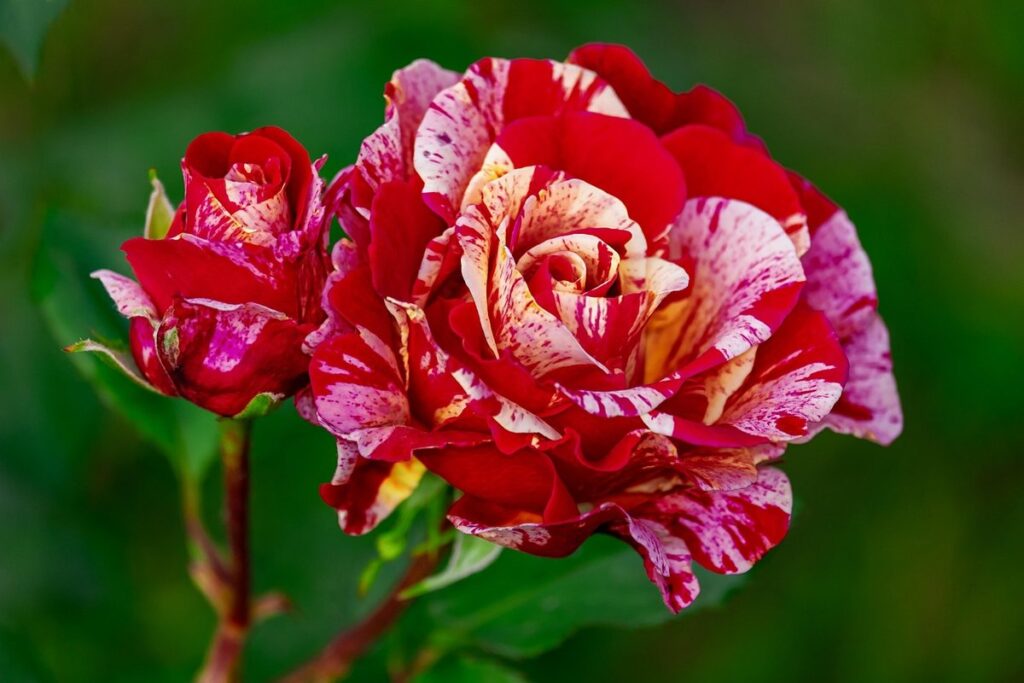
History of Colored Roses
Colored roses have a rich and storied past, originating from centuries-old breeding programs that aimed to create new varieties with unique hues. Let’s take a step back in time to explore their fascinating history.
Origin of Colored Roses
Colored roses have been a symbol of love and passion for centuries, but have you ever wondered where they came from? The origin of colored roses dates back to the 19th century when rose breeders discovered a way to dye or tint white roses to create a variety of colors.
The process of dyeing or tinting roses involves adding chemicals such as alizarin, anthocyanin, and copper to the petals. Alizarin gives roses their red color, while anthocyanin creates purples and blues. Copper is used to produce yellow and orange hues. The exact science behind it lies in the way these chemicals interact with the natural pigments present in the rose petals.
This innovative technique allowed breeders to create a vast array of colors, from soft pastels to vibrant brights. However, the process was not without its challenges. Many early attempts resulted in roses that were more fragile and prone to fading than their naturally colored counterparts. Nevertheless, this breakthrough paved the way for modern rose breeding, enabling us to enjoy an incredible range of colors today.
Evolution of Colored Rose Varieties
As we delve into the world of colored roses, it’s fascinating to explore their evolution over time. The introduction of new rose varieties has been a gradual process, driven by the pursuit of unique characteristics and colors.
One notable example is the development of red roses. For centuries, white roses were considered the norm, but it wasn’t until the 18th century that red roses began gaining popularity. The introduction of the ‘Crimson Glory’ rose in 1872 marked a significant milestone, followed by other varieties like the ‘Red Knight’ and ‘Mr. Lincoln’, which further solidified red’s position as a favorite among consumers.
The 20th century saw an explosion in colored rose varieties, with breeders pushing the boundaries of color palette and petal count. The introduction of hybrid teas, floribundas, and grandifloras offered an array of colors, including yellow, orange, pink, and lavender. Today, gardeners can choose from over 150 different rose varieties in various shades of blue, which were previously unheard of.
As a result, consumers now have an incredible range of choices when it comes to colored roses. This variety has led to new design possibilities for florists and gardeners alike.
Meaning and Symbolism of Different Colors
Let’s dive into the fascinating world of colors, where each hue holds a unique meaning and symbolism that adds depth to our understanding of these stunning roses. We’ll explore them all here!
Red Roses: Love and Passion
Red roses are often considered the quintessential symbol of love and passion. In many cultures, they’re reserved for expressing deep emotions, especially on Valentine’s Day. But their meaning extends beyond romantic gestures; red roses can also signify admiration, respect, or even apology.
In ancient Greek mythology, the rose was associated with Aphrodite, the goddess of love, which further solidified its connection to romance. Today, a bouquet of red roses is often used as a way to express intense passion and desire. They’re also commonly given in appreciation for someone’s hard work or achievements, making them a popular choice for business anniversaries.
When giving red roses, it’s essential to consider the context. For example, if you want to convey deep emotional love, pair the bouquet with a heartfelt message. To express admiration, focus on their beauty and uniqueness. And when using red roses as an apology, be sure to explain your actions and show a genuine willingness to change.
Remember, the key to conveying the right message lies in understanding the recipient’s perspective and choosing the right words to accompany the flowers.
Pink Roses: Appreciation and Friendship
Pink roses are often associated with feelings of gratitude, appreciation, and admiration. They’re a popular choice for expressing friendship, as they convey a sense of warmth and affection without being too intense. In the language of flowers, pink roses signify a deep respect and admiration for someone’s character or achievements.
When giving pink roses to a friend, consider their unique qualities and characteristics that you appreciate most. For example, if your friend is known for their kindness and generosity, express these qualities through the gift. To add an extra touch, include a heartfelt note or card expressing your appreciation for their presence in your life.
Some practical tips to keep in mind when giving pink roses: pair them with other flowers that complement their meaning, such as baby’s breath or greenery, to create a lush and vibrant arrangement. Alternatively, consider using pink roses as a centerpiece for a gathering or party, allowing everyone to appreciate the beauty of these symbolic blooms.
Remember, the true meaning behind pink roses lies in the thought and effort you put into giving them, so choose this color wisely and show your appreciation with sincerity and authenticity.
White Roses: Purity and Innocence
In many cultures, white roses are synonymous with purity, innocence, and new beginnings. In Western societies, they’re often associated with weddings and anniversaries, symbolizing a love that’s pure and true. However, this symbolism can be quite different in other parts of the world.
For instance, in Asia, white roses are considered a symbol of mourning, as they represent the soul’s journey to the afterlife. In Europe, particularly in Germany and Poland, it’s customary to wear white roses on Christmas Eve to commemorate the birth of Jesus Christ.
When giving or receiving white roses, consider the cultural context. If you’re looking for a gesture that represents innocence and new beginnings, it’s best to pair them with light, airy arrangements or bouquets. To add an extra layer of meaning, incorporate other flowers like baby’s breath, which symbolizes everlasting love.
In terms of care, white roses require the same attention as any other rose: plenty of sunlight, water, and nutrients. To extend their vase life, trim the stems every few days to encourage water uptake and prevent bacterial growth.
Unique Colored Rose Varieties
Let’s dive into some of the most stunning and rare rose varieties that come in an array of unique colors, adding a touch of personality to any bouquet.
Blue Roses: Rarity and Luxury
Blue roses are often regarded as the epitome of luxury due to their rare nature and the difficulties associated with cultivating them. Unlike traditional red roses that grow on over 150 different rose varieties, blue roses require a specific genetic mutation that occurs naturally in only about 1% of cases. This scarcity contributes significantly to their value.
Their rarity is further complicated by the fact that blue roses cannot be produced through conventional breeding techniques. As a result, they are often associated with exclusivity and high-end products, such as luxury perfumes or high-end jewelry featuring rose-inspired designs. If you’re considering gifting someone a blue rose, it’s essential to note that their value lies not only in their beauty but also in the exclusivity they convey.
It’s worth noting that some companies may attempt to replicate the appearance of blue roses through dyeing processes. However, these artificially produced ‘blue roses’ lack the authentic charm and significance associated with naturally occurring varieties.
Purple Roses: Royalty and Elegance
Purple roses are often associated with royalty, grandeur, and elegance across various cultures. In Western traditions, purple roses are seen as a symbol of luxury, creativity, and wisdom. They’re commonly used to express deep emotions and appreciation for someone’s exceptional qualities. For instance, presenting a bouquet of purple roses to a loved one can convey that you admire their refined taste and sophistication.
In many Eastern cultures, including Japan and China, purple roses are considered auspicious and embody good fortune. In fact, in some Asian weddings, purple rose garlands are used as a symbol of the couple’s commitment to each other. This tradition highlights the significance of purple roses in representing union and unity.
When giving or receiving purple roses, it’s essential to consider the context and relationship with the recipient. For example, if you’re giving them as a gift, pair them with white flowers for an elegant touch.
How to Choose the Perfect Colored Rose
Choosing the perfect colored rose can be overwhelming, but don’t worry, we’ve got you covered! This section will walk you through the key factors to consider when selecting a gorgeous, meaningful bouquet.
Consideration of Occasion and Purpose
When choosing the perfect colored rose, it’s essential to consider the occasion and purpose behind the gift. While personal preference plays a significant role, it’s equally important to balance this with the symbolism associated with each color.
To begin, think about the recipient and their connection to the occasion. Are you celebrating a wedding anniversary, expressing condolences, or simply showing appreciation for someone? Different colors evoke distinct emotions and convey specific messages. For instance, red roses are often reserved for romantic occasions, while white roses symbolize purity and innocence, making them suitable for weddings and new baby gifts.
Consider the recipient’s personality and preferences as well. If they have a fondness for bright colors, a vibrant pink or orange rose might be an excellent choice. On the other hand, if they prefer more subdued tones, a gentle lavender or peach rose could be more appealing.
To balance personal preference with symbolism, ask yourself:
* What is the occasion, and which color roses are traditionally associated with it?
* How does the recipient feel about the chosen color?
* Are there any specific meanings or associations that I want to convey through the gift?
Ultimately, selecting the right colored rose requires a thoughtful consideration of both personal taste and symbolic significance. By taking these factors into account, you can choose a bouquet that not only pleases the eye but also conveys a meaningful message. Remember, it’s not just about the color; it’s about the story behind it.
Care Tips for Colored Roses
When it comes to colored roses, a little extra TLC can go a long way in keeping them looking their best. Learn how to properly care for your vibrant blooms in our expert tips.
Watering and Hydration
When it comes to maintaining the beauty of your colored roses, proper watering techniques are essential. Colored roses require a bit more care than their non-colored counterparts, and neglecting their hydration needs can lead to wilted petals and reduced vase life.
Firstly, make sure to water your roses thoroughly after they’ve been cut or transplanted into a new pot or vase. This helps to revive them and kick-start the hydrating process. For potted roses, water them when the top inch of soil feels dry to the touch. Allow excess water to drain from the pot to prevent root rot.
In vases, change the water every 2-3 days to prevent bacterial growth, which can clog the stems and cause the flowers to wilt quickly. To extend the life of your cut roses, trim an inch off the stem at an angle and add a floral preservative packet to the water. These packets contain ingredients that help to feed the plants, prevent bacteria growth, and seal the cuts on the stems.
For garden-grown colored roses, ensure they receive about 1-2 inches of water per week through rainfall or irrigation. Avoid overwatering, which can lead to fungal diseases and root rot.
Sunlight and Temperature Requirements
When it comes to ensuring that your colored roses thrive, providing them with the right amount of sunlight and temperature is crucial. Different colors have varying requirements, so it’s essential to understand what works best for each.
For instance, red roses love full sun and temperatures between 65-75°F (18-24°C). They can tolerate some heat but will suffer if exposed to intense direct sunlight for extended periods. On the other hand, blue roses prefer bright, indirect light with a temperature range of 60-70°F (15-21°C). If your home receives limited natural light, consider using grow lights to supplement.
White roses are sensitive to extreme temperatures and require a more controlled environment. They thrive in cooler temperatures between 55-65°F (13-18°C) and should be kept away from drafts and air conditioning vents. Pink roses are relatively adaptable but will perform best when exposed to partial shade with temperatures ranging from 60-70°F (15-21°C). Yellow roses, being the most resilient of all colored roses, can tolerate a wide range of sunlight conditions but still require temperatures between 55-65°F (13-18°C) for optimal growth.
Conclusion: Appreciating Every Color Rose
As you’ve explored the rich meanings and symbolism behind each color of rose, it’s time to reflect on how these beautiful blooms can enhance your life. This final section will show you why every color rose deserves appreciation.
Recap of Key Points
As you’ve reached the end of this comprehensive guide to every color rose, let’s take a moment to recap the key points and unique characteristics of each hue. We’ve explored the symbolic meanings, care requirements, and special occasions where each color rose shines.
Red roses, often associated with love and passion, are the classic choice for Valentine’s Day. Not only do they convey intense emotions, but they also require regular watering and fertilization to maintain their vibrant red color. White roses, on the other hand, symbolize purity, innocence, and new beginnings. They’re a popular choice for weddings and anniversaries, and their care involves providing full sun exposure and regular deadheading.
Yellow roses embody happiness, sunshine, and friendship. To keep them bright and cheerful, ensure they receive at least 6 hours of direct sunlight daily and trim back overgrown stems. Orange roses blend passion and excitement with energy and enthusiasm. For optimal growth, plant them in well-draining soil with partial shade during the hottest summer months.
Pink roses represent appreciation, gratitude, and friendship. To keep their delicate petals intact, water them carefully to avoid overhydration and ensure they receive consistent temperatures between 65-70°F (18-21°C). Blue roses, a symbol of mystery and intrigue, are often used in arrangements for their striking contrast against other colors.
Throughout this guide, we’ve delved into the world of rose meanings and care. Whether you’re looking to express love, gratitude, or congratulations, there’s a color rose that suits every occasion and emotional expression. Remember to choose roses that resonate with your intentions and maintain them according to their unique needs for maximum impact.
Frequently Asked Questions
Can I still choose the right colored rose if I’m not sure of the occasion or recipient’s preference?
When choosing a colored rose for an unknown occasion, consider the tone you want to convey (e.g., romantic, appreciative, pure). You can also opt for a neutral-colored rose like pink, which is generally well-received. If possible, ask about the occasion or recipient’s favorite colors to ensure your selection aligns with their tastes.
How do I care for colored roses in hot and dry climates?
Colored roses require proper hydration and protection from intense sunlight. Water them regularly, but avoid overwatering, which can cause stems to rot. Provide shade during peak sun hours (usually between 11am-3pm) and maintain a consistent temperature between 65°F-75°F (18°C-24°C). This will help prevent color fading and ensure the roses remain vibrant.
Can I dye or tint my own white roses at home?
While it’s technically possible to dye white roses, the results may not be as impressive as commercially available colored roses. The dyes used in professional production are specifically designed for rose petals and can produce more consistent, long-lasting colors. Additionally, improper dye application can damage the flowers.
How do I store leftover colored roses to maintain their freshness?
To keep your beautiful bouquet fresh for a longer period, trim the stems every 2-3 days and store them in a cool, dry place away from direct sunlight. You can also refrigerate the roses by wrapping them in plastic bags or aluminum foil, but be sure to remove them before displaying to allow air circulation.
What’s the best way to choose colored roses for a mixed bouquet?
When selecting colored roses for a mixed arrangement, consider the overall aesthetic you want to achieve (e.g., monochromatic, ombre, contrasting colors). Balance bright and pastel hues to create visual interest. You can also choose a mix of rose varieties with unique textures and shapes to add depth and dimension to your arrangement.