
Evergreen shrubs are a staple in many gardens, providing year-round structure and interest. But did you know that some of these evergreen wonders come with an added bonus: beautiful variegated leaves? These striking plants add a unique touch to any landscape, and for good reason – their unique foliage can brighten up even the gloomiest winter days. As we explore the world of variegated evergreen shrubs, you’ll discover not only their breathtaking beauty but also the benefits they bring to your garden’s aesthetic. In this article, we’ll delve into the characteristics, care requirements, and uses for these stunning plants, helping you make informed decisions about incorporating them into your own outdoor space. Whether you’re a seasoned gardener or just starting out, get ready to fall in love with the charm of variegated evergreen shrubs.
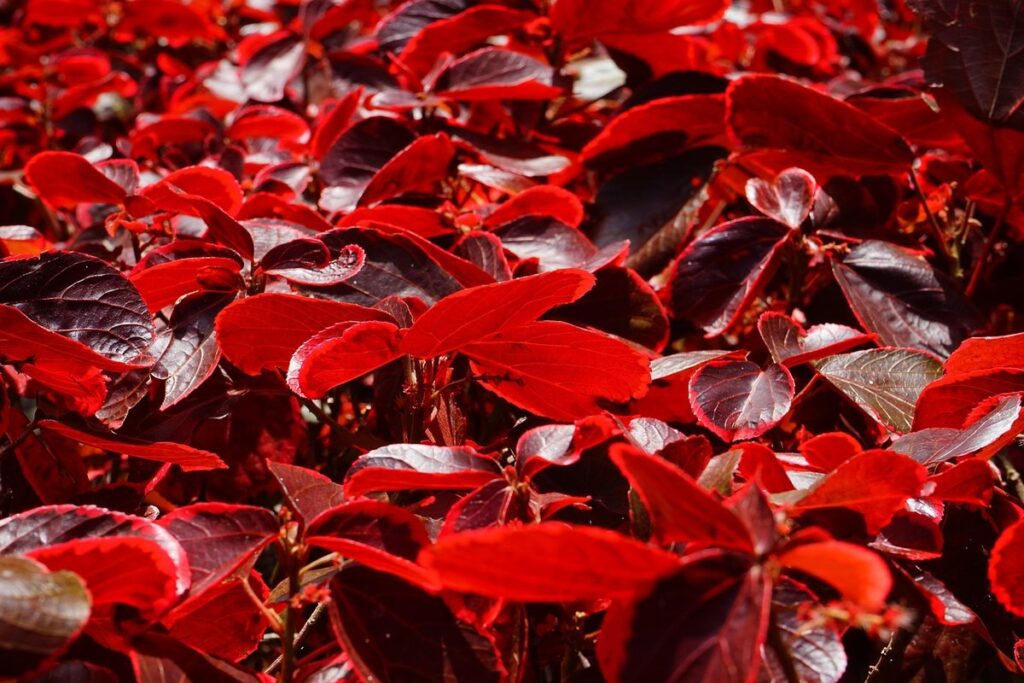
Benefits and Characteristics of Variegated Evergreen Shrubs
Variegated evergreen shrubs bring a touch of elegance to any landscape, offering numerous benefits that make them a popular choice for gardeners. Let’s explore their unique characteristics and advantages in more detail.
Attracting Year-Round Interest with Colorful Foliage
One of the most significant benefits of variegated evergreen shrubs is their ability to provide year-round interest and color. Unlike seasonal plants that bloom briefly and then fade, variegated evergreen shrubs maintain their striking foliage throughout the year, offering a consistent visual appeal in your garden. Their unique leaf patterns and colors can add depth and texture to your outdoor spaces, making them a great choice for gardeners who want to create a low-maintenance yet visually stunning environment.
For instance, consider adding a variegated boxwood (Buxus sempervirens ‘Variegata’) or a gold dust aurora (Hypericum ‘Sunburst’) to your garden. These shrubs feature vibrant yellow and white stripes on their leaves, creating a beautiful contrast against darker foliage and adding a touch of warmth to your outdoor space. To maximize the impact of variegated evergreen shrubs in your garden, choose varieties that complement each other’s leaf colors and patterns, and consider incorporating them into mixed borders or container gardens.
Understanding Leaf Patterns and Colors
Variegated evergreen shrubs showcase an array of striking leaf patterns and colors that add visual interest to gardens and landscapes. One common pattern is striping, where leaves are divided into distinct sections by bands of color. For instance, the ‘Gold Rush’ holly (Ilex x altaclerensis ‘Golden’) boasts golden stripes on deep green foliage.
Another characteristic found in variegated evergreen shrubs is spotting or flecking. This pattern is characterized by small dots or patches of color scattered across the leaves. The ‘Moosewood’ rhododendron (Rhododendron ‘Moosewood’), for example, features purple spots on deep green foliage.
Some varieties exhibit mottling, where shades of color blend together in a marbled effect. This adds depth and visual interest to the overall appearance of the plant. Take the ‘Silver King’ arborvitae (Thuja occidentalis ‘Silver King’) as an example, which boasts silvery-gray foliage with darker green undertones.
The combination of these patterns and colors contributes significantly to the visual appeal of variegated evergreen shrubs, making them highly sought after for garden designs.
Choosing the Right Variegated Evergreen Shrubs for Your Garden
When selecting variegated evergreen shrubs, it’s essential to consider factors such as sunlight, soil type, and desired growth habits to ensure a successful garden. Let’s explore these key considerations together!
Factors to Consider When Selecting a Plant
When selecting a variegated evergreen shrub for your garden, several key factors come into play. First and foremost, consider your local climate. Variegated evergreen shrubs can thrive in a range of conditions, but some are more tolerant of heat or cold than others. For example, if you live in an area with scorching summers, look for species like the Plectranthus australis, which is known to withstand high temperatures.
Another crucial factor is soil type. Variegated evergreen shrubs can grow well in various soil types, but some prefer acidic or alkaline conditions. For instance, if your garden has heavy clay or sandy soil, choose a species that’s adapted to these conditions, such as the Rhododendron ‘PJM’, which tolerates a range of soils.
Maintenance requirements are also essential to consider. Some variegated evergreen shrubs require regular pruning, while others can be left to grow naturally. For example, the Hellebores species need minimal maintenance and can thrive in shaded areas with little care.
When making your selection, it’s also worth considering how much sunlight your garden receives and whether you have any nearby water sources that could impact soil moisture levels.
Popular Varieties of Variegated Evergreen Shrubs
When it comes to selecting variegated evergreen shrubs for your garden, there are numerous popular varieties to choose from. Let’s explore some of the most suitable options for different garden types and climates.
For example, the ‘Argenteovariegata’ boxwood is an excellent choice for formal gardens or topiaries. It has a compact growth habit, reaching a mature size of around 2-3 feet tall and wide, making it perfect for small spaces. This shrub requires regular pruning to maintain its shape and prefers well-draining soil in partial shade.
The ‘Lemon Lime’ hebe is ideal for coastal gardens or areas with high winds. It has a robust growth habit, growing up to 6-8 feet tall and wide, and can tolerate salt spray and dry conditions. To keep this shrub thriving, water it regularly but make sure the soil drains well.
The ‘Silver Edge’ laurel is perfect for hedges or borders in warmer climates. It grows rapidly, reaching a mature size of around 10-15 feet tall and wide, and requires regular watering and fertilization to maintain its variegated leaves.
These shrubs are just a few examples of the many varieties available. When selecting variegated evergreen shrubs for your garden, consider factors such as growth habit, mature size, and care requirements to ensure they thrive in their new environment.
Planting and Care Instructions
To ensure your new evergreen shrub thrives, start by following these essential planting and care instructions to guarantee a healthy and beautiful addition to your garden.
Preparing the Soil and Planting Site
When bringing home your new variegated evergreen shrub, it’s essential to prepare the soil and planting site properly. This will give your plant the best chance to thrive and showcase its beautiful variegated leaves.
First, take a moment to assess the soil pH of your planting site. Most evergreen shrubs prefer slightly acidic to neutral soil (pH 6.0-7.0). If your soil is too alkaline or acidic, amend it with organic matter like compost or peat moss before planting. This will help maintain optimal nutrient availability and ensure healthy growth.
Proper drainage is also crucial for the health of your variegated evergreen shrub. Make sure the planting site slopes slightly to allow excess water to drain away from the roots. Avoid low-lying areas where water may collect and cause root rot. Finally, choose a spot that receives sufficient sunlight – most variegated evergreen shrubs prefer full sun to partial shade.
When planting your new shrub, dig a hole twice as wide and just as deep as the plant’s root ball. Add organic matter like compost or well-rotted manure to improve soil fertility and structure. Gently place the plant in its new home, firming the soil around it to secure roots in place. Water thoroughly after planting and keep the soil consistently moist during its first year of growth.
Watering and Fertilization Requirements
Watering and fertilization are crucial aspects of variegated evergreen shrub care. Variegated leaves, with their combination of colors, require consistent moisture levels to prevent damage and maintain their vibrant hues. Water these shrubs when the top 1-2 inches of soil feel dry to the touch. This is usually every 7-10 days during spring and summer months, but less frequently in fall and winter.
When it comes to fertilization, use a balanced, water-soluble fertilizer (20-20-20) specifically designed for evergreen shrubs. Apply according to the product’s instructions, usually once a month from late winter to early fall. Alternatively, consider using an organic fertilizer like fish emulsion or compost tea, which promote healthy root development and nutrient uptake.
Be mindful of over-fertilizing, as this can damage variegated leaves and cause discoloration. Also, avoid fertilizing during the hottest part of the day to prevent burning the plant’s roots. Regular monitoring of your shrub’s needs will help you fine-tune its watering and fertilization schedule for optimal growth and color retention.
Maintenance and Pruning Techniques
To keep your variegated evergreen shrubs looking their best, regular maintenance and pruning are essential to promote healthy growth and prevent damage. We’ll cover the key techniques you need to know.
Regular Pruning for Shape and Size Control
Regular pruning is essential for maintaining the shape and size of variegated evergreen shrubs. Not only does it keep your plants looking their best, but it also promotes healthy growth and encourages dense foliage. Pruning helps to remove dead or diseased branches, which can help prevent the spread of disease and pests.
To prune effectively, start by inspecting your plant for any damaged or dying branches. Cut these off at a 45-degree angle using sharp, clean pruning tools. This will help prevent water from collecting on the cut end and reduce the risk of decay.
Regular pruning also helps to maintain the shape of your shrub. Pinch back new growth to encourage bushy development, and remove any stray stems that are growing beyond the desired shape. By pruning regularly, you can keep your variegated evergreen shrubs looking full and lush year-round. For example, you can prune your boxwood or holly plants every 2-3 months during the growing season to maintain their desired shape and size.
By incorporating regular pruning into your maintenance routine, you’ll be rewarded with stunning, healthy-looking variegated evergreen shrubs that add beauty and structure to your garden or landscape.
Tips for Handling Variegated Foliage
When handling variegated foliage during pruning or shaping, it’s essential to be gentle and careful not to damage the leaves. One of the most common mistakes is cutting too close to the leaf margin, which can cause irreparable damage. To avoid this, use a sharp pair of secateurs or pruning shears to make clean cuts just above a growth node.
When working with variegated evergreen shrubs like Heuchera or Hostas, it’s also crucial to identify the direction of new growth. Prune in a way that allows sunlight to reach as much of the foliage as possible. This will encourage healthy growth and prevent the leaves from becoming leggy or discolored.
To maintain the variegated pattern on your shrubs, avoid pruning during the hottest part of the day when the plant is under stress. Instead, prune in the cooler morning hours when the plant is most receptive to maintenance. Always inspect your tools for sharpness and cleanliness before making cuts, as dull blades can crush or tear leaves.
When shaping a variegated evergreen shrub, work gradually, removing only what’s necessary to achieve the desired form. Avoid over-pruning, which can lead to stress and potentially kill the plant.
Integrating Variegated Evergreen Shrubs into Your Garden Design
When it comes to adding visual interest and texture to your garden, variegated evergreen shrubs are a great choice for integration. Learn how to incorporate them seamlessly into your outdoor space.
Creating a Year-Round Display with Seasonal Interest
When incorporating variegated evergreen shrubs into your garden design, one of the most significant benefits is that they offer year-round interest. These plants can add visual appeal to your garden even during the winter months when other foliage may be dormant.
To create a stunning display with seasonal interest, consider grouping variegated evergreen shrubs with different textures and colors. For example, pair a shrub with golden-edged leaves like ‘Golden Glow’ with one featuring silver-veined leaves such as ‘Moonstone’. This will create a visually appealing contrast that is sure to draw attention.
Incorporating these plants into your garden design can be tailored to suit various styles. In a cottage garden, use variegated evergreen shrubs as a hedge or border, and combine them with other flowering perennials like roses and hydrangeas for a lush, informal look. In a modern landscape, consider using variegated evergreen shrubs in a more structured arrangement, paired with sleek hardscapes and minimal ornamentation.
When choosing the right variegated evergreen shrub for your garden, remember to consider factors such as mature size, growth rate, and sunlight requirements to ensure that it thrives.
Combining with Other Plants for Visual Interest
When combining variegated evergreen shrubs with other plants, it’s essential to achieve balance and harmony in your garden design. A well-designed garden should have a mix of textures, colors, and shapes to create visual interest. Start by selecting plants that complement the unique features of your variegated evergreen shrub.
For example, pair a variegated boxwood with a low-maintenance succulent like echeveria or sedum. The contrasting textures and hues will create a visually appealing combination. Alternatively, combine a variegated holly with a bold-colored flower like petunias or impatiens to add a pop of color.
Remember, when combining plants, it’s crucial to consider their mature sizes, growth habits, and maintenance requirements to ensure they work harmoniously together. Balance is key – pair statement pieces with filler plants to create visual interest without overwhelming the space. By thoughtfully selecting complementary plants, you can create a stunning and cohesive garden design that showcases your variegated evergreen shrubs in all their glory.
Consider planting a mix of plants with different growth rates, textures, and foliage colors to add depth and variety to your garden. This will not only create visual interest but also attract beneficial wildlife and pollinators, making your garden a thriving ecosystem.
Troubleshooting Common Issues
You’re likely to encounter some common issues when growing evergreen shrubs with variegated leaves, so let’s troubleshoot together.
Addressing Pests, Diseases, and Environmental Stressors
Variegated evergreen shrubs are known for their striking beauty and ability to add visual interest to landscaping designs. However, like all plants, they can be susceptible to various issues that may impact their health and appearance.
Common pests such as spider mites, mealybugs, and scale insects can infest variegated evergreen shrubs, causing damage to leaves and stems. These tiny creatures feed on sap, weakening the plant’s defenses and potentially spreading disease. To identify pest problems, inspect your plants regularly for signs of fine webbing, sticky substance, or actual pests themselves.
Diseases such as root rot, leaf spot, and rust can also affect variegated evergreen shrubs, often caused by fungal pathogens that thrive in moist environments. Symptoms may include yellowing leaves, black spots, or powdery coatings on foliage. Regular maintenance like pruning, watering wisely, and providing good air circulation can help prevent these issues.
Environmental stressors such as extreme temperatures, drought, or excessive shade can also impact the health of your variegated evergreen shrubs. Monitor temperature fluctuations, ensure plants receive adequate water during dry spells, and consider providing some midday sun for optimal growth.
Solutions for Overwatering and Underwatering
When it comes to caring for evergreen shrubs with variegated leaves, one of the most common mistakes is overwatering or underwatering. These issues can be detrimental to the health and appearance of your plant, causing damage that’s hard to reverse.
Signs of overwatering include yellowing or browning leaves, soft and mushy stems, and a generally waterlogged look. On the other hand, underwatering causes dry, wilted leaves and sometimes even leaf drop. To prevent these issues, make sure you’re checking the soil moisture regularly by inserting your finger into the soil up to the first knuckle.
If you do end up overwatering or underwatering your variegated evergreen shrub, there are solutions. To correct overwatering, stop watering immediately and repot the plant in a well-draining mix. For underwatering, gradually increase watering over time while ensuring good drainage. Monitor your plant’s response closely to adjust as needed.
A good rule of thumb is to water your variegated evergreen shrub when the top 1-2 inches of soil feels dry to the touch. With proper care and attention, you’ll enjoy vibrant, healthy leaves that add beauty to any landscape or indoor space.
Frequently Asked Questions
How do I choose the right variegated evergreen shrub for my garden’s specific climate?
When selecting a variegated evergreen shrub, consider factors like temperature tolerance, moisture requirements, and sunlight exposure to ensure it thrives in your local climate. Research the plant’s native range and consult with local nurseries or gardening experts to make an informed decision.
Can I use variegated evergreen shrubs as a hedge or topiary?
Yes! Variegated evergreen shrubs can be trained into hedges, topiaries, or other ornamental forms. Prune them regularly to maintain the desired shape and size. Keep in mind that some varieties may require more frequent pruning than others.
How do I protect my variegated evergreen shrub from pests and diseases?
Regularly inspect your plants for signs of pests or disease, and take action promptly if you notice any issues. Use organic or integrated pest management (IPM) techniques to minimize harm to the environment and your plant. Consider applying a fungicide or insecticidal soap as needed.
Can I propagate variegated evergreen shrubs from cuttings?
Yes! Variegated evergreen shrubs can be propagated through stem or leaf cuttings, but this method may not guarantee the retention of variegation in the new plants. For best results, use high-quality cuttings from mature stems and provide optimal growing conditions.
How do I maintain my variegated evergreen shrub’s color intensity during extreme weather conditions?
To preserve the vibrant colors of your variegated evergreen shrubs, ensure they receive sufficient light and water. During periods of intense sunlight or heat, consider providing some afternoon shade to prevent scorching. Water regularly, but avoid overwatering, which can lead to faded foliage.