
Are you looking to add some vibrancy to your garden while keeping its charm year-round? Evergreen shrubs that produce stunning blue flowers are perfect for achieving this balance. These plants not only provide beautiful blooms but also maintain their foliage throughout the seasons, making them a great choice for gardens with varying climates. From the delicate purple hues of lavender to the showy blue clusters of hydrangea and the fragrant spikes of rosemary, there’s an evergreen shrub with blue flowers to suit every taste and space. In this article, we’ll explore some of the best options for incorporating these stunning plants into your garden design and provide tips on how to choose and care for them. Whether you’re a seasoned gardener or just starting out, read on to discover the perfect evergreen shrubs with blue flowers for your outdoor oasis.
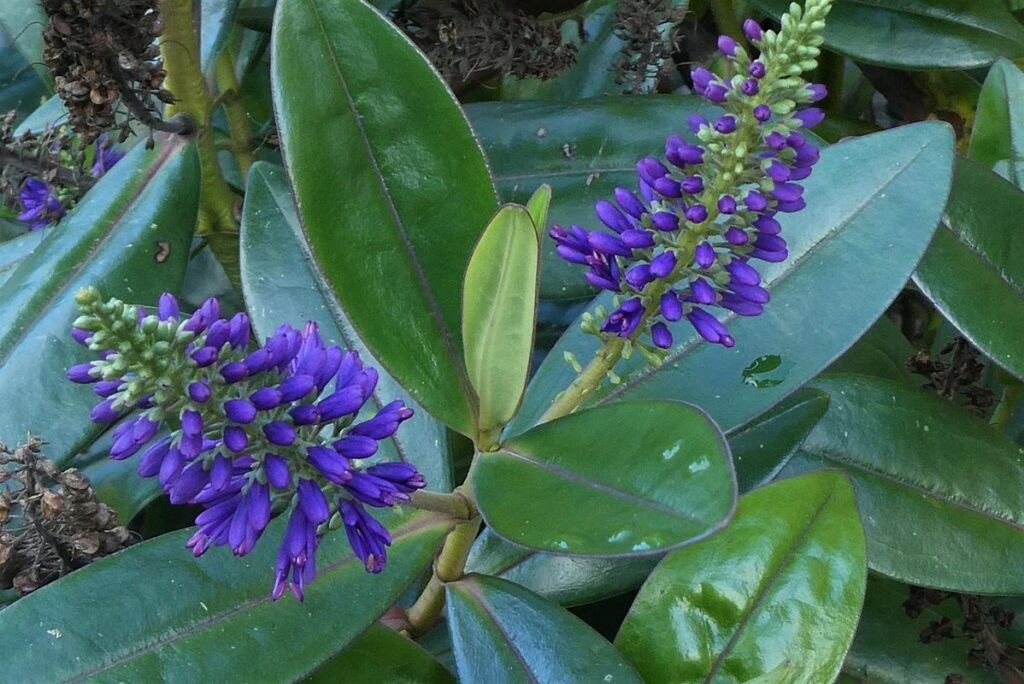
Choosing the Right Evergreen Shrub for Your Garden
When selecting a beautiful evergreen shrub for your garden, there are several factors to consider, including climate, soil type, and personal style preferences. This section will walk you through these key considerations.
Considerations Before Selecting a Plant
Before you start browsing through the various options for evergreen shrubs with blue flowers, there are several key considerations to keep in mind. The first factor is climate – not all evergreen shrubs are tolerant of extreme temperatures or humidity levels. For example, if you live in a hot and dry region, choose a plant that’s adapted to these conditions. On the other hand, if you reside in an area with cool winters, opt for a shrub that can withstand frost.
Another crucial consideration is soil type – different evergreen shrubs prefer varying pH levels and soil composition. Some plants thrive in acidic soils, while others require alkaline conditions. If your garden’s soil isn’t conducive to the growth of your desired plant, don’t worry! There are many options available that can tolerate a range of soil types.
Finally, think about how much maintenance you’re willing to commit to – some evergreen shrubs require regular pruning and fertilizing, while others are more low-maintenance. Consider how much time you have for upkeep when selecting the perfect blue-flowering evergreen shrub for your garden.
Popular Types of Evergreen Shrubs with Blue Flowers
When it comes to adding a pop of color and fragrance to your garden, evergreen shrubs with blue flowers are an excellent choice. Among these, there are several popular varieties that are not only stunning but also relatively low-maintenance.
Lavender is one such example – its delicate purple-blue blooms are not only a delight to the eyes but also a haven for pollinators. Not only do they come in various sizes, from compact ‘Hidcote’ to taller ‘Grosso’, but they’re also incredibly versatile and can thrive in poor soil conditions.
Rosemary is another popular evergreen shrub with blue flowers that’s perfect for Mediterranean-style gardens. Its needle-like foliage releases a fragrant aroma when touched, while its small blue flowers attract bees and butterflies alike. However, it does require more care than lavender and can be sensitive to frost.
Hydrangea is perhaps one of the most popular evergreen shrubs with blue flowers – ‘Nikko Blue’ being a standout cultivar with stunning blue blooms that turn pink in acidic soil conditions. It requires regular watering and fertilization but offers a spectacular display of flowers from mid-summer to autumn.
These are just a few examples of popular evergreen shrubs with blue flowers, each with its unique characteristics and needs.
Lavender: A Low-Maintenance Evergreen Option
If you’re looking for a low-fuss option that still packs a punch, lavender is an evergreen shrub worth considering. With its calming scent and delicate blue blooms, it’s perfect for adding some serenity to your garden.
Benefits of Growing Lavender in Your Garden
Growing lavender in your garden can be an incredibly rewarding experience. Not only does it provide a stunning display of blue flowers, but it also offers numerous benefits that make it a low-maintenance evergreen option perfect for any garden.
One of the most significant advantages of growing lavender is its exceptional drought tolerance. This means that you won’t need to worry about frequent watering sessions or investing in expensive irrigation systems. In fact, overwatering can be detrimental to lavender plants, so it’s best to stick with a once-a-week watering schedule during hot summer months.
The fragrant flowers of the lavender plant are another major draw for gardeners. These delicate blooms release a soothing aroma that not only attracts pollinators but also creates a calming ambiance in your outdoor space. Plus, their attractive foliage provides year-round interest and texture to your garden.
To get the most out of your lavender plants, be sure to choose varieties with compact growth habits or prune them regularly to maintain a manageable size.
Tips for Planting and Caring for Lavender Shrubs
When it comes to planting and caring for lavender shrubs, there are a few key things to keep in mind. First, choose a location with full sun and well-draining soil. Lavender is highly susceptible to root rot if the soil is too moist, so make sure the area drains quickly.
In terms of pruning, lavender requires regular maintenance to encourage new growth and prevent woody stems from forming. Cut back the entire shrub by about one-third in the spring, and then again in the summer after it finishes blooming. This will help keep the plant looking its best and promote healthy growth.
Some common pests that can affect lavender include aphids, whiteflies, and spider mites. Regularly inspect your plants for signs of infestation, such as yellowing leaves or sticky sap. If you do notice any issues, treat the affected areas with insecticidal soap or neem oil according to the product’s instructions.
To prevent root rot, make sure not to overwater your lavender shrubs. Water them only when the top inch of soil feels dry to the touch, and avoid getting water on the leaves to minimize the risk of fungal diseases. With proper care, your lavender shrub should thrive and provide beautiful blue flowers for years to come.
Hydrangea: A Versatile Evergreen Shrub with Blue Flowers
Hydrangeas are a popular choice for gardeners looking to add some blue blooms and year-round greenery to their outdoor space, but there’s more to them than meets the eye. Let’s dive into what makes these shrubs so versatile.
Types of Hydrangea and Their Growing Requirements
When it comes to choosing the perfect hydrangea for your garden, understanding the different types and their growing requirements is essential. There are three main types of hydrangeas: bigleaf, panicle, and smooth hydrangea.
Bigleaf hydrangeas (Hydrangea macrophylla) produce stunning blue flowers in acidic soils with a pH between 6.0 and 6.5. They prefer partial shade to full sun and well-drained soil rich in organic matter. To encourage blue blooms, add aluminum sulfate to the soil or use acid-loving fertilizers.
Panicle hydrangeas (Hydrangea paniculata), on the other hand, are more adaptable to different soils and growing conditions. They thrive in full sun to partial shade with regular watering and a slightly acidic pH between 6.0 and 7.0. Smooth hydrangeas (Hydrangea arborescens) produce white or pink flowers that can turn blue in acidic soils, requiring similar growing conditions to bigleaf hydrangeas.
When selecting a hydrangea, consider the specific needs of your garden and choose a type that suits your climate and soil conditions. Make sure to plant in a location with good air circulation to prevent disease and enjoy those beautiful blue flowers all season long!
Tips for Encouraging Blue Flowers on Your Hydrangea
If you’re eager to coax blue flowers out of your hydrangea, it’s essential to understand that this shrub is actually a master of adapting to its environment. The color of the blooms is influenced by two key factors: soil pH and nutrient availability. To encourage blue flowers, aim for an acidic soil pH between 6.0 and 7.0. If your hydrangea is planted in alkaline soil, consider adding elemental sulfur or aluminum sulfate to lower the pH.
When it comes to watering, make sure not to overwater your hydrangea – this can lead to weak flowers that aren’t blue at all! Instead, aim for about an inch of water per week. Mulch around the base will also help retain moisture and suppress weeds.
As for pruning, avoid removing more than one-third of the plant’s stems in a single season. Cut back new growth by about one-third in late winter or early spring to promote healthy flower production.
Rosemary: A Fragrant Evergreen Shrub with Blue Flowers
Let’s take a closer look at one of our favorite evergreen shrubs, rosemary, which boasts beautiful blue flowers and has been prized for its fragrance and versatility in cooking for centuries.
Growing Conditions for Rosemary Shrubs
To grow a thriving rosemary shrub, you’ll need to provide it with the right conditions. This fragrant evergreen is relatively easy-going but has specific needs when it comes to sunlight, temperature, and soil.
When it comes to sunlight, rosemary loves bright light and can even tolerate some direct sun. However, be cautious not to overdo it – too much intense sunlight can cause scorching or drying out of the leaves. Aim for at least 4-6 hours of direct sunlight per day, or filter the sun with a sheer curtain if necessary.
Temperature-wise, rosemary is hardy in zones 7-9 and does best in temperatures between 65°F to 75°F (18°C to 24°C). Avoid exposing it to extreme temperatures below 32°F (0°C) for extended periods. Soil requirements are also crucial – choose a well-draining potting mix or soil with a slightly acidic pH, ideally between 6.0 and 7.0.
Keep in mind that rosemary shrubs prefer dry soil but will require more frequent watering during the active growth phase from spring to fall. Water your plant thoroughly when the top inch of soil feels dry to the touch, and avoid getting water on the leaves to prevent fungal diseases.
Using Rosemary in Your Garden Design
When it comes to incorporating rosemary into your garden design, the possibilities are endless. This fragrant evergreen shrub is not only a stunning addition to your outdoor space but also a practical one. One of the most popular ways to use rosemary is as a hedge or border plant. Its compact growth habit and dense foliage make it an ideal choice for defining boundaries and adding structure to your garden.
To create a beautiful rosemary hedge, plant several specimens about 12-18 inches apart and trim them regularly to maintain shape. You can also use individual plants to fill gaps between other shrubs or flowers in your border. Alternatively, grow rosemary in containers to add a pop of blue flowers and fragrance to small spaces like patios or balconies.
Rosemary is also an excellent choice for container gardens, where it can thrive in well-draining soil and full sun. To keep it looking its best, remember to prune regularly, as this will encourage new growth and prevent the plant from becoming leggy.
Other Evergreen Shrubs with Blue Flowers
Let’s take a closer look at some other evergreen shrubs that boast gorgeous blue flowers, adding variety to your garden’s beauty. From compact favorites to show-stopping statement pieces.
Comparison of Different Plant Options
When it comes to choosing the perfect evergreen shrub with blue flowers for your garden, there are several options available. Let’s take a closer look at some popular varieties and their characteristics.
One of the most versatile options is the Blue Holly (Ilex x ‘Blue Prince’). This shrub grows up to 10 feet tall and has glossy leaves that retain their color year-round. It produces vibrant blue berries in the winter, making it a great choice for hedges or borders. However, it requires regular pruning to maintain its shape and promote healthy growth.
Another popular option is the Blue Mondo (Lophomyrtus x rattenburi). This shrub grows up to 6 feet tall and has large, ovate leaves with attractive white veins. It produces blue flowers in late spring and tolerates a range of soils, making it perfect for gardeners with limited space. However, it may require more frequent watering during hot summer months.
Lastly, consider the Blue Lavender (Lavandula x intermedia). This shrub grows up to 3 feet tall and has silvery-green leaves that release a calming fragrance when touched. It produces small blue flowers in mid-summer and requires minimal maintenance, but it may require regular pruning to control its size.
Ultimately, the best evergreen shrub with blue flowers for your garden will depend on your specific needs and preferences. Consider factors such as growth habits, maintenance requirements, and the level of care you can provide before making a decision.
Incorporating Other Plants into Your Garden Design
When designing a garden featuring evergreen shrubs with blue flowers, it’s natural to consider incorporating other plants that complement their beauty. Perennials and annuals are great options to add depth and visual interest to your garden.
Perennials such as coneflowers, salvia, and lavender pair well with evergreen shrubs like boxwood and holly. These perennials not only provide a pop of color but also attract pollinators like bees and butterflies. For example, a combination of blue-flowering hydrangea and pink coneflower creates a stunning contrast.
Annuals like petunias and geraniums can add a burst of color to your garden without committing to long-term care. They thrive in well-draining soil and full sun, making them perfect for containers or hanging baskets. Consider pairing blue-flowering shrubs with warm-hued annuals to create a visually appealing contrast.
When combining other plants with evergreen shrubs, remember to consider their growing conditions, mature size, and maintenance requirements. This will ensure that your garden remains harmonious and thriving throughout the seasons.
Frequently Asked Questions
How Do I Determine the Best Evergreen Shrub for My Specific Climate?
When selecting an evergreen shrub with blue flowers, it’s essential to consider your local climate. Check the plant’s temperature and humidity tolerance to ensure it thrives in your area. You can also consult with a local nursery or gardening expert for more specific advice.
Can I Use Evergreen Shrubs with Blue Flowers as a Hedge or Screen?
Yes! Many evergreen shrubs with blue flowers make excellent hedges or screens due to their dense foliage and compact growth habit. Consider using lavender, rosemary, or hydrangea varieties that are specifically bred for hedging purposes.
How Do I Encourage More Blooms on My Evergreen Shrubs?
To encourage more blooms on your evergreen shrubs, ensure they receive the right amount of sunlight, water, and nutrients. Prune your plants regularly to maintain their shape and promote healthy growth. For specific tips on encouraging blue flowers on hydrangea or lavender, refer to our articles on those topics.
Can I Grow Evergreen Shrubs with Blue Flowers in Containers?
Yes! Many evergreen shrubs can thrive in containers, provided they receive adequate drainage and care. When growing in pots, use a well-draining potting mix and choose a container that’s at least 12-18 inches deep to accommodate the plant’s root system.
How Do I Protect My Evergreen Shrubs from Extreme Weather Conditions?
To protect your evergreen shrubs from extreme weather conditions, consider using mulch or other forms of protection around the base of the plants. You can also prune damaged branches and provide support for trees or shrubs that may be vulnerable to wind damage. Regularly inspect your plants after severe weather events to assess any potential damage.