
If you’re looking to add some year-round color and texture to your shaded landscape, you’re in luck. Evergreen shrubs are perfect for bringing life to areas that would otherwise be hidden from the sun’s warm rays. Not only do they provide a constant pop of color, but they also offer versatility when it comes to design integration. Whether you’re a seasoned gardener or just starting out, selecting and caring for evergreen shrubs in shade can seem daunting. In this article, we’ll guide you through expert tips on choosing the right variety, proper care techniques, and innovative ways to incorporate these beautiful plants into your landscape design. By the end of it, you’ll be well-equipped to create a thriving and visually appealing shaded space with evergreen shrubs that shine all year round.
Benefits and Uses of Evergreen Shrubs in Shaded Areas
When it comes to shaded areas, evergreen shrubs can add depth and beauty without requiring direct sunlight. In this section, we’ll explore their many benefits and uses.
Creating Year-Round Color and Texture
One of the most significant advantages of incorporating evergreen shrubs into shaded areas is their ability to add color and texture throughout the year. Unlike deciduous shrubs that shed leaves seasonally, evergreens maintain their foliage regardless of the weather. This means you can enjoy a constant visual interest in your yard, even during the coldest winter months or the hottest summer days.
To create year-round color and texture with evergreen shrubs, choose varieties that offer contrasting leaf shapes, sizes, and colors. For example, combine large-leaved shrubs like rhododendrons or holly with smaller-leaved ones like boxwood or juniper. This mix of textures creates a visually appealing landscape that remains engaging even when other plants are dormant.
Some popular evergreen shrub options for shaded areas include:
• Japanese spuce ( Taxus cuspidata) for its dark green, scale-like foliage
• English ivy (Hedera helix) for its bright green leaves and ability to cascade down walls or trellises
• Dwarf arborvitae (Thuja occidentalis ‘Smaragd’) for its compact growth habit and emerald-green needles
By thoughtfully selecting and combining evergreen shrubs, you can create a shaded area that remains vibrant and interesting all year round.
Designing with Evergreen Shrubs in Mind
When designing gardens or landscapes, it’s essential to consider evergreen shrubs as they provide year-round structure and interest, especially in shaded areas. These shrubs come in a variety of shapes, sizes, and textures, making them versatile options for adding depth and dimension to any space.
To get the most out of your evergreen shrubs, start by selecting plants that fit your specific climate, soil type, and desired level of maintenance. For example, if you live in an area with poor soil, opt for shrubs like boxwood or holly, which are adaptable to various conditions. Consider the mature size of each plant and leave enough space for proper growth, usually 2-3 times its expected width.
Incorporating evergreen shrubs into your design plan can be as simple as adding a few strategically placed plants around water features or as complex as creating a topiary feature with multiple shrubs. Regardless, remember to balance their year-round greenery with seasonal interest from other plants to create visually appealing and dynamic landscapes.
Choosing the Right Evergreen Shrubs for Shade
When selecting evergreen shrubs for shade, it’s essential to consider factors such as light levels and space constraints. This section will guide you through choosing the perfect shrub for your shaded area.
Considering Climate and Soil Conditions
When selecting evergreen shrubs for shade, it’s essential to consider the specific climate and soil conditions of your area. This will ensure that your chosen plants thrive and require minimal maintenance.
To determine which evergreen shrubs are best suited for your region, start by examining the USDA Hardiness Zone Map. This map divides the country into zones based on average annual extreme minimum temperature. If you live in a cooler zone (3-5), opt for shrubs like Rhododendron or Pieris that prefer partial shade and moist soil.
In warmer climates (8-10), choose heat-tolerant varieties such as Holly or Boxwood, which can handle full sun to partial shade conditions. Be sure to also consider your local rainfall patterns, as some shrubs may require more frequent watering in areas with low precipitation.
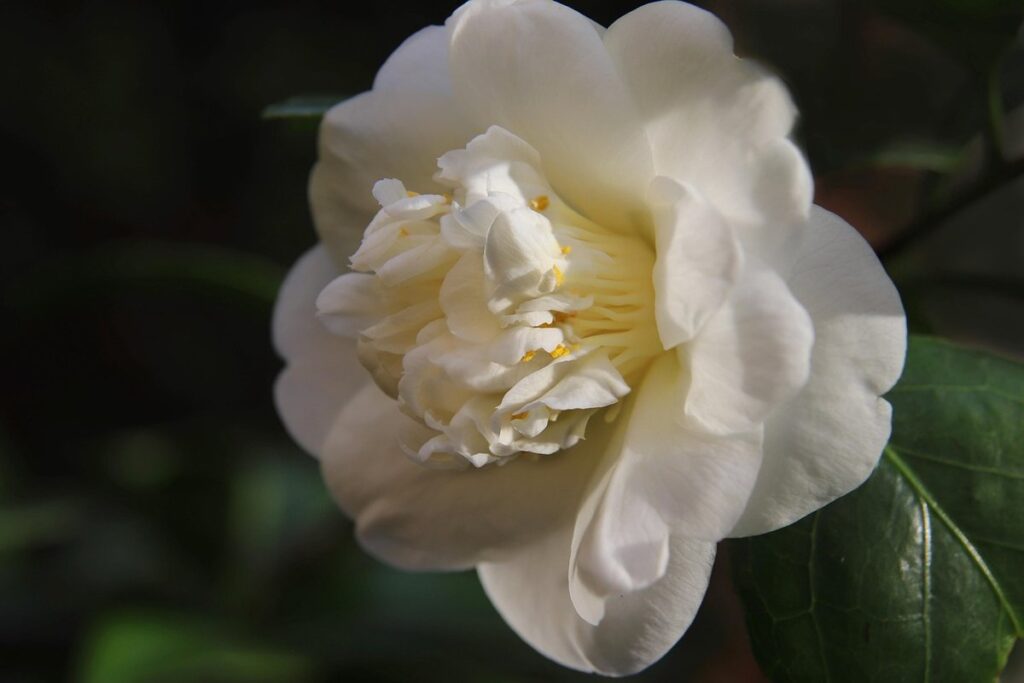
When evaluating soil conditions, keep an eye out for pH levels and drainage. If you have alkaline or acidic soils, select shrubs that are tolerant of these conditions. For example, Camellia prefers slightly acidic to neutral soils, while Juniper can thrive in a range of soil types.
By taking into account your climate and soil conditions, you’ll be able to choose the perfect evergreen shrubs for shade that will bring beauty and life to your outdoor space.
Popular Evergreen Shrub Species for Shade
When it comes to finding the perfect evergreen shrub species for shaded areas, there are several popular options to consider. One of these is the Japanese Holly (Ilex x aquipilosa), a compact shrub that grows up to 6-8 feet tall and 4-6 feet wide. Its dense foliage provides year-round interest, and it’s relatively low-maintenance.
Another great option is the Boxwood (Buxus sempervirens), which can grow quite large – up to 12-15 feet tall and 10-15 feet wide. However, there are dwarf varieties that remain smaller in size, making them perfect for hedges or topiaries. Boxwood requires regular pruning to maintain its shape and promote healthy growth.
The Rhododendron (Rhododendron spp.) is also a popular choice for shaded areas, with many varieties available that thrive in partial shade. They produce beautiful flowers in shades of pink, purple, and white, and can grow up to 10-15 feet tall and wide.
When selecting evergreen shrubs for shaded areas, be sure to consider their mature size and growth habits to ensure they fit well within your landscape design.
Planting and Care Tips for Evergreen Shrubs in Shade
When it comes to growing evergreen shrubs in shade, proper planting and care techniques are crucial to their success. In this next section, we’ll cover the essential tips you need to know.
Preparing the Soil for Optimal Growth
When planting evergreen shrubs in shade, it’s essential to prepare the soil for optimal growth. This involves considering the pH level and nutrient content of your soil. Most evergreen shrubs prefer slightly acidic to neutral soil pH (around 6.0-7.0). If your soil is too alkaline or acidic, you may need to add amendments such as peat moss or lime.
Before planting, test your soil’s pH and nutrient levels using a DIY kit or consulting with a local nursery expert. Based on the results, make adjustments accordingly. For instance, if your soil lacks essential nutrients like magnesium or potassium, incorporate organic matter like compost or well-rotted manure to enrich it.
Avoid over-tilling the soil, as this can damage its structure and hinder root growth. Instead, gently loosen the top 6-8 inches of soil with a fork before planting. This will ensure your evergreen shrubs have an optimal growing environment from the start. By taking these steps, you’ll set your plants up for success in shaded areas and enjoy their lush foliage year-round.
Watering and Fertilization Needs
When it comes to watering and fertilizing evergreen shrubs growing in shade, it’s essential to understand their unique needs. Evergreen shrubs growing in shaded areas tend to require less water than those in full sun due to the reduced transpiration rate. However, this doesn’t mean you can skip watering altogether.
A good rule of thumb is to check the soil moisture by inserting your finger into the soil up to the first knuckle. If the soil feels dry, it’s time to water. Watering frequency will depend on factors such as climate, soil type, and shrub species. As a general guideline, aim to water every 7-10 days during spring and fall when temperatures are mild.
When it comes to fertilization, evergreen shrubs in shade require a balanced fertilizer that provides essential nutrients without promoting excessive growth. Look for a slow-release fertilizer (e.g., 10-10-10 N-P-K) and follow the manufacturer’s instructions for application rates. It’s also crucial to fertilize at the right time – typically during the growing season, which is spring or early summer.
Common Challenges with Evergreen Shrubs in Shade
While evergreen shrubs can thrive in shade, many gardeners encounter problems when choosing and caring for these plants. Let’s discuss some common challenges you may face.
Dealing with Pests and Diseases
When growing evergreen shrubs in shade, it’s not uncommon to encounter pests and diseases that can cause significant damage. Some common pests to watch out for include spider mites, mealybugs, and scale insects, which thrive in low-light conditions. These tiny creatures feed on the sap of your shrubs, weakening them over time.
Diseases such as root rot, leaf spot, and powdery mildew can also affect evergreen shrubs growing in shade. Root rot is caused by excessive moisture and poor drainage, leading to a foul odor and softening of the stems. Leaf spot and powdery mildew are both fungal diseases that thrive in humid environments.
To prevent pests and diseases from taking hold, maintain good hygiene around your plants. Regularly inspect your shrubs for signs of infestation or disease, and take action promptly if you notice any issues. Practice integrated pest management (IPM) techniques, such as introducing beneficial insects or using physical barriers to control pest populations. For fungal diseases, ensure proper air circulation and avoid overwatering.
Overgrowth and Pruning Needs
One of the most common challenges with evergreen shrubs in shade is overgrowth. To maintain their shape and promote healthy growth, regular pruning is essential. Pruning not only helps control size but also encourages new growth and prevents disease.
To prune effectively, it’s crucial to understand that different types of evergreen shrubs have unique requirements. For instance, coniferous shrubs like arborvitae can be pruned at any time, while flowering shrubs like rhododendrons should be pruned immediately after blooming.
When pruning, remove no more than one-third of the branch length to avoid stressing the plant. Make clean cuts just above a bud or leaf node, and always cut on an angle to prevent water from collecting on the cut surface.
Pruning also helps maintain air circulation around the shrub, reducing the risk of disease. Regularly inspect your evergreen shrubs for dead or diseased branches and remove them promptly. By following these simple pruning tips, you can keep your shade-loving evergreen shrubs healthy and thriving throughout the year.
Integration with Other Garden Elements
When it comes to creating a harmonious and visually appealing shade garden, integrating your evergreen shrubs with other elements is crucial. Let’s explore how to beautifully blend these plants with hardscapes, water features, and more.
Complementing Perennials and Annuals
When it comes to creating a stunning shade garden, combining evergreen shrubs with perennials and annuals is key. This harmonious blend not only adds visual interest but also provides year-round structure and beauty. To achieve this, choose evergreen shrubs that complement the flowering periods of your perennials and annuals.
For instance, pair low-maintenance shrubs like Boxwood or Holly with blooming perennials like Hostas or Astilbe, which thrive in shade. This combination creates a lush, layered look without overwhelming the space. Meanwhile, use annuals like impatiens or coleus to inject pops of color and vibrancy into your design.
When selecting perennials and annuals, consider their growth habits, sun requirements, and bloom times to ensure they harmonize with your evergreen shrubs. Remember, the goal is balance – not to compete for attention but to enhance each other’s beauty. By thoughtfully integrating these elements, you’ll create a cohesive and visually appealing shade garden that blooms all year round.
Creating a Winter Wonderland Effect
As winter sets in and other plants go dormant, evergreen shrubs shine as a vibrant and welcoming presence in your garden. Creating a winter wonderland effect is easier than you think with the right combination of plants, design, and attention to detail. To start, consider grouping your evergreen shrubs in clusters or focal points to create visual interest. For example, pair a large boxwood topiary with several smaller spruce or pine shrubs for a beautiful contrast.
When incorporating evergreen shrubs into your landscape design, think about scale and texture. Mixing different shapes, sizes, and foliage types creates depth and visual appeal. Don’t be afraid to experiment with layers – layering smaller shrubs in front of larger ones can create a sense of movement and energy. To maximize the winter wonderland effect, choose evergreen shrubs with year-round interest, such as those with colorful bark, berries, or flowers.
Incorporating other garden elements like lighting, pathways, and ornaments can also elevate your winter landscape design. Strategically placed lights can highlight specific features, while a meandering pathway made of natural stone invites exploration. By combining these elements with evergreen shrubs, you’ll create an inviting and enchanting winter wonderland that will keep your garden looking fresh all year round.
Frequently Asked Questions
Can I mix evergreen shrubs with deciduous trees in the same shaded area?
Yes, you can create a beautiful and diverse landscape by combining evergreen shrubs with deciduous trees in the same shaded area. Just make sure to choose varieties that have similar growing conditions and space requirements to ensure they thrive together.
How often should I prune my evergreen shrubs in shade, especially during the winter months?
Prune your evergreen shrubs in shade every 1-2 years, depending on their growth rate and desired shape. Winter pruning can be beneficial for shaping and maintaining the overall health of the plant, but avoid heavy pruning during this time as it may stress the plant.
Are there any specific climate and soil conditions that I should consider when selecting evergreen shrubs for shade?
Yes, climate and soil conditions play a significant role in choosing the right evergreen shrubs for your shaded area. Consider factors like temperature tolerance, humidity levels, and pH requirements of the specific variety you’re interested in. This will ensure optimal growth and minimize potential problems.
Can I use evergreen shrubs as a hedge or screen in a shaded area?
Yes, many evergreen shrub species can be used as hedges or screens in shaded areas due to their dense foliage and ability to maintain shape with regular pruning. Some popular options for hedges include Boxwood, Holly, and Privet.
How do I prevent overgrowth and maintain the desired shape of my evergreen shrubs in shade?
To prevent overgrowth and maintain the desired shape of your evergreen shrubs, prune them regularly, ideally during their dormant season (winter or early spring). Remove any dead or damaged branches and trim back new growth to control size. Regular pruning will help keep your evergreen shrubs looking their best while maintaining a healthy balance between growth and shape.