
Are you looking to add some curb appeal to your home without sacrificing on environmental benefits? Evergreen shrubs are an excellent choice, providing year-round structure and beauty to your front yard. Not only do they enhance the aesthetic value of your property, but they also offer numerous ecological advantages, from reducing soil erosion to creating habitats for local wildlife.
In this article, we’ll explore the best evergreen shrubs for your front yard, considering factors like climate, space constraints, and maintenance requirements. We’ll cover how to select the perfect plant for your needs, provide step-by-step guidance on planting and caring for these stunning plants, and offer tips on integrating them into your landscape design. Whether you’re a seasoned gardener or just starting out, this guide will help you boost your home’s appeal while doing good for the planet.
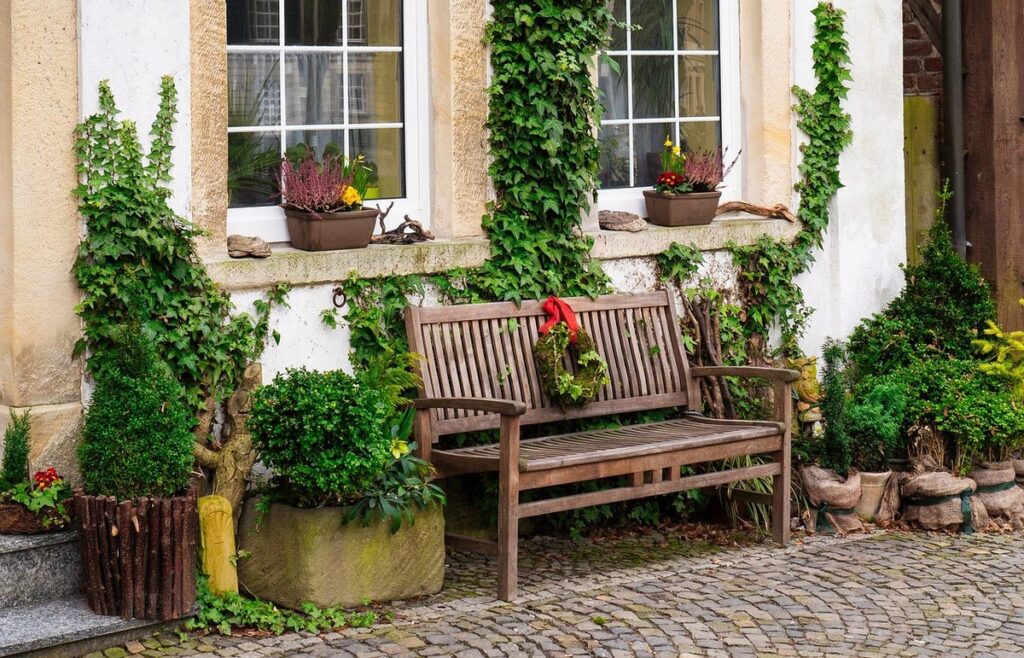
Choosing the Right Evergreen Shrubs
When selecting evergreen shrubs for your home’s front, choosing the right type is crucial to maintain a beautiful and consistent look year-round. Let’s explore some factors to consider when making this important decision.
Factors to Consider Before Selection
Before selecting evergreen shrubs for the front of your house, there are several key factors to consider. Climate is a crucial consideration, as some evergreen shrubs thrive in hot and dry conditions, while others prefer cooler and more humid environments. For example, if you live in a region with harsh winters, choose shrubs that can tolerate frost and cold temperatures.
Soil type is also an essential factor to consider. Different evergreen shrubs have varying soil requirements, so it’s essential to choose a variety that thrives in your yard’s specific soil conditions. If you have acidic or alkaline soil, select a shrub that tolerates those conditions.
Lastly, available space is another critical consideration. Make sure to choose a shrub that fits within the designated area and allows for proper growth and maintenance. Consider factors such as mature size, pruning requirements, and sunlight needs when selecting the perfect evergreen shrub for your home’s front facade. By considering these factors, you can ensure a healthy and thriving evergreen shrub that enhances your property’s curb appeal for years to come.
Popular Evergreen Shrub Species for Front Yards
When it comes to choosing popular evergreen shrub species for your front yard, there are many excellent options to consider. One of the most versatile and low-maintenance choices is the Boxwood (Buxus sempervirens). This compact shrub grows up to 6-8 feet tall and can be pruned into a variety of shapes, making it perfect for hedges or topiaries.
Another popular option is the Holly (Ilex aquifolium), which offers year-round interest with its glossy leaves and bright red berries. It’s also an excellent choice for attracting birds to your yard. The Dwarf Alberta Spruce (Picea glauca ‘Conica’) is another favorite, growing up to 6 feet tall and wide, making it perfect for smaller spaces.
When selecting a popular evergreen shrub species, remember to consider factors such as climate, soil type, and maintenance requirements. For example, if you live in an area with high winds or salt spray, choose shrubs that are resistant to these conditions. Regular watering, fertilization, and pruning will also help ensure the health and longevity of your chosen evergreen shrubs.
Some additional considerations include:
* Choosing a mix of evergreen species for added interest and biodiversity
* Planting in well-draining soil to prevent root rot and other issues
* Providing enough sunlight for optimal growth and color retention
Factors to Consider in Addition to Climate
When selecting evergreen shrubs for the front of your house, there are several factors to consider beyond just climate. You’ll want to think about the mature size of the plant and whether it will fit comfortably in its designated space.
For instance, a shrub that grows too large can overpower your home’s facade or encroach on nearby walkways, while one that is too small may get lost among other landscaping features. Research the expected mature size of any evergreen shrub you’re considering to ensure it fits your needs.
Another important consideration is bloom frequency. While many people associate flowering plants with blooms throughout the growing season, some evergreen shrubs only produce flowers once a year or every few years. If you’re looking for a low-maintenance option that still provides visual interest throughout the seasons, look for varieties like holly or arborvitae.
Deer resistance is also worth considering, especially if you live in an area with high deer populations. Shrubs like yew and rhododendron are often resistant to deer browsing, but it’s essential to check the specific plant’s characteristics before making a purchase.
By taking these factors into account, you can choose evergreen shrubs that not only thrive in your local climate but also fit harmoniously with your home’s exterior.
Selecting Evergreen Shrubs Based on Size and Shape
When choosing evergreen shrubs for your front yard, considering their size and shape is crucial to maintain a visually appealing and harmonious landscape. This section will guide you through selecting the perfect plants for your space.
Compact or Dwarf Varieties for Small Spaces
If you have a small front yard or limited space to grow evergreen shrubs, don’t worry – there are plenty of compact and dwarf varieties that can thrive in tight spots. These shrubs come in a range of shapes, sizes, and growth habits, making them perfect for adding some greenery to your front entrance without overwhelming the space.
Some popular compact options include boxwood (Buxus), which grows to around 2-3 feet tall and wide, and Japanese holly (Ilex crenata), which stays at a neat 3-4 feet. Dwarf varieties of lavender (Lavandula) and rosemary (Rosmarinus officinalis) can also add some color and texture to your front yard without taking up too much space.
When selecting compact or dwarf evergreen shrubs, consider factors like mature size, growth rate, and soil requirements to ensure you choose the right plant for your specific conditions. Be sure to check the hardiness zone of your area as well, so you can pick varieties that will thrive in your local climate. With a little research and planning, you can create a beautiful evergreen display even in the smallest of front yards.
Medium-Size Evergreen Shrubs for Standard Front Yards
When it comes to medium-size evergreen shrubs for standard front yards, there are many excellent options to consider. One popular choice is the Boxwood (Buxus sempervirens), which grows up to 3-4 feet tall and wide. Its compact growth habit makes it perfect for smaller front yards or as a hedge along walkways.
Another great option is the Holly (Ilex aquifolium), which can grow up to 6-8 feet tall but maintains a moderate width of around 4-5 feet. Its glossy leaves provide year-round interest, and its berries offer a beautiful winter display.
If you’re looking for something a bit more unique, consider the Yew (Taxus baccata), which grows up to 10-12 feet tall but can be pruned to maintain a smaller size. Its dark green foliage provides excellent contrast with other plants in your yard.
When selecting a medium-size evergreen shrub for your front yard, remember to consider factors like maintenance requirements, soil type, and desired shape or texture. With the right choice, you can create a beautiful and low-maintenance landscape that enhances your home’s curb appeal all year round.
Large Evergreen Shrubs for Elegance and Privacy
When it comes to adding an elegant touch and some much-needed privacy to your front yard, large evergreen shrubs are an excellent choice. These stunning plants not only provide a lush backdrop for your home’s exterior but also serve as natural barriers or screens that can block unwanted views.
Some of the most popular large evergreen shrub varieties include the beautiful Arborvitae (Thuja occidentalis) and the majestic Holly (Ilex spp.). The Arborvitae is an excellent choice for its versatility, growth rate, and ability to tolerate various soil conditions. With proper care, it can grow up to 20-30 feet in height, providing a dense screen that’s perfect for blocking neighbors’ views.
On the other hand, the Holly shrub offers year-round interest with its glossy leaves and vibrant red berries. It’s relatively low maintenance and can thrive in partial shade, making it an excellent choice for areas with limited sunlight. When selecting large evergreen shrubs, consider factors such as mature size, growth rate, and soil requirements to ensure they fit seamlessly into your landscape design.
By incorporating these elegant plants into your front yard, you’ll not only enhance its curb appeal but also enjoy the added benefit of increased privacy and a sense of seclusion. Remember to choose varieties that suit your climate and provide regular pruning to maintain their shape and promote healthy growth.
Designing with Evergreen Shrubs: Tips and Tricks
To create a stunning front entrance, you’ll want to learn how to effectively incorporate evergreen shrubs into your design, balancing scale and style.
Creating a Cohesive Look
Creating a cohesive look when combining multiple evergreen shrub species in the front yard can be challenging. However, with some planning and attention to detail, you can achieve a beautiful and harmonious display of foliage. To start, consider the overall style or theme you want to convey. Are you aiming for a traditional, formal look or something more modern and relaxed?
Next, think about the colors and textures of the shrubs you’re using. Choose species with similar color palettes or complementary tones to create visual cohesion. For example, pairing blue-green foliage like boxwood with warmer-toned evergreens like holly can add depth and interest. Texture is also essential; combine smooth-leaved plants like azalea with more ornamental ones like rhododendron for a layered look.
To ensure your design doesn’t feel disjointed, group similar species together rather than scattering them randomly throughout the yard. This will help create visual flow and allow each plant to shine. Finally, remember that less is often more – too many different evergreen shrubs can make the space look cluttered and overwhelming.
Mixing and Matching with Other Plants
Mixing and matching evergreen shrubs with other plants is an art that can elevate the curb appeal of your home. By incorporating perennials, annuals, or even flowering trees, you can add layers of texture and visual interest to your front yard design. For instance, pair a compact evergreen like boxwood (Buxus sempervirens) with a sprawling perennial like daylily (Hemerocallis spp.) to create a dynamic contrast between structure and movement.
Consider combining a fragrant evergreen shrub like rosemary (Rosmarinus officinalis) with a vibrant annual like petunia (Petunia spp.). This union will not only delight your senses but also attract pollinators to your yard. When selecting companion plants, remember to balance their growth habits and bloom periods to ensure year-round interest.
To get started, think about the mature size of each plant, as well as its light and watering requirements. This will help you create a harmonious blend that requires minimal maintenance.
Seasonal Color and Textures
Incorporating seasonal color and textures into your evergreen shrub design is key to creating a visually appealing front yard throughout the year. One way to achieve this is by selecting evergreen shrubs with varying foliage colors, such as gold or silver-leaved varieties like ‘Aurea’ or ‘Argenteo-Variegata’. These shrubs add pops of color during the dormant seasons when flowers and fruits are scarce.
For added texture and visual interest, combine evergreen shrubs with deciduous shrubs that provide seasonal blooms. For example, pair a flowering cherry bush (Prunus serrulata) with an evergreen holly (Ilex aquifolium) to create a dynamic contrast of color and texture throughout the growing season.
To maximize your design’s visual appeal, consider adding seasonal interest with items like:
• Ornamental grasses that sway in the wind
• Fruits or berries on shrubs like holly or pyracantha
• Seasonal flowers or blooms from flowering shrubs
Planting and Caring for Evergreen Shrubs
When it comes to planting and caring for evergreen shrubs, proper installation is key to their long-term health and success. Here’s what you need to know about planting and nurturing these stunning additions to your front yard.
Pre-Planting Considerations
Before you bring home those new evergreen shrubs, take some time to think about what they’ll need to thrive. You might be tempted to just dig a hole and drop them in, but trust us, a little planning upfront will make all the difference.
First things first: soil preparation is key. Evergreen shrubs prefer well-draining soil that’s rich in organic matter, so test your soil pH and amend it if necessary. Add compost or well-rotted manure to give your new plants a nutrient boost. If you’re planting on heavy clay or sandy soils, consider installing a raised bed to improve drainage.
When it comes to planting depth, make sure the crown (where the stem meets the roots) is level with the surrounding soil. Don’t bury it too deeply – this can lead to root rot and other problems. As for watering requirements, evergreen shrubs generally prefer moist but well-draining soils. Water them regularly during their first year of growth, but avoid overwatering which can lead to root decay.
Keep an eye on the weather too – if it’s been dry, water them thoroughly before planting. This will help settle the soil and give your new plants a good start in life. By getting these basics right, you’ll be setting yourself up for success with your evergreen shrub front yard.
Maintenance Tips for Healthy Growth
Maintaining evergreen shrubs is crucial for their healthy growth and appearance. Regular pruning not only helps shape the plant but also promotes air circulation and reduces disease susceptibility. Prune your shrubs during their dormant season, typically winter or early spring, to avoid stressing them out. For instance, a Japanese holly might require regular pruning every 6-8 weeks to maintain its desired shape.
Fertilizing is another essential maintenance task for evergreen shrubs. Feed your plants with a balanced, slow-release fertilizer in the spring and again after heavy blooming periods. This will replenish nutrients depleted during growth and flowering. However, avoid over-fertilizing, as this can cause more harm than good. Monitor your plant’s response to fertilization and adjust accordingly.
Pest management is also critical for maintaining healthy evergreen shrubs. Regularly inspect your plants for signs of pests like spider mites, mealybugs, or scale insects. Use organic pest control methods whenever possible, such as neem oil or insecticidal soap, to minimize harm to beneficial organisms and the environment.
Evergreen Shrubs: Adding Value to Your Home
When it comes to selecting evergreen shrubs for your front yard, consider adding value to your home with low-maintenance options that require minimal pruning and care. This section highlights top picks for a beautiful, hassle-free facade.
Aesthetic Appeal
When it comes to choosing evergreen shrubs for the front of your house, their aesthetic appeal is just as important as their functional benefits. A well-placed evergreen shrub can significantly boost your home’s curb appeal, making a great first impression on potential buyers or visitors. Research shows that homes with attractive landscaping sell faster and for higher prices.
Evergreen shrubs come in a wide range of shapes, sizes, and colors, allowing you to choose the perfect fit for your front yard style. For example, boxwood hedges provide a clean, manicured look, while yew or rhododendron bushes add a pop of color with their vibrant blooms. Consider planting shrubs that complement your home’s exterior design, such as pairing dark-colored shrubs with lighter-colored siding.
To maximize the aesthetic appeal of your evergreen shrubs, remember to plant them in a balanced and visually appealing way. Aim for symmetry by flanking large features like front doors or porches with matching shrub arrangements. Don’t forget to leave enough space between plants for easy maintenance and visual flow. By doing so, you’ll create a beautiful, inviting entrance that adds value to your home both inside and out.
Environmental Benefits
When you choose evergreen shrubs for your front yard, you’re not only enhancing the aesthetic appeal of your home but also making a positive impact on the environment. One significant advantage is reduced water consumption. Evergreen shrubs are more drought-tolerant than other plants and require less watering, which can help minimize your water bills and reduce strain on local water resources.
In addition to conserving water, evergreen shrubs play a crucial role in improving air quality. They absorb pollutants and release oxygen, creating a healthier environment for you and your family. For instance, English Ivy is known to purify the air by removing formaldehyde and benzene from the atmosphere.
When selecting evergreen shrubs, consider species like Boxwood or Rosemary that are particularly effective at air purification. Plant them strategically around your front entrance or in areas where foot traffic is high. By doing so, you’ll not only be beautifying your home but also contributing to a cleaner, greener environment.
Conclusion
In conclusion, selecting the right evergreen shrubs for your front yard can be a daunting task. However, by considering factors such as climate, maintenance needs, and personal style, you can find the perfect fit for your home. Remember to choose shrubs that are suitable for your region’s hardiness zone and provide year-round interest with varying foliage textures and colors.
To ensure long-term success, don’t forget to plant your new additions at the right time of year and water them regularly during their first growing season. With proper care and attention, these evergreen shrubs will become a beautiful and low-maintenance addition to your home’s exterior. By taking the time to research and choose wisely, you can enjoy the beauty and benefits of your carefully selected evergreen shrubs for years to come.
Frequently Asked Questions
How do I choose between compact or dwarf evergreen shrubs for small spaces?
When deciding between compact and dwarf evergreen shrubs, consider their mature size, growth rate, and pruning requirements. Compact varieties tend to be more dense and require less maintenance, while dwarf varieties are often slower-growing and may need more frequent pruning.
Can I mix and match different types of evergreen shrubs in the same front yard?
Yes, mixing and matching different types of evergreen shrubs can add visual interest and create a unique landscape design. Consider their mature size, growth habits, and texture to ensure a cohesive look. Be mindful of climate and maintenance requirements when combining species.
How often should I water my newly planted evergreen shrubs during hot summer months?
Water your newly planted evergreen shrubs regularly during the first growing season, especially in hot and dry climates. Aim for about 1 inch of water per week, either from rain or irrigation. Avoid overwatering, which can lead to root rot and other problems.
Can I use evergreen shrubs as a natural privacy screen or hedge?
Yes, evergreen shrubs can be used as a natural privacy screen or hedge by planting them in a single row or layered rows. Consider factors like mature size, growth rate, and pruning requirements when selecting species for this purpose.
How do I care for my evergreen shrubs during harsh winter conditions?
During harsh winter conditions, protect your evergreen shrubs from extreme cold temperatures, wind, and ice by applying a layer of mulch or straw around the base. Avoid over-pruning in the fall, as this can make them more susceptible to damage.