
Are you tired of dull, bare spots in your shaded areas? Evergreen ground covers are here to transform those problem zones into lush, vibrant havens. Not only do they provide year-round interest and texture, but these low-maintenance plants also attract wildlife, creating a haven for local birds and insects.
As we explore the world of evergreen ground cover for shade, you’ll discover how easy it is to bring life and beauty to even the most challenging areas in your garden. From choosing the right plants for your specific conditions to expert care tips, this article will walk you through everything you need to know about selecting and caring for these incredible plants.
Benefits of Evergreen Ground Covers in Shaded Areas
If you’re looking for a low-maintenance solution to cover shaded areas, the benefits of evergreen ground covers are well worth exploring. They offer year-round beauty and functionality.
Attracting Wildlife and Adding Texture
When you choose an evergreen ground cover for shade, you’re not just enhancing the aesthetic of your outdoor space – you’re also creating a welcoming habitat for beneficial wildlife. Many evergreen ground covers are rich sources of nectar and pollen, making them magnets for bees and butterflies.
For instance, plants like creeping thyme (Thymus serpyllum) and creeping juniper (Juniperus horizontalis) produce fragrant flowers that attract pollinators. By incorporating these plants into your shaded area, you’re supporting local bee populations and contributing to the health of your ecosystem.
In addition to attracting beneficial wildlife, evergreen ground covers add texture and interest to shaded areas in a way that few other plants can. The varied leaf forms, colors, and textures of these plants create a dynamic tapestry that keeps the eye engaged and stimulated. By choosing a mix of low-growing and taller varieties, you can create visual layers that add depth and complexity to your garden design.
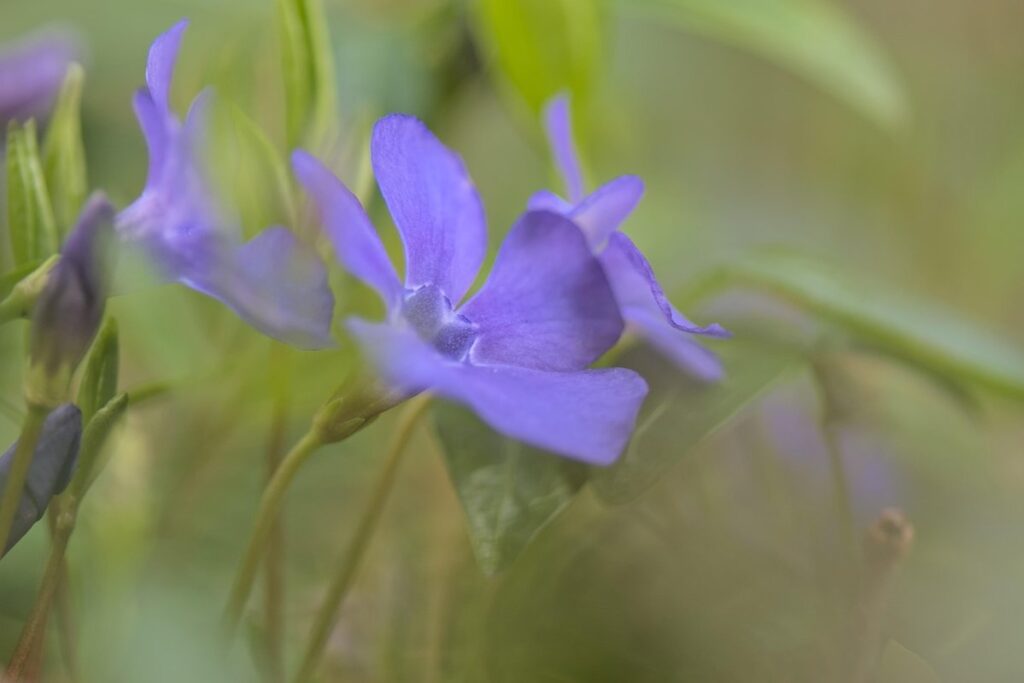
Some of our favorite evergreen ground covers for shade include Vinca minor (periwinkle), Ajuga reptans (bugleweed), and Pachysandra terminalis (Japanese spurge). These plants are not only beautiful but also low-maintenance, making them perfect for busy gardeners.
Low Maintenance and Drought Tolerance
When it comes to choosing evergreen ground covers for shaded areas, one of the most significant advantages is their low-maintenance and drought-tolerant properties. This makes them an ideal choice for busy homeowners who don’t have a lot of time to devote to lawn care or water conservation enthusiasts who want to reduce their environmental impact.
Evergreen ground covers in shade require minimal watering, especially when compared to traditional lawns or other types of ground cover. For example, the drought-tolerant Creeping Thyme (Thymus serpyllum) can survive with as little as 1 inch of water per week, making it perfect for areas with low rainfall. Similarly, the English Ivy (Hedera helix) is another excellent choice that requires minimal watering and maintenance.
To make the most of these low-maintenance properties, consider the following tips: plant a mix of ground covers to create a layered effect, which will not only reduce weed growth but also require less frequent watering. Also, avoid overwatering by monitoring soil moisture levels and adjusting your watering schedule accordingly. By doing so, you’ll be able to enjoy lush, vibrant evergreen ground cover in shaded areas without breaking the bank or wasting precious resources.
Choosing the Right Evergreen Ground Cover for Your Shade
Now that you’ve narrowed down your options, it’s time to choose an evergreen ground cover that thrives in shade and suits your specific needs and climate. Let’s discuss some top picks for your consideration.
Understanding Plant Lighting Requirements
When selecting evergreen ground covers for shaded areas, it’s essential to understand their lighting requirements. This may seem straightforward, but many gardeners overlook the nuances of plant lighting needs. To determine the right plants for your shaded spots, start by observing the sun exposure and tree canopy density in your yard.
Consider the direction your house faces, as this affects the amount of direct sunlight your yard receives. For example, if your home faces north, it will receive limited direct sunlight, making it ideal for plants that tolerate shade. Conversely, south-facing homes get plenty of sunlight, requiring more sun-tolerant plants.
Observe the tree canopy density by standing under a shaded area and observing the level of light filtering through. This will give you an idea of how much dappled or filtered light your plants will receive. Nearby structures like fences or walls can also impact light levels, so take these factors into account when selecting evergreen ground covers.
When choosing plants, look for species that thrive in partial shade to full shade conditions. Some popular options include ajuga, creeping thyme, and English ivy. Remember to research specific plant requirements, as some may require more or less maintenance than others.
Popular Evergreen Ground Covers for Shaded Areas
When it comes to shaded areas, finding the perfect evergreen ground cover can be a challenge. However, there are several popular species that thrive in low-light conditions and require minimal maintenance. One such option is Ajuga, also known as Bugleweed. This versatile ground cover forms a dense mat of small leaves and produces purple-blue flowers in spring. It’s an excellent choice for areas with poor soil, tolerating clay and sand equally well.
Another great option is Creeping Thyme (Thymus serpyllum), which forms a soft, velvety carpet that can handle foot traffic. Its tiny leaves release a fragrant oil when walked upon, creating a pleasant aroma. Lamium, commonly known as Spotted Deadnettle, is another low-maintenance ground cover suitable for shaded areas. It produces white or pink flowers and comes in various cultivars with spotted or solid foliage.
When selecting any of these options, ensure they receive at least 2-3 hours of indirect sunlight per day. Water them regularly but avoid overwatering, as this can lead to root rot.
Preparing the Soil and Planting Technique
To get started, make sure you’ve chosen a suitable location for your evergreen ground cover, considering factors like soil quality and moisture levels. Proper preparation is key to a successful installation.
Optimizing Soil pH and Nutrients
When planting evergreen ground covers in shaded areas, it’s crucial to test and adjust the soil pH and nutrient levels. A simple pH test kit can help you determine if your soil is acidic, alkaline, or neutral. For most evergreen ground covers, a slightly acidic to neutral soil pH (around 6.0-7.0) is ideal.
If your soil is too acidic or alkaline, it may not provide the necessary nutrients for optimal plant growth. To amend the soil, you can add organic matter like compost or well-rotted manure. Mix in a 2-inch layer of compost and let it settle before planting. For nutrient-deficient soils, consider adding a balanced fertilizer (10-10-10 NPK) according to the manufacturer’s instructions.
Remember that over-fertilization can harm your plants, so start with a light application and monitor their growth. Also, be mindful of the soil type and drainage when selecting amendments. Sandy soils may require more organic matter to retain moisture, while clay soils might benefit from adding perlite or sand for improved drainage.
Proper Planting Techniques for Success
When planting evergreen ground cover in shade, it’s essential to get it right from the start. Proper spacing is crucial for healthy growth and minimal competition for resources like water and nutrients. A general rule of thumb is to space plants 6-12 inches apart, depending on their mature spread. For example, Vinca minor can be planted as close as 3-4 inches apart, while Ajuga reptans prefers more room at around 9-12 inches.
Planting depth is another critical factor. Typically, ground covers are planted with the crown (where the stem meets the roots) just above or level with the soil surface. This allows for easy establishment and minimizes the risk of rot. Be sure to firm the soil gently as you plant to ensure good contact between the roots and soil.
Watering requirements vary depending on your specific climate and soil conditions, but a general guideline is to provide about 1 inch of water per week, either through rainfall or irrigation. Avoid overwatering, which can lead to root rot and other problems.
Maintenance and Care for Evergreen Ground Covers in Shade
To keep your evergreen ground covers thriving in shade, it’s essential to understand how to properly care for them during different seasons of the year. Let’s dive into their specific maintenance needs.
Watering Considerations
Watering evergreen ground covers in shade can be a delicate balance between overwatering and underwatering. Overwatering is particularly common in shaded areas where the sun’s heat is reduced, causing plants to require less moisture.
To avoid overwatering, observe your plants’ growth stages and adjust watering schedules accordingly. Younger plants need more frequent watering, while mature plants can go longer between waterings. Check for signs of drought such as droopy leaves or a crispy texture before giving the soil a drink.
Adjust watering frequencies based on weather conditions too – during periods of intense rainfall or dry spells, reduce watering to prevent saturation. Mulch around your plants to retain moisture and regulate soil temperature. Keep an eye out for pests that thrive in damp environments, such as slugs and snails, which can spread disease when overwatering occurs.
Monitor the top inch of soil for dryness before irrigation – if it’s dry, give the plant a good soaking. Be cautious not to water during the hottest part of the day to prevent excess evaporation and reduce moisture retention in the plant.
Pruning and Mulching Techniques
Pruning and mulching are crucial maintenance techniques to ensure evergreen ground covers in shade continue to thrive. Pruning helps control their shape, promotes new growth, and encourages a full appearance. It’s essential to prune at the right time, usually after new growth has emerged but before it reaches its full potential. For most evergreen ground covers, pruning should be done in late winter or early spring.
When pruning, cut no more than one-third of the plant’s top growth to avoid stressing the roots and promoting dieback. Remove dead, diseased, or damaged leaves to prevent the spread of disease and encourage healthy new growth. Regular pruning also helps maintain the desired shape and size of your evergreen ground cover.
Mulching is another vital technique for maintaining shade-loving evergreen ground covers. Mulch helps retain moisture in the soil, suppresses weeds that compete with the plant for water and nutrients, and regulates soil temperature. Organic mulches like wood chips or bark work well under these conditions, while inorganic options like gravel can be used to reflect heat away from the roots during warmer months.
To maintain healthy evergreen ground covers through pruning and mulching, it’s essential to do both tasks on a regular basis, depending on your plant’s specific needs.
Overcoming Common Challenges in Shaded Areas
Growing evergreen ground cover in shaded areas can be tricky, but don’t worry – we’ll walk you through some common obstacles and solutions to get your garden thriving.
Dealing with Competition from Trees or Vegetation
When dealing with competition from trees or vegetation in shaded areas, it’s essential to understand that evergreen ground cover requires specific conditions to thrive. Unlike tall plants that can stretch towards sunlight, evergreen ground covers need a solid strategy to compete for resources like light and water.
To outcompete existing vegetation, choose an evergreen ground cover with deep roots, such as Boxwood or Holly. These plants can tap into the soil’s moisture and nutrients, allowing them to flourish in areas where taller plants would struggle. Consider layering smaller evergreen plants around existing trees or shrubs to create a dense mat of foliage.
It’s also crucial to plant at the right time. Spring and fall are ideal seasons for planting evergreen ground covers, as they have ample moisture and mild temperatures that allow new growth to establish itself quickly. Water thoroughly after planting, but avoid overwatering – this can actually weaken your plants’ ability to compete with existing vegetation.
Regular pruning and maintenance will also help keep your chosen evergreen ground cover healthy and robust. By creating a dense, uniform mass of foliage, you’ll be able to effectively suppress weeds and other competing growth that might otherwise outcompete your new plants.
Managing Pests and Diseases
Pests and diseases can be a significant challenge when it comes to evergreen ground covers in shaded areas. Common issues include spider mites, mealybugs, and scale insects, which thrive in low-light conditions. Fungal diseases such as root rot and leaf spot are also prevalent due to the increased moisture levels in shaded areas.
To prevent pest infestations, ensure that your evergreen ground cover receives good air circulation. Regularly inspect your plants for signs of pests or disease, and treat promptly if necessary. Use neem oil or insecticidal soap to control soft-bodied pests like spider mites and mealybugs.
For fungal diseases, improve soil drainage by adding organic matter such as compost. Remove any affected areas to prevent the spread of infection. Consider using fungicides as a last resort. Keep in mind that overwatering is often the root cause of disease issues, so be cautious not to overwater your evergreen ground cover in shaded areas.
By implementing these prevention and control measures, you can minimize the impact of pests and diseases on your evergreen ground cover in shaded areas.
Conclusion and Future Considerations
Now that you’ve chosen the perfect evergreen ground cover for your shaded area, let’s wrap up our discussion and explore how to keep it thriving in the years to come.
Recap of Key Takeaways
When selecting evergreen ground covers for shaded areas, remember to choose plants that thrive in low-light conditions. Some excellent options include boxwood, English ivy, and creeping thyme. When properly cared for, these plants can provide year-round interest and help suppress weeds.
It’s also essential to consider factors such as plant density, spread rate, and maintenance needs when selecting an evergreen ground cover. For instance, a dense mat-forming plant like pachysandra or ajuga might be suitable for areas with limited access, while a spreading vine like English ivy or Boston ivy can add a dramatic flair to walls or trellises.
To ensure the success of your evergreen ground cover, provide proper care by watering it regularly and fertilizing during the growing season. Mulching around plants will also help retain moisture and suppress weeds.
Exploring Additional Options and Resources
If you’re still looking to add more greenery and life to your shaded areas but feel that the options mentioned so far may not be the best fit for your specific needs, there are several other paths you can explore. Consulting with local gardening experts or nursery professionals is an excellent place to start.
These individuals have hands-on experience working with various types of evergreen ground cover in different climates and conditions and can offer valuable insights based on their expertise. By reaching out to them, you’ll gain a better understanding of what works best for your specific region and soil type. They may also be able to recommend species that are less well-known but excel in shade environments.
Another option is to explore local botanical gardens or arboretums, which often have extensive collections of plants adapted to the local climate and conditions. Visiting these institutions can provide a wealth of information on how different types of evergreen ground cover perform in your area, including specific recommendations for shaded areas. Additionally, many botanic gardens offer workshops or lectures on gardening techniques and plant care that you may find useful.
Online forums and social media groups focused on gardening are also rich resources to tap into. You can connect with experienced gardeners who have successfully implemented evergreen ground cover in their own shade-prone areas, gather tips from them, and learn about the challenges they faced and how they overcame them. This can be an excellent way to get advice tailored to your specific situation.
Lastly, don’t underestimate the value of experimentation. Try growing different species in small patches or pots before committing to a larger-scale installation. This will allow you to observe their performance firsthand and determine which ones thrive best in your unique environment.
Frequently Asked Questions
What are the best evergreen ground covers for areas with partial shade?
When selecting an evergreen ground cover, consider plants like Pachysandra (Pachysandra terminalis) or Vinca minor (Periwinkle). These low-maintenance options thrive in partial shade and provide a lush carpet of foliage. They’re perfect for areas with dappled sunlight and can help to suppress weeds.
Can I use evergreen ground covers as a replacement for mulch?
Yes, evergreen ground covers can serve as an attractive alternative to mulch. By choosing the right plants, you can create a beautiful, weed-suppressing mat that reduces maintenance and adds year-round interest to your shaded areas.
How often should I water my evergreen ground cover in shady conditions?
Water your evergreen ground cover when the top inch of soil feels dry to the touch. Since they prefer moist, but not soggy, conditions, it’s essential to strike a balance between watering and avoiding overwatering. Monitor your plants’ responses and adjust your watering schedule accordingly.
Can I plant evergreen ground covers in areas with poor soil?
Yes, many evergreen ground covers are adaptable to challenging soils. However, some may require additional care or amendments to thrive. For example, Pachysandra prefers well-draining acidic soil, while Vinca minor can tolerate a wide range of conditions.
What’s the best way to establish new evergreen ground cover plants in my shaded area?
For optimal success, plant new evergreen ground covers in the spring or fall when temperatures are mild. This allows them to establish themselves before the heat of summer or cold of winter. Dig a shallow trench, gently spread out the roots, and water thoroughly after planting.