
Are you looking to add some greenery and structure to your garden? Evergreen hedges are a fantastic choice, providing year-round beauty and versatility. Not only do they offer excellent privacy screening and noise reduction, but they also help maintain your property’s curb appeal. With so many benefits, it’s no wonder why evergreen hedge plants have become a popular choice among gardeners.
If you’re considering planting an evergreen hedge or looking to replace an old one, this comprehensive guide is for you. In the following article, we’ll explore the best types of evergreen hedge plants, including their maintenance needs and how to plant them successfully. You’ll learn about the benefits of different species, from Japanese cedar to English boxwood, and discover tips on pruning, watering, and fertilizing your evergreen hedges for optimal growth.
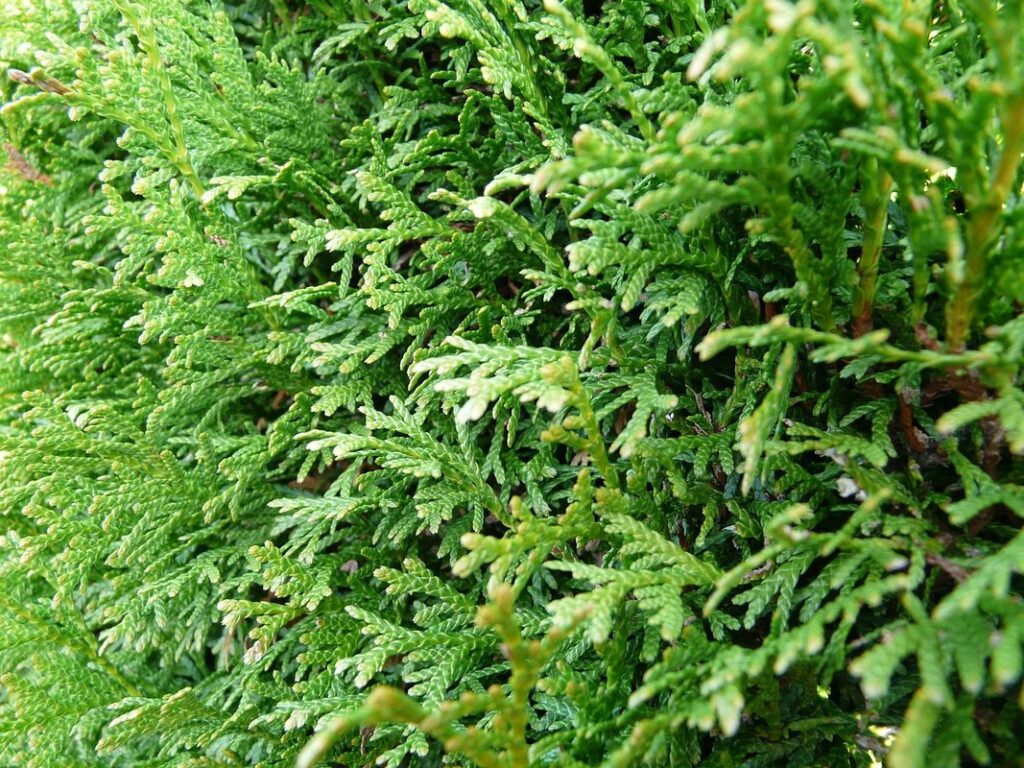
Choosing the Right Evergreen Hedge Plant
With so many varieties to choose from, selecting the perfect evergreen hedge plant can be overwhelming. Let’s break down the key factors to consider when making your decision.
Factors to Consider Before Selecting a Hedge
When selecting an evergreen hedge plant, it’s essential to consider several factors that will ensure its success and longevity. First and foremost, think about the climate in which you live. If you reside in a region with extremely cold winters or hot summers, choose an evergreen hedge plant that is tolerant of these conditions. For instance, plants like boxwood and yew are well-suited to colder climates, while those like photinia and pyracantha thrive in warmer temperatures.
You should also consider the type of soil you have on your property. Evergreen hedge plants have varying preferences when it comes to soil pH and drainage. Some plants, such as azalea and rhododendron, require acidic soil with good drainage, while others like holly and cypress can tolerate a wide range of soil types.
Lastly, consider the growth rate you desire for your evergreen hedge plant. If you want a dense, mature hedge quickly, choose a fast-growing variety like privet or arborvitae. On the other hand, if you prefer a more gradual growth rate, opt for slower-growing plants like lavender or rosemary. By carefully evaluating these factors, you’ll be able to select an evergreen hedge plant that will thrive in your specific environment.
Understanding Different Types of Evergreen Hedges
When it comes to choosing an evergreen hedge plant, one of the first steps is to determine what type of plant will work best for your space. Evergreen hedges fall into several main categories: conifers, broadleaf, and flowering shrubs. Conifers are perhaps the most well-known type of evergreen hedge, and include plants like arborvitae, juniper, and spruce. These plants typically have needle-like foliage and a narrow growth habit.
Broadleaf evergreen hedges, on the other hand, tend to have leaves that resemble those of deciduous trees, but remain green year-round. Examples of broadleaf evergreen hedges include boxwood, holly, and rhododendron. Flowering shrubs are another option for evergreen hedges, with plants like azalea and camellia offering a burst of color in the spring.
When deciding which type of evergreen hedge to choose, consider factors such as mature size, growth rate, and maintenance requirements. For example, conifers tend to be low-maintenance but can grow quite large, while broadleaf hedges may require more frequent pruning but are often more versatile in terms of shape and size.
Popular Evergreen Hedge Plants for Your Garden
When it comes to choosing the perfect evergreen hedge plants, there are countless options to consider, but some stand out from the rest as being particularly popular and low-maintenance. Let’s take a look at some of our favorites.
Top 5 Coniferous Evergreen Hedges
When it comes to coniferous evergreen hedges, you’ve got several excellent options to consider. Let’s take a closer look at five of the most popular varieties.
First up is Leylandii (Cupressus x leylandii), a fast-growing hedge that can reach heights of over 4 meters in just a few years. Its growth rate makes it ideal for those who want a quick solution to creating a privacy screen or windbreak. However, be aware that its rapid growth does require regular maintenance to keep it looking its best.
Colorado Blue Spruce (Picea pungens) is another popular choice, offering stunning blue-gray foliage and a more moderate growth rate of around 30-60 cm per year. It’s also relatively low-maintenance compared to some other coniferous options.
Arborvitae (Thuja occidentalis), with its distinctive globe-shaped habit, is perfect for adding structure and texture to your garden. Its slow-to-medium growth rate means it requires minimal pruning, making it a great choice for busy gardeners.
If you’re after something even slower-growing, consider the Serbian Spruce (Picea omorika). With a growth rate of just 20-40 cm per year, this hedge is ideal for those who don’t want to spend too much time maintaining their hedges.
Broadleaf Evergreen Hedges with Unique Features
If you’re looking to add some unique flair to your garden with a broadleaf evergreen hedge, there are several options worth considering. One of the most iconic is the English Holly (Ilex aquifolium), which not only provides year-round foliage but also boasts attractive red berries in winter and fragrant white flowers in spring. When it comes to pruning, holly is relatively low-maintenance – simply shape it regularly to maintain a neat, formal appearance.
For a more compact option, boxwood (Buxus sempervirens) is an excellent choice. Its dense, glossy leaves make it easy to prune into intricate shapes or topiaries, and its adaptability to shade or sun means it can thrive in a variety of environments. Another popular broadleaf evergreen is the rhododendron (Rhododendron spp.), which brings vibrant color to your garden with its stunning flowers in shades of pink, purple, and white.
When selecting a broadleaf evergreen hedge, remember to choose varieties that suit your climate and available space.
How to Plant and Maintain Your Evergreen Hedge
Now that you’ve chosen your evergreen hedge plants, it’s time to learn how to plant and maintain them for a lush and healthy appearance. This process is easier than you think.
Preparation is Key: Soil Testing and Planting Techniques
Before planting your evergreen hedge, it’s essential to prepare the soil properly. This involves testing the pH levels and ensuring adequate drainage to give your new plants the best chance of thriving. To start, collect a sample of your soil from several areas where you plan to plant. You can purchase a DIY soil testing kit or send the samples to a lab for analysis.
The ideal pH range for most evergreen hedge plants is between 6.0 and 7.0. If your soil tests below this range, you may need to add lime to raise the pH. Conversely, if it’s too alkaline, sulfur can be added to bring down the levels. Adequate drainage is also crucial, as waterlogged soil can lead to root rot and other problems.
To improve drainage, consider adding organic matter like compost or well-rotted manure. This will not only help with water retention but also provide essential nutrients for your plants.
Regular Maintenance Tasks for a Healthy Hedge
Regular maintenance tasks are crucial to ensure your evergreen hedge remains healthy and visually appealing throughout the year. Pruning is an essential task that should be performed at least twice a year, once in late winter or early spring and again during summer’s peak growth period. This helps maintain the desired shape, promotes new growth, and encourages a fuller appearance.
When pruning, focus on removing any dead, diseased, or damaged branches, cutting them back to a node or junction with a healthy stem. Thin out dense areas to allow sunlight penetration and air circulation, which can help prevent disease and promote healthy growth. Watering is also vital, especially during hot summer months when your hedge may require up to 1 inch of water per week.
Fertilization is another critical aspect of maintenance, providing essential nutrients for growth and health. Use a balanced, slow-release fertilizer in early spring or late summer, following the manufacturer’s instructions for application rates. Regular maintenance tasks like these will help your evergreen hedge thrive year-round, requiring minimal upkeep to look its best.
Benefits of Evergreen Hedges Beyond Aesthetics
While evergreen hedges are stunning additions to any landscape, their benefits extend far beyond their visually appealing nature. Let’s explore some unexpected advantages that will make you love your evergreen hedge even more!
Wildlife Habitat Creation and Biodiversity Support
Evergreen hedges play a vital role in providing habitats for wildlife and conserving biodiversity. By creating a thriving ecosystem, they support local species and help maintain the balance of nature. One way to encourage biodiversity is by planting a variety of evergreen hedge species that attract different types of pollinators, birds, and insects.
For example, planting coniferous trees like spruce or fir can provide shelter for birds, while deciduous hedges like laurel or hornbeam offer berries and seeds for wildlife. By incorporating native plants, you can create a haven for local species that rely on them for food and shelter.
To get started, consider the following tips: choose a mix of evergreen hedge species that are suitable for your climate and soil type; incorporate nesting boxes or birdhouses to provide additional habitat; and avoid using pesticides or herbicides, which can harm wildlife. By taking these steps, you can create a thriving wildlife-friendly ecosystem in your garden that benefits both local biodiversity and the environment as a whole.
Noise Reduction and Windbreaks: Functional Benefits
Having an evergreen hedge can greatly improve the functionality of your outdoor living space. As a natural noise barrier or windbreak, these hedges provide numerous practical benefits that enhance your quality of life.
One of the primary advantages is the reduction of unwanted noise pollution from neighboring properties or busy roads. Imagine being able to enjoy your garden without the constant din of traffic or chattering neighbors. Evergreen hedges can effectively block out up to 90% of background noise, creating a more peaceful environment for relaxation and entertainment.
In addition to noise reduction, evergreen hedges also serve as an effective windbreak, protecting your garden from harsh winds that can damage plants and structures. By planting a row of dense evergreen shrubs along the perimeter of your property, you can significantly reduce wind speeds and create a more stable microclimate.
When selecting an evergreen hedge for noise reduction or wind protection, choose species with dense foliage and a high growth rate to ensure maximum effectiveness. Regular maintenance, such as pruning and watering, will also help maintain their integrity and maximize benefits.
Common Issues with Evergreen Hedges and Solutions
As you plan your evergreen hedge, it’s essential to be aware of some common issues that can arise and how to tackle them effectively. Let’s discuss these potential problems and their solutions together.
Pests and Diseases: Prevention and Treatment
As an evergreen hedge owner, it’s essential to be aware of common pests and diseases that can affect your plants. Pests like spider mites, scale insects, and bagworms can cause significant damage to your hedges, while diseases such as root rot, powdery mildew, and Phytophthora can spread quickly if left unchecked.
To prevent infestations and infections, practice good hygiene by regularly inspecting your plants for signs of pests or disease. Remove any affected areas promptly and disinfect your pruning tools to avoid spreading the issue. Consider using organic pest control methods like neem oil or insecticidal soap to deter unwanted visitors.
Some common diseases can be prevented with proper care. For example, root rot is often caused by overwatering, so ensure you’re not watering your hedges too frequently. Mulching around the base of your plants can also help retain moisture and reduce the risk of disease. By staying vigilant and taking proactive steps to prevent infestations, you’ll be able to maintain a healthy and thriving evergreen hedge for years to come.
Handling Overgrowth or Damage to Your Hedge
When it comes to evergreen hedges, occasional maintenance is necessary to keep them looking their best. However, sometimes even with regular care, overgrowth can occur or damage can be caused by severe weather events or human error. If you notice that certain sections of your hedge have become overgrown or damaged, don’t worry – there are steps you can take to restore it.
To trim an overgrown section, start by removing any dead or diseased branches. Use sharp pruning shears and cut at a 45-degree angle just above a growth node. This will help the remaining branches grow in the direction you want them to. For more extensive trimming, consider hiring a professional arborist who has experience with evergreen hedges.
If damage is severe or widespread, it might be necessary to replace the affected section entirely. When selecting replacement plants, choose ones that match your original hedge as closely as possible in terms of species and size. Plant them at the same depth and water thoroughly after planting.
Frequently Asked Questions
Can I plant an evergreen hedge in poor soil, or do I need to amend the soil first?
Yes, it’s recommended to test your soil before planting an evergreen hedge. Poor soil can lead to nutrient deficiencies and reduced growth. Test your soil pH and nutrient levels to determine if any amendments are needed. Based on the results, add organic matter like compost or well-rotted manure to improve soil structure and fertility.
How often should I water my evergreen hedge plants during their first year of growth?
Newly planted evergreen hedges need consistent moisture, especially during their first year. Water them regularly, providing about 1 inch of water per week. Avoid overwatering, which can lead to root rot and other problems. Monitor soil moisture by inserting a finger into the soil up to the knuckle; if it feels dry, it’s time for watering.
What are some common pests or diseases that affect evergreen hedges, and how can I prevent them?
Common pests affecting evergreen hedges include spider mites, scale insects, and bagworms. Diseases like root rot, leaf spot, and fungal infections can also occur. To prevent these issues, inspect your plants regularly for signs of infestation or disease. Use organic pest control methods whenever possible, such as neem oil or insecticidal soap.
How long does it take to establish a mature evergreen hedge that provides effective noise reduction?
The time it takes for an evergreen hedge to mature and provide effective noise reduction varies depending on the species and growing conditions. Generally, it can take 3-5 years for most evergreen hedges to reach their full height and density. For optimal results, plant multiple rows of densely spaced plants.
Can I prune my evergreen hedge during its dormant season, or should I wait until spring?
You can prune your evergreen hedge during the dormant season, typically from late fall to early spring. Pruning during this time helps reduce water loss and minimizes stress on the plant. However, be cautious not to remove too much foliage at once, as this can shock the plant. Prune no more than one-third of the plant’s foliage in a single session.