
Evergreen groundcovers are a gardener’s dream come true. They provide year-round foliage, require minimal maintenance, and add beauty to your outdoor space without breaking the bank. Whether you’re a seasoned landscaper or a DIY novice, incorporating these low-maintenance plants into your design can be a total game-changer.
But what exactly are evergreen groundcovers? Simply put, they’re plants that keep their leaves year-round, unlike deciduous varieties that shed their foliage with the changing seasons. This means you’ll have lush greenery throughout winter, spring, summer, and fall. In this article, we’ll explore the benefits of using evergreen groundcovers in your landscaping, including how to choose the right plant for your space and expert tips on caring for these gorgeous plants.
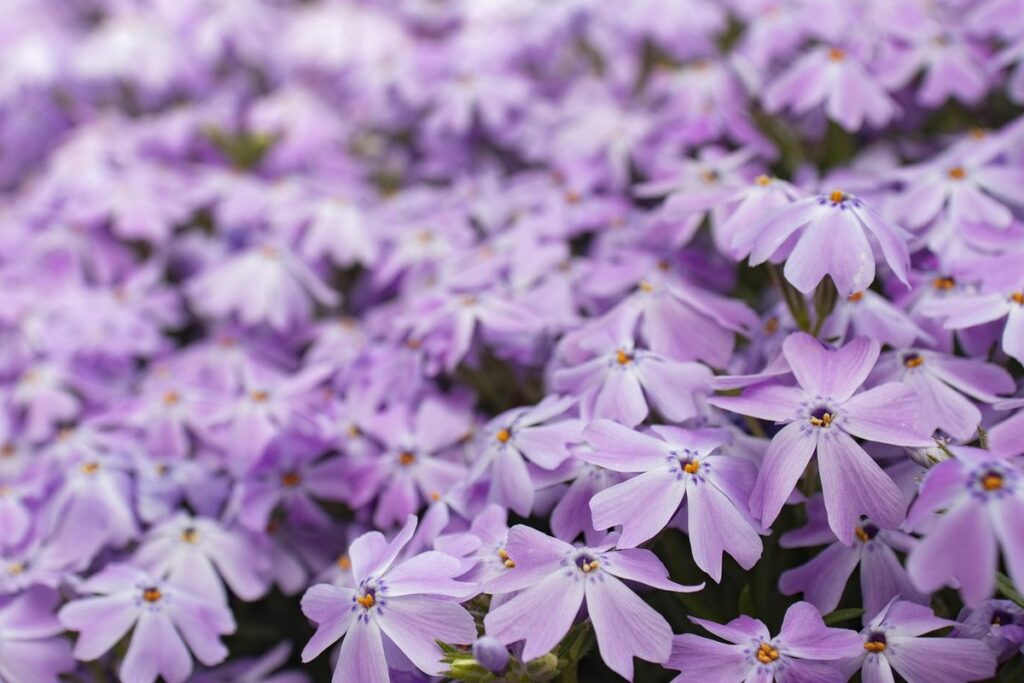
Choosing the Right Evergreen Groundcover
When selecting evergreen groundcover, it’s essential to consider factors such as climate, soil type, and desired appearance to make an informed decision. Let’s explore some popular options together.
Benefits of Using Evergreen Groundcovers
Using evergreen groundcovers offers numerous benefits that can enhance the aesthetic and functionality of your outdoor spaces. One of the most significant advantages is year-round foliage, which means you’ll have lush greenery throughout the seasons, even during the winter months when many other plants are dormant.
In addition to their attractive appearance, evergreen groundcovers also require less maintenance than other types of plants. Since they spread quickly and form a dense mat, they can suppress weeds and reduce the need for mulch or other weed barriers. This not only saves you time but also reduces the amount of chemicals you need to use in your garden.
By choosing an evergreen groundcover, you’ll also have fewer worries about deadheading flowers or pruning shrubs. Simply mow them lightly after new growth appears in spring, and they’ll continue to thrive throughout the growing season. With proper selection and placement, evergreen groundcovers can become a low-maintenance yet beautiful addition to your landscape design.
Factors to Consider When Selecting an Evergreen Groundcover
When selecting an evergreen groundcover for your outdoor space, there are several key factors to consider. Climate is a crucial aspect to take into account, as some evergreen groundcovers are more tolerant of extreme temperatures and moisture levels than others. For example, if you live in an area with cold winters, look for plants like wintercreeper or English ivy that can withstand frost.
Soil type is another essential consideration, as some evergreen groundcovers prefer well-draining soil while others thrive in moist conditions. Make sure to choose a plant that suits your soil’s pH level and texture. Sun exposure also plays a significant role in the success of your evergreen groundcover. If your garden receives full sun, select plants like creeping juniper or dwarf mugo pine that can handle direct sunlight.
Finally, consider the intended use of your evergreen groundcover. Are you looking for a plant to suppress weeds or provide erosion control? Or do you want a low-maintenance option to add some greenery to your garden bed? Once you’ve assessed these factors, you’ll be able to select an evergreen groundcover that meets your needs and thrives in its environment.
Popular Types of Evergreen Groundcovers for Different Regions
When selecting an evergreen groundcover for your region, it’s essential to choose plants that thrive in your specific climate and conditions. Creeping thyme (Thymus serpyllum) is a popular choice for Mediterranean climates with warm summers and mild winters. This low-growing, spreading plant forms a dense mat of tiny leaves and produces small, fragrant flowers in the summer.
For temperate zones with shaded areas, consider using ajuga (Ajuga reptans), also known as bugleweed or carpet bugle. This adaptable groundcover tolerates shade, moisture, and poor soil conditions, making it an excellent option for woodland gardens and under trees. In cooler regions, like those in USDA Hardiness Zones 3-5, pachysandra (Pachysandra terminalis) is a reliable choice for shaded areas.
In warmer climates with high humidity, such as the Southeastern United States, you may prefer sweet woodruff (Galium odoratum) or vinca minor (Periwinkle). These evergreen groundcovers can thrive in partial shade to full sun and require minimal maintenance.
Planting and Maintenance of Evergreen Groundcovers
When it comes to planting and maintaining your evergreen groundcovers, understanding their specific needs is crucial to ensuring they thrive in your garden. This section will cover essential tips for a successful installation.
Preparation Before Planting
Before planting evergreen groundcovers, it’s essential to prepare the soil properly. This involves testing the pH levels of your soil and making adjustments if necessary. You can purchase a DIY soil test kit or send a sample to a lab for analysis. Most evergreen groundcovers prefer well-draining acidic to neutral soil, with a pH between 6.0 and 7.0.
If your soil test reveals a high pH level (alkaline), you’ll need to add acidic amendments like peat moss or sulfur to lower the pH. Conversely, if your soil is too acidic, adding lime can help raise the pH. It’s also crucial to loosen the soil to a depth of 8-10 inches to facilitate root growth and prevent waterlogged conditions.
In addition to testing pH levels, consider amending the soil with organic matter like compost or well-rotted manure to improve its structure and fertility. This will give your evergreen groundcovers a healthy start, promoting vigorous growth and reducing the need for future fertilization.
Planting Techniques for Success
When it comes to planting evergreen groundcovers, proper technique is key to ensuring their success and longevity. One of the most crucial factors to consider is spacing. This not only allows for adequate air circulation but also prevents overcrowding, which can lead to disease and pest issues. A general rule of thumb is to space plants 6-12 inches apart, depending on their mature size.
Mulching is another essential technique that helps retain moisture, suppress weeds, and regulate soil temperature. Organic mulches like wood chips or bark work well for evergreen groundcovers, as they break down slowly and won’t need to be replenished frequently. Apply a 2-3 inch layer of mulch around the plants, keeping it a few inches away from the base to prevent waterlogged conditions.
Watering strategies are also vital for establishing healthy roots. Water your evergreen groundcover deeply once or twice a week, depending on weather conditions, to encourage deep root growth rather than shallow watering that can lead to weak and susceptible plants.
Maintenance Tips for Healthy Evergreen Groundcovers
To keep your evergreen groundcovers looking their best and thriving all year round, regular maintenance is essential. Pruning is one of the most critical tasks to control the growth and shape of your plants. Trim them back after they’ve finished blooming or as needed, depending on their growth habits. This will not only maintain a neat appearance but also encourage new growth.
Fertilizing is another crucial aspect of evergreen groundcover maintenance. Feed your plants with a balanced, slow-release fertilizer in the spring and again in the summer when they’re actively growing. Avoid over-fertilizing, as this can damage the plants’ roots and lead to weak or spindly growth.
Regularly inspect your plants for signs of pests or diseases. Look for aphids, whiteflies, or spider mites on the leaves or stems, and treat promptly if you notice any issues. Also, keep an eye out for fungal diseases like root rot or leaf spot, which can spread quickly in humid conditions. By staying on top of these maintenance tasks, you’ll be able to enjoy your evergreen groundcovers’ year-round beauty with minimal effort.
Design Ideas Using Evergreen Groundcover Plants
Whether you’re looking to add some color and texture to your garden or need a low-maintenance solution for erosion control, evergreen groundcovers have got you covered. We’ll explore creative ways to use them in this design ideas section.
Creating a Drought-Tolerant Landscape with Evergreens
When designing a drought-tolerant landscape with evergreen groundcovers, it’s essential to prioritize water efficiency and low maintenance. A well-designed drought-tolerant garden not only conserves precious water resources but also reduces the need for frequent mowing, pruning, and fertilizing.
Consider incorporating evergreen groundcovers like succulent sedum, creeping juniper, or dwarf mondo grass into your design. These plants are naturally adapted to conserve water and can thrive in areas with poor soil quality. For example, sedum is an excellent choice for hot, dry slopes where other plants might struggle to survive.
To create a drought-tolerant landscape, start by assessing the site’s sun patterns, soil type, and existing drainage issues. Choose evergreen groundcovers that are suitable for your climate and can tolerate extreme temperatures. Use a mix of native plants and non-native species to ensure biodiversity while minimizing maintenance needs. Regular watering is still necessary during the establishment phase, but once established, these drought-tolerant evergreens will require minimal care.
When selecting plants, consider the mature size, growth rate, and spreading habits to avoid overcrowding or invasive behavior. By incorporating evergreen groundcovers into your design, you can create a resilient and water-efficient landscape that’s perfect for areas with limited rainfall.
Incorporating Evergreen Groundcovers into Existing Garden Designs
When incorporating evergreen groundcovers into existing garden designs, it’s essential to consider both spatial planning and companion planting strategies. This ensures a harmonious balance between new and established elements.
Start by selecting groundcovers that complement the mature plants’ growth habits, textures, and bloom times. For instance, pair delicate flowering groundcovers like creeping thyme or sweet woodruff with taller shrubs to create layers of visual interest. Conversely, pair vigorous groundcovers like English ivy or pachysandra with slower-growing perennials to prevent overgrowth.
Consider the mature size of both new and existing plants when planning their layout. This will help you avoid overcrowding and ensure sufficient air circulation, reducing the risk of disease transmission between plants. Additionally, plant evergreen groundcovers around established features like garden paths or hardscaping elements to create a cohesive look.
Using Evergreen Groundcovers as a Living Roof or Wall
Using evergreen groundcovers as a living roof or wall is an innovative approach to sustainable design. This concept combines the benefits of green roofs and walls with the low-maintenance requirements of evergreen groundcover plants. By using a dense mat of evergreen groundcovers, you can create a lush, verdant surface that provides insulation, reduces stormwater runoff, and even helps to mitigate urban heat island effects.
One popular example is the use of sedum-based living roofs, which have become increasingly popular in Europe. Sedums are low-growing, drought-tolerant plants that thrive in poor soil conditions, making them an ideal choice for green roof installations. By planting a mixture of succulent and grass species, you can create a visually striking roof garden that also provides excellent insulation.
However, there are challenges to consider when designing living roofs or walls using evergreen groundcovers. For instance, the weight of the plant material must be carefully managed to avoid structural damage to the building below. Regular maintenance is also necessary to prevent weed growth and ensure that the plants receive adequate water and nutrients.
To overcome these challenges, it’s essential to work with a qualified landscape designer or architect who has experience with green roof and wall installations. With proper planning and execution, living roofs and walls made from evergreen groundcovers can be both functional and beautiful additions to your home or building.
Health Benefits and Environmental Impact of Evergreen Groundcover Plants
Evergreen groundcovers not only add beauty to your garden, but they also offer numerous health benefits and have a surprisingly positive environmental impact when chosen wisely. Let’s explore these advantages in more detail.
Air Purification and Mental Health Benefits
When it comes to evergreen groundcovers, their benefits extend far beyond aesthetics. Research has shown that these plants play a vital role in purifying the air we breathe and improving mental health. Phytoremediation, the process by which plants remove pollutants from the soil and atmosphere, is a key urban ecosystem service provided by evergreen groundcovers.
Studies have demonstrated that certain species of evergreen groundcovers can effectively remove heavy metals like lead and cadmium from contaminated soils (Kumar et al., 2018). By incorporating these plants into your garden or landscaping design, you can help mitigate the effects of pollution in your community. In addition to air purification, evergreen groundcovers have also been shown to reduce stress levels and improve mental well-being by providing a calming environment for humans.
In fact, a study published in the Journal of Environmental Psychology found that people who spent time in gardens with native vegetation exhibited lower cortisol levels and improved mood (Sullivan et al., 2001). To reap these benefits, consider incorporating evergreen groundcovers into your outdoor spaces. Not only will they provide a beautiful, low-maintenance alternative to traditional lawns, but they’ll also contribute to a healthier, more sustainable environment.
Wildlife Habitat Creation with Evergreen Groundcovers
When it comes to creating wildlife habitats, evergreen groundcovers are an often-overlooked yet incredibly valuable component. These low-growing plants provide a haven for local wildlife, including birds, insects, and small mammals, offering food, shelter, and breeding grounds.
As a habitat creator, you can attract beneficial insects like bees and butterflies by incorporating nectar-rich evergreen groundcovers such as boxwood or yew into your landscape design. For birds, consider using plants with berries, like holly or pyracantha, which provide essential nutrients during the winter months.
Small mammals, including rabbits and squirrels, will appreciate the shelter offered by densely planted evergreen groundcovers like creeping juniper or vinca minor. By carefully selecting a mix of these plants, you can create a diverse habitat that supports the local ecosystem.
When incorporating evergreen groundcovers into your wildlife habitat creation, remember to plant them in clusters rather than as individual specimens, allowing for easier access and use by wildlife. Also, avoid using pesticides or herbicides, which can harm the very creatures they’re intended to protect.
Troubleshooting Common Issues with Evergreen Groundcovers
Sometimes, even the hardiest evergreen groundcovers can run into trouble. Let’s tackle some common issues and find solutions to get your plants back on track.
Dealing with Overgrowth or Pests
One of the most common challenges gardeners face with evergreen groundcovers is dealing with overgrowth, pests, and diseases. Overgrown groundcovers can quickly take over a landscape, choking out other plants and creating an unsightly mess. To prevent this, prune your evergreen groundcover regularly to maintain its desired shape and size.
However, if you do notice your groundcover getting too large or unruly, don’t worry – it’s easy to bring it back under control. Start by removing any dead or damaged foliage, and then use pruning shears or a hedge trimmer to cut the plant back to about one-third of its height. This will encourage new growth from the center of the plant.
Regular maintenance can also help prevent pests like slugs, snails, and weeds from taking over your groundcover. Keep an eye out for signs of infestation, such as holes in leaves or white powdery patches on stems. If you notice any issues, treat the affected area with a targeted pesticide or herbicide.
In addition to keeping pests at bay, evergreen groundcovers can also be susceptible to diseases like root rot and leaf spot. To prevent these problems, make sure your plants are receiving adequate water and nutrients. Avoid overwatering, which can lead to root rot, and provide regular fertilization to promote healthy growth.
Reviving Struggling Evergreen Groundcover Plants
When reviving struggling evergreen groundcover plants, it’s essential to examine the underlying causes of their decline. One common issue is inadequate soil conditions. Check if the plant is receiving enough nutrients and adjust accordingly. You can do this by adding a balanced fertilizer or repotting the plant in fresh, well-draining soil.
Pruning techniques can also breathe new life into struggling plants. Remove any dead or dying leaves to prevent the spread of disease and encourage healthy growth. For overgrown plants, use sharp pruning shears to cut back branches and stems, promoting a fuller appearance.
Repotting may be necessary if the plant has outgrown its container or is pot-bound. Choose a slightly larger pot with fresh soil and gently remove the plant from its old container. Take care not to damage the roots during this process. By addressing these fundamental issues, you can revive struggling evergreen groundcover plants and help them thrive in their environment.
Consider repotting in the spring or fall when the plant is dormant for optimal results. Regular watering and maintenance will also ensure the continued health of your revived plant.
Conclusion: Maximizing the Benefits of Evergreen Groundcover Plants
Now that you’ve learned how to select and care for your perfect evergreen groundcovers, let’s explore ways to maximize their benefits in your garden.
Recap of Key Takeaways
When selecting and maintaining evergreen groundcovers, remember these crucial considerations. Firstly, choose varieties that are suitable for your climate and soil type to ensure optimal growth and durability.
Consider factors like sun exposure, moisture levels, and temperature fluctuations when placing your chosen plants. For instance, if you live in an area with intense sunlight, opt for a shade-tolerant variety or provide partial shade through trees or umbrellas.
In terms of maintenance, focus on regular watering and mulching to retain moisture and suppress weeds. Avoid over-pruning, as this can cause stress to the plant. Regular pruning is necessary, but only remove what’s necessary to maintain shape and promote healthy growth.
Additionally, be mindful of potential invasive species in your area and select non-invasive varieties. This will prevent harm to local ecosystems and surrounding vegetation. By following these guidelines and choosing the right evergreen groundcovers for your specific needs, you’ll enjoy long-lasting beauty and benefits from your garden.
Future Developments and Trends in Evergreen Groundcover Use
As we continue to prioritize sustainability and eco-friendliness in our landscaping practices, evergreen groundcovers are poised to play an even more significant role. Emerging trends suggest that homeowners and landscape professionals will increasingly turn to innovative uses for these versatile plants.
One potential development is the integration of smart irrigation systems with evergreen groundcovers. By incorporating sensors and moisture-reading technology, these systems can optimize watering schedules and reduce waste. This not only benefits the environment but also saves homeowners money on their water bills. As water conservation becomes a growing concern, we can expect to see more products and services designed specifically for efficient evergreen groundcover care.
Another trend on the horizon is the use of low-maintenance, native species in evergreen groundcover plantings. By choosing plants that are naturally adapted to local climate conditions, homeowners can reduce their need for fertilizers, pesticides, and other chemicals. This approach not only benefits the environment but also reduces long-term maintenance costs.
Innovative new products, such as hybrid sedums and low-growing succulents, will continue to emerge, offering improved hardiness and drought tolerance. As these developments become more widely available, we can expect to see a shift towards evergreen groundcovers as a preferred choice for sustainable landscaping practices.
Frequently Asked Questions
How do I choose the right evergreen groundcover for my specific climate?
When selecting an evergreen groundcover, it’s essential to consider your local climate and temperature fluctuations. Consult with a gardening expert or check online resources for region-specific recommendations on drought-tolerant and cold-hardy plants that thrive in your area.
Can I use evergreen groundcovers as a solution for erosion control in my garden?
Yes. Evergreen groundcovers can be an effective way to prevent soil erosion, especially on slopes or areas with heavy foot traffic. Plants like creeping thyme or sedum have deep root systems that help hold the soil in place, reducing the risk of erosion.
How often should I water my evergreen groundcover plants during hot summer months?
Evergreen groundcovers generally require minimal watering, but some plants may need more frequent irrigation during prolonged droughts. Check the specific watering needs for your chosen plant species and adjust accordingly to avoid overwatering, which can lead to root rot or other issues.
Can I mix evergreen groundcovers with flowering perennials in my garden design?
Yes! Combining evergreen groundcovers with flowering perennials creates a beautiful, layered look that provides year-round interest. Choose plants with complementary growth habits and flowering times to maximize the visual impact of your garden design.
How do I deal with overgrowth or pest issues in my evergreen groundcover plantings?
Regular maintenance is key to preventing overgrowth and pest problems. Prune your evergreen groundcovers regularly, and keep an eye out for signs of pests like aphids or whiteflies. Use natural deterrents or organic pesticides as needed to maintain a healthy balance between plants and beneficial insects.