
Evergreen ground covers are a game-changer for any gardener looking to add some year-round charm to their outdoor space. Not only do they provide a lush, vibrant look all four seasons, but they’re also incredibly low maintenance and perfect for disguising unsightly areas in your yard. But with so many types of evergreen ground covers out there – from English ivy to pachysandra – it can be hard to know where to start.
That’s why we’ve put together this ultimate guide to help you navigate the world of evergreen ground covers like a pro. In this article, we’ll dive into the benefits and types of evergreen ground covers, as well as provide expert tips on how to care for them in different climates. Whether you’re a seasoned gardener or just starting out, by the end of this guide, you’ll be equipped with everything you need to create a beautiful, thriving garden that looks great all year round.
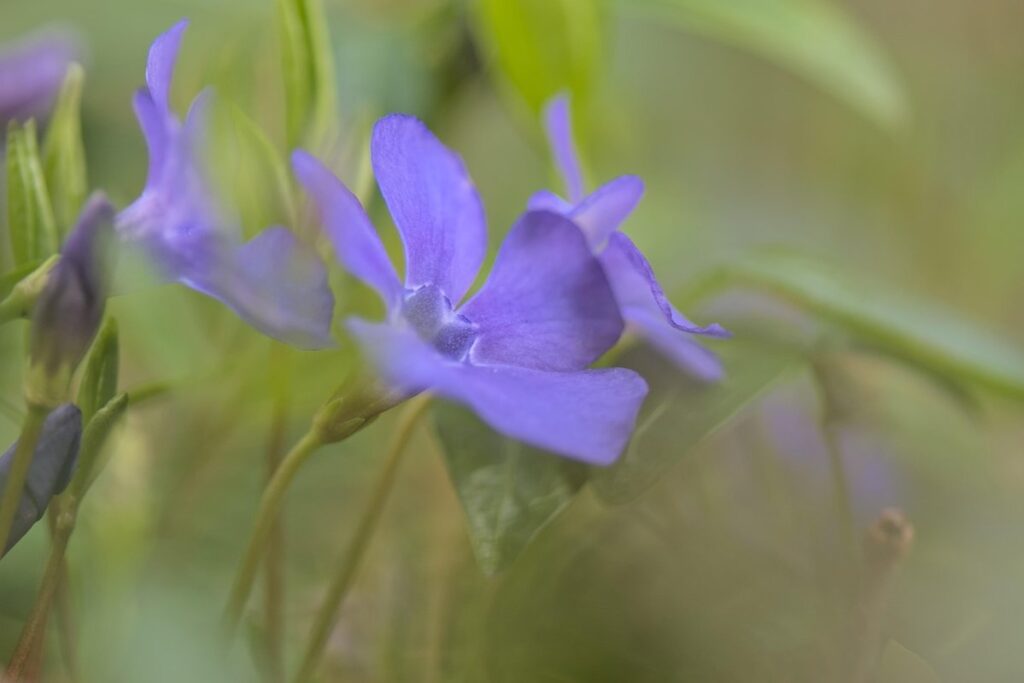
What is Evergreen Ground Cover?
Evergreen ground cover refers to low-growing plants that retain their foliage year-round, providing a lush and vibrant appearance even during winter months. Let’s dive into what makes evergreen ground cover so special.
Definition and Types
When it comes to selecting evergreen ground covers for your garden, understanding their different types is crucial. Evergreen ground cover refers to low-growing plants that retain their leaves year-round, providing a lush and vibrant appearance in gardens. These plants are perfect for areas with poor soil or where other plants may struggle to thrive.
There are several types of evergreen ground covers to choose from, including grasses, flowering plants, and foliage plants. For example, creeping thyme (Thymus serpyllum) is a low-growing, spreading ground cover that forms a dense mat of tiny leaves and produces small, fragrant flowers in the summer. On the other hand, English ivy (Hedera helix) is a versatile evergreen ground cover that can be trained to climb up walls or left to spill over containers.
Consider your garden’s specific needs and climate when selecting an evergreen ground cover. For example, if you live in an area with cold winters, choose plants like boxwood (Buxus sempervirens) or holly (Ilex spp.) that can tolerate frost and snow.
Benefits of Using Evergreen Ground Covers
Using evergreen ground covers can bring numerous benefits to your outdoor space. One of the most significant advantages is reduced maintenance. Evergreen ground covers are incredibly low-maintenance, requiring only occasional watering and pruning to keep them healthy and looking their best. This means you’ll save time and money on lawn care, and have more free time to enjoy your yard.
In addition to reduced maintenance, evergreen ground covers can also improve soil health. Their roots help hold the soil in place, preventing erosion and runoff, while also adding organic matter as they break down. This not only improves the soil’s fertility but also its overall structure, making it easier for plants to grow and thrive.
Furthermore, evergreen ground covers can increase your property value. They add a lush, vibrant touch to your yard, making it more attractive to potential buyers if you decide to sell. Plus, their ability to suppress weeds means less competition for your existing plants, allowing them to grow healthier and stronger.
Incorporating evergreen ground covers into your landscape design is an investment in both time and money. Not only will they save you from regular lawn care chores, but also provide a lasting impact on the overall look and feel of your outdoor space.
Choosing the Right Evergreen Ground Cover for Your Garden
When selecting a suitable evergreen ground cover, it’s essential to consider factors such as your garden’s climate, soil type, and desired maintenance level. This ensures you choose the perfect fit for your outdoor space.
Climate Considerations
When selecting an evergreen ground cover for your garden, it’s essential to consider the climate in which it will thrive. Climate plays a significant role in determining the growth and survival of these plants.
Temperature is a critical factor to consider. Most evergreen ground covers prefer temperatures between 40°F and 80°F (4°C and 27°C), but some can tolerate colder or warmer temperatures. For example, Boxwood (Buxus sempervirens) prefers cooler temperatures, while English Ivy (Hedera helix) is more tolerant of heat.
Humidity levels also impact evergreen ground covers. Plants that thrive in dry conditions include Sedum and Succulents, while those requiring high humidity include Ferns and Ajuga. Be sure to choose a plant suitable for your local climate’s average relative humidity.
Sunlight requirements are another crucial consideration. While most evergreen ground covers prefer partial shade to full sun, some can tolerate deep shade or even full shade. Consider the amount of sunlight your garden receives when selecting an evergreen ground cover that meets its needs. This will ensure optimal growth and prevent potential stress on the plant.
Soil Requirements and Preparation
When selecting an evergreen ground cover for your garden, it’s essential to consider the specific soil requirements of each type. For instance, plants like English ivy and creeping thyme can thrive in poor soil with minimal maintenance, but they still need well-draining soil to prevent root rot.
On the other hand, more delicate species like holly or yew require a slightly acidic to neutral soil pH (around 6.0-7.0) for optimal growth. If your garden’s native soil falls outside this range, you may need to adjust it before planting.
To prepare the soil for evergreen ground cover, start by removing any debris and loosening the top 8-10 inches of soil. Test the pH level and amend it if necessary, using organic matter like compost or mulch to improve drainage and fertility.
Some other tips include:
• Adding a 2-inch layer of compost on top of the existing soil to enrich its nutrient content
• Raking the soil gently to create an even surface for planting
• Watering thoroughly after planting to settle the soil around the roots
Planting and Maintenance Tips
To get the most out of your evergreen ground cover, learn how to properly plant and maintain it, ensuring a lush and healthy landscape for years to come.
Preparing the Garden Bed
Before you can plant your evergreen ground cover, it’s essential to prepare the garden bed. This involves removing weeds and debris that can compete with your new plants for water and nutrients.
Start by clearing the area of any existing vegetation, weeds, or debris. You can use a hoe or hand weeder to remove weeds, or a rake to collect debris like leaves or twigs. Be sure to wear protective gloves when handling weeds, as some species can be prickly or cause skin irritation.
Next, loosen the soil to a depth of about 8-10 inches using a garden fork or spade. This will help improve drainage and allow roots to grow deeper, reducing the need for frequent watering. If your soil is heavy clay or sandy, consider mixing in some organic matter like compost or well-rotted manure to improve its structure.
Check your soil pH levels as well, as most evergreen ground covers prefer a slightly acidic to neutral soil pH (around 6.0-7.0). Take a small sample of soil and send it for testing if you’re unsure about the pH level. Based on the results, add lime or sulfur to adjust the pH accordingly.
Once your garden bed is clear and the soil is loosened, you’ll be ready to plant your evergreen ground cover.
Watering and Fertilization
Proper watering and fertilization are crucial for the health and appearance of evergreen ground covers. These plants thrive in well-draining soil and moderate moisture levels, but over-watering can lead to root rot, while under-fertilizing can stunt growth.
When it comes to watering, check the soil moisture by inserting your finger into the soil up to the first knuckle. If the soil feels dry, it’s time to water. Aim for about 1-2 inches of water per week, either from rainfall or irrigation. Be mindful not to over-water, especially during the winter months when plants grow more slowly.
For fertilization, opt for a balanced, slow-release fertilizer in the spring and summer months. A general rule of thumb is to apply fertilizer at a rate of 10-20% nitrogen, 5-10% phosphorus, and 5-10% potassium (NPK). Avoid over-fertilizing, as this can cause more harm than good.
Remember, it’s essential to adjust your watering and fertilization schedule according to the specific evergreen ground cover variety you’re growing. Some plants require more water or nutrients than others. Keep an eye on your plant’s response and make adjustments accordingly.
Common Evergreen Ground Covers: A Guide to Popular Options
When it comes to choosing the perfect evergreen ground cover for your garden, there are many popular options to consider – let’s take a look at some of the most in-demand varieties.
Low-Growing Grasses
When it comes to low-growing grasses that can serve as evergreen ground covers, there are several options worth considering. One popular choice is creeping juniper (Juniperus horizontalis), a compact and slow-spreading variety that forms a dense mat of needle-like foliage. It’s an excellent option for areas with poor soil quality or where other plants may struggle to thrive.
Another low-growing grass species is thyme (Thymus serpyllum), which forms a delicate, creeping carpet of tiny leaves. This drought-tolerant plant is perfect for areas with limited watering access and can be walked on without damage.
Both creeping juniper and thyme are versatile and adaptable plants that require minimal maintenance, making them ideal for busy gardeners or those new to ground cover installation. They also provide a soft, lush texture underfoot and can help suppress weeds in the process. To incorporate these low-growing grasses into your evergreen ground cover landscape, start by preparing the soil with organic matter like compost or mulch. Then, simply plant the desired variety at the correct spacing (about 6-12 inches apart) and water regularly until established.
Keep in mind that creeping juniper can be quite aggressive and may need to be pruned back periodically to keep it from over-spread. Thyme, on the other hand, is generally more contained but still requires occasional pruning to promote healthy growth.
Flowering Plants
When it comes to flowering evergreen ground covers, there are several options that offer stunning blooms throughout the year. Camellias, for instance, produce showy flowers from fall to early spring, with some varieties blooming as late as June. These beautiful plants thrive in well-drained acidic soil and partial shade, making them an excellent choice for woodland gardens or areas with dappled sunlight.
Heathers are another popular option, offering a range of flower colors from pink to purple. They typically bloom in late winter to early spring, providing a much-needed burst of color after a cold winter. To encourage healthy blooms on heathers, ensure they receive regular watering and fertilization during the growing season. Prune them lightly after blooming to maintain shape and promote new growth.
In addition to camellias and heathers, other flowering evergreen ground covers include rhododendrons, azaleas, and pieris. When selecting a flowering evergreen ground cover for your garden, consider factors like soil type, sunlight requirements, and desired bloom time to ensure the plant thrives in its environment. By choosing the right flowering evergreen ground cover, you can add a pop of color and vibrancy to your outdoor space throughout the year.
Evergreen Ground Covers for Specific Garden Conditions
When choosing evergreen ground cover, it’s essential to consider specific garden conditions that may affect plant growth. We’ll explore suitable options for shade, sun, dry spells, and more.
Shade-Tolerant Options
When it comes to shaded areas in your garden, you want plants that can thrive without direct sunlight. Impatiens and coleus are popular choices for shade-tolerant evergreen ground covers. However, there are many other options available.
Consider using vinca minor, a low-maintenance option that can tolerate deep shade. It’s also an excellent choice for areas with poor soil quality, as it can adapt to a wide range of conditions. Another great option is English ivy, which can grow well in partial shade and requires minimal maintenance.
If you’re looking for something more colorful, consider using pachysandra or periwinkle. These plants have beautiful foliage and can thrive in shaded areas with consistent moisture levels. When selecting shade-tolerant evergreen ground covers, make sure to check the specific lighting requirements for each plant to ensure you choose one that will perform well in your garden.
Keep in mind that even though these plants are more tolerant of shade, they still require some indirect sunlight to photosynthesize and stay healthy.
Drought-Tolerant Options
When it comes to drought-tolerant evergreen ground covers, succulents and sedums are top-notch choices for water-conscious gardeners. Succulents like aloe vera, echeveria, and crassula have adapted to store water in their thick, fleshy leaves, allowing them to survive with minimal watering. Sedums, on the other hand, have underground storage organs called corms that help them conserve water.
To care for succulents and sedums during dry spells, it’s essential to water them sparingly but thoroughly. Allow the soil to dry completely between waterings to prevent root rot. Watering once a week is usually sufficient, but this may vary depending on your climate. In extreme heat, you can water every 4-5 days. Additionally, mulching around plants helps retain moisture in the soil and reduces evaporation.
Some popular drought-tolerant evergreen ground covers include:
* Sedum spurium: A low-growing, spreading sedum with white or pink flowers in summer.
* Dymondia margaretae: A succulent ground cover with silvery-gray leaves that tolerates foot traffic.
* Delosperma: An ice plant with vibrant daisy-like flowers in shades of pink and yellow.
When choosing drought-tolerant evergreen ground covers, make sure to select plants suitable for your specific climate and soil type.
Troubleshooting Common Issues with Evergreen Ground Covers
Evergreen ground covers can be finicky, but don’t worry, we’ve got you covered. This next section tackles common issues to help you troubleshoot and get your plants thriving again!
Pests and Diseases
One of the most frustrating issues you may encounter when growing evergreen ground covers is pests and diseases. These problems can quickly spread and damage a large area of your garden if left unchecked.
Aphids, whiteflies, and spider mites are common pests that target evergreen ground covers. Aphids, in particular, can cause curled or distorted leaves, while whiteflies may leave behind a sticky residue on the foliage. To manage these pests, try introducing beneficial insects like ladybugs or lacewings to your garden, which prey on aphids and other soft-bodied pests.
Root rot is another significant issue that affects evergreen ground covers, often caused by overwatering or poor drainage. Signs of root rot include yellowing leaves, blackening stems, and a soft, mushy texture to the roots. To prevent root rot, ensure good air circulation around your plants and avoid watering too frequently.
Regularly inspect your evergreen ground covers for signs of pests or diseases, and take action promptly if you spot any issues. Keep in mind that prevention is key – maintain healthy soil, provide adequate sunlight and water, and prune regularly to reduce the risk of problems arising.
Improving Air Circulation and Soil Health
When it comes to evergreen ground covers, maintaining good air circulation and soil health is crucial to prevent disease and pest issues. Poor air circulation can lead to moisture accumulation, creating an ideal environment for diseases to thrive. To improve air circulation, consider pruning nearby plants or trees that might be casting shade on the ground cover.
For optimal soil health, ensure it has adequate drainage by adding organic matter like compost or well-rotted manure. This will help prevent waterlogged soil conditions and promote healthy root growth. Regular mulching can also aid in retaining moisture while preventing weeds from competing with the ground cover for resources.
In addition to these measures, rotate evergreen ground covers every 5-7 years to break disease cycles. Plant new specimens at the same depth as the previous ones, avoiding compacting the soil. This will give the roots room to breathe and reduce the risk of root rot.
By implementing these simple practices, you can significantly reduce the likelihood of disease and pest problems in your evergreen ground cover garden.
Conclusion: Making the Most of Evergreen Ground Covers
Now that you’ve learned about the benefits, types, and care requirements of evergreen ground covers, it’s time to put this knowledge into action. To make the most of these versatile plants, consider their full potential by using them as a year-round interest element in your landscape design. For example, plant a low-maintenance shrub-like ground cover like Boxwood or Holly alongside a decorative pathway or under a tree for added visual appeal. By strategically placing evergreen ground covers, you can create a lush and inviting atmosphere that requires minimal maintenance throughout the seasons. Additionally, don’t forget to choose varieties that suit your specific climate and soil type to ensure long-term success.
Frequently Asked Questions
Can I use evergreen ground covers to completely replace my lawn?
Yes, with careful planning and selection, you can create a lush, low-maintenance alternative to traditional lawns using evergreen ground covers. Consider factors like foot traffic, sunlight, and soil quality when choosing the right species for your needs. Some popular options include creeping thyme, sedum, or pachysandra.
How do I prepare my garden bed for planting evergreen ground covers?
Preparing the garden bed is crucial for successful establishment of evergreen ground covers. Remove any debris, loosen compacted soil, and amend with organic matter like compost to improve drainage and fertility. Also, consider incorporating mulch to retain moisture and suppress weeds.
Can I use evergreen ground covers in areas with full shade or deep shade?
Yes, many types of evergreen ground covers can thrive in shaded conditions, including English ivy, pachysandra, and ajuga. When selecting shade-tolerant options, ensure they receive adequate moisture and are protected from extreme temperature fluctuations.
What’s the best way to propagate evergreen ground covers for landscaping projects?
Evergreen ground covers can be propagated through various methods, such as division, layering, or cuttings. Start by choosing a healthy parent plant with desirable traits, then select the most suitable propagation technique based on your goals and resources.
Can I use evergreen ground covers to cover large areas quickly?
While evergreen ground covers are perfect for disguising unsightly areas, they may not be the fastest option for covering large expanses. Consider combining multiple species or using a more rapid-spreading option like creeping juniper or periwinkle to achieve your desired results.