
Are you tired of constantly replanting or weeding your garden? Evergreen ground cover plants can be the perfect solution for low-maintenance gardens. These versatile plants provide year-round coverage, suppressing weeds and adding beauty to your outdoor space with minimal upkeep.
From shade-tolerant varieties like creeping thyme and sweet woodruff, to sun-loving options like juniper and ivy, there’s an evergreen ground cover plant out there for every type of garden. But with so many options available, it can be overwhelming to choose the right one for your needs. That’s why we’ve put together this comprehensive guide, covering top varieties, expert tips on planting and maintenance, and even advice on pest management to ensure your new evergreen ground cover plants thrive.
Choosing the Right Evergreen Ground Covers
When selecting evergreen ground covers for your garden, it’s essential to consider factors such as climate, soil type, and desired growth habit. This will help you choose a plant that thrives in its environment.
Low-Maintenance Options for Busy Gardeners
If you’re a busy gardener, you know that maintaining a lush and vibrant garden can be overwhelming. That’s why we’ve got just the solution for you: low-maintenance evergreen ground covers that thrive with minimal care.
Take sedum, for instance. This succulent ground cover requires infrequent watering, making it perfect for gardens where water conservation is key. Plus, its ability to store water in its leaves means it can survive periods of drought without batting an eye. With a spread of up to 12 inches and delicate white blooms in the summer months, sedum adds visual appeal to any garden.
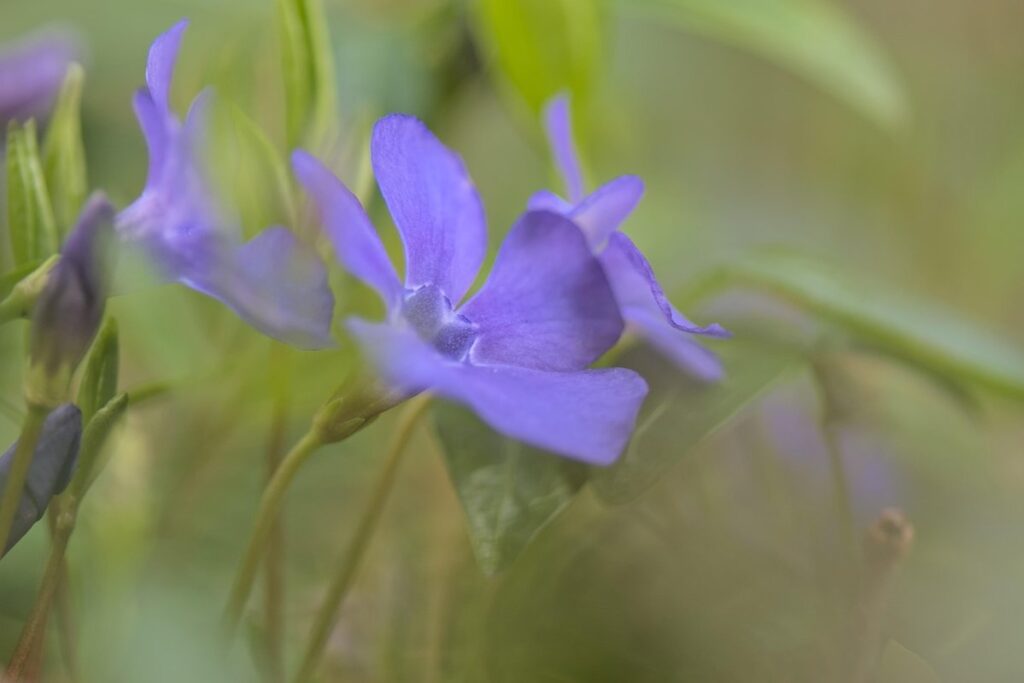
Another low-maintenance option is creeping thyme, which forms a dense mat that crowds out weeds and requires minimal pruning. Vinca minor, also known as periwinkle, grows rapidly and can be used to cover large areas quickly. It’s an excellent choice for slopes or banks where erosion is a concern. To ensure success with these plants, simply choose a spot with the right amount of sunlight and water sparingly – your low-maintenance evergreen ground covers will thank you!
Considerations for Specific Climate Zones
When selecting evergreen ground covers, climate plays a crucial role in determining which plants will thrive. Temperature, humidity, and sunlight levels vary significantly across different regions, making it essential to choose plants that can tolerate local conditions.
For instance, if you live in a hot and dry climate like the Southwest, opt for drought-tolerant species such as succulents or creeping juniper (Juniperus horizontalis). These plants have adapted to conserve water and withstand extreme temperatures. In contrast, areas with mild winters and cool summers, like the Pacific Northwest, can accommodate a wider range of evergreen ground covers, including boxwood (Buxus sempervirens) and English ivy (Hedera helix).
Consider your region’s hardiness zone when selecting plants. Check the USDA Plant Hardiness Zone Map to determine which zones are suitable for your area. This will help you narrow down options to evergreen ground covers that can tolerate local temperature fluctuations.
Benefits of Evergreen Ground Covers
Evergreen ground covers offer a wide range of benefits, from suppressing weeds and retaining soil to providing year-round beauty and wildlife habitat. Let’s explore these advantages in more detail below.
Year-Round Beauty and Versatility
One of the most significant advantages of evergreen ground covers is their year-round beauty and versatility. These plants offer a range of aesthetic benefits that can add color, texture, and interest to gardens throughout the year.
In terms of color, many evergreen ground covers display vibrant foliage, such as chartreuse or emerald green leaves, which can provide a striking contrast to other plants in your garden. For instance, the ‘Gold Rush’ boxwood offers golden-yellow foliage that adds warmth and depth to any landscape. Other varieties, like the ‘Wintergreen’ sweetbox, maintain their deep purple color even in winter, providing a pop of color during the cooler months.
In addition to adding color, evergreen ground covers also contribute to texture and interest through their varied growth habits and leaf shapes. Some plants, such as creeping thyme or sedum, have delicate, airy foliage that creates a soft, romantic look, while others, like English ivy or periwinkle, produce dense, mat-forming growth that can cascade down walls or banks.
By incorporating evergreen ground covers into your garden design, you can create a dynamic, visually appealing space that looks good all year round.
Erosion Control and Soil Stabilization
One of the most significant advantages of evergreen ground covers is their ability to prevent soil erosion and stabilize slopes. As vegetation breaks down over time, it releases organic matter that holds soil particles together, reducing the likelihood of erosion. Evergreen ground covers, with their dense foliage and extensive root systems, can anchor soil in place, preventing landslides and soil loss.
In landscapes with steep slopes or heavy rainfall, evergreen ground covers can be a lifesaver. For example, creeping thyme (Thymus serpyllum) is an excellent choice for slope stabilization due to its extensive root system, which can hold up to 20 times its own weight in soil. Similarly, sedum and succulents are perfect for areas with poor drainage, as their ability to store water helps prevent erosion.
To utilize evergreen ground covers effectively, select species suitable for your climate and soil type. Plant them densely, with a spacing of about 6-12 inches apart, to ensure maximum coverage. Regularly water and maintain the plants to promote healthy growth and prevent weed invasion. By doing so, you’ll not only reduce maintenance needs but also create a beautiful, erosion-resistant landscape that requires minimal upkeep.
Planting and Maintenance Tips
Now that you have chosen your ideal evergreen ground cover, let’s dive into the nitty-gritty of planting and maintaining it for a lush, thriving display. We’ll cover essential tips to ensure success from day one.
Preparing the Soil for Success
Before planting evergreen ground covers, it’s essential to prepare the soil for success. This involves understanding the pH levels and nutrient requirements of your chosen plants, as well as considering their root depth.
Start by testing your soil pH level using a DIY kit or consulting with a local nursery professional. Most evergreen ground covers prefer slightly acidic to neutral soil pH (between 6.0-7.0). If your soil is too alkaline, add sulfur-based products to lower the pH. On the other hand, if it’s too acidic, mix in lime to raise the pH.
In terms of nutrient requirements, most evergreen ground covers prefer well-draining soil with a balanced fertilizer application. For example, English Ivy (Hedera helix) thrives in slightly acidic soils with moderate fertilizer levels, while Dwarf Mondo Grass (Ophiopogon japonicus) tolerates alkaline soils but requires more frequent watering.
Dig your planting area to the recommended root depth of your chosen evergreen ground cover. For instance, creeping juniper typically has a deep taproot that can reach up to 12 inches in depth. By doing this, you’ll ensure proper establishment and reduce the risk of plant failure.
Watering and Fertilization Strategies
Watering evergreen ground covers is crucial to prevent scorching and promote healthy growth. As a general rule of thumb, water these plants when the top 1-2 inches of soil feels dry to the touch. However, this frequency may vary depending on climate conditions. For example, in regions with high temperatures and low rainfall, you might need to water your evergreen ground covers every 2-3 days during peak summer months.
On the other hand, in cooler climates with ample rainfall, you can reduce watering to once a week or even bi-weekly. When watering, make sure not to overwater, as this can lead to root rot and kill the plant. A general guideline is to provide about 1-2 gallons of water per square foot of coverage.
When it comes to fertilizing your evergreen ground covers, choose a balanced fertilizer (10-10-10 NPK) or an acidic fertilizer (20-5-5 NPK) suitable for acid-loving plants like azaleas and rhododendrons. Fertilize in the spring when new growth begins, following the manufacturer’s instructions for application rates. Avoid overfertilizing, as this can burn the roots of your evergreen ground covers.
Common Evergreen Ground Cover Plants
When it comes to low-maintenance, year-round greenery, common evergreen ground cover plants are a gardener’s dream come true. Let’s take a look at some popular options perfect for your yard.
Top 10 Varieties for Home Gardeners
When it comes to choosing the perfect evergreen ground cover for your home garden, there are countless options available. However, some varieties stand out from the rest due to their exceptional characteristics and uses in landscaping. Here are the top 10 most popular evergreen ground cover plants that you may want to consider:
Pachysandra (1-2 inches growth rate): This slow-growing plant is ideal for shaded areas and can form a dense mat of leaves. Its versatility makes it perfect for use as a lawn substitute or to add year-round interest under trees.
English Ivy (2-3 inches growth rate) and Creeping Thyme (0.5-1 inch growth rate) are also popular choices, offering low-maintenance options with beautiful foliage.
Periwinkle (12-18 inches growth rate), Holly Fern (6-12 inches growth rate), and Boxwood (3-6 inches growth rate) can add structure and texture to your garden.
Blue Star Creeper (1-2 inches growth rate), Dwarf Mondo Grass (0.5-1 inch growth rate), and Vinca minor (1-2 inches growth rate) offer a range of foliage colors, from blue-green to deep green.
When selecting an evergreen ground cover, consider factors such as growth rate, sunlight requirements, and soil conditions to ensure the best results for your garden.
Remember to plant multiple varieties together to create a diverse and visually appealing landscape. By incorporating these top 10 evergreen ground covers into your garden design, you’ll be well on your way to creating a stunning outdoor space that thrives year-round.
Rare and Exotic Options for the Adventurous Gardener
If you’re looking to add an exotic touch to your garden, consider these rare and unusual evergreen ground cover options. One such plant is Pachysandra terminalis, also known as Japanese Spurge. Native to Japan, this slow-growing, shade-loving plant has beautiful, glossy leaves that form a dense mat of foliage.
Another unique option is the Vinca minor ‘Alba’ (white-leafed periwinkle), which boasts white-edged leaves and delicate blue flowers in the spring. This low-maintenance ground cover prefers well-drained soil and partial shade.
The rare and sought-after Griselinia littoralis, or New Zealand Privet, is another option for adventurous gardeners. This evergreen shrub has small green leaves and produces white flowers in late summer. Be aware that it can be toxic to animals if ingested, so ensure proper placement and care.
If you’re prepared to go the extra mile, consider cultivating the exotic Camellia sasanqua or Rhododendron spp. These plants thrive in acidic soil and require regular watering but reward with stunning fall blooms. With the right conditions and care, these unusual evergreen ground covers can add a touch of sophistication to even the most traditional garden design.
Pest and Disease Management
Managing pests and diseases is crucial when it comes to evergreen ground cover plants, so let’s dive into some effective control methods. We’ll cover common issues and solutions to keep your garden healthy and thriving.
Common Pests Affecting Evergreen Ground Covers
Evergreen ground covers are susceptible to various pests that can cause significant damage if left unchecked. One of the most common pests affecting evergreen ground covers is slugs and snails. These slimy creatures feed on the leaves, stems, and flowers of plants, leaving behind a trail of silvery slime. To control slugs and snails, use copper tape or crushed eggshells around plant beds, as they don’t like to cross over these barriers.
Another common pest is caterpillars, which can be identified by their distinctive eating patterns on leaves. Organic control methods for caterpillars include introducing beneficial insects such as parasitic wasps or lacewings that prey on them. Chemical control methods involve using insecticidal soap or Bt (Bacillus thuringiensis) sprays.
Regular monitoring of plants and keeping the area clean by removing weeds and debris can help prevent pest infestations. It’s also essential to maintain a balanced ecosystem by planting a mix of flowers that attract beneficial insects, which will help control pest populations naturally.
Preventing and Managing Diseases in Evergreen Ground Covers
Preventing diseases like root rot, leaf spot, and powdery mildew is crucial to maintaining healthy evergreen ground covers. To prevent these issues, it’s essential to implement good sanitation practices. Remove any dead or diseased plant material to prevent the spread of disease. This includes fallen leaves, flowers, and stems.
Regular pruning also plays a significant role in preventing diseases. Prune your evergreen ground cover regularly to promote air circulation and remove any infected areas. However, avoid over-pruning, as this can stress the plant further, making it more susceptible to disease.
When using fungicides, follow the instructions carefully and consider the environmental impact. Fungicides are most effective when applied preventatively, before symptoms appear. Keep in mind that some fungicides may not be suitable for use near waterways or in sensitive ecosystems.
To manage diseases that have already taken hold, apply a fungicide according to the product’s instructions. Monitor your plants closely and remove any severely infected areas to prevent further spread.
Frequently Asked Questions
Can I plant evergreen ground covers in containers, or do they require direct soil contact?
Evergreen ground covers can be planted in containers, provided the container is at least 6-8 inches deep and has good drainage holes. This method is ideal for small spaces or areas with poor soil quality. When planting in a container, use a well-draining potting mix and follow regular watering and fertilization schedules.
How do I prevent damage to my evergreen ground covers from pests like deer, rabbits, or slugs?
To prevent pest damage, consider using physical barriers like fencing or mesh around your garden beds. You can also apply repellents containing predator urine or hot pepper extracts. For slugs and snails, set up copper tape barriers or hand-pick them at night.
What’s the best way to propagate evergreen ground covers, and how often should I divide them?
Evergreen ground covers can be propagated through division, cuttings, or layering. Divide mature plants in spring or fall when they become pot-bound or overcrowded. Cuttings from stems or leaves can be taken during the growing season, while layering involves bending a stem down to soil level and weighing it down until roots develop.
Can I grow evergreen ground covers under trees with full shade, or will they still require some sunlight?
Yes, many evergreen ground cover species thrive in shaded conditions. Choose varieties like creeping thyme, sweet woodruff, or vinca minor for areas with dappled or full shade. However, ensure the area receives sufficient moisture and maintain a regular watering schedule to prevent water stress.
How do I ensure my evergreen ground covers receive adequate nutrients, especially in poor soil conditions?
To provide your evergreen ground covers with essential nutrients, use a balanced, slow-release fertilizer during the growing season (spring-fall). Supplement with compost or well-rotted manure for improved soil structure and fertility. Regularly test your soil pH to adjust as necessary and maintain optimal nutrient levels.