
Are you tired of your garden looking dull during the off-season? Look no further! Evergreen flowering shrubs are here to save the day, providing year-round beauty and vibrancy even in the chilliest months. These incredible plants not only offer stunning blooms but also maintain their lush foliage throughout the seasons, making them a game-changer for any gardener.
In this article, we’ll delve into the world of evergreen flowering shrubs, exploring the best species to suit your climate, tips on pruning and fertilization, and expert advice on how to keep these gorgeous plants thriving. Whether you’re a seasoned horticulturist or just starting out, our comprehensive guide will walk you through everything you need to know to create a stunning year-round garden that will impress neighbors and friends alike.
Choosing the Right Evergreen Flowering Shrub
Now that you’ve narrowed down your options, let’s dive into choosing the right evergreen flowering shrub for your garden, considering factors like climate and maintenance.
Climate and Hardiness Considerations
When selecting an evergreen flowering shrub for your garden, it’s essential to consider the climate and hardiness zone of your area. This will ensure that the plant thrives and continues to provide beautiful blooms throughout the year.
To determine which evergreen flowering shrubs are suitable for your climate, start by checking the USDA Plant Hardiness Zone Map. This map divides the country into zones based on average winter low temperatures. Choose a shrub that is rated for your specific zone or one zone higher. For example, if you live in Zone 6, look for shrubs rated for Zones 5-7.
Consider factors like temperature, humidity, and sunlight requirements when selecting an evergreen flowering shrub. Some shrubs, like Camellias, prefer mild winters and cool summers, while others, like Rhododendrons, can tolerate warmer temperatures. Be sure to check the specific needs of each plant to ensure it will thrive in your environment.
In addition to hardiness zone, also consider local microclimates that may affect the shrub’s performance. For instance, a south-facing wall or nearby body of water can create a warmer microclimate than the surrounding area. By choosing an evergreen flowering shrub that is well-suited to your specific climate and conditions, you’ll be able to enjoy its beauty for years to come.
Soil and Moisture Requirements
When choosing an evergreen flowering shrub for your garden, it’s essential to consider its soil and moisture requirements. Different species have varying needs when it comes to pH levels, nutrient content, and water retention.
To determine the optimal growing conditions for your chosen shrub, start by testing your soil pH and nutrient levels. You can purchase a DIY soil testing kit or send a sample to a laboratory for analysis. Most evergreen flowering shrubs prefer slightly acidic to neutral soil pH (5.5-7.0). For example, Camellias thrive in acidic soils with a pH range of 5.5-6.5.
Some evergreen flowering shrubs are adapted to dry conditions and can tolerate low water levels, such as the Dwarf Gardenia or Yew. However, others require consistent moisture, like the Hydrangea or Azalea. Be sure to research the specific needs of your chosen species to avoid overwatering or underwatering.
When selecting a location for your shrub, consider the natural drainage and water table in your area. This will help you determine whether you need to add organic matter or install irrigation systems to ensure optimal growth conditions. By understanding the soil and moisture requirements of your evergreen flowering shrub, you can create a thriving environment that showcases its beauty throughout the year.
Popular Evergreen Flowering Shrub Species
When it comes to choosing low-maintenance, year-round beauty for your garden, there are many popular evergreen flowering shrub species that fit the bill perfectly. Let’s explore some of the best options together!
Camellias: Show-Stopping Blooms
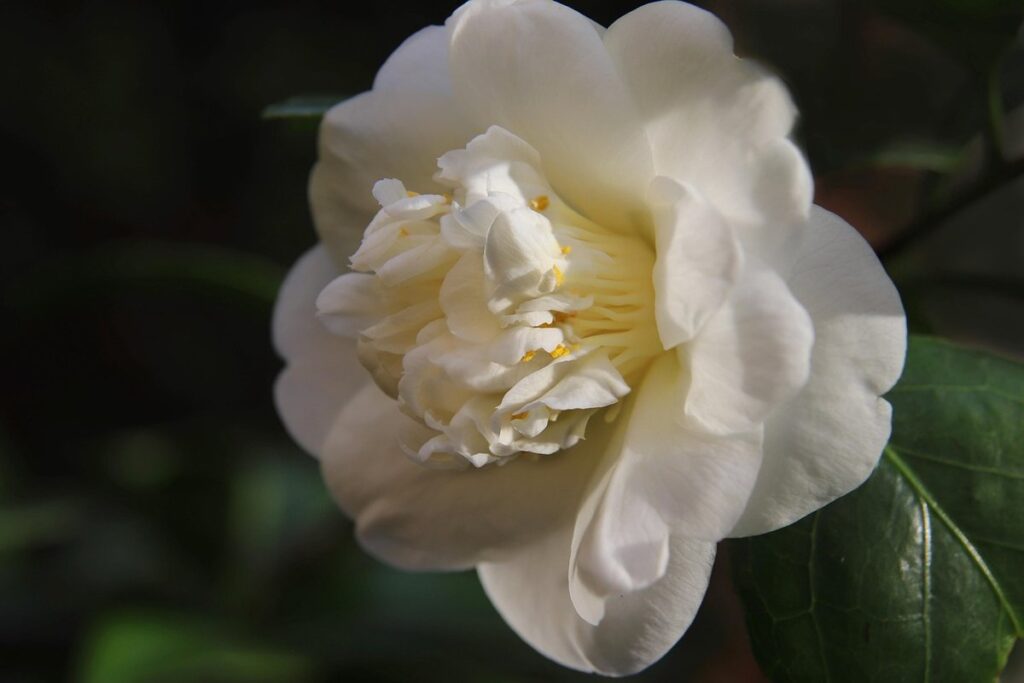
Camellias are one of the most sought-after evergreen flowering shrubs, prized for their stunning, show-stopping blooms. These beautiful plants come in a wide range of sizes and shapes, making them suitable for various garden settings. Some popular varieties include Camellia sasanqua, which grows up to 10 feet tall, while others like Camellia reticulata can reach heights of over 15 feet.
One of the most notable characteristics of camellias is their vibrant blooming periods, typically occurring in late fall and early winter. This makes them a great choice for adding color to your garden during off-season months when other flowering plants are dormant. Camellia blooms range from soft pastels to rich jewel tones, with many varieties featuring distinct markings or patterns.
When selecting a camellia species, consider factors like soil type, sun exposure, and desired bloom color. For example, Camellia sasanqua prefers well-drained acidic soil and partial shade, while Camellia reticulata thrives in full sun and can tolerate a range of soil conditions. By choosing the right camellia variety for your specific garden needs, you’ll be rewarded with breathtaking blooms that provide year-round interest and beauty.
Rhododendrons: Vibrant Blooms in Spring
Rhododendrons are a staple in many spring gardens, providing vibrant blooms that add color and vibrancy to outdoor spaces. These flowering shrubs are known for their unique characteristics, with over 1,000 species to choose from, offering varying heights, bloom times, and growth habits.
When selecting a rhododendron variety, consider factors such as mature height, spread, and bloom time. Some popular varieties like ‘PJM’ and ‘Robinsoniana’ produce stunning purple blooms in late winter to early spring, while others like ‘Yaku Princess’ showcase vibrant pink flowers in mid-to-late spring.
To ensure optimal growth and blooming, rhododendrons require well-draining acidic soil with a pH between 4.5 and 6.0. They also prefer partial shade to full sun, depending on the climate and location. Regular watering, especially during dry spells, is crucial, as is pruning after blooming to maintain shape and promote healthy growth.
With proper care and selection, rhododendrons can add a splash of color to gardens for years to come. When selecting a variety, consider your specific needs and preferences, taking into account factors like mature size, bloom time, and desired growth habit.
Evergreen Flowering Shrub Care and Maintenance
To keep your evergreen flowering shrubs thriving, it’s essential to understand their specific care and maintenance needs, which vary from species to species. Regular pruning is a great place to start.
Pruning Techniques and Schedules
Pruning is an essential aspect of evergreen flowering shrub care. Regular pruning not only maintains the plant’s shape and size but also promotes healthy growth, encourages blooming, and removes dead or diseased branches. The frequency of pruning varies depending on the species, climate, and growing conditions.
For example, camellias require regular pruning to maintain their compact shape and promote blooming. Prune them in late winter or early spring, removing any dead or damaged branches. Evergreen azaleas, on the other hand, can be pruned immediately after flowering, as they produce new flowers on old wood.
When pruning evergreen flowering shrubs, use sharp, clean tools to prevent spreading diseases. For smaller shrubs, hand pruners or loppers are sufficient, while larger shrubs may require a pruning saw. Prune at the right time: in late winter or early spring for most species, and immediately after flowering for those that bloom on old wood.
Some general guidelines include:
* Pruning every 2-3 years to maintain shape and promote blooming
* Removing dead, diseased, or damaged branches
* Cutting back overgrown tips by one-third to one-half
* Not pruning too heavily, as this can stress the plant
Fertilization and Pest Control Strategies
When it comes to maintaining evergreen flowering shrubs, fertilization and pest control are two crucial aspects that often get overlooked. However, proper fertilization during different growth stages is essential for promoting healthy growth, vigorous blooming, and overall plant performance.
Fertilize your evergreen flowering shrubs in the early growing season (late winter to early spring), when new growth begins. This is an ideal time to apply a balanced fertilizer that contains nitrogen, phosphorus, and potassium (N-P-K). For example, a fertilizer with a ratio of 10-10-10 will provide equal amounts of each nutrient.
To address common pests like spider mites, aphids, and scale insects, use integrated pest management (IPM) strategies. Start by inspecting your plants regularly for signs of infestation and take action promptly. Use neem oil or insecticidal soap to control minor outbreaks. For more severe infestations, consider using systemic insecticides like imidacloprid.
Common diseases affecting evergreen flowering shrubs include root rot, leaf spot, and powdery mildew. To prevent these issues, ensure good air circulation around your plants and water them properly, avoiding overwatering. Regularly inspect for signs of disease and treat with fungicides if necessary.
Companion Planting and Design Ideas
To make the most of your evergreen flowering shrubs, consider combining them with complementary plants to create visually appealing displays. We’ll explore some great companion planting ideas in this section.
Combining Evergreen Flowering Shrubs with Perennials and Annuals
When combining evergreen flowering shrubs with perennials and annuals, the possibilities are endless. To create a visually appealing garden design, consider color coordination as a top priority. For instance, pair the vibrant purple blooms of a lavender or lilac with the soft pink flowers of a rhododendron. Alternatively, complement the bright yellow flowers of a forsythia with the deep blue blooms of a hydrangea.
Texture contrast is another essential factor to consider when combining plants. Mix the delicate, lacy foliage of a fern with the dense, glossy leaves of an evergreen shrub like holly or boxwood. This will add depth and visual interest to your garden design. Space planning is also crucial – leave enough room for each plant to grow and thrive without overcrowding.
To create a cohesive look, repeat plants throughout your garden design. Use them in different areas of the yard, such as grouping several evergreen shrubs together with perennials like daylilies or coneflowers. Remember, the goal is to create a harmonious balance between contrasting textures and colors. With these tips, you’ll be well on your way to designing a stunning garden that showcases the beauty of your evergreen flowering shrubs.
Using Evergreen Flowering Shrubs as Hedges or Borders
When it comes to incorporating evergreen flowering shrubs into your landscape design, using them as hedges, borders, or screens is a great way to add beauty and structure to your outdoor space. These versatile plants can thrive in a variety of conditions and provide year-round interest with their attractive foliage and blooms.
One of the most popular uses for evergreen flowering shrubs is as a hedge. They can be pruned to maintain a specific height or shape, making them an excellent choice for defining boundaries or creating a sense of separation between different areas of your garden. For example, consider using Boxwood (Buxus sempervirens) or English Ivy (Hedera helix) to create a low-maintenance hedge that requires minimal pruning.
Evergreen flowering shrubs can also be used as borders to add color and texture to your landscape. Plant them along walkways, driveways, or garden beds to create a beautiful display of flowers and foliage. For instance, try using Rhododendrons (Rhododendron spp.) or Azaleas (Rhododendron spp.) to add vibrant blooms to your borders.
When selecting evergreen flowering shrubs for hedges or borders, consider factors such as mature size, growth rate, and maintenance requirements. Choose plants that fit your climate and soil type to ensure they thrive in their environment. With proper care and pruning, these beautiful shrubs can provide decades of enjoyment and beauty to your landscape.
Troubleshooting Common Issues with Evergreen Flowering Shrubs
We all experience setbacks when caring for our evergreen flowering shrubs, which can lead to disappointing results and frustration. Let’s tackle some common issues together.
Identifying and Managing Pest and Disease Problems
Evergreen flowering shrubs can be susceptible to various pests and diseases that can cause damage to their foliage, flowers, and overall health. Some common pests that affect evergreen flowering shrubs include spider mites, scale insects, and bagworms. These pests can be identified by the presence of fine webbing, white powdery residue, or small holes in leaves.
Diseases such as root rot, leaf spot, and twig dieback are also prevalent. Root rot is often caused by overwatering, while leaf spot and twig dieback are typically fungal infections that require proper treatment to prevent spread. To manage pest and disease problems, inspect your shrub regularly for signs of infestation or infection.
If you notice any issues, isolate the affected area and treat it with insecticidal soap or fungicides as needed. For prevention, maintain good garden hygiene by removing weeds and debris, watering wisely, and providing adequate air circulation around plants. Regular pruning can also help promote healthy growth and prevent pest and disease issues from taking hold. By being vigilant and taking proactive measures, you can minimize the risk of pest and disease problems affecting your evergreen flowering shrubs.
Dealing with Drought Stress and Over-Watering Issues
Dealing with Drought Stress and Over-Watering Issues in Evergreen Flowering Shrubs is crucial to their long-term health. Recognizing the signs of drought stress or over-watering can be challenging, but there are several indicators to look out for. For instance, if your shrub’s leaves turn yellow or wilt, it may be a sign that it’s not receiving enough water. Conversely, if you notice soft, mushy stems and roots, it might be getting too much water.
To address drought stress, adjust your irrigation schedule to ensure the soil is moist but not waterlogged. Check the moisture level of the top 2-3 inches of soil by inserting your finger or a moisture meter. If the soil feels dry, it’s time for watering. To improve soil drainage, consider adding organic matter like compost or well-rotted manure. This will help break up compacted soil and allow water to penetrate more easily.
Promote healthy root systems by avoiding over-tightening of soil around the base of the shrub. Instead, create a shallow layer of mulch to retain moisture and suppress weeds. Regular monitoring of your shrubs’ watering needs will help you fine-tune their care.
Evergreen Flowering Shrub Varieties for Year-Round Interest
If you’re looking for low-maintenance shrubs that bring beauty to your garden year-round, look no further than these exceptional evergreen flowering varieties. We’ll explore some of our favorites next!
Low-Maintenance Options for Busy Gardeners
If you’re a busy gardener looking for low-maintenance evergreen flowering shrubs that can add year-round interest to your outdoor space, we’ve got some excellent options for you. These shrubs are designed to thrive in various conditions and require minimal care.
The Dwarf Korean Lilac (Syringa ‘Palibin’) is a great choice for busy gardeners. It grows up to 4-6 feet tall, has a compact spread of around 3-4 feet, and blooms with fragrant purple flowers from late spring to early summer. This shrub prefers well-drained soil but can tolerate some drought.
Another low-maintenance option is the Boxwood (Buxus sempervirens), which grows up to 10-15 feet tall and wide. It produces small white flowers in the spring, but its main appeal lies in its glossy leaves that retain their color year-round. This shrub prefers full sun to partial shade and well-drained soil.
Lastly, consider the Camellia (Camellia sasanqua), which grows up to 10-15 feet tall and wide. It blooms with showy pink or white flowers from fall to early spring, making it a great choice for year-round interest. This shrub prefers acidic soil and partial shade to full sun.
When choosing low-maintenance evergreen flowering shrubs, remember to select varieties that suit your specific climate and soil type. With proper care (which is minimal!), these shrubs will provide you with beautiful blooms and lush foliage all year round.
Winter-Flowering Evergreen Shrubs for Festive Color
Winter-flowering evergreen shrubs are a delight to behold during the cold winter months. These shrubs burst forth with vibrant blooms, adding pops of color and texture to an otherwise barren landscape. Take, for instance, the Camellia sasanqua, which produces showy white, pink, or red flowers from fall to early spring.
Another standout variety is the Viburnum x burkwoodii, with its clusters of small, fragrant flowers that bloom in late winter and early spring. These shrubs often grow to be 6-8 feet tall, making them an excellent choice for hedges or specimen plants.
When incorporating winter-flowering evergreen shrubs into your garden design, consider their mature size and growth habits. Plant them near a walkway or patio to enjoy the blooms up close. Also, don’t forget to incorporate some complementary evergreen foliage, such as boxwood or holly, to create year-round visual interest.
To maximize blooming times, plant winter-flowering shrubs in areas with full sun to partial shade. Most importantly, remember to choose varieties that fit your specific climate and soil type for optimal performance and health. By doing so, you’ll be rewarded with a stunning display of color and fragrance during the bleakest of winter months.
Frequently Asked Questions
Can I grow evergreen flowering shrubs in containers?
Yes, many species of evergreen flowering shrubs can thrive in containers, making them perfect for small gardens or balconies. When growing in pots, ensure good drainage and use a well-draining potting mix to prevent waterlogged soil.
How often should I fertilize my evergreen flowering shrub?
Fertilize your evergreen flowering shrub regularly during the growing season (spring-fall) with a balanced fertilizer. Avoid over-fertilizing, as this can damage the plant’s delicate roots. Yes, it’s okay to fertilize during the dormant season if you notice poor growth or lackluster blooms.
Can I use evergreen flowering shrubs as a hedge?
Yes, many species of evergreen flowering shrubs are ideal for hedging due to their compact growth habit and year-round interest. Consider plants like Camellia or Rhododendron for their density and blooming seasons.
How do I prevent pest issues with my evergreen flowering shrub?
To minimize the risk of pests, maintain a healthy plant by providing optimal growing conditions, including proper watering, fertilization, and pruning. Monitor your plant regularly for signs of infestation and treat promptly if necessary.
Can I combine evergreen flowering shrubs with perennials and annuals in my garden design?
Yes, incorporating evergreen flowering shrubs into your garden design is a great way to add structure and year-round interest. Choose companion plants that complement the bloom seasons and growth habits of your evergreen shrub for a harmonious and visually appealing garden bed.