
Are you tired of your garden looking dull during the winter months? Look no further than evergreen climbing plants, which bring year-round beauty and vibrancy to any outdoor space. These incredible plants are not only a feast for the eyes but also provide numerous benefits, from adding structure to your garden design to attracting wildlife. But with so many varieties to choose from, it can be overwhelming to know where to start.
In this comprehensive guide, we’ll take you on a journey through the world of evergreen climbing plants, exploring their unique characteristics, benefits, and care requirements. We’ll highlight some of the best options for your garden, including their growth habits, flowering times, and how to train them to climb. Whether you’re a seasoned gardener or just starting out, this article will provide you with everything you need to know to create a stunning evergreen display in your own backyard.
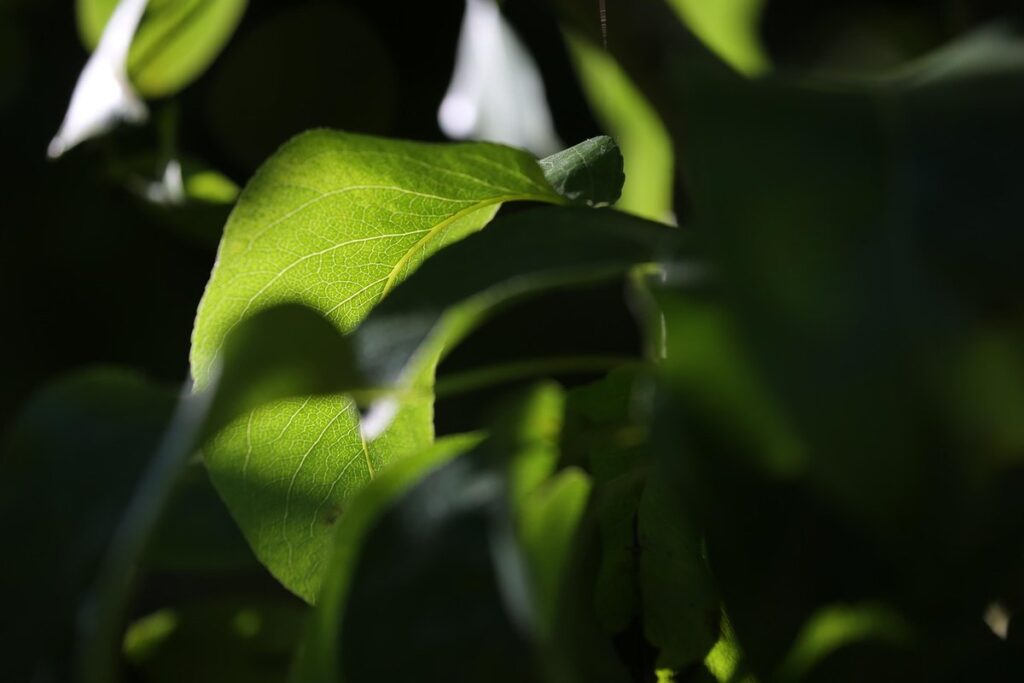
What are Evergreen Climbing Plants?
So, what exactly makes a climbing plant evergreen? This section answers that question and provides a clear definition of what these hardy plants offer.
Characteristics of Evergreen Climbing Plants
Evergreen climbing plants are remarkable for their ability to maintain their foliage year-round, making them an attractive choice for gardeners and homeowners. One of the most distinctive characteristics of these plants is their capacity to thrive in a wide range of environments. Whether you live in a hot and dry climate or a cool and humid one, there’s an evergreen climbing plant that can adapt.
Their leaves, often needle-like or glossy, are typically resistant to cold temperatures, allowing them to survive frosty winters without significant damage. This is particularly beneficial for gardeners who want to enjoy greenery throughout the year, regardless of the season. Evergreen climbers like English ivy and Boston ivy can even tolerate extreme weather conditions.
When selecting an evergreen climbing plant, consider factors such as light exposure, temperature tolerance, and soil preferences. Be sure to choose a plant that suits your local climate and growing conditions for optimal results. With proper care, these plants will continue to thrive and provide beauty and interest in your garden or indoor space all year round.
Benefits of Growing Evergreen Climbing Plants
Growing evergreen climbing plants offers numerous benefits that can enhance your outdoor space and contribute to a healthier environment. One of the most significant advantages is their decorative value. These plants come in a variety of shapes, sizes, and colors, allowing you to choose the perfect specimen for your garden’s theme or style. They can be trained to grow up walls, trellises, or other structures, adding visual interest and beauty to your outdoor space.
Evergreen climbing plants also play a crucial role in improving air quality. By releasing oxygen and absorbing pollutants, they help purify the air we breathe. For instance, English ivy (Hedera helix) is known for its ability to remove particulate matter and other airborne toxins from the atmosphere. By incorporating these plants into your garden or indoor spaces, you can contribute to a healthier environment.
In addition to their aesthetic and environmental benefits, evergreen climbing plants also support local wildlife. They provide shelter, food, and habitat for various species of birds, insects, and small mammals. For example, clematis (Clematis spp.) attracts pollinators like bees and butterflies with its nectar-rich flowers, while honeysuckle (Lonicera spp.) offers berries that are a vital source of nutrition for birds during the winter months. By planting these species in your garden, you can create a welcoming habitat for local wildlife and support biodiversity.
Types of Evergreen Climbing Plants
When it comes to choosing the perfect evergreen climbing plant for your garden, understanding the various types available is crucial. Let’s explore some popular options to suit different tastes and spaces.
Topiary and Trailing Varieties
When it comes to topiary and trailing varieties of evergreen climbing plants, there are many options to choose from. Two popular choices for homeowners and landscapers alike are English Ivy (Hedera helix) and Creeping Fig (Ficus pumila). Both of these plants have unique growth habits that make them ideal for creating different looks in your garden.
English Ivy is a versatile plant that can be used to create topiary shapes, from spheres to pyramids. It’s also great for trailing down walls or trellises, making it a popular choice for hedges and borders. Creeping Fig, on the other hand, has a more delicate growth habit and is often used to cover large areas quickly. Its small leaves and stems allow it to climb up trees and buildings with ease.
In landscaping, these plants are often used to add texture and depth to gardens and landscapes. They can be trained to follow specific shapes or patterns, making them perfect for ornamental purposes. For example, English Ivy can be shaped into a beautiful ball or cube, while Creeping Fig can be used to create a natural-looking “cloak” effect on walls and buildings.
In addition to their aesthetic appeal, both plants are also great at providing year-round interest in the garden. They remain green throughout the seasons, making them an attractive choice for gardens with low-maintenance requirements. With proper care and training, these plants can thrive in a variety of conditions and add beauty to any outdoor space.
Vine and Trellis Clingers
Vine and trellis clingers are some of the most versatile and adaptable evergreen climbing plants out there. Take Boston Ivy (Parthenocissus tricuspidata) and Virginia Creeper (Parthenocissus quinquefolia), for example. These two plants share a unique ability to cling to surfaces using tiny root-like structures called aerial roots, allowing them to grow up walls, trellises, and even tree trunks.
One of the key benefits of vine and trellis clingers like Boston Ivy and Virginia Creeper is their ability to thrive in a wide range of conditions. They can tolerate full sun to partial shade, dry soil to moist, and even extreme temperatures. This makes them an excellent choice for gardeners with varying levels of expertise and different environmental conditions.
When using vine and trellis clingers in your garden, be sure to provide them with a sturdy support system. Boston Ivy, for instance, can grow quite heavy when fully matured, so make sure to choose a trellis or wall that can support its weight. With proper care and maintenance, these plants will reward you with stunning foliage and vibrant fall colors that will add depth and visual interest to your outdoor space.
Growing Conditions for Evergreen Climbing Plants
To grow evergreen climbing plants, you’ll need to consider their ideal temperature range and humidity levels, as these can greatly impact their health and vigor.
Temperature and Climate Requirements
When it comes to growing evergreen climbing plants, understanding their ideal temperature and climate requirements is crucial for success. These plants can thrive in a variety of environments, but they still have specific needs that must be met.
Hardiness zones play a significant role in determining which evergreen climbing plants will grow well in your area. The USDA Hardiness Zone Map divides the country into 11 zones based on average annual extreme minimum temperature. For example, the English ivy (Hedera helix) is hardy in zones 5-9, meaning it can tolerate temperatures as low as -20°F (-29°C) and as high as 70°F (21°C). On the other hand, some plants like the Boston ivy (Parthenocissus tricuspidata) are more sensitive to frost and require warmer climates.
Most evergreen climbing plants prefer temperatures between 40°F (4°C) and 80°F (27°C), with an average temperature of around 60-70°F (15-21°C). However, some plants like the star jasmine (Trachelospermum jasminoides) can tolerate higher temperatures up to 90°F (32°C).
In terms of climate, evergreen climbing plants generally prefer:
• Well-draining soil
• Moderate humidity levels
• Protection from strong winds
• Dappled or partial shade in warmer climates
When choosing an evergreen climbing plant for your garden, consider the specific temperature and climate requirements. By selecting a plant that matches your local conditions, you’ll be more likely to achieve success and enjoy these beautiful plants for years to come.
Soil Preferences and pH Levels
When it comes to growing evergreen climbing plants, understanding their soil preferences and pH levels is crucial for optimal growth. Different types of evergreen climbers have unique requirements when it comes to soil conditions.
For example, English ivy (Hedera helix) prefers well-draining soil with a slightly acidic to neutral pH (around 6.0-7.0). On the other hand, Clematis armandii thrives in slightly alkaline to neutral soil (pH 7.0-8.0). Ignoring these specific needs can lead to nutrient deficiencies, root rot, and even plant death.
Before planting evergreen climbers, it’s essential to test your soil pH levels and amend the soil accordingly. If your soil is too acidic or alkaline, add lime to raise the pH or sulfur to lower it. You can also consider using a mix specifically designed for evergreen plants.
To ensure healthy growth, always choose a well-draining potting mix that allows excess water to escape, reducing the risk of root rot. A general rule of thumb is to repot evergreen climbers every 2-3 years, as their roots tend to outgrow containers quickly.
Care and Maintenance of Evergreen Climbing Plants
To keep your evergreen climbing plants thriving, it’s essential to understand their specific care needs, including pruning, training, and seasonal maintenance. Regular attention will ensure they continue to provide beauty year-round.
Watering and Humidity Needs
When it comes to watering and humidity needs, evergreen climbing plants can be quite diverse. Some species thrive in dry conditions, while others require high humidity to flourish. For instance, the Pergola Rose (Rosa banksiae) is a low-maintenance option that tolerates drought well and requires infrequent watering, whereas the Trumpet Vine (Campsis radicans) needs consistent moisture, especially during hot spells.
If you live in an area with dry spells, look for plants like English Ivy (Hedera helix), Boston Ivy (Parthenocissus tricuspidata), or Clematis that can survive with minimal watering. Conversely, if your environment is humid, consider species like Honeysuckle (Lonicera) or Passionflower (Passiflora) that thrive in high-humidity conditions.
In general, it’s essential to check the soil moisture by inserting a finger into the top 2-3 inches of soil. Water your evergreen climbing plant when the soil feels dry to the touch. Also, ensure good air circulation around the plant to prevent moisture buildup and potential diseases.
Keep in mind that overwatering is more detrimental than underwatering, so be cautious not to provide too much water, especially during wet seasons. Monitor your plant’s response to watering and adjust accordingly.
Pruning and Training Techniques
When it comes to maintaining the beauty and structure of evergreen climbing plants, pruning and training techniques play a crucial role. By regularly pruning and training your plant, you can promote healthy growth, encourage desired shapes or forms, and even control its size.
Pruning involves cutting back branches or stems to maintain shape, remove dead or diseased tissue, and promote new growth. For evergreen climbing plants like ivy or clematis, prune in late winter or early spring, removing any dead or damaged leaves and stems. Cut back the tips of new growth by about one-third to encourage branching and a fuller plant.
Training involves guiding the plant’s growth in a specific direction using techniques like tying or staking. For example, train evergreen clematis to grow up a trellis or arbor by gently twining the stems around supports as they climb. This helps control the plant’s size and encourages it to grow where you want it to.
When pruning or training your evergreen climbing plants, remember to make clean cuts just above a leaf node (where a leaf meets the stem) using sharp, sterile tools. This helps prevent disease and promotes healthy new growth. With regular pruning and training, your evergreen climbing plant will remain vigorous, healthy, and looking its best throughout the year.
Common Challenges and Solutions
As you grow and care for your evergreen climbing plants, you’ll inevitably encounter some common challenges that can leave you scratching your head. Let’s tackle them together and find solutions to keep your plants thriving.
Pests and Diseases
As you tend to your evergreen climbing plants, you may encounter common pests and diseases that can be detrimental to their health. Regular monitoring is crucial to prevent infestations and infections.
Some of the most common pests affecting evergreen climbing plants are aphids, scale insects, and spider mites. These tiny creatures feed on plant sap, causing damage to leaves and stems. To control them, use neem oil or insecticidal soap as a foliar spray. Regular pruning can also help remove infested areas.
Diseases such as root rot, leaf spot, and crown gall are prevalent among evergreen climbers. Fungal diseases like root rot thrive in moist environments, so ensure good air circulation around your plants. Leaf spot can be treated with fungicides, but prevention is key – avoid overhead watering and keep leaves dry.
Prevention strategies include maintaining healthy plant hygiene, using disease-resistant cultivars, and monitoring for signs of pests or diseases regularly. Keep an eye out for early warning signs like yellowing leaves or stunted growth. If you catch a problem early, you can often take action to prevent it from spreading.
Support and Staking Needs
When it comes to evergreen climbing plants, providing adequate support and staking is crucial for their overall health and performance. Not all evergreen climbers have the same requirements, and understanding their specific needs can make a significant difference.
For instance, vigorous growers like English Ivy (Hedera helix) or Boston Ivy (Parthenocissus tricuspidata) may need substantial support to prevent damage to structures or walls. These plants can grow quite heavy, so ensure you provide sturdy trellises or wire supports that can hold their weight.
On the other hand, more delicate climbers like Star Jasmine (Trachelospermum jasminoides) or Clematis armandii require less robust staking. A light, flexible support system will allow these plants to cascade elegantly without causing damage.
When choosing a staking method, consider factors such as plant size, growth rate, and the structure’s weight limit. Make sure to also check for any signs of staking-related damage or stress on your evergreen climbers. By understanding their unique needs and providing suitable support, you’ll be able to enjoy these beautiful plants at their best.
Frequently Asked Questions
How do I choose the right evergreen climbing plant for my garden?
Selecting the perfect plant depends on your climate, available space, and desired level of maintenance. Consider factors like sunlight exposure, soil type, and moisture levels when choosing a plant that will thrive in your specific environment. Research different species and consult with local nurseries or gardening experts to find the best fit for your needs.
Can I grow evergreen climbing plants in containers?
Yes, many evergreen climbing plants can be grown in containers, making them ideal for small gardens or spaces with limited soil availability. Ensure your container is large enough (at least 12-18 inches deep) and well-draining to accommodate the plant’s root system. Regularly water and fertilize your potted plant to maintain optimal health.
How often should I prune my evergreen climbing plants?
The frequency of pruning depends on the specific plant variety, growth rate, and desired appearance. As a general rule, prune your evergreen climbing plants in late winter or early spring before new growth begins. Remove any dead, diseased, or damaged branches to promote healthy growth and encourage new blooms.
Can I use a trellis or wall for my evergreen climbing plant?
Yes, evergreen climbing plants can be trained to grow up trellises, walls, or other support systems. Choose a sturdy structure that can accommodate the mature size of your plant and provide regular maintenance to keep it securely attached. Consider using twine, wire, or clips to gently guide the stems towards the desired direction.
How do I prevent pests and diseases from affecting my evergreen climbing plants?
To minimize the risk of pests and diseases, maintain good hygiene practices when handling your plants. Regularly inspect for signs of infestation or infection and take prompt action if necessary. Apply organic pest control methods whenever possible and consider using copper-based fungicides to protect against diseases like powdery mildew.