
Are you tired of dull winter landscapes? Evergreen climbers are here to save the day! These hardy, year-round plants can add lush greenery and vibrant color to your garden, even in the coldest months. Whether you’re a seasoned gardener or just starting out, incorporating evergreen climbers into your design is easier than you think.
In this article, we’ll explore the best native and tropical evergreen climber options for your region, including tips on plant care and maintenance. From training to pruning, we’ll cover everything you need to know to create a thriving year-round garden. We’ll also dive into inspiring design ideas to get you started on incorporating these stunning plants into your outdoor space. Get ready to elevate your garden’s style and keep it looking fresh all year round with our comprehensive guide to evergreen climbers!
Types of Evergreen Climbers
When it comes to evergreen climbers, there are several types that thrive in a variety of conditions, each with its unique characteristics and benefits for your garden. Let’s explore some popular options.
Native Options for Temperate Climates
If you’re looking for native options that can thrive in temperate climates, look no further than Clematis, Honeysuckle, and Virginia Creeper. These evergreen climbers are perfect for gardeners who want to add year-round interest to their outdoor spaces without breaking the bank.
Clematis is a popular choice among gardeners due to its showy flowers and ease of growth. It’s native to Europe and Western Asia but has naturalized in many parts of North America. With over 300 species to choose from, you’re bound to find one that suits your taste and climate. Honeysuckle, on the other hand, is a bit more aggressive but equally attractive with its fragrant flowers and ability to thrive in poor soil conditions.
Virginia Creeper, also known as Parthenocissus quinquefolia, is an excellent choice for gardeners who want a low-maintenance option. It’s incredibly easy to grow and can thrive in a variety of soils and lighting conditions. When choosing between these options, consider the specific needs of your garden, including sunlight, soil type, and space constraints.
When planting native evergreen climbers like Clematis, Honeysuckle, or Virginia Creeper, be sure to follow these tips:
* Plant them in well-draining soil with a pH level that suits their needs
* Provide support for the plant as it grows, such as a trellis or arbor
* Prune regularly to maintain shape and promote healthy growth
* Be mindful of nearby plants and structures to avoid damage from overgrowth
Tropical and Subtropical Options
Tropical and subtropical climates offer an ideal environment for exotic evergreen climbers to thrive. Among these, Passionflower (Passiflora spp.), Mandevilla, and Bougainvillea are popular choices that can add a touch of tropical flair to any garden.
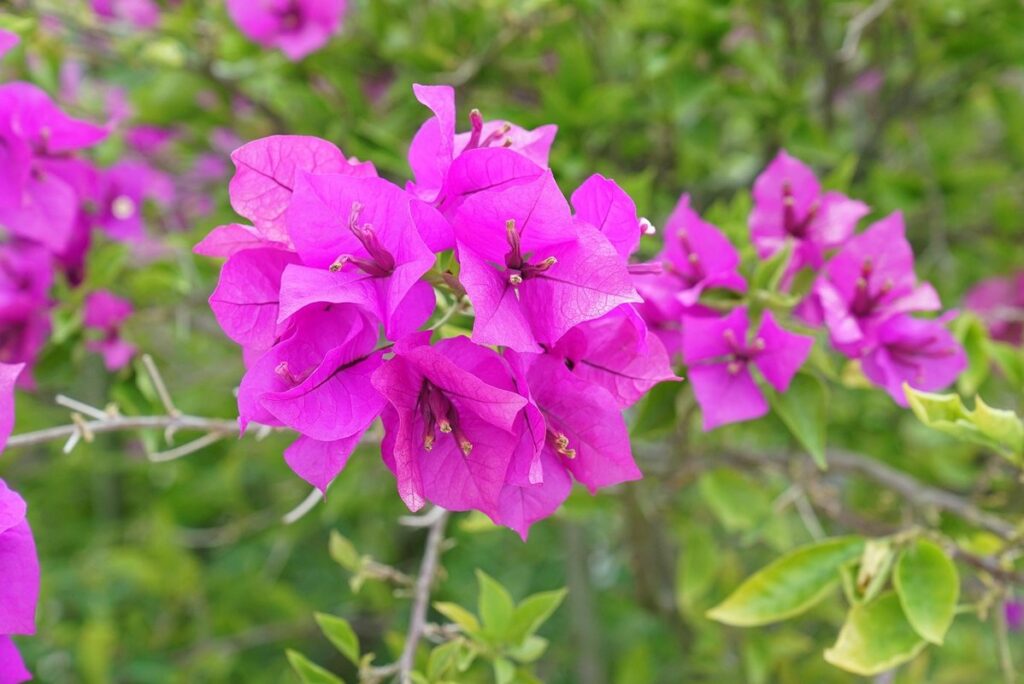
These plants typically require full sun to partial shade, well-draining soil, and high humidity levels. They also prefer temperatures between 64°F and 90°F (18°C and 32°C), making them perfect for warm climates. Passionflower is known for its intricate flowers and edible fruits, while Mandevilla boasts large trumpet-shaped blooms. Bougainvillea, on the other hand, produces vibrant papery bracts in a variety of colors.
While these plants are relatively low maintenance, they can be sensitive to frost and require protection during cold winter months. Additionally, some species may become invasive in certain regions, so it’s essential to choose cultivars that are suitable for your area. With proper care and attention, these tropical evergreen climbers can provide year-round interest and beauty, even in areas with mild winters.
Choosing the Right Evergreen Climber for Your Garden
When selecting a new evergreen climber, it’s essential to consider factors such as growth habits, climate tolerance, and maintenance requirements to ensure a successful addition to your garden.
Considerations for Different Gardening Styles
When selecting an evergreen climber, it’s essential to consider your garden style and how the plant will fit into its surroundings. For formal gardens, opt for climbers with compact growth habits, such as ivy (Hedera helix) or Virginia creeper (Parthenocissus quinquefolia). These plants have a more controlled spread and can be easily pruned to maintain a neat appearance.
In contrast, informal gardens benefit from more vigorous growers like clematis or honeysuckle. These plants will create a lush, rambling effect that adds character to the space. When choosing for wildlife-friendly gardens, consider plants with nectar-rich flowers like grapevine (Vitis vinifera) or climbing roses, which provide sustenance for pollinators and other beneficial insects.
When evaluating plant size, keep in mind how the climber will interact with surrounding structures. Larger plants like Boston ivy (Parthenocissus tricuspidata) can be used to cover entire walls or trellises, while smaller varieties are better suited for containers or topiaries. Regular bloom frequency is also important; choose climbers that provide year-round interest, such as those with berries or ornamental foliage.
Ultimately, maintenance needs should not be overlooked when selecting an evergreen climber. Choose plants that require minimal care and can thrive in the specific conditions of your garden. By considering these factors, you’ll find a suitable evergreen climber for your unique gardening style.
Tips for Selecting Evergreen Climbers with Specific Requirements
When selecting an evergreen climber for your garden, it’s essential to consider specific requirements that suit your lifestyle and growing conditions. If you’re looking for a low-maintenance option, consider plants like the English Ivy (Hedera helix) or Creeping Fig (Ficus pumila), which can thrive in neglect and require minimal pruning.
If you’re limited by container space, choose compact varieties like the Dwarf Holly (Ilex x altaclerensis ‘Aurea’) or Boston Ivy (Parthenocissus tricuspidata). These plants are perfect for balconies or small gardens and can still provide stunning year-round foliage.
When selecting evergreen climbers, also consider your plant hardiness zone. Choose varieties that thrive in temperatures within your region’s average range. For example, the Clematis armandii is a great option for zones 6-9, while the Mahonia aquifolium excels in zones 5-8.
Lastly, consider the soil preferences of your chosen climber. Some plants, like the Honeysuckle (Lonicera), prefer well-draining soils, while others, like the Wisteria, can tolerate a range of conditions. Research and understand the specific requirements of your plant to ensure it receives the best care possible.
Plant Care and Maintenance for Evergreen Climbers
To keep your evergreen climbers thriving year-round, it’s essential to understand their specific needs when it comes to pruning, watering, and fertilizing. Proper care will ensure they continue to grow and provide lush foliage.
Watering and Irrigation Strategies
When it comes to watering and irrigation strategies for evergreen climbers, it’s essential to get it right. Overwatering can be just as detrimental as underwatering, so it’s crucial to strike the perfect balance. Drip irrigation is an excellent method for providing consistent moisture levels without overwatering. This system delivers water directly to the roots of the plant, reducing evaporation and runoff.
Mulching around your evergreen climber also helps retain moisture in the soil. Organic mulches like wood chips or bark can absorb excess water, preventing it from being wasted on nearby plants or hardscapes. When choosing a mulch, select one that’s breathable to prevent waterlogging. For example, pine straw is an excellent option as it allows for airflow while keeping the soil consistently moist.
Remember, watering schedules should be tailored to your plant’s specific needs and environment. Water during the cooler parts of the day, such as early morning or evening, to minimize evaporation.
Fertilization and Pruning Techniques
Fertilizing evergreen climbers is crucial for promoting healthy growth and flowering. A balanced fertilizer that contains nitrogen, phosphorus, and potassium will provide the necessary nutrients for optimal growth. Feed your evergreen climber during the growing season (spring-fall) with a fertilizer that’s high in nitrogen to promote leafy growth.
For flowering varieties, use a bloom-booster fertilizer once a month during the blooming period. This type of fertilizer is designed to promote flower production and will give you a stunning display of blooms.
Pruning techniques are also essential for maintaining shape, promoting new growth, and encouraging blooming. Prune your evergreen climber in late winter or early spring before new growth begins. Remove any dead, diseased, or damaged branches to prevent the spread of disease and encourage healthy growth.
When pruning, cut back overgrown sections by about one-third to maintain a balanced shape. Make clean cuts just above a node (where a leaf meets the stem) using sharp, sterile pruning tools. This will help prevent infection and promote new growth from the node.
Regular fertilization and pruning will keep your evergreen climber thriving throughout the year, ensuring it continues to provide a beautiful display of flowers and foliage.
Pests, Diseases, and Common Issues
While evergreen climbers can be relatively low-maintenance, they’re not immune to pests and diseases. We’ll discuss some common issues that might affect your plants.
Identification and Prevention of Common Pests
As you care for your evergreen climbers, it’s essential to be aware of common pests that can damage these beautiful plants. Some of the most prevalent pests targeting evergreen climbers are aphids, whiteflies, and spider mites.
Aphids, small sap-sucking insects, can cause curled or distorted leaves on your plants. To prevent aphid infestations, ensure you inspect your plants regularly, particularly during warm weather when these pests thrive. If you notice any aphid colonies, treat them promptly with insecticidal soap or neem oil.
Whiteflies, tiny flying insects that feed on plant sap, can also cause damage to evergreen climbers. To prevent whitefly infestations, keep your plants well-watered and provide good air circulation around the plants. Regularly inspect undersides of leaves for any whitefly eggs or nymphs.
Spider mites are another common pest affecting evergreen climbers, causing yellowing or bronzing of leaves. To prevent spider mite infestations, maintain a humid environment around your plants, and avoid over-fertilizing, which can attract these pests.
Recognizing and Treating Fungal and Bacterial Diseases
Recognizing signs of disease in evergreen climbers is crucial for their overall health and longevity. As they are grown in a variety of environments, evergreen climbers can be susceptible to fungal and bacterial diseases. Fungal diseases often manifest as black or brown spots on the leaves, while bacterial infections may cause yellowing or discoloration.
To treat fungal infections, apply a fungicide specifically designed for evergreen climbers according to the product’s instructions. For severe cases, prune affected areas to prevent further spread. Bacterial infections can be more challenging to treat and often require a combination of antibiotics and good hygiene practices, such as regular watering and pruning. Regular inspections will help you catch these issues early on.
It’s also essential to monitor for pests that can transmit diseases, like aphids and spider mites. Keep your plants well-watered but not waterlogged, as this can exacerbate disease problems. By recognizing signs of disease promptly and taking the right measures, you can prevent the spread and keep your evergreen climbers healthy year-round.
Designing a Thriving Evergreen Climber Garden
When designing your evergreen climber garden, it’s essential to choose plants that thrive together and provide year-round interest. Select a mix of foliage, flowers, and textures for a visually appealing display.
Creating a Structure for Support
When designing an evergreen climber garden, providing a sturdy support system is crucial for the plants to thrive. This involves creating a framework that will hold the weight of the mature plant, while also allowing for proper air circulation and sunlight penetration.
Trellises are an excellent option for small spaces or narrow areas, as they provide vertical support without taking up too much floor space. For example, you can use a trellis to train a climbing ivy like English Ivy (Hedera helix) or a Boston Ivy (Parthenocissus tricuspidata). Simply attach the plant’s stem to the trellis and gently twine it around the structure as it grows.
Arbors and pergolas are also great options for creating a support system. These structures provide a larger surface area for climbing plants to grow on, while also adding visual interest to your garden. To train plants to grow up these structures, start by attaching the plant’s stem to the framework using twine or wire. As the plant grows, gently guide its stems around the posts and beams, securing it with ties or clips as needed.
Remember to choose a support system that complements the mature size of your evergreen climber and consider factors like wind direction and sunlight exposure when selecting a location for your structure.
Tips for Combining Evergreen Climbers with Other Plants
When combining evergreen climbers with other plants, it’s essential to create a layered garden design that showcases their unique textures and structures. By incorporating annuals, perennials, and groundcovers, you can add depth, visual interest, and season-long beauty to your garden.
Consider pairing evergreen climbers like English ivy or Boston ivy with flowering perennials like hydrangea or daylily. These plants will bloom at different times, creating a dynamic display of color and texture throughout the growing season. For example, pair English ivy with peonies in the spring for a lush, romantic look, and then add summer-blooming annuals like cosmos or sunflowers to create a bright, airy feel.
Groundcovers like thyme or creeping juniper can also be used to fill gaps between evergreen climbers and add a low-maintenance layer of texture. Don’t forget to leave space for air circulation and sunlight penetration, as this will help prevent disease and promote healthy growth in your evergreen climbers. By combining these plants thoughtfully, you can create a thriving, year-round garden that showcases the beauty of evergreen climbers in all seasons.
Frequently Asked Questions
Can I use evergreen climbers in container gardens?
Yes, many types of evergreen climbers can thrive in containers, providing year-round interest to small spaces or patios. When choosing a container evergreen climber, consider the mature size and growth habits of the plant to ensure it fits comfortably within its new home.
How often should I water my newly planted evergreen climber?
Water your newly planted evergreen climber regularly during its first growing season, but avoid overwatering which can lead to root rot. Watering frequency will depend on weather conditions and soil type; as a general rule of thumb, water when the top 2-3 inches of soil feel dry to the touch.
Can I combine evergreen climbers with other flowering plants in my garden?
Yes! Evergreen climbers pair beautifully with perennials and annuals that bloom at different times. For example, pairing Clematis with spring-blooming bulbs like tulips or daffodils creates a stunning display of color and texture.
What are some common pests I should watch out for when growing evergreen climbers?
Keep an eye out for aphids, spider mites, and scale insects, which can infest evergreen climbers. Regular inspections, neem oil treatments, and introducing beneficial insects like ladybugs or lacewings can help prevent and manage pest issues.
Can I grow tropical evergreen climbers in areas with cold winters?
While some tropical evergreen climbers may be sensitive to frost, there are still options available for colder climates. Look for varieties that are specifically bred for cooler temperatures or provide protection during winter months using mulch, burlap wraps, or bringing potted plants indoors.