
If you’re like many urban gardeners, you’re drawn to the majestic beauty of eucalyptus trees. But have you ever considered growing one in a pot? With the right care and attention, a potted eucalyptus tree can thrive in even the smallest of spaces, providing a refreshing burst of fragrance and a touch of the outdoors. However, caring for these trees in containers requires some special consideration. In this comprehensive guide to eucalyptus tree care in pots, we’ll walk you through everything from choosing the right variety to pruning and troubleshooting common issues, helping you to successfully grow and maintain your own potted eucalyptus tree. Whether you’re a seasoned gardener or just starting out, our expert tips will have you growing like a pro in no time.
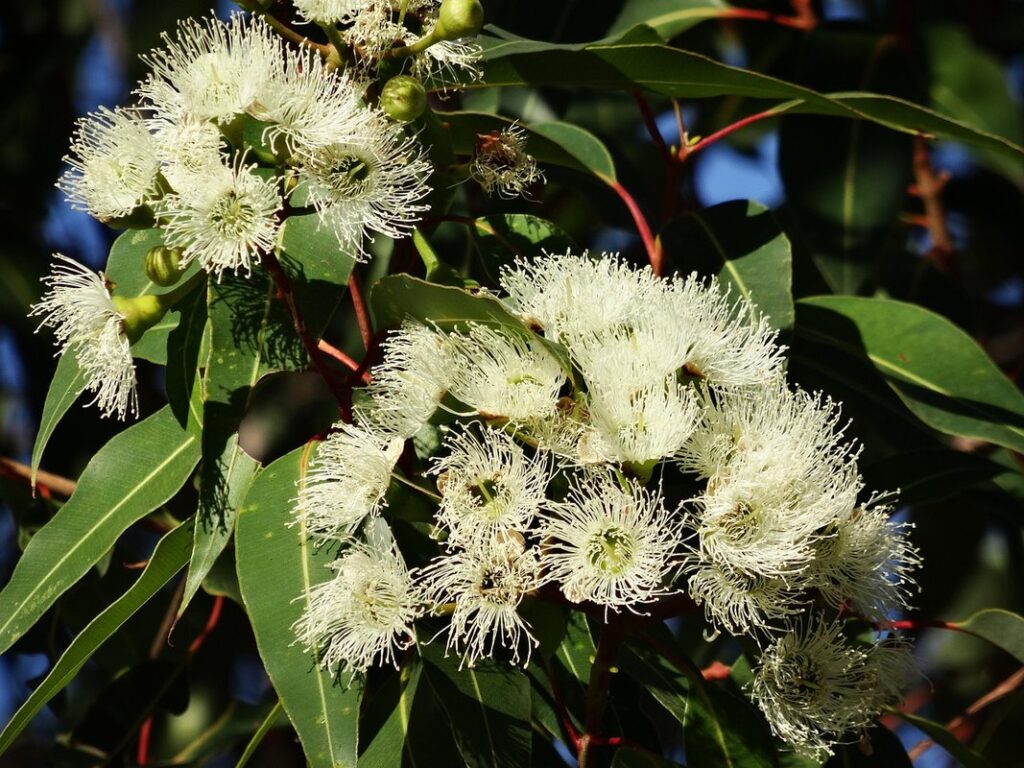
Choosing the Right Eucalyptus Variety for Containers
When choosing eucalyptus varieties for container gardening, consider factors such as growth habits, leaf size, and climate tolerance to ensure success. Selecting the right variety will make all the difference in your potted eucalyptus tree’s health and happiness.
Selecting Dwarf or Compact Varieties
When selecting eucalyptus trees for container gardening, it’s essential to choose dwarf or compact varieties that can thrive in smaller spaces. These varieties are bred specifically for container growth and can provide a beautiful addition to your patio or balcony.
Dwarf eucalyptus trees typically grow between 3-6 feet tall, making them perfect for small pots and urban gardens. Some popular compact eucalyptus species include ‘Silver Dollar’ (Eucalyptus cinerea), which grows up to 4 feet tall, and ‘Baby Blue’ (Eucalyptus pulverulenta), which reaches a height of around 3-5 feet.
When choosing a dwarf or compact variety, look for trees that are grafted onto a rootstock specifically designed for container growth. These rootstocks help to control the tree’s size and promote healthy growth in smaller pots. By selecting the right eucalyptus variety for your container garden, you can enjoy the benefits of these beautiful trees while maximizing space.
For example, ‘Silver Dollar’ is an excellent choice for small containers due to its compact growth habit and silver-gray leaves.
Considering Growth Rates and Maturity Sizes
When choosing eucalyptus varieties for containers, it’s essential to consider their growth rates and maturity sizes. Different species have unique characteristics that can impact their suitability for small spaces. For example, Eucalyptus gunnii (Cider Gum) can grow up to 5 feet tall in just one year, while Eucalyptus citriodora (Lemon-scented Gum) may only reach 3-4 feet in the same timeframe.
As a general rule of thumb, it’s best to select varieties that have a slower growth rate or are naturally more compact. Some popular options include Eucalyptus nicholii (Narrow-leaved Peppermint), Eucalyptus pauciflora (Snow Gum), and Eucalyptus globulus (Tasmanian Blue Gum). These species tend to stay smaller in size, making them ideal for containers. When shopping for eucalyptus seedlings or saplings, look for plants that are specifically bred for container gardens or have a compact growth habit. With proper care and pruning, you can enjoy the beauty of eucalyptus trees in your pots without worrying about them outgrowing their space too quickly.
Soil and Potting Mix Requirements
To grow a healthy eucalyptus tree in a pot, you’ll need to choose a suitable soil mix that drains excess water well and retains enough moisture for the roots. This section explains your options.
Understanding Eucalyptus’ Acidic pH Preference
When it comes to growing eucalyptus trees in pots, one crucial aspect of their care is ensuring they have a slightly acidic to neutral soil pH. This might seem like a minor detail, but it’s essential for the tree’s overall health and growth.
Most eucalyptus species prefer a soil pH between 6.0 and 7.0, which is slightly acidic to neutral. If your potting mix has a high pH, it can lead to nutrient deficiencies and stunt the tree’s growth. To address this issue, you have two options: use acidic fertilizers or mix in materials that lower the pH.
Acidic fertilizers like ammonium sulfate or aluminum sulfate can help bring down the pH of your potting mix. However, be cautious not to overdo it, as excessive acidity can harm the tree’s roots. Alternatively, mixing in peat moss or sulfur can also help lower the pH and provide the eucalyptus with its preferred acidic environment.
When selecting a potting mix, look for one that has a slightly acidic pH or is specifically labeled as “acidic.” If you’re using a regular potting mix, add 1-2 tablespoons of peat moss or sulfur per gallon to lower the pH. Remember to monitor your tree’s response and adjust accordingly to ensure it thrives in its pot.
The Role of Drainage and Aeration
When it comes to growing eucalyptus trees in pots, selecting the right drainage and aeration setup is crucial. A well-draining pot and suitable potting mix can make all the difference between healthy growth and root rot.
Eucalyptus trees prefer moist but not waterlogged soil conditions, which can be challenging to replicate in containers. Poor drainage leads to excess water accumulation around the roots, creating an ideal environment for root rot. This condition is often irreversible and can be fatal to your tree. To avoid this issue, ensure that your pot has sufficient drainage holes – at least one hole per 4-6 inch of soil depth.
Adequate aeration is also vital for healthy root growth. Eucalyptus trees have a shallow root system that benefits from the exchange of oxygen and carbon dioxide in the soil. A well-draining potting mix with perlite, vermiculite, or sand will help maintain optimal moisture levels while allowing air to reach the roots. Aim for a mix with a pH between 6.0 and 7.0, which suits eucalyptus tree preferences.
Watering and Humidity Considerations
When it comes to keeping your potted eucalyptus tree thriving, proper watering and humidity levels are crucial. In this next part of our guide, we’ll discuss how to get these conditions just right for optimal growth.
Monitoring Soil Moisture Levels
Monitoring soil moisture levels is crucial for eucalyptus trees grown in containers. Since these trees prefer well-draining conditions to prevent root rot and other issues, it’s essential to ensure the soil isn’t too wet or dry. Check for moisture levels by sticking your finger into the soil up to the first knuckle; if the soil feels dry, it’s time to water.
A more accurate method is using a moisture meter, which can be purchased at most gardening stores. These devices will give you an instant reading of the soil’s moisture level, making it easier to adjust your watering schedule accordingly. When watering your eucalyptus tree in a pot, make sure not to overwater – this can cause more harm than good.
The optimal time to water your eucalyptus tree is when the top inch of soil feels dry to the touch. Water thoroughly until you see water coming out of the drainage holes, then let it drain completely before returning it to its pot. By monitoring and adjusting your watering schedule based on soil moisture levels, you’ll be able to provide your eucalyptus tree with consistent but not waterlogged conditions, promoting healthy growth and development.
Maintaining Optimal Humidity Levels
Maintaining optimal humidity levels is crucial for the health and well-being of your eucalyptus tree when it’s potted. During hot or dry periods, the air can become extremely dry, leading to stress on the plant. This can cause wilting, leaf drop, and a weakened immune system, making your eucalyptus more susceptible to pests and diseases.
To combat this issue, you can use humidifiers specifically designed for plants. These devices release a fine mist into the air, increasing the humidity levels around your tree. Place the humidifier near the pot, but ensure it’s not spraying water directly onto the leaves to avoid fungal infections. Another option is to install a misting system that automatically sprays water at regular intervals.
A more low-tech approach is to simply mist the leaves with a spray bottle filled with water. This can be done daily, especially during hot or dry spells. To optimize this method, use room-temperature water and avoid getting the trunk or crown of the tree wet to prevent rot and fungal diseases. Keep in mind that over-misting can also cause problems, so monitor your plant’s response and adjust as needed.
Fertilization and Pest Management
When it comes to growing a healthy eucalyptus tree in a pot, fertilizing regularly is crucial for promoting lush growth. We’ll show you how to choose the right fertilizer and when to apply it.
Nutrient Requirements for Eucalyptus in Containers
When growing eucalyptus trees in containers, it’s essential to understand their nutrient requirements. Eucalyptus trees need a balanced diet of macronutrients, including nitrogen (N), phosphorus (P), and potassium (K). A general-purpose potting mix will provide some nutrients, but you’ll still need to fertilize your eucalyptus tree regularly.
Nitrogen promotes healthy leaf growth and helps maintain the tree’s green color. Phosphorus supports root development and overall health, while potassium aids in water balance and resistance to disease. Look for a balanced fertilizer (20-20-20) or one specifically formulated for trees, which will provide these essential macronutrients.
Some eucalyptus species may also require micronutrients like iron, magnesium, and zinc. Soil pH levels can affect nutrient availability, so it’s crucial to test your soil regularly. If you notice any deficiencies, consider adding a micronutrient supplement.
Common Pests and Diseases Affecting Container-Grown Eucalyptus
Container-grown eucalyptus is susceptible to various pests and diseases that can significantly impact its health. One of the most common issues is root rot caused by overwatering, which leads to a buildup of moisture around the roots. This creates an ideal environment for fungal growth, causing the roots to decay.
Spider mites, mealybugs, and scale insects are also frequent visitors to container-grown eucalyptus. These pests can be controlled using neem oil or insecticidal soap as preventative measures. For infestations, mix 1-2 tablespoons of neem oil with 1 quart of water and spray the solution directly on the affected areas.
Leaf spot diseases, such as powdery mildew and downy mildew, are also prevalent in eucalyptus plants grown in containers. Fungal spores can spread quickly through moist environments, so it’s essential to provide good air circulation around the plant. Regularly inspect your eucalyptus for signs of disease or pests, and address any issues promptly to prevent their spread.
Pruning and Training
Pruning is essential for maintaining the shape and promoting healthy growth of your potted eucalyptus tree, especially when it’s still young. Regular pruning also helps control its size in a small pot.
Regular Maintenance to Control Size and Promote Healthy Growth
Regular pruning is essential to control eucalyptus size in containers and promote healthy growth. When grown in pots, eucalyptus trees can become leggy and top-heavy, which can lead to root bound conditions if not managed properly. Pruning helps maintain a balanced shape, encourages bushy growth, and directs the tree’s energy towards developing a robust root system.
To prune your potted eucalyptus tree effectively, start by removing any dead, diseased, or damaged branches. Use clean pruning tools to make cuts just above a node (where a branch meets the trunk), at a 45-degree angle. This will help prevent water from collecting on the cut and promote healthy healing.
For shape maintenance, focus on reducing long branches by one-third to one-half of their length. Encourage bushy growth by pinching off the growing tip of new shoots. This will force the tree to develop lateral buds, resulting in a fuller and more compact plant. By pruning regularly, you’ll be able to control your eucalyptus’s size and promote healthy, vigorous growth in its container.
Tips for Training Eucalyptus into Topiaries or Espaliers
Training eucalyptus trees into topiaries or espaliers can add an extra layer of elegance to your potted eucalyptus. With the right techniques and materials, you can create stunning designs that not only look beautiful but also provide structural support for your tree.
To start training your eucalyptus into a topiary or espalier, begin by selecting a young tree with a straight branch structure. For topiaries, you’ll need to prune the branches to maintain a uniform shape and size. Use wire supports or stakes to hold the branches in place while they grow into the desired shape.
For espaliers, use a trellis or arbor system to train the branches to grow along a flat surface. This design is perfect for smaller spaces or for adding a unique feature to your outdoor decor. Successful topiary designs can be seen in Mediterranean-inspired gardens, where eucalyptus trees are often pruned into spherical shapes and placed in decorative pots.
To maintain your topiary or espalier, regularly inspect the wire supports and stakes for any signs of damage or rust. Replace them as needed to ensure they continue to provide structural support for your tree. Also, prune your eucalyptus regularly to maintain its shape and promote healthy growth.
Troubleshooting Common Issues
Sometimes, things don’t go as planned when caring for your eucalyptus tree in a pot, so let’s tackle some common problems that might arise. We’ll work through solutions together to get you back on track.
Identifying and Addressing Nutrient Deficiencies
As you care for your container-grown eucalyptus tree, it’s essential to monitor its nutrient intake. Nutrient deficiencies can manifest in different ways, and identifying them early on will help prevent long-term damage to the plant. Yellowing leaves or stunted growth are common signs of a deficiency.
Start by inspecting the soil for any visual signs of nutrient depletion. Look for pale or discolored roots, which may indicate low nitrogen levels. Stunted growth can be caused by inadequate phosphorus or potassium levels. To confirm your diagnosis, use a soil testing kit to analyze the pH and nutrient levels.
Addressing nutrient deficiencies involves using balanced fertilizers or targeted micronutrient applications. For general maintenance, apply a balanced fertilizer (20-20-20) during the growing season (spring-fall). If you’ve identified specific nutrient gaps, opt for a more targeted approach. For example, if your soil test reveals low magnesium levels, use an Epsom salt solution to replenish this essential micronutrient.
Remember that over-fertilization can harm your eucalyptus tree, so follow the instructions carefully and adjust as needed based on your plant’s response.
Common Problems and Solutions for Container-Grown Eucalyptus
As a container gardener growing eucalyptus, you may encounter some common problems that can hinder the health and growth of your tree. One of the most frequent issues is root bound plants. When the roots of the eucalyptus have outgrown the pot and need more space to expand, it’s time to repot your tree into a larger container with fresh potting mix. Choose a pot that is at least 2-3 sizes larger than the original one to provide enough room for the roots to spread out.
Pests like spider mites, mealybugs, and scale can also infest eucalyptus trees in containers. Regularly inspect your tree for any signs of pests and treat them promptly with insecticidal soap or neem oil. To prevent pest infestations, maintain good hygiene by disinfecting tools and washing the pot regularly.
Nutrient deficiencies can also occur if the potting mix is not well-balanced. Use a balanced fertilizer (20-20-20) during the growing season to ensure your eucalyptus tree receives all necessary nutrients. Finally, diseases like root rot or leaf spot can be caused by overwatering or poor drainage. Ensure that your container has good drainage holes and don’t overwater your tree.
Maintaining a healthy pH level is also crucial for eucalyptus trees in containers. A slightly acidic to neutral soil pH between 6.0-7.0 will help promote nutrient uptake. Check your potting mix regularly and adjust the pH if necessary. By being aware of these common problems, you can take proactive measures to prevent them and provide a healthy environment for your eucalyptus tree in a container.
Frequently Asked Questions
How often should I repot my potted eucalyptus tree?
Repot your eucalyptus tree every 1-2 years to refresh the soil and provide a larger pot if necessary. This will help maintain healthy growth and prevent root bound conditions.
Can I grow multiple eucalyptus trees in one large container?
While it’s technically possible, growing multiple eucalyptus trees together can lead to competition for resources like water and nutrients. Consider separate containers or pruning to ensure each tree receives adequate care.
How do I control the size of my potted eucalyptus tree if it’s getting too big?
Regular pruning is key to controlling the size of your potted eucalyptus tree. Prune back branches by about one-third during the growing season to maintain a desired shape and prevent overgrowth.
Can I use regular potting mix for my eucalyptus tree, or do I need a specific acidic mix?
Use an acidic potting mix with a pH between 5.5-6.5 to ensure optimal growth conditions for your eucalyptus tree. Regular potting mixes can be too alkaline and may hinder nutrient uptake.
How much direct sunlight does my potted eucalyptus tree need, and what happens if it doesn’t get enough?
Eucalyptus trees typically require full sun to partial shade, with at least 4-6 hours of direct sunlight per day. If your tree is not receiving sufficient light, it may become leggy or experience reduced growth rates.