
When it comes to tending to your garden, having the right tools can make all the difference. One often underappreciated yet incredibly valuable tool is the humble wheelbarrow. A versatile and essential piece of equipment for any gardener, a well-used wheelbarrow can revolutionize the way you design, prepare, plant, mulch, and compost your garden. From carrying heavy loads of soil to hauling away trash, its uses are endless.
In this article, we’ll delve into the various ways a wheelbarrow can become an indispensable companion in your gardening journey. We’ll explore safety considerations, maintenance tips, and efficient methods for using a wheelbarrow in each stage of garden design. Whether you’re a seasoned green thumb or just starting out, understanding how to maximize your wheelbarrow’s potential will take your gardening skills to the next level and leave your garden thriving.
Choosing the Right Wheelbarrow for Your Needs
When selecting a wheelbarrow, it’s crucial to consider factors such as weight capacity, size, and material to ensure you get one that suits your specific gardening needs. Let’s break down these essential considerations together.
Types of Wheelbarrows Suitable for Gardening
When it comes to gardening, having the right wheelbarrow can make all the difference. But with so many types available, it’s essential to choose one that suits your needs. Here are some of the most common types of wheelbarrows suitable for gardening:
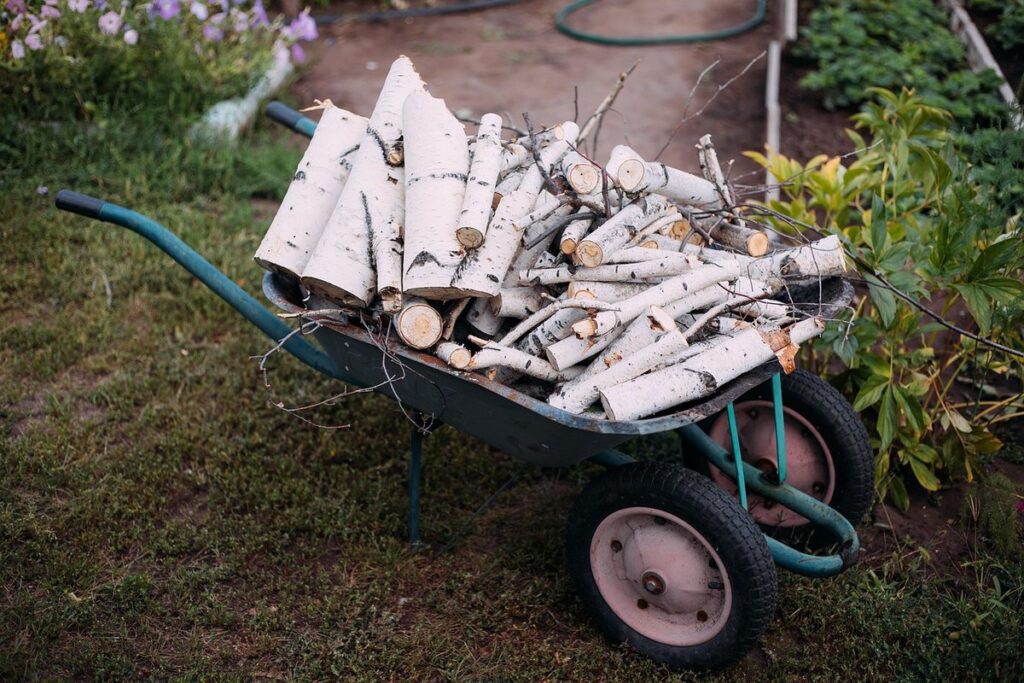
Two-wheeled wheelbarrows are ideal for small gardens and tight spaces. They’re lightweight, easy to maneuver, and perfect for carrying smaller loads of soil, plants, or compost. However, they can be less stable than their four-wheeled counterparts.
Four-wheeled wheelbarrows offer improved stability and a larger capacity, making them suitable for bigger gardens and heavy-duty tasks like hauling mulch or gravel. They’re also easier to tip over if not loaded correctly, so make sure to secure your loads properly.
Garden carts are a hybrid of both two- and four-wheeled designs. They feature wheels in the center of the cart, allowing for easy maneuverability while maintaining stability. Garden carts often come with additional features like storage compartments or tie-downs, making them perfect for transporting larger items like plants or soil bags.
Ultimately, choose a wheelbarrow that aligns with your gardening needs and preferences. Consider factors like space constraints, load capacity, and the types of tasks you’ll be performing most frequently.
Factors to Consider When Selecting a Wheelbarrow
When selecting a wheelbarrow for your garden design and maintenance needs, there are several key factors to consider. First and foremost is capacity – how much material can the wheelbarrow hold? If you’re working with heavy or bulky items like bricks or large plants, you’ll want a wheelbarrow that can handle at least 2-3 cubic feet of weight.
Next, think about the material the wheelbarrow is made from. Plastic, metal, and wood are all common options, each with their own advantages and disadvantages. For example, plastic wheelbarrows are lightweight and easy to clean but may not be as durable as metal or wooden ones.
Weight is also an important consideration – you don’t want a wheelbarrow that’s too heavy for you to maneuver, especially if you have limited mobility or need to move the wheelbarrow up stairs. Look for a wheelbarrow with a sturdy yet lightweight design.
Finally, ease of maneuverability is crucial. Consider a wheelbarrow with large, pneumatic tires or ball bearings that will make it easy to push and steer around your garden. A comfortable handle and adjustable height settings are also must-haves for smooth operation.
Using a Wheelbarrow for Soil Preparation and Transport
When preparing your garden beds, a wheelbarrow is an invaluable tool for hauling and mixing soil to create a healthy foundation for your plants. You’ll learn how to use it effectively in this section.
Preparing Garden Beds with a Wheelbarrow
When preparing garden beds with a wheelbarrow, one of the most crucial steps is transporting soil, mulch, or compost to where it’s needed. A wheelbarrow makes this task effortless, allowing you to load and unload materials quickly and efficiently.
To maximize the effectiveness of your wheelbarrow in soil preparation, start by selecting the right location for each garden bed. This will ensure that your materials are delivered directly to their intended destination, saving you time and energy. Next, scoop up a consistent amount of soil or mulch into the wheelbarrow’s bucket. Aim for a height that allows easy loading and unloading without spilling over.
For transporting heavier loads like compost, use a smaller load size to avoid straining your back. This will also help prevent the material from compacting excessively in transit. When transferring materials between garden beds, make sure to clean up spills promptly to maintain a neat workspace. Regularly checking for debris and maintaining your wheelbarrow’s tire pressure will also enhance its overall performance.
Loading and Unloading Soils Efficiently
When it comes to using a wheelbarrow for soil preparation and transport, one of the most critical steps is loading and unloading soils efficiently. This process can be physically demanding, especially when handling heavy loads, but with some simple strategies and tips, you can minimize fatigue and prevent accidents.
To load soils safely and efficiently, start by positioning your wheelbarrow in a stable location, close to the area where the soil is being removed or added. Next, use a gentle scooping motion to fill the barrow’s bucket, taking care not to overload it. It’s essential to maintain a level center of gravity to prevent tipping.
When unloading soils, slow down and approach the destination carefully, keeping the wheelbarrow at a 45-degree angle to the ground. As you unload, keep your back straight and your core engaged to minimize strain on your lower back. Consider using a lifting aid or enlisting assistance from someone else when handling heavy loads over 50 pounds.
By following these simple guidelines, you can load and unload soils efficiently while minimizing your physical exertion and reducing the risk of injury.
Wheelbarrow Uses in Planting and Transplanting
When it comes to planting and transplanting, a wheelbarrow is an indispensable tool that makes the process faster and easier, from digging holes to carrying heavy loads of soil and plants. Let’s explore its many uses in this crucial garden task.
Planting Large Trees or Shrubs with a Wheelbarrow
When it comes to planting large trees or shrubs, using a wheelbarrow can make all the difference. Not only does it save you from straining your back and knees, but it also allows for efficient transport of heavy materials like soil and mulch.
Start by loading the wheelbarrow with a mix of topsoil and compost, which will provide the perfect base for your new plant. Next, carefully place the tree or shrub into the barrow, taking care not to damage its roots. If the barrow has a capacity of over 4 cu. ft., you can add some extra soil around the roots to secure it in place.
As you transport the loaded wheelbarrow to the planting site, be mindful of any obstacles like rocks or slopes. Use the handles for stability and take your time to ensure everything is steady before unloading. With a bit of planning and elbow grease, you can successfully plant large trees or shrubs with ease using your trusty wheelbarrow.
Some key things to keep in mind when planting with a wheelbarrow include measuring out the right amount of soil for your plant’s root system, checking for any underlying utilities or irrigation lines, and making sure the planting site is level. With these tips and your wheelbarrow by your side, you’ll be well on your way to creating a beautiful and thriving garden landscape.
Transplanting Plants Using a Wheelbarrow
When transplanting plants from one location to another, using a wheelbarrow can make the process significantly easier and more efficient. To begin with, carefully dig around the plant’s root system, making sure not to damage any of the delicate roots. Next, gently lift the plant out of its original location, taking care to support its weight if it’s particularly large or top-heavy.
Load the wheelbarrow by placing the plant in the center, ensuring it’s secure and stable. This can be achieved by using some soil or packing materials around the plant to prevent movement during transit. Once the plant is safely loaded, use the handles of the wheelbarrow to maneuver it to its new location.
Upon arrival, carefully remove any covering materials, taking care not to disturb the roots further. Gently place the plant into its new position and firm the soil gently around its base. Finally, water thoroughly to settle the plant in its new surroundings. By following these steps and utilizing a wheelbarrow for transporting plants, you’ll be able to ensure a smooth and successful transplanting process.
Utilizing a Wheelbarrow for Mulching and Composting
When it comes to maintaining your garden’s health, mulching and composting are essential practices that can benefit from a trusty wheelbarrow by your side. Let’s explore how to use one effectively for these tasks.
Mulching with a Wheelbarrow: Benefits and Best Practices
Mulching with a wheelbarrow is an efficient way to protect plant roots from extreme temperatures and retain moisture. This method also suppresses weeds by preventing them from germinating and growing. Using a wheelbarrow for mulch reduces the physical strain associated with handling heavy bags of mulch, allowing you to spread a larger area more quickly.
When applying mulch with a wheelbarrow, start by clearing the area of debris and vegetation. Spread an even layer of 2-3 inches of mulch around plants, keeping it 6-12 inches away from plant stems to prevent rotting. To achieve uniform coverage, divide large areas into smaller sections and apply mulch in sections using your wheelbarrow.
When selecting mulch for application with a wheelbarrow, choose materials like bark chips or wood shavings that are lightweight and easy to spread. Consider factors such as durability and resistance to decomposing when making your selection.
Composting with a Wheelbarrow: Breaking Down Organic Matter
Composting with a wheelbarrow is an efficient way to break down organic matter, turning kitchen scraps and yard waste into nutrient-rich compost for your garden. The process begins by collecting a mix of green materials like food waste, grass clippings, and manure, and brown materials such as leaves, straw, or shredded newspaper.
These materials are then added to the wheelbarrow in layers, with the green materials making up about 1/3 of the total mixture. The compost pile is then mixed thoroughly using a pitchfork or shovel, aerating it to promote decomposition.
As you mix, aim for a carbon-to-nitrogen ratio between 20:1 and 30:1. This ensures that microorganisms break down organic matter efficiently. Be mindful of overloading the wheelbarrow with too much green material, as this can lead to unpleasant odors and slow decomposition.
To speed up the process, maintain adequate moisture levels and turn the pile regularly. After several weeks or months, depending on factors like temperature and aeration, your compost should be ready to use in your garden beds or potted plants.
Safety Considerations When Using a Wheelbarrow in the Garden
When using your wheelbarrow, it’s essential to consider safety precautions to avoid accidents and injuries, particularly when handling heavy loads or working on uneven terrain. Be mindful of potential hazards.
Avoiding Back Strains and Other Injuries
When using a wheelbarrow in the garden, it’s essential to be aware of potential safety hazards that can lead to back strains and other injuries. One common issue is overloading the wheelbarrow, which can cause you to strain your back while lifting or pushing heavy loads.
To avoid this problem, make sure not to fill the wheelbarrow more than 2/3 full, as excess weight puts additional stress on your back and joints. Consider dividing heavy loads into smaller portions for easier handling. For example, instead of trying to lift a large bag of mulch, split it into two or three bags.
Another hazard is improper lifting technique, which can also cause back strain and other injuries. When lifting the wheelbarrow, keep it close to your body and bend at the knees rather than the waist. Avoid twisting or bending while pushing or pulling the wheelbarrow, as this can put excessive stress on your muscles.
By following these simple tips, you can minimize the risk of injury when using a wheelbarrow in your garden. Remember, safety is always the top priority when working with tools and heavy loads.
Precautions for Wheelbarrow Use Around Water Features
When using a wheelbarrow around water features, such as ponds, lakes, or even simple birdbaths, it’s essential to exercise extra caution. The first precaution is to ensure that the area is well-drained and clear of debris to prevent slipping hazards. Make sure you’re aware of any underground pipes or irrigation systems before starting your project.
Before transferring materials near water features, inspect the wheelbarrow for stability and consider using a second person to assist with heavy loads. Keep in mind that even small amounts of water can be hazardous when combined with loose soil or other slippery materials. Always walk carefully around water’s edge, keeping the wheelbarrow away from steep drop-offs.
When working near ponds or lakes, take care not to contaminate the water with chemicals or fertilizers. Follow proper disposal guidelines for any plant waste and dispose of leftover materials responsibly. Regularly inspect the area for potential hazards and adjust your workflow accordingly.
Customizing Your Wheelbarrow for Specific Gardening Tasks
When it comes to wheelbarrows, a one-size-fits-all approach just won’t cut it. Let’s dive into some creative ways to customize your trusty wheelbarrow for specific gardening tasks and challenges.
Adding Attachments or Accessories
Adding attachments or accessories to your wheelbarrow can significantly enhance its functionality and efficiency for various gardening tasks. For instance, baskets can be attached to the sides or rear of the wheelbarrow to provide additional storage space for small tools, seeds, or plants.
Carts with multiple compartments are ideal for large projects that require carrying and organizing different materials. These carts often feature individual trays for separating soil, fertilizer, or other gardening supplies, ensuring they don’t get mixed together during transport.
Some wheelbarrows come equipped with built-in gardening tool holders, which can be customized to fit specific tools like cultivators or pruners. This convenient storage system keeps your essential tools within easy reach, saving you time and effort during tasks.
When choosing attachments or accessories for your wheelbarrow, consider the type of gardening projects you’ll be tackling most frequently. For example, a gardening cart with a watering can holder might be beneficial if you spend a lot of time hydrating plants.
Creating a DIY Wheelbarrow Modification
If you find yourself frequently using your wheelbarrow for heavy loads or working on uneven terrain, consider making some DIY modifications to enhance its functionality. One popular modification is adding a set of adjustable handles that can be raised or lowered depending on the load size and your personal comfort level.
To create this modification, start by removing the existing handle assembly from the wheelbarrow frame. Next, install a sturdy metal rod or bar through the existing holes, making sure it’s securely fastened with bolts or screws. From there, attach the adjustable handles to the rod using adjustable clips or brackets. This will allow you to raise and lower the handles as needed, reducing strain on your back and improving maneuverability.
When shopping for materials, look for sturdy metal components that can support heavy loads. You may also want to consider adding a pair of heavy-duty wheels with larger tread patterns for improved traction on uneven surfaces.
Best Practices for Maintaining Your Wheelbarrow
To keep your wheelbarrow in top condition, regular cleaning and maintenance are essential to prevent rust, corrosion, and extend its lifespan. Follow these best practices to ensure your wheelbarrow remains reliable.
Regular Cleaning and Maintenance Schedule
To ensure your wheelbarrow remains in top condition for years to come, it’s essential to establish a regular cleaning and maintenance schedule. Set aside time every week to inspect your wheelbarrow for signs of wear and tear. Check the handles, frame, and wheels for any damage or rust spots. Clean off any debris or dirt that may have accumulated during use.
During this inspection, also check the moving parts such as the bearings and axles. Apply lubricant according to the manufacturer’s instructions to keep these components running smoothly. You can also add a coat of protective wax to shield the metal from moisture and extend its lifespan.
Don’t forget to clean the wheelbarrow after each use by rinsing it with water and drying thoroughly. This will prevent rust and corrosion from building up over time. By following this simple maintenance routine, you’ll be able to keep your wheelbarrow in excellent condition and enjoy many years of reliable service in your garden.
Regular inspections also help identify potential issues before they become major problems, saving you time and money down the road.
Tips for Extending the Life of Your Wheelbarrow
To keep your wheelbarrow in top condition and ensure it continues to serve you well season after season, follow these essential maintenance tips. Regular cleaning is crucial – after each use, give the frame and metal parts a good wipe down with soap and water to prevent rust from forming.
Consider applying a rust-inhibiting coating or oil to high-risk areas like wheel axles and hinges. This simple step will greatly extend the life of your wheelbarrow. Additionally, inspect and maintain the tire pressure regularly – underinflated tires can lead to uneven wear and reduced maneuverability.
It’s also worth noting that using a wheelbarrow in wet or damp conditions can accelerate rust formation, so try to avoid doing so if possible. When storing your wheelbarrow over winter, make sure it’s completely dry and protected from moisture. This will help prevent water spots and damage to the metalwork.
To keep your wheelbarrow’s handles in good condition, use a handle grip or wrap with some cloth tape.
Frequently Asked Questions
Can I use a wheelbarrow on uneven or sloping terrain?
Yes, but it’s essential to take extra precautions when using a wheelbarrow on uneven or sloping terrain. Make sure the surface is stable and secure before loading heavy materials. Consider investing in a wheelbarrow with sturdy tires or a differential steering system for improved maneuverability.
How do I prevent back strains and injuries while using a wheelbarrow?
Avoid overloading your wheelbarrow, as this can cause strain on your back. Always lift the handles correctly, keeping your back straight and bending at the knees. Take regular breaks to rest and stretch your muscles. Additionally, consider investing in a wheelbarrow with ergonomic handles for improved comfort.
Can I customize my wheelbarrow with attachments or accessories?
Yes, many wheelbarrows are designed to be customizable with various attachments and accessories. Research and choose from a range of options, such as dolly wheels, bucket carriers, or gardening tools holders, to enhance your wheelbarrow’s functionality.
What are some tips for extending the life of my wheelbarrow?
Regular cleaning and maintenance are crucial for extending the life of your wheelbarrow. Store it in a dry place when not in use, and regularly inspect the tires, axles, and other moving parts for wear or damage. Apply lubricant to moving parts as needed.
How can I transport large plants or trees using a wheelbarrow?
For larger plants or trees, consider investing in a specialized tree planting bar attachment for your wheelbarrow. This will provide extra support and stability when transporting heavy loads. Always handle with care and take regular breaks to avoid fatigue.