
Gardening can be a therapeutic activity, but it requires the right equipment to get the job done efficiently. When it comes to pruning your plants, having the correct tools by your side is crucial for achieving the desired results. But with so many options available in the market, choosing the right pruning tool for every task can be overwhelming.
In this article, we’ll guide you through a comprehensive list of must-have pruning tools that will elevate your gardening experience. From hand pruners and loppers to power saws, we’ll cover everything you need to know about selecting the perfect tool for each job. We’ll also provide tips on how to maintain these tools effectively, ensuring they remain in top condition for years to come. By the end of this article, you’ll be equipped with the knowledge to tackle any pruning task with confidence and precision.
Understanding Pruning Basics
Before we dive into the tools, let’s cover the basics of pruning so you can make informed decisions and get the best results from your gardening tasks. We’ll break down what pruning is all about.
What is Pruning?
Pruning is an essential gardening technique that involves cutting back or removing certain parts of a plant to promote healthy growth, maintain its shape, and increase productivity. By pruning your plants regularly, you can improve their overall health by removing diseased or damaged branches, allowing sunlight to reach inner areas, and encouraging the development of new growth.
Pruning also plays a significant role in enhancing the appearance of your garden. By shaping plants to maintain a desired form or size, you can create visually appealing landscapes that require minimal maintenance. For instance, pruning fruit trees can help control their height, promote even fruiting, and encourage more blooms.
When done correctly, pruning can have a substantial impact on plant productivity. For example, pruning rose bushes can stimulate them to produce new flowers, while pruning shrubs like lilac or forsythia can encourage more buds and blooms in the following season. By incorporating regular pruning into your gardening routine, you’ll be able to enjoy healthier, more vibrant plants that thrive in their environment.
Types of Pruning Techniques
Pruning techniques are essential to maintain the health and appearance of plants. There are three primary types: topping, thinning, and shaping.
Topping involves cutting branches back to a lateral bud or a point that allows for new growth. This method promotes bushy growth but can be detrimental if overdone, as it can leave the plant vulnerable to disease and pests.
Thinning involves selectively removing select branches to improve air circulation, reduce weight on stems, and allow more sunlight to reach inner leaves. Thinning is often used in mature plants or those with dense foliage.
Shaping focuses on maintaining a plant’s desired shape through selective pruning of individual branches or limbs. This method requires patience as it can take several seasons to achieve the desired form.
When choosing a pruning technique, consider the plant’s purpose, growth rate, and desired outcome. Topping is generally used for plants requiring frequent maintenance, thinning for mature specimens, and shaping for ornamental purposes. Remember that pruning should always be done with clean tools and attention to proper sanitation techniques.
Hand Pruning Tools
When it comes to pruning, having the right hand tools is essential for precise cuts and easy handling. Let’s take a look at some of the must-have hand pruners every gardener should have in their toolkit.
Pruning Shears (Hand Pruners)
Pruning shears are an essential tool for every gardener and arborist. They come in two primary types: bypass pruners and anvil pruners. Bypass pruners, also known as scissor-type pruners, cut the branch with a smooth, curved blade that glides past the stem. This type is ideal for pruning delicate plants and shrubs where minimizing damage to the plant tissue is crucial.
Anvil pruners, on the other hand, have a single sharp blade that meets an anvil-like surface when you close them. These are great for heavier-duty tasks such as cutting thicker branches or stems with more pressure. When choosing a pair of pruning shears, consider the specific task at hand. For example, if you’re working with a lot of thick wood, anvil pruners would be a better option.
It’s also essential to think about ergonomics and weight when selecting your pruning shears. Look for handles made from durable materials that fit comfortably in your hands. A good pair should feel balanced and have enough leverage to make the cutting process easier on your wrists and fingers. When not in use, store them in a dry place to prevent rust and corrosion.
Loppers and Long-Reach Pruners
When tackling heavy-duty pruning tasks, loppers and long-reach pruners are invaluable tools to have in your arsenal. These specialized pruning shears offer a significant advantage over standard pruning shears due to their extended reach and added leverage.
Long-reach pruners typically feature blades that extend 2-3 feet beyond the handle, allowing you to trim branches without having to climb ladders or step stools. This is particularly useful for tasks like trimming tall shrubs or reaching high into trees without compromising your safety. Loppers, on the other hand, provide a similar reach but focus more on cutting thicker branches.
While these tools offer extended capabilities, it’s essential to consider their limitations. Many loppers and long-reach pruners can be quite heavy, making them cumbersome for prolonged use or for pruning in tight spaces. Additionally, some models may sacrifice maneuverability for added length, requiring you to make more precise cuts with greater effort.
When selecting a pair of loppers or long-reach pruners, consider the specific task at hand and choose a model that balances reach and weight.
Power Pruning Tools
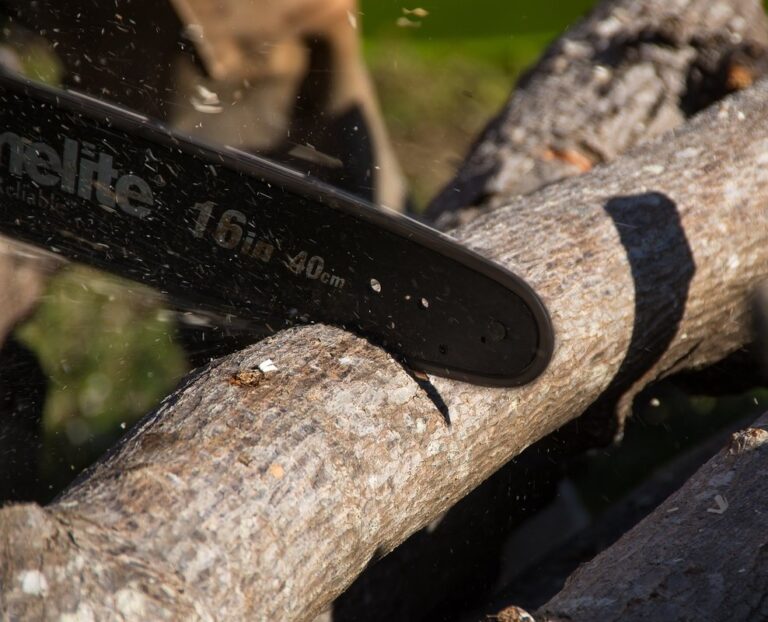
When it comes to tackling thicker branches and denser growth, power pruning tools are a gardener’s best friend, providing efficient and precise cuts. From chainsaws to pole saws, we’ll cover the essentials.
Cordless Pruning Saw
When it comes to pruning tools, cordless pruning saws have become increasingly popular due to their convenience and versatility. These tools offer several advantages over traditional corded pruning saws. For instance, they provide greater mobility and flexibility, allowing you to reach those hard-to-access areas without being tethered by a power cord.
Another significant benefit of cordless pruning saws is their reduced weight, making them easier to maneuver for extended periods. However, it’s essential to consider the battery life when choosing a cordless pruning saw. Look for tools with high-capacity batteries that can last throughout your pruning tasks, typically ranging from 30 minutes to several hours depending on the brand and model.
When selecting a cordless pruning saw, also pay attention to its cutting capacity. Some models can handle thicker branches, while others are better suited for smaller pruning tasks. If you’re planning to tackle larger projects, such as tree trimming or branch removal, consider investing in a high-capacity cordless pruning saw with advanced features like adjustable blade depth and ergonomic grip.
It’s also worth noting that cordless pruning saws may not be suitable for heavy-duty or prolonged use, especially if you’re dealing with multiple branches at once. In such cases, it’s best to opt for a more robust option, such as a gas-powered pruner or a high-torque electric pruner. However, for routine maintenance and smaller pruning tasks, cordless pruning saws can be an excellent choice.
Electric Pruning Shears
Electric pruning shears are a popular choice among gardeners and arborists due to their ability to simplify pruning tasks with ease. These tools feature rechargeable batteries, eliminating the need for manual sharpening and making them more convenient to use. Many electric pruning shears also come equipped with adjustable handles, allowing users to customize the fit to their hands, reducing fatigue and discomfort during prolonged use.
One of the significant benefits of using electric pruning shears is increased efficiency. They can handle thick branches with ease, saving time and energy compared to manual pruning tools. Additionally, they often feature a high cutting capacity, making them ideal for heavy-duty pruning tasks. However, it’s essential to consider the noise level associated with these tools, as some users may find the sound unpleasant.
When choosing electric pruning shears, pay attention to weight and ergonomics. Heavier models can be challenging to maneuver, especially for those with limited strength or endurance. Look for models with comfortable grips and adjustable handles to ensure a secure hold. With proper care and maintenance, electric pruning shears can provide years of reliable service, making them a valuable addition to any pruning toolkit.
Specialized Pruning Tools
For precise pruning tasks, you’ll want specialized tools that make a big difference in results. These often-overlooked tools are a must-have for serious gardeners and arborists.
Hedge Shears
Hedge shears are an essential tool for maintaining tidy and well-manicured hedges. They come in two main types: curved blades and straight blades. Curved-blade hedge shears are ideal for trimming thick foliage, while straight-blade shears are better suited for precision cutting and thin branches.
When choosing hedge shears, consider the type of material you’ll be working with most often. For example, if you have a lot of hardy shrubs like rosemary or lavender, curved blades will make quick work of them. On the other hand, straight blades are perfect for delicate plants like herbs or succulents.
To maintain your hedge shears, clean them regularly after use to prevent rust and corrosion. Store them in a dry place, away from direct sunlight. Sharpening is also crucial – try using a whetstone or diamond stone to hone the blades every few months. Regular maintenance will keep your shears cutting smoothly and efficiently, saving you time and effort in the long run.
Thinning Saws
Thinning saws are an essential tool for gardeners and arborists who need to make precise cuts in thick branches. Their primary purpose is to remove select branches while maintaining the overall shape of the tree or shrub, promoting healthy growth and air circulation.
A good thinning saw should have a straight or curved blade with fine teeth designed specifically for pruning. The advantage of using a thinning saw lies in its ability to make clean cuts with minimal damage to surrounding tissue. This is particularly important when working on delicate or sensitive branches that might be damaged by a dull or aggressive cut.
While thinning saws are an excellent addition to any pruning arsenal, they come with some limitations. The high-quality ones can be expensive, and the blades may require regular sharpening to maintain their effectiveness. Additionally, improper use of a thinning saw can lead to fatigue due to vibration, so it’s essential to choose the right one for your needs and practice proper techniques when handling it.
Pruning Tool Maintenance
To keep your pruning tools in top condition, regular maintenance is essential. Learn how to sharpen blades, clean handles, and store equipment properly in the next few paragraphs.
Sharpening and Cleaning Tools
Maintaining your pruning tools is crucial to ensure they remain effective and safe to use. Sharp blades are essential for precise cuts, while clean tools prevent the spread of diseases. Regular sharpening and cleaning procedures will extend the life of your tools and make pruning more efficient.
For hand pruners, loppers, and pruning saws, keep a whetstone or sharpener on hand to maintain a razor-sharp edge. Sharpen these blades after every use, paying attention to the cutting area where pressure is applied. For secateurs, use a sharpening stone with a coarse grit to remove rust and debris before moving to finer grits for polishing.
Clean your pruning tools regularly by wiping them down with soap and water or using a disinfectant specifically designed for gardening equipment. This will prevent the transfer of plant diseases between cuts and reduce bacterial growth on your tools. Remove any excess sap, twigs, or debris that may have accumulated during use.
Storage and Organization Tips
Storing and organizing pruning tools is just as crucial as maintaining them. Proper storage not only keeps your tools safe from damage but also makes them easily accessible when you need them next. Here are some practical tips to help you store and organize your pruning tools effectively.
First, invest in a sturdy toolbox or case specifically designed for pruning tools. These containers usually have separate compartments for different types of tools, keeping everything organized and within reach. Look for cases with padded interiors to prevent tool scratches and dents.
Consider investing in a hanging system if you have limited storage space. You can hang your pruners, loppers, and other tools on hooks or from a pegboard, freeing up floor space while keeping everything visible.
For larger tools like pole saws or hedge shears, consider storing them upright in a corner of the garage or shed. This keeps them secure and prevents them from toppling over. Label each storage container so you can quickly identify what’s inside without having to dig through it.
Choosing the Right Pruning Tool
When it comes to pruning, having the right tool for the job is crucial. Let’s take a closer look at what you need to know when selecting a pruning tool that suits your needs and skills.
Factors to Consider
When selecting a pruning tool, it’s essential to consider several factors that will help you choose the right one for the job. First and foremost, think about the task requirements. What size of branches do you need to prune? Are they thick, thin, or somewhere in between? Different tools are designed for specific branch sizes, so make sure to choose a tool that can handle the task at hand.
Another crucial factor is the type of plant you’re working with. Delicate shrubs and flowers require precision and care, while thicker branches on trees need more substantial tools. Consider the weight and ergonomics of the tool as well – if you’ll be using it for extended periods, a lighter or more balanced option may be preferable.
Budget is also an essential consideration. Pruning tools can range from inexpensive to very expensive, so set a budget before making a purchase. Additionally, consider your personal preferences, such as the type of handle material (e.g., wood, fiberglass) and whether you prefer a manual or powered tool. By taking these factors into account, you’ll be able to select the perfect pruning tool for your needs.
Comparison of Hand and Power Tools
When it comes to pruning tasks, choosing between hand and power tools can be overwhelming. Both types have their own set of advantages and disadvantages that should be considered for specific tasks.
Hand pruning tools, such as loppers, pruning saws, and shears, offer more precision and control over the pruning process. They are ideal for delicate branches and hard-to-reach areas. However, they require manual effort and can be tiring to use for extended periods. For example, using hand pruning shears to trim small shrubs or hedges requires patience and attention to detail.
Power tools like pole saws, chain saws, and hedge trimmers are more efficient for larger tasks, such as pruning thick branches or cutting through dense foliage. They save time and energy but can be heavy and difficult to maneuver in tight spaces. For instance, using a pole saw to prune high branches without a ladder is a safer option.
To choose the right tool, consider the task’s complexity, your physical ability, and the area of coverage. A combination of both hand and power tools will ensure you have the necessary precision and efficiency for any pruning job.
Conclusion
In conclusion, having the right pruning tools at your disposal can make all the difference in maintaining a healthy and thriving garden. By now, you should have a comprehensive understanding of the essential tools that every gardener needs. Remember, it’s not just about owning these tools, but also knowing how to use them effectively. Practice makes perfect, so don’t be afraid to get hands-on and experiment with different pruning techniques.
Take note of your personal preferences and adapt this list to suit your specific gardening needs. Whether you’re a seasoned pro or a beginner, the right tools can make pruning a much more enjoyable experience. By investing in these must-haves, you’ll be well on your way to becoming a pruning master and enjoying a beautiful, pruned garden all season long.
Frequently Asked Questions
What if I’m unsure about which pruning tool to use for a specific task?
Start by identifying the type of plant you’re working with and the specific pruning job at hand. Check your plant’s label or consult with a gardening expert if needed. Then, match the right tool to the job based on factors like branch thickness, accessibility, and desired cut quality.
Can I use power tools for delicate or precise pruning tasks?
While power tools are excellent for heavy-duty jobs, they might not be ideal for fine-tuning or detailed work. For precision pruning, consider using hand pruners, loppers, or specialized pruning shears specifically designed for delicate branches and fine cuts.
How do I maintain my pruning tools to ensure their longevity?
Regularly clean your tools with soap and water after each use. Store them in a dry place, away from direct sunlight and moisture. For sharp blades, hone them regularly using a whetstone or sharpening stone, and apply lubricant as needed.
What if I’m not comfortable with power pruning tools – can I still achieve professional results?
Absolutely! Hand pruners and loppers are excellent choices for many gardening tasks, especially when working with smaller plants. Practice proper technique, and you’ll be amazed at the high-quality cuts you can achieve without relying on power tools.
Can I use a single tool for multiple pruning tasks, or do I need separate tools?
It’s often more efficient to have dedicated tools for specific jobs. For example, using loppers for thicker branches and hand pruners for finer work will save time in the long run and prevent damage to your plants.