
As an English language learner, you know that mastering the language can be a challenging journey. But did you also know that gardening activities can be a powerful tool in your child’s language acquisition? Not only do they get to learn about different types of seeds and plants, but they also develop essential skills like reading, writing, and communication.
In this article, we’ll explore how ESL kids can benefit from growing their own seeds, from sowing to harvesting. You’ll discover practical tips on creating a supportive environment that fosters language development, cognitive growth, and motor skills. We’ll dive into the details of making the most of the harvest experience, and show you how to turn this fun activity into a valuable learning opportunity for your child.
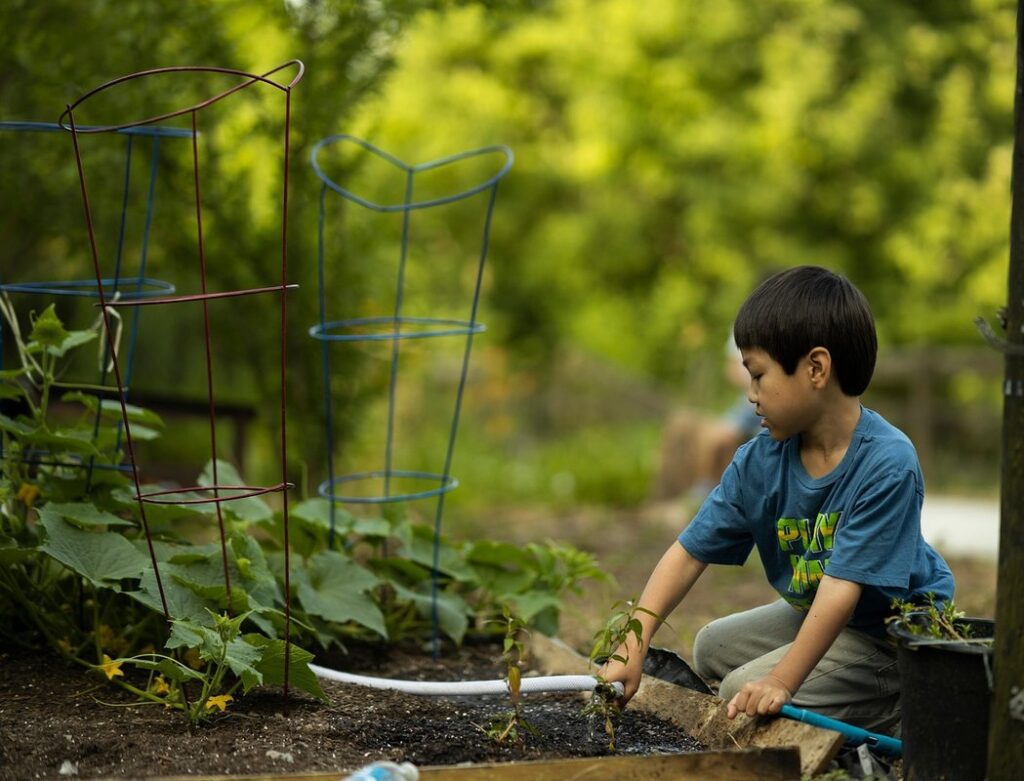
Understanding the Importance of Gardening in ESL Education
Gardening is a powerful tool for English language learners, allowing them to connect with nature and improve their vocabulary. In this important context, we’ll explore why gardening matters in ESL education.
Benefits of Gardening for Young Learners
Gardening activities can be an incredibly valuable addition to ESL education for young learners. Not only do they provide a unique opportunity for hands-on learning, but they also offer numerous benefits that extend beyond the garden itself.
For language acquisition, gardening allows children to engage with vocabulary related to nature, seasons, and growth in a concrete way. They can practice identifying different plant species, learning their names, and discussing their characteristics. This interactive approach helps solidify new words in their long-term memory and builds confidence in using them in context. Furthermore, as they tend to the garden, children develop essential communication skills by following instructions, asking questions, and sharing discoveries with peers.
In terms of cognitive development, gardening activities promote problem-solving, critical thinking, and creativity. Children must consider factors like sunlight, watering, and soil quality to ensure healthy plant growth, fostering a deeper understanding of cause-and-effect relationships. These skills are transferable to other areas of learning, enabling children to tackle complex tasks with greater ease.
Additionally, gardening is an excellent way to develop fine motor skills through activities such as planting seeds, watering plants, and harvesting produce. Regular physical activity in the garden also contributes to overall health and well-being.
Creating a Supportive Environment for ESL Kids
Creating a supportive environment is crucial for ESL kids to thrive in gardening activities. As teachers and parents, you play a significant role in fostering a nurturing atmosphere that encourages their engagement.
When creating this environment, it’s essential to consider the unique needs of ESL kids. They may require more guidance and reassurance as they navigate unfamiliar tasks and vocabulary related to gardening. To bridge this gap, involve them in planning and decision-making processes whenever possible. This not only makes them feel valued but also helps build confidence.
For instance, ask your students to choose which plants to grow or select the gardening tools they’d like to use. Such small victories can be incredibly motivating and help them feel more invested in the process. Additionally, don’t underestimate the power of positive reinforcement. Praise their efforts, celebrate their successes, and acknowledge their growth – no matter how small.
Make sure to maintain open communication channels with parents as well, keeping them informed about their child’s progress and any challenges they may be facing. By working together, you can create a seamless experience that not only teaches gardening skills but also reinforces language acquisition in a fun and supportive environment.
Preparing ESL Kids for Seed Grow Harvest
Now that you have a solid understanding of the seed grow harvest process, let’s focus on preparing your young learners to participate in the fun and educational experience. This section will guide you through lesson planning ideas and activity suggestions.
Choosing the Right Seeds for Young Learners
When it comes to choosing seeds for young learners, you want to select varieties that are easy to grow and require minimal maintenance. This is especially important when working with children who may not have prior experience with gardening.
Consider the ease of growth: Opt for fast-growing plants like radishes, beans, or cucumbers, which can be harvested within a week or two. These plants also require minimal care and are less prone to pests. For example, radishes can be grown in as little as 20-25 days and are easy to transplant.
Look into educational potential: Plants with unique characteristics, such as those that change color or have unusual textures, can spark curiosity and encourage learning. You might consider growing sunflowers, which can grow up to 12 feet tall and provide an excellent lesson on plant growth and development.
Lastly, think about the duration of growth: Choose seeds that mature within a reasonable timeframe, allowing children to see the full cycle of growth from planting to harvesting. This will help them understand and appreciate the process of photosynthesis and the importance of sunlight in plant growth.
Some great options for ESL kid seed grow harvest include cherry tomatoes, which are easy to care for and can be harvested every few days, or zinnias, which come in a variety of colors and are relatively low maintenance.
Teaching Kids about Soil and Fertilizers
Soil and fertilizers are essential components of plant growth that ESL kids should understand. Let’s start with the basics: soil composition. Soil is made up of minerals, organic matter, water, and air. When plants grow, they need a mix of these elements to thrive.
There are three main types of soil: clay, silt, and sand. Clay soil holds water well but can be dense for roots to grow. Silt soil is ideal for most plants as it drains excess water and retains some moisture. Sand soil drains quickly but may require more watering.
Now, let’s talk about fertilizers! Fertilizers are substances that add nutrients to the soil to promote plant growth. Organic fertilizers come from natural sources like animal waste or compost. They’re slow-acting but beneficial for long-term soil health. Synthetic fertilizers, on the other hand, are quick-fix solutions made from chemicals. However, they can harm the environment if overused.
To teach ESL kids about soil and fertilizers, use simple examples. Compare different types of soil like clay and sand to explain their properties. Discuss the pros and cons of using organic versus synthetic fertilizers. For a hands-on activity, have them create a compost bin or make a homemade fertilizer using kitchen scraps. This interactive approach will help them grasp these complex concepts better.
Planting and Nurturing Seeds with ESL Kids
When it comes to growing seeds with your ESL kids, planting and nurturing is just as important as harvesting. Let’s dive into some fun activities for this crucial stage of growth.
Hands-on Activities for Seed Planting
Getting kids’ hands dirty is an excellent way to make learning fun and engaging. Hands-on activities for seed planting are perfect for promoting tactile learning and fine motor skills development in ESL kids. By involving them in the process, you’re not only teaching them about botany but also encouraging active participation and curiosity.
For this activity, start by preparing a variety of seeds suitable for children to handle, such as bean sprouts or sunflower seeds. Demonstrate how to carefully plant each seed in small pots filled with potting soil, explaining the importance of gentle handling and precise placement. Next, give each child their own pot and let them take turns planting their seeds.
To make it more engaging, you can also incorporate math concepts by having kids measure out a specific amount of water or fertilizer to add to the pot. This interactive approach will help develop their fine motor skills while introducing basic science principles in an enjoyable way. For instance, ask them to predict which seed might grow faster and why.
Teaching ESL Kids about Watering and Irrigation
Teaching ESL kids about watering and irrigation can be a fun and interactive way to help them understand the importance of proper plant care. Start by explaining that plants need water just like humans do – but too much water is as bad as not enough! Use a visual aid like a picture or diagram to show how roots grow deeper into the soil with adequate moisture.
Explain the concept of irrigation systems using simple language, such as “a network of tubes and pipes that help plants get the right amount of water.” You can use real-life examples like drip irrigation systems in gardens or sprinkler systems in parks. Use a hands-on activity where kids can create their own mini irrigation system using everyday materials.
To monitor plant growth, teach ESL kids to observe their plants regularly for signs of thirst (like wilted leaves) and overwatering (like soft, mushy stems). Encourage them to use a watering schedule or calendar to track when each plant needs water. This will help develop their critical thinking skills and responsibility towards caring for living things.
Monitoring and Maintaining the Garden with ESL Kids
As you continue growing your garden with ESL kids, it’s essential to teach them how to monitor its progress and perform routine maintenance tasks to ensure a healthy harvest. This involves regular checks on watering and pest control.
Encouraging Observation and Record-Keeping
Engaging kids in observing plant growth and recording progress is an excellent way to foster their curiosity and connection with nature. To encourage observation, set up a designated “plant-watching” station where children can regularly visit the plants, take notes, and record changes.
Encourage them to draw pictures or write short descriptions of what they observe each day. For instance, you might ask them to note the following:
• Color changes in leaves or flowers
• Growth patterns (taller, wider, branching out)
• New buds or blooms
• Signs of pests or diseases
To make connections between efforts and outcomes, explain to kids that observing plant growth is a crucial part of gardening. Emphasize how their daily watering, sunlight provision, and fertilization directly impact the plants’ development.
You can also organize regular “plant-inspections” where children compare their observations over time. This will help them visualize progress and understand cause-and-effect relationships in gardening.
Addressing Common Challenges and Pests
When growing plants with ESL kids, it’s inevitable to encounter common challenges and pests. These issues can be frustrating for both kids and adults, but there are many ways to address them. One of the most significant concerns is pests, such as aphids, whiteflies, and slugs. To deal with these unwanted visitors, we recommend using physical barriers like fine mesh or fine-netting to cover plants, preventing them from reaching the leaves.
For diseases, it’s essential to maintain good hygiene practices in the garden, including washing hands before handling plants. Remove any infected leaves or stems, and avoid overwatering which can lead to root rot. Regularly inspect plants for signs of disease and address problems promptly. For example, if you notice powdery mildew on your plants, mix one tablespoon of baking soda with one gallon of water and spray it on the affected areas.
It’s also crucial to be aware of environmental factors that might affect plant growth. Make sure kids understand how to identify and manage common environmental challenges like extreme temperatures, droughts, or excessive rainfall. For instance, if a heatwave is forecasted, move plants under shade or use a sunshade to protect them from scorching sunlight.
In addition, teach ESL kids the importance of crop rotation to prevent soil-borne diseases and pests. By rotating crops annually, you can maintain soil fertility and minimize pest and disease buildup. This approach also introduces children to basic gardening principles and allows them to learn by observing changes in their garden over time.
Harvest Time: Celebrating Success with ESL Kids
As you’ve reached the harvest stage, it’s time to celebrate your students’ hard work and progress. Let’s explore ways to make this momentous occasion fun and engaging for them.
Preparing for the Harvest: Timing and Expectations
When to Expect the Harvest
The excitement is building up as you and your ESL kids eagerly await the harvest. But have you given much thought to the timing of this milestone? It’s essential to plan ahead, so you don’t miss the optimal harvesting window. Typically, seeds take 4-6 weeks to germinate, followed by a growth period of 6-8 weeks before they’re ready for harvest.
To prepare your kids for this exciting moment, explain the concept of time and how it relates to plant growth. You can use visual aids like calendars or charts to demonstrate the passing of days and weeks. Discuss with them what to expect during the harvest – the colors, textures, and smells associated with ripe plants.
As the harvesting date approaches, involve your kids in the preparations. Teach them about the importance of timing and how it affects the plant’s quality. Explain that if they’re not harvested at the right time, the seeds may become too mature or even spoil. This is an excellent opportunity to discuss cause-and-effect relationships and the consequences of delayed harvesting.
Making the Most of the Harvest Experience
As you and your ESL kids celebrate the harvest season, it’s essential to make the most of this exciting experience. Reflection, sharing experiences, and planning future gardening activities will not only deepen their understanding of the process but also create lasting memories.
Start by reflecting on what worked well during the growing period. Discuss with your students how they overcame challenges, learned new skills, and observed changes in their plants. This self-reflection encourages kids to think critically about their experience and develop a sense of accomplishment.
Share experiences with the class! Invite each child to describe their favorite part of the harvest process, from planting seeds to harvesting fruits or vegetables. Encourage them to use descriptive language and consider showcasing their work through drawings, poems, or short stories.
To plan future gardening activities, involve your students in brainstorming ideas for new projects. Ask open-ended questions like: “What would you like to grow next?” or “How can we improve our garden design?” This not only fosters creativity but also helps kids develop essential skills like problem-solving and decision-making. By capitalizing on the excitement of the harvest, you’ll create a rich learning experience that extends beyond the classroom walls.
Frequently Asked Questions
How can I adapt these gardening activities for younger children (3-5 years old) who are still developing their fine motor skills?
Younger children can participate in simple tasks like watering, observing plants grow, and harvesting with assistance. Use large seeds, soft soil, and child-friendly tools to make the experience enjoyable and accessible.
What if I notice that my ESL kid is struggling to identify different types of seeds or plants? How can I support their vocabulary development?
Encourage your child to observe plant labels, ask questions, and engage in hands-on activities like planting and nurturing. Use picture cards, flashcards, or simple vocabulary lists to reinforce new words related to gardening.
Are there any specific ESL-friendly resources that I can use to teach my kids about soil, fertilizers, and other gardening concepts?
Yes! Utilize interactive online resources, apps, or educational videos specifically designed for young learners. You can also create your own visual aids using diagrams, illustrations, or charts to explain complex gardening concepts.
How often should I plan gardening sessions with my ESL kid to ensure consistent progress and motivation?
Schedule regular gardening sessions (e.g., weekly) to establish a routine and make the experience enjoyable and engaging. Be flexible and adjust the frequency based on your child’s attention span and interests.
What are some common mistakes or challenges that parents face when implementing gardening activities for their ESL kids, and how can I avoid them?
Common mistakes include overestimating the time commitment or underestimating the complexity of certain tasks. To avoid these, start small, be patient, and gradually introduce more advanced concepts as your child’s skills grow. Encourage open communication with your child to identify potential challenges and find solutions together.