
Gnats in soil can be a frustrating problem for any gardener. These tiny flying pests can quickly infest your potting mix, causing more than just aesthetic issues – they can also lead to root rot and other complications that can harm your plants. But identifying the causes of gnat infestations and implementing effective prevention methods can make all the difference in maintaining a healthy garden. If you’re tired of dealing with these pesky insects, you’ve come to the right place! In this article, we’ll delve into the world of soil gnats, exploring the reasons behind their presence, providing practical tips for preventing infestations, and sharing long-term solutions for achieving a gnat-free garden once and for all.
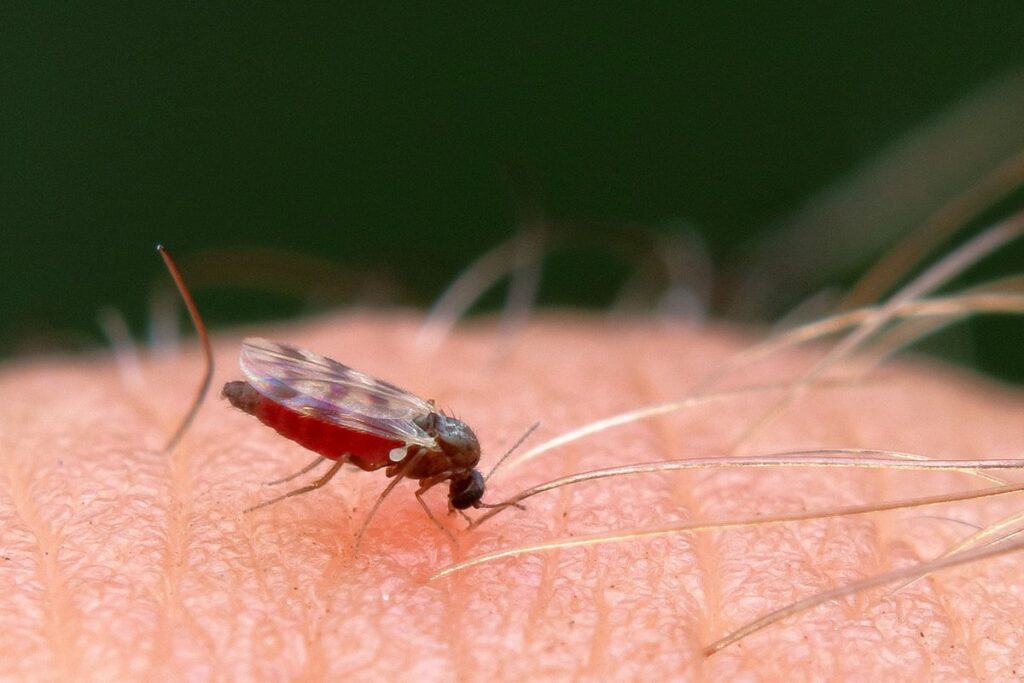
What are Gnats in Soil?
Gnats in soil can be a frustrating problem for gardeners, so let’s start by understanding what these tiny insects are and why they’re attracted to your plant’s roots.
Types of Gnats Found in Soil
Gnats found in soil can be broadly categorized into three main types: fungus gnats, springtails, and shore flies. Each of these types has distinct characteristics that set them apart from one another.
Fungus gnats are the most common type of gnat found in soil. They are typically between 1/16 to 1/8 inch in length and have a black or dark-colored body with long, thin legs. Their larvae feed on fungi and plant roots, which is why they thrive in damp environments. If you notice small flying insects hovering above the surface of your potting mix, it’s likely fungus gnats.
Springtails, also known as jumping bristletails, are smaller than fungus gnats, measuring between 1/16 to 1/4 inch in length. They have a unique, forked appendage at the tip of their abdomen that they use for jumping and escaping predators. Springtails feed on decaying plant matter and fungi.
Shore flies, also known as moth flies or scuttle flies, are slightly larger than fungus gnats, measuring between 1/8 to 1/4 inch in length. They have a stout body with long antennae and legs. Shore flies lay their eggs in the soil and their larvae feed on decaying organic matter.
These types of gnats can indicate underlying issues within your soil ecosystem, such as overwatering or poor drainage. To prevent infestations, make sure to monitor the moisture levels in your potting mix and avoid overfertilizing.
Life Cycle of Gnats in Soil
The life cycle of gnats in soil is a crucial aspect to understand when it comes to managing infestations. Gnats undergo complete metamorphosis, meaning they have four distinct stages: egg, larva, pupa, and adult.
Egg stage: Female gnats lay their eggs in the top 1-2 inches of moist soil. The eggs hatch into larvae within 24 hours. Larval stage: The larvae feed on microorganisms, algae, and plant roots, breaking down organic matter and recycling nutrients. This process can be beneficial for soil health but can also lead to over-decomposition.
Pupal stage: As the larvae mature, they transform into pupae. This stage usually lasts a few days, during which time the gnats prepare for adult emergence.
Adult stage: Adult gnats emerge from the pupal stage and begin the cycle again. Their lifespan is typically short-lived, ranging from a few days to several weeks, depending on environmental factors.
To break the life cycle, it’s essential to target all stages. Effective management involves controlling moisture levels, improving soil structure, and using targeted pesticides or natural deterrents during specific growth stages.
Causes of Gnat Infestations in Soil
So, you’ve got gnats buzzing around your plants and now you want to know why it’s happening. This next part will explore some common causes of gnat infestations in soil.
Overwatering: A Common Cause of Gnat Infestation
Overwatering is one of the most common causes of gnat infestations in soil. When you water your plants excessively, it creates an ideal breeding ground for gnats to thrive. Excess moisture can lead to root rot and other problems that compromise plant health. Gnats are attracted to the standing water and moist environment, which allows them to lay eggs and multiply rapidly.
The consequences of overwatering on soil health cannot be overstated. Prolonged exposure to excess moisture can cause soil compaction, reduce oxygen levels, and alter the pH balance. This creates an unstable ecosystem that’s perfect for gnats to exploit. To prevent gnat infestations due to overwatering, ensure you’re not watering your plants too frequently or using too much water at once.
Check your soil moisture by sticking your finger into the soil up to the first knuckle. If it feels dry, it’s time to water. Also, make sure your pot has good drainage holes to prevent waterlogged soil. By being mindful of your watering schedule and taking steps to improve soil health, you can significantly reduce the risk of gnat infestations in your soil.
Poor Drainage and Compacted Soil
Poor drainage and compacted soil can create an ideal breeding ground for gnats. When the soil is waterlogged or lacks proper aeration, it becomes a perfect environment for fungus gnats to thrive. These tiny insects lay their eggs in the moist soil, where they hatch into larvae that feed on fungi and organic matter.
Compacted soil, often caused by over-tilling or heavy foot traffic, can lead to reduced air pockets within the soil structure. This prevents water from draining efficiently, causing the soil to become waterlogged. As a result, gnat eggs are more likely to survive and hatch, contributing to an infestation.
To prevent gnats from taking hold in compacted soil, it’s essential to address the underlying issue. Start by loosening the soil with a fork or aerator to improve drainage and increase air pockets. Then, reduce watering frequency to allow the soil to dry slightly between waterings. This will help prevent moisture buildup and make it more difficult for gnats to breed.
Prevention Methods for Gnats in Soil
To effectively manage gnats in your soil, it’s essential to understand some simple yet effective prevention methods that you can easily implement at home. These tips will help you avoid attracting these pests in the first place.
Monitoring Soil Moisture Levels
Monitoring soil moisture levels is crucial to prevent overwatering, which is a primary cause of gnats in soil. When soil is consistently waterlogged, it creates an ideal environment for gnats to thrive. To achieve optimal watering schedules, start by checking the soil’s moisture level daily. You can do this by inserting your finger into the soil up to the first knuckle or using a moisture meter.
Aim to maintain a moist but not soggy consistency, as this will help prevent water from accumulating in the soil. Watering once a week is often sufficient for most plants, but this may vary depending on factors such as climate, pot size, and plant type. For example, tropical plants like ferns require more frequent watering than succulents.
To further ensure you’re not overwatering, observe your plant’s behavior. If the leaves are droopy or the soil is consistently waterlogged, it may be a sign that you need to adjust your watering schedule. Regular monitoring and adjustments will help maintain a healthy balance between moisture levels, reducing the likelihood of gnat infestations.
Implementing Good Soil Management Practices
Implementing good soil management practices is one of the most effective ways to prevent gnat infestations. Regular aeration allows for better air circulation and moisture balance in the soil, making it an inhospitable environment for gnats to thrive. To aerate your soil, use a fork or spade to gently loosen the top 2-3 inches of soil. This will help to break up compacted soil and improve drainage.
Composting is another essential practice that can help prevent gnats in the long run. By incorporating compost into your soil, you’re introducing beneficial microorganisms that outcompete gnat larvae for food and resources. Compost also helps to retain moisture, reducing the need for frequent watering which can attract gnats. To make your own compost, start by collecting kitchen scraps and yard waste, then mix them with a balanced blend of “green” (nitrogen-rich) and “brown” (carbon-rich) materials.
Mulching is another simple yet effective practice that can help prevent gnats in the soil. Organic mulch such as wood chips or bark can help to suppress weeds, retain moisture, and regulate soil temperature – all of which make for an unfavorable environment for gnats.
Treating Gnat Infestations in Soil
If you’ve identified gnats in your soil, it’s essential to address the issue quickly before they cause more harm. This section will guide you through effective ways to treat gnat infestations in soil.
Using Neem Oil or Insecticidal Soap
When using neem oil or insecticidal soap as organic control methods for gnat infestations, it’s essential to follow proper application rates and take necessary precautions. Neem oil is a popular choice among gardeners due to its natural properties that disrupt the gnats’ life cycle.
To use neem oil effectively, mix 2-4% of the product with water according to the manufacturer’s instructions. Spray the solution evenly over the affected area, making sure to saturate the soil thoroughly. Repeat the process every 7-10 days as needed. However, be cautious not to overapply, as this can harm beneficial microorganisms in the soil.
Insecticidal soap is another effective option for controlling gnats without harming the environment. Mix 1-2 tablespoons of insecticidal soap with a gallon of water and spray it on the affected area. This solution should be reapplied every 7-10 days to maintain control over gnat populations. When using either neem oil or insecticidal soap, avoid applying them during intense sunlight or when plants are under stress, as this can exacerbate damage.
Some examples of effective products include Safer Brand Neem Oil Concentrate and E.B. Stone Organics Insecticidal Soap. Remember to always read the label carefully and follow the recommended application rates to ensure optimal results while minimizing risks to your garden’s ecosystem.
Introducing Beneficial Nematodes to Control Gnats
Beneficial nematodes are microscopic worms that can be used to control gnat populations in soil. These tiny predators feed on the larvae of gnats and other pests, effectively reducing their numbers. One of the main advantages of using beneficial nematodes is that they are a natural alternative to chemical pesticides.
Unlike chemical treatments that can harm plants, beneficial nematodes pose no risk to your garden or the environment. They are also specific to gnat larvae, meaning they won’t contaminate soil or harm other beneficial organisms. To introduce beneficial nematodes to your soil, follow these steps: apply them directly to the affected area, water thoroughly, and maintain a humid microclimate.
Research has shown that beneficial nematodes can reduce gnat populations by up to 90% in just a few weeks. By using these natural predators, you can avoid chemical pesticides and create a healthier ecosystem for your plants. When choosing beneficial nematodes, look for species specifically designed to target gnats and follow the product’s instructions carefully to ensure optimal results.
Long-Term Solutions for Gnat Prevention in Soil
If you’re tired of constantly dealing with gnats in your soil, it’s time to focus on long-term solutions that prevent these pesky insects from taking over. We’ll explore some effective ways to keep them at bay.
Improving Soil Fertility and Structure
Improving soil fertility and structure is crucial for maintaining healthy soil that’s less prone to gnat infestations. Regular composting is a simple yet effective way to enrich the soil with essential nutrients and microorganisms. By adding a 2-3 inch layer of compost to the top of your soil, you can provide beneficial microbes that break down organic matter and improve soil structure.
Mulching is another vital practice for maintaining soil fertility and structure. Organic mulches like wood chips or leaves help retain moisture, suppress weeds, and regulate soil temperature. Aim to add a 3-4 inch layer of mulch around plants to create an environment less conducive to gnat breeding. Regular aeration practices such as gently loosening the top 6-8 inches of soil can also improve drainage and reduce waterlogged areas where gnats thrive.
As a general rule, aim to add compost or aged manure at least once a month during growing seasons to maintain optimal soil fertility.
Encouraging Beneficial Microorganisms in Soil
Encouraging beneficial microorganisms in soil is an essential step towards creating a healthy and balanced ecosystem that can help prevent gnat infestations. These tiny organisms play a crucial role in breaking down organic matter, fixing nitrogen, and suppressing plant diseases.
To encourage beneficial microorganisms, it’s essential to create a soil environment that is conducive to their growth. This involves maintaining optimal soil moisture levels, pH balance, and temperature. Aim for a pH range between 6.0 and 7.0, as most beneficial microbes thrive in slightly acidic to neutral conditions.
Adding organic matter such as compost or well-rotted manure can help stimulate microbial activity. Aim to add at least 2-3% of organic matter to your soil annually. This will not only encourage beneficial microorganisms but also improve soil structure and fertility.
Some examples of beneficial microorganisms that can help control gnats include:
* Trichoderma, a fungus that competes with gnat eggs for food
* Bacillus, a bacterium that produces compounds toxic to gnats
* Lactobacillus, a lactic acid bacteria that helps break down organic matter and reduce gnat populations
By incorporating these beneficial microbes into your soil, you can create a more resilient ecosystem that is less susceptible to gnat infestations.
Common Myths and Misconceptions About Gnats in Soil
One of the most frustrating things about caring for houseplants is getting bogged down by misconceptions, so let’s clear up some common myths about gnats in soil.
Separating Fact from Fiction
It’s easy to get caught up in misconceptions about gnats in soil, but separating fact from fiction is crucial for effective management. One common myth is that gnats are a sign of poor soil quality. While it’s true that certain conditions can attract gnats, such as excessive moisture or nutrient deficiencies, they aren’t necessarily indicative of overall soil health.
In reality, gnats thrive in a wide range of environments, from pristine to heavily contaminated soils. What matters most is the presence of organic matter and moisture. Gnats are attracted to decaying plant material, fungi, and algae, which can develop even in well-draining soils. This means that good gardening practices like regular fertilization and pruning can actually contribute to gnat infestations by creating ideal breeding grounds.
Another misconception is that eliminating gnats requires toxic pesticides or chemical treatments. Not only are these methods often ineffective, but they also pose risks to people, pets, and the environment. Instead, adopt integrated pest management (IPM) strategies that combine physical barriers, cultural controls (e.g., reducing watering schedules), and biological controls like beneficial nematodes.
To put things into perspective, research has shown that certain species of gnats can even be beneficial, serving as indicators of ecosystem health or pollinators in their own right. By understanding the complex relationships between soil, microorganisms, and gnat populations, you’ll gain a more nuanced appreciation for these tiny insects – and develop more effective strategies for managing them in your garden.
By letting go of misconceptions and embracing accurate information, you’ll be better equipped to identify and address the root causes of gnat infestations. This approach not only reduces chemical use but also promotes sustainable gardening practices that prioritize soil health and ecosystem balance.
Frequently Asked Questions
What if I’ve already treated my soil with neem oil or insecticidal soap, but gnats are still present? Should I try something else?
If you’ve tried using neem oil or insecticidal soap and the gnats persist, it’s likely that their eggs have hatched into larvae. In this case, introducing beneficial nematodes to your soil can be an effective way to target the larvae directly. Nematodes are microscopic worms that attack and kill gnat larvae, providing a long-term solution to the problem.
How do I know if my plant is root-bound due to poor drainage and compacted soil?
Check for signs of root bound plants, such as slow growth, yellowing leaves, or visible roots growing out of the drainage holes. To assess the condition of your potting mix, gently remove the plant from its container and inspect the roots. If they’re circling or showing signs of decay, it’s likely due to poor drainage and compacted soil.
Can I use a single treatment method for all types of gnats in my soil?
Unfortunately not. Each type of gnat (fungus gnats, springtails, and shore flies) has distinct characteristics and requires tailored solutions. Fungus gnats, for example, thrive in damp environments and feed on fungi and plant roots, so treatments like neem oil or insecticidal soap may be effective. However, springtails prefer dry areas and might require a different approach.
How long does it take to notice results after introducing beneficial nematodes to my soil?
The time it takes for beneficial nematodes to produce noticeable results varies depending on the severity of the gnat infestation. In general, you can expect to see significant reductions in gnat populations within 2-4 weeks after introduction. However, some treatments might take up to 6 weeks to show full effectiveness.
Are there any long-term consequences to using neem oil or insecticidal soap on my soil?
Yes. While these products are generally considered safe for plants and humans, prolonged use can lead to the development of resistant gnat populations. It’s essential to rotate treatments with other methods, such as introducing beneficial nematodes, to maintain a balanced approach and minimize the risk of resistance buildup.