
The annoying buzz of fruit flies can quickly turn your kitchen into a chaotic mess. Getting rid of these pesky insects is not only frustrating but also essential for maintaining a clean and healthy home environment. Fruit flies are attracted to sweet or fermented substances, which makes them particularly drawn to ripe fruits, vegetables, and even soda spills. If you’re tired of swatting at them or covering your fruit bowl with a cloth, it’s time to take action.
In this comprehensive guide, we’ll walk you through the most effective ways to eliminate fruit flies from your home for good. From prevention techniques that involve identifying and eliminating attractants, to homemade traps and natural remedies, we’ve got you covered. Whether you’re dealing with a minor infestation or trying to prevent one altogether, our expert advice will help you keep your kitchen fly-free all year round.
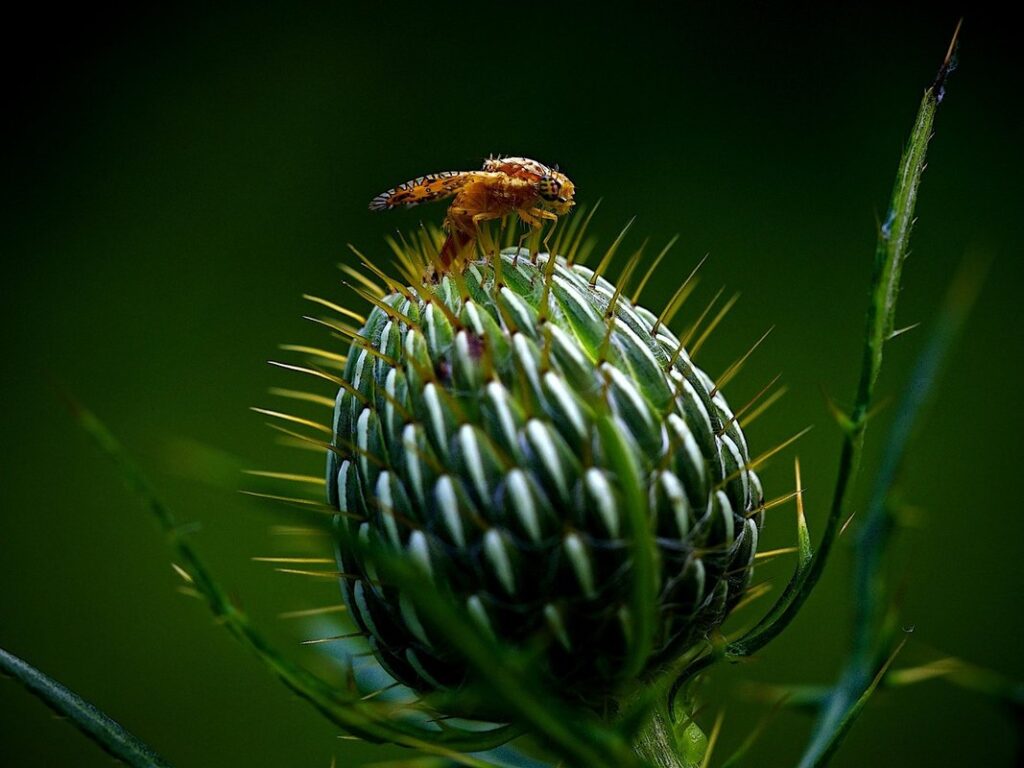
Understanding Fruit Fly Infestations
To tackle fruit fly infestations effectively, you need to understand what causes them and how they spread within your home. Let’s break down the common reasons behind these unwanted pests.
What Attracts Fruit Flies
Fruit flies are attracted to certain environments that provide them with the perfect combination of food, water, and shelter. One of the main reasons they infest homes is due to the presence of fermenting substances such as overripe fruits, vegetables, and beverages. These sweet-tasting substances emit a strong odor that attracts fruit flies. For example, if you have a bowl of fruit on your kitchen counter, it’s likely to attract fruit flies.
Another common cause of infestations is dirty drains, particularly in the kitchen sink area. Fruit flies lay their eggs in the moist environment of clogged drains, and when they hatch, the larvae feed on the organic matter present there. Similarly, fruit flies are also drawn to soda, wine, and beer that have been left open or fermented for too long.
To prevent fruit fly infestations, it’s essential to maintain a clean and well-ventilated home. Regularly check your drains for blockages, and make sure to store food in sealed containers. Additionally, take out the trash regularly and keep your kitchen counters free of crumbs and spills. By following these simple tips, you can reduce the likelihood of attracting fruit flies into your home.
Identifying Fruit Fly Breeding Sites
Locating fruit fly breeding sites is crucial to effectively eliminate these pests. To do this, you need to inspect areas where fruits and vegetables are stored, particularly those that are overripe or rotting. These conditions create an ideal environment for fruit flies to breed and multiply rapidly.
Check your kitchen counters, sinks, and trash cans regularly for signs of spoilage. Overripe fruits like bananas, apples, and berries are a magnet for fruit flies. Rotting vegetables such as onions, potatoes, and carrots also attract them. If you notice any of these items past their prime, remove them immediately and dispose of them in sealed bags to prevent attracting more fruit flies.
Another common breeding site is sink drains, especially if they haven’t been cleaned properly. Hair, soap scum, and food particles can clog the pipes and create a warm, moist environment that’s perfect for fruit fly larvae to develop. Check your drain screens and clean them regularly with a mixture of baking soda and vinegar to prevent this issue.
By identifying and addressing these breeding sites, you’ll be able to starve out the adult fruit flies and prevent future infestations. Remember, fruit flies can lay up to 500 eggs at a time, so it’s essential to stay on top of their breeding sites to keep your home pest-free.
Prevention Strategies
To completely eliminate fruit flies, it’s essential to understand the habits and behaviors that attract them to your home. Let’s explore effective prevention strategies to keep these pests at bay.
Keeping Your Home Clean
Keeping your home clean is a crucial aspect of preventing fruit fly infestations. Fruit flies are attracted to sweet and fermented substances, making regular cleaning and sanitizing essential. Start by removing any visible sources of sugar, such as sticky spills or unwashed dishes. Regularly wipe down kitchen counters, sinks, and appliances with soap and water.
Pay special attention to areas around trash cans, recycling bins, and compost piles, as these can harbor fermenting food waste that attracts fruit flies. Clean and sanitize any containers or utensils used for storing fruits, vegetables, and drinks. Remove any expired or rotting foods from your pantry and fridge.
Additionally, check for any hidden sources of vinegar, such as uncapped soda bottles or unsealed wine jugs. Regularly vacuum and dust surfaces to remove any crumbs or spills that may be harboring fruit fly eggs. By maintaining a clean home, you’ll significantly reduce the chances of attracting these pesky insects.
Eliminating Standing Water Sources
Standing water around the home is a breeding ground for fruit flies. It’s essential to eliminate these sources to prevent infestations. Start by inspecting your property, paying attention to areas that collect water, such as pet bowls, flower vases, and clogged drains. Check under sinks, in the basement, and near outdoor faucets.
Regularly clean and dry any containers or utensils that may be sitting with water. Change the water in pet bowls daily, and empty standing water from plant saucers and flower vases at least once a week. Fix any leaky faucets or pipes to prevent moisture buildup.
Check for clogged drains by pouring baking soda down the drain followed by hot water. If you have a slow-draining sink, use a plunger to clear the blockage. Regularly clean your home’s gutters and downspouts to ensure water is flowing freely off the roof. By eliminating standing water sources, you’ll significantly reduce the likelihood of fruit flies taking hold in your home. Remember, prevention is key to keeping these pests at bay.
Trapping Fruit Flies
Eliminating fruit flies is only half the battle – you also need to prevent them from coming back, and that’s where trapping comes into play. We’ll cover effective ways to trap these pesky insects in your home.
Using Homemade Traps
Fruit flies can be notoriously difficult to eliminate, but creating homemade traps is a cost-effective and eco-friendly way to get rid of them. One popular method involves using apple cider vinegar to attract the fruit flies. Mix 1-2 tablespoons of apple cider vinegar with 1 cup of water in a jar, and add a few drops of dish soap. The acid in the vinegar will draw the fruit flies in, while the soap will help break the surface tension of the liquid, causing them to sink and drown.
Another option is to use a wine trap. Similar to the apple cider vinegar mixture, mix 1-2 tablespoons of red or white wine with 1 cup of water and add a few drops of dish soap. The fruit flies will be attracted to the smell of the wine, but won’t be able to escape once they’ve entered the jar.
When using either of these traps, place them near the area where you’ve spotted the fruit flies. Cover the top with plastic wrap or a paper towel and secure it with a rubber band, making sure to poke some small holes in the center to allow the fruit flies to enter but not escape.
Commercial Traps: A Comparison
When it comes to eliminating fruit flies, commercial traps can be an effective solution. However, each type of trap has its pros and cons. Sticky traps are a popular choice, as they’re relatively inexpensive and easy to use. These traps work by trapping the fruit fly using a sticky adhesive, which prevents them from escaping. They’re also reusable and can be placed in areas where fruit flies are most active.
On the other hand, UV light traps are more aggressive and can eliminate larger numbers of fruit flies quickly. However, they require batteries or electricity to operate, making them less portable than sticky traps. Some models also have a fan that helps draw fruit flies into the trap, but this can be a drawback for those who prefer quieter solutions.
Bait traps use a sweet-smelling liquid or gel to lure fruit flies in, where they then get trapped. These are effective for large infestations and can be reused multiple times. However, they may not work as well in areas with heavy odors or strong scents that overpower the bait.
In practice, choosing between these options often comes down to personal preference and the specific needs of your situation. For example, if you’re dealing with a small number of fruit flies, a sticky trap might be sufficient. But for larger infestations or in areas where fruit flies are particularly persistent, a UV light trap or bait trap may be more effective.
Natural Remedies
When it comes to getting rid of fruit flies naturally, there are several effective remedies you can try at home without breaking out the chemicals. Let’s dive into some eco-friendly solutions that work wonders.
Essential Oils as Repellents
Fruit flies can be quite pesky, and finding ways to repel them without using harsh chemicals is definitely a desirable approach. Certain essential oils have been found to be effective natural repellents for these tiny insects. Peppermint oil, for instance, has been shown to deter fruit flies due to its strong scent, which they find unappealing.
You can use peppermint oil in several ways: add a few drops to a spray bottle filled with water and spritz it around the area where the fruit flies are present; or diffuse the oil using an essential oil diffuser. Another option is lemongrass oil, known for its citrusy scent that repels fruit flies.
Citronella oil, often used in outdoor candles and torches to keep mosquitoes at bay, can also be used to keep fruit flies away. Simply mix a few drops of citronella oil with water and spray it around the affected area. Keep in mind that essential oils should always be diluted before applying them directly on surfaces or in sprays.
When using essential oils for repelling fruit flies, make sure you’re using high-quality oils from reputable sources to ensure their effectiveness. Also, note that while these oils can help deter fruit flies, they may not eliminate the problem entirely – other methods, such as traps and cleaning, should still be used in conjunction with repellents.
Herbs and Plants for Fruit Fly Control
When it comes to natural remedies for fruit fly control, herbs and plants can be incredibly effective. Certain scents emitted by these plants can repel fruit flies, making them an excellent addition to your pest control arsenal. Let’s take a look at three popular options: basil, mint, and lavender.
Basil, known for its distinctive aroma, is a natural deterrent against fruit flies. Its scent properties can be attributed to the presence of linalool, a compound that repels these pests. To use basil effectively, you’ll need to plant it in well-draining soil with full sun exposure. Regular pruning will encourage bushy growth and maximize its fragrance.
Mint, on the other hand, is another herb that fruit flies detest. Its strong scent can be overwhelming for these insects, keeping them at bay. Like basil, mint prefers well-draining soil but requires partial shade to thrive. Prune it regularly to prevent spreading and encourage new growth.
Lavender’s calming effect on humans doesn’t extend to fruit flies, which are repelled by its pungent aroma. Plant lavender in a spot with full sun exposure and well-draining soil for optimal growth.
Advanced Solutions
For the most persistent fruit fly infestations, we’ve got advanced solutions that combine multiple methods for a knockout punch against these pesky insects. These unconventional techniques often require some elbow grease, but are incredibly effective.
Professional Extermination Services
If you’ve tried various DIY methods and still can’t get rid of fruit flies, it may be time to consider hiring a professional extermination service. Severe infestations can be overwhelming, and repeated failures with DIY approaches can lead to feelings of frustration and helplessness.
Some signs that indicate the need for professional assistance include:
* Large numbers of fruit flies present in your home or garden
* Persistent infestation despite regular cleaning and sanitizing
* Difficulty identifying and eliminating the source of the infestation
When hiring a pest control professional, make sure to choose one who has experience in treating fruit fly infestations. They will assess the situation, identify the root cause, and recommend effective treatment options.
A professional extermination service can provide targeted solutions to eliminate fruit flies quickly and efficiently. This may involve using specialized equipment or treatments that are not available for DIY use. By hiring a professional, you’ll be able to restore your home’s comfort and enjoyment, free from the nuisance of these pesky insects.
Using Insect Growth Regulators (IGRs)
Insect Growth Regulators (IGRs) are a type of chemical that can be effective in controlling fruit fly populations. These chemicals work by mimicking the natural hormones found in insects, specifically those that regulate growth and development. When ingested, IGRs disrupt the insect’s hormone balance, preventing them from reaching adulthood and reproducing.
One of the key benefits of using IGRs is their ability to target specific life stages of fruit flies, rather than just killing adult insects. This can lead to a more effective reduction in population numbers over time. For example, if you’re using an IGR bait station, the chemical will be ingested by larvae and pupae as they emerge, preventing them from maturing into adults.
However, it’s essential to weigh the pros and cons of using IGRs. While they can be effective, some may contain harsh chemicals that can harm humans or pets if not handled properly. Additionally, fruit flies can develop resistance to certain IGRs over time, making them less effective in controlling populations. Always follow label instructions carefully and consider combining IGRs with other control methods for optimal results.
Maintenance and Prevention Tips
To keep those pesky fruit flies from coming back, it’s essential to focus on maintenance and prevention tips that’ll help you maintain a fly-free home. This includes regular cleaning and monitoring for signs of infestation.
Regular Monitoring for Infestations
Regular monitoring is key to detecting fruit fly infestations early on. These pesky insects can multiply rapidly, so it’s essential to stay vigilant and check for signs of an infestation regularly. Start by inspecting the areas around fruit bowls, trash cans, and any other places where food and drinks are stored.
Look out for tiny eggs, larvae, or adult fruit flies hovering near these sources. Check for web-like structures, which indicate that a female fruit fly has laid her eggs. Also, be on the lookout for the distinctive “apple cider vinegar trap” smell, which fruit flies find irresistible. This can help you pinpoint potential breeding areas.
Make it a habit to check your home daily, especially during peak fruit fly season (summer and early fall). Take note of any areas with high humidity or moisture, as these conditions attract fruit flies. Don’t wait until the infestation gets out of hand – catch it early by being proactive in monitoring for signs of fruit flies.
Seasonal Preparation for Fruit Fly Control
As we welcome the changing seasons, it’s essential to prepare our homes for the influx of fruit flies that often accompany them. One of the most effective ways to prevent these pesky insects from taking over is through proper seasonal preparation.
Start by giving your drains a good cleaning, as clogged pipes and slow-moving water can attract fruit flies. Use a mixture of baking soda and vinegar to clear out any debris and maintain a free-flowing drain. Next, inspect your windows for any signs of damage or worn-out screens, as these can provide an entry point for fruit flies.
When storing fruits and vegetables, make sure they’re not overripe or rotting, as these conditions are like a neon sign to fruit flies. Store them in sealed containers or zip-top bags to prevent moisture from accumulating and attracting fruit flies. Keep your kitchen counters clean, wipe down any surfaces that may have come into contact with fruit or vegetables, and regularly dispose of trash.
By following these simple steps, you’ll be well-prepared to tackle the seasonal fruit fly invasion and keep your home free of these unwanted pests.
Frequently Asked Questions
How can I identify the breeding sites of fruit flies in my home?
Identifying fruit fly breeding sites is crucial to eliminating them effectively. Check for signs like small, dark specks or tiny eggs on fruits and vegetables, especially near overripe or rotting food. Look for areas with high humidity and warm temperatures, as these conditions are ideal for fruit fly breeding.
Can I use essential oils as a standalone solution for fruit fly control?
While certain essential oils, such as peppermint and lemongrass, can repel fruit flies, they may not be effective on their own in eliminating the infestation. It’s best to combine essential oils with other methods like homemade traps or elimination of attractants for optimal results.
How often should I monitor my home for signs of fruit fly infestations?
Regular monitoring is key to preventing and controlling fruit fly populations. Check your kitchen, particularly areas around fruits and vegetables, every 2-3 days for signs of infestation during peak season (summer-fall). Be proactive in addressing any issues before they escalate.
Can I use store-bought traps or sprays as a quick fix for fruit flies?
While commercial products can provide temporary relief, they may not address the root cause of the problem. Fruit fly populations can quickly adapt to and develop resistance against chemical-based solutions. For long-term control, consider combining these with natural remedies and prevention strategies.
How do I prevent fruit fly infestations during the off-season (winter-spring)?
Even when temperatures are cooler, fruits and vegetables can still attract fruit flies. Keep your home clean by regularly cleaning and sanitizing surfaces, removing any rotting food, and storing fruits and veggies properly in sealed containers or bags. This will help minimize the risk of attracting fruit flies even during the off-season.