
Gorse bushes are a common sight in many parts of the world, but their beauty can quickly turn to nuisance when they start to take over land. These prickly plants can outcompete native species and cause significant economic losses for farmers and landowners. In fact, preventing invasive species like gorse from spreading is essential to maintaining ecosystem balance and preserving biodiversity.
If you’re struggling with an infestation of gorse bushes on your property, you’re not alone. Controlling these weeds can be a daunting task, especially when traditional methods are ineffective. That’s why we’ll explore integrated pest management (IPM) strategies that combine chemical, mechanical, and biological methods to tackle the problem. In this article, we’ll dive into the most effective approaches for gorse bush control, discuss their economic benefits, and provide practical tips for preventing invasive species from taking over your land.
Understanding Gorse Bushes: A Brief Overview
Gorse bushes can be a real nuisance if left unchecked, so let’s start by understanding their growth habits and why they’re such a challenge to control. In this section, we’ll take a closer look at these prickly plants.
What Are Gorse Bushes?
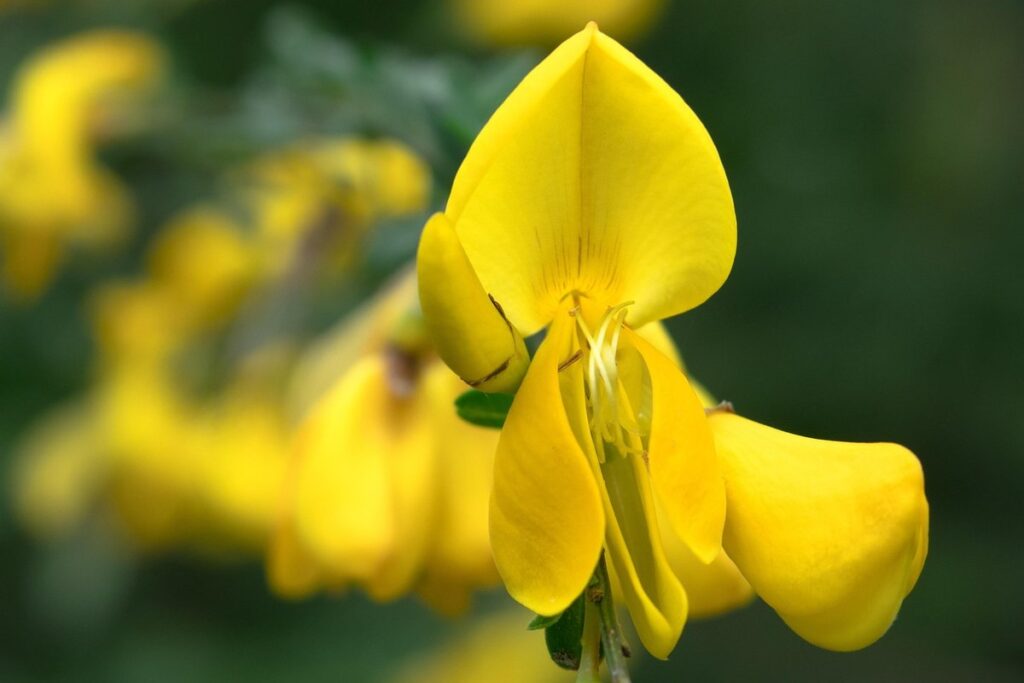
Gorse bushes are a type of evergreen shrub that has managed to spread its reach across the globe. Native to Europe, they have been able to thrive and naturalize in many parts of the world due to their hardiness and adaptability. One of the distinctive features of gorse bushes is their small, yet vibrant yellow flowers that bloom throughout the year, providing a splash of color in the landscape.
However, it’s worth noting that these beautiful blooms come with a price – long, thorny branches that can make them quite a nuisance to handle. The thorns on a gorse bush are not only sharp but also dense and impenetrable, making it difficult for humans and animals alike to navigate around them.
Despite their prickly nature, gorse bushes have a unique charm to them. They are often used as ornamental plants in landscaping due to their ability to thrive in poor soil conditions and withstand harsh weather. If you’re considering growing gorse bushes on your property, be sure to take precautions when handling the thorny branches, such as wearing protective gloves or using long-handled pruning tools.
Environmental Impact of Gorse Bushes
Gorse bushes may be an attractive addition to some landscapes, but their environmental impact cannot be ignored. One of the most significant concerns is their ability to outcompete native vegetation. Gorse bushes are highly invasive and can spread rapidly, crowding out local species that have coexisted for centuries. This can lead to a loss of biodiversity, as native plants and animals struggle to survive in areas dominated by gorse.
Another serious consequence of gorse bush proliferation is the increased risk of wildfires. Gorse bushes produce vast amounts of flammable foliage, which can ignite easily in dry conditions. In regions prone to drought or hot summers, the potential for devastating fires becomes very real. For example, a 2017 wildfire in Scotland’s Western Isles burned over 1,000 hectares of land, largely fueled by gorse growth.
When managing gorse bushes, it’s essential to consider their environmental impact. If you’re planning to control gorse on your property, make sure to adopt responsible methods that prioritize native vegetation recovery. This might involve removing invasive species carefully, allowing remaining plants to regrow and reseed with native species. Regular maintenance can help prevent gorse from reclaiming the area over time.
Why Control Gorse Bushes?
You might be wondering why controlling gorse bushes is so important, and we’re about to dive into some compelling reasons that’ll make you want to tackle those prickly invaders in your garden. Let’s take a closer look!
Invasive Species and Ecosystem Disruption
Gorse bushes can quickly become invasive species when they outcompete native plants for resources such as water and nutrients. Their dense, thorny growth habit makes it difficult for other vegetation to grow nearby, leading to a decline in biodiversity. In some areas, gorse has been known to displace native grasses and wildflowers, altering the ecosystem’s composition and functionality.
One way to assess the impact of gorse on local ecosystems is by examining its effects on wildlife habitats. For example, if gorse crowds out native food sources for herbivores, it can disrupt the delicate balance between species that rely on each other for survival. Controlling invasive gorse populations is essential to maintaining healthy ecosystems.
To control gorse effectively, consider using a combination of physical removal methods and targeted herbicides. Physical control may involve cutting or mowing gorse stems at soil level to prevent regrowth. This approach can be effective in smaller areas but may not be feasible on a larger scale.
Economic Importance of Gorse Bush Control
Controlling gorse bushes has far-reaching economic benefits that extend beyond mere aesthetics. For one, it can significantly reduce costs associated with land management. Gorse bushes can choke out native vegetation, reducing biodiversity and making lands prone to erosion. By removing these invasive species, landowners can restore the health of their property, preventing costly repairs and maintenance down the line.
Furthermore, gorse bush control also reduces the risk of devastating wildfires. These plants are highly flammable, and a single spark can ignite a blaze that threatens entire communities. In fact, it’s estimated that in some regions, up to 40% of wildfires are sparked by gorse bushes. By controlling these invasive species, landowners can greatly reduce their liability and protect the lives and property of those living nearby.
By preserving natural resources through gorse bush control, landowners can also reap economic benefits. This includes preventing soil degradation, preserving water quality, and protecting native wildlife habitats. In fact, a study in Ireland found that for every €1 invested in controlling gorse, landowners saw an average return of €2.50 in terms of increased productivity and reduced maintenance costs.
Methods of Gorse Bush Control
To effectively control gorse bushes, you need a range of methods that can tackle both small and large infestations, including mechanical removal and herbicides. Let’s take a look at your options.
Chemical Control: Herbicides and Pesticides
Chemical control is another method used to tackle gorse bush growth. This approach involves using herbicides and pesticides to kill or suppress gorse bushes. Herbicides specifically target plants, whereas pesticides target pests like insects, but can also affect plants.
The use of chemical control methods for gorse bush removal has its advantages. These include the ability to quickly cover large areas, reduce labor costs, and provide a more immediate result compared to mechanical or biological methods. Chemical controls can be applied as a foliar spray, injected directly into the soil, or broadcast over the entire area.
However, there are also drawbacks to consider when using chemical control methods. These include potential harm to non-target organisms like wildlife, water contamination, and long-term environmental damage. Furthermore, repeated use of herbicides can lead to the development of resistant gorse plants, making them less effective in controlling growth over time.
Mechanical Control: Cutting and Mowing
When it comes to controlling gorse bushes, mechanical control methods like cutting and mowing can be an effective way to physically remove or reduce their presence. Cutting is often the preferred method for small-scale gorse control, as it allows you to target specific areas of infestation. However, frequent cutting can stimulate new growth, so regular maintenance is essential.
Mowing is another viable option, particularly in larger areas where cutting may be impractical. Using a ride-on mower or a tractor-mounted flail mower can help clear large swaths of gorse in a shorter amount of time. To maximize the effectiveness of mowing, it’s crucial to maintain a regular mowing schedule to prevent seed production.
When using either method, be sure to wear protective gear, including gloves and safety glasses, as the sharp thorns on gorse bushes can cause injury. Also, keep in mind that cutting or mowing alone may not completely eradicate gorse infestations, so consider combining it with other control methods for optimal results.
Biological Control Methods
For those looking for a more natural approach to gorse control, biological methods can be an effective and environmentally friendly way to tackle these prickly plants. Let’s explore some options in this section.
Using Native Herbivores to Control Gorse Bushes
Using native herbivores to control gorse bushes is a fascinating approach that leverages nature’s own defense mechanisms. This method involves introducing species that naturally feed on gorse into the affected area. The potential benefits are substantial – native herbivores can be highly effective at controlling gorse populations, reducing the need for chemical herbicides and mechanical removal.
For instance, the Gorse Shield Bug (Tomeza critica) is a native Irish insect that feeds exclusively on gorse. By introducing these bugs into areas overrun with gorse, landowners can expect to see significant reductions in gorse growth. However, it’s essential to note that this approach has limitations – it may not be suitable for large-scale infestations or areas with sensitive ecosystems.
When considering using native herbivores for gorse control, it’s crucial to ensure the chosen species are properly adapted to the local environment and will not pose a threat to other plant or animal species. Researching the specific needs of the chosen herbivore and implementing measures to maintain its population can be essential in achieving successful outcomes.
Other Biological Control Methods
In addition to herbicides and mechanical removal, there are other biological control methods that can help manage gorse bush growth. One effective approach is to introduce natural predators or pathogens that target the plant. For instance, a fungal pathogen such as Phytophthora cinnamomi can be used to control gorse. This fungus attacks the roots of the plant, causing it to die off.
Another method involves introducing insects that feed on gorse seeds or leaves. A notable example is the gorse seed beetle (Baris minuta), which has been successfully introduced in various regions to control gorse growth. These biological control methods can be more targeted and environmentally friendly than traditional herbicides, but they may require a longer period of time to take effect.
It’s essential to note that introducing non-native species as biological controls can have unintended consequences, such as disrupting native ecosystems or creating new pests. Therefore, it’s crucial to carefully assess the potential risks and benefits before implementing these methods. If you’re considering using biological control methods, consult with a professional to ensure you’re taking the right approach for your specific situation.
Integrated Pest Management (IPM) Strategies
To effectively control gorse bushes, it’s essential to implement a comprehensive strategy that incorporates various techniques and methods, which is where integrated pest management comes in. This section will outline practical IPM strategies for managing gorse populations.
Combining Multiple Control Methods
When it comes to effectively controlling gorse bushes, a one-size-fits-all approach just won’t cut it. That’s why integrated pest management (IPM) strategies are essential for achieving long-term control and sustainability. IPM combines multiple control methods to create a holistic approach that addresses the unique needs of your land.
This might involve using mechanical controls like mowing or cutting, followed by chemical treatments to target any remaining stumps or regrowth. Biological control methods can also be used, such as introducing natural predators or diseases that specifically target gorse bushes. By combining these different approaches, you can create a comprehensive strategy that tackles the problem from multiple angles.
For example, if you’re dealing with a large infestation, mechanical controls might be used to clear a significant portion of the area. Then, chemical treatments can be applied to targeted areas where gorse is still present. Meanwhile, biological control methods can be introduced to prevent regrowth and ensure that any remaining gorse bushes are kept under control. By combining these different approaches, you’ll achieve more effective and sustainable results in the long run.
Monitoring and Maintenance
Implementing an Integrated Pest Management (IPM) strategy for gorse bush control is just the first step. To ensure its continued effectiveness and prevent the re-emergence of invasive species, it’s essential to maintain a vigilant approach through ongoing monitoring and maintenance.
Regularly inspect treated areas to detect any signs of regrowth or new infestations. This can be done by walking through the area, taking note of any changes in vegetation or observing bird behavior – birds often serve as early indicators of gorse bush presence. Establish a routine schedule for inspections, ideally seasonally, to coincide with periods of rapid growth.
Maintenance also involves adapting your IPM strategy based on new data and findings. Continuously evaluate its effectiveness by tracking metrics such as gorse density, biomass reduction, and the population size of targeted species. This allows you to refine and adjust control measures as needed, ensuring your efforts remain focused and productive. By embracing ongoing monitoring and maintenance, you can maximize the success of your IPM strategy and safeguard against the long-term threat of invasive gorse bush populations.
Case Studies: Successful Gorse Bush Control Projects
Let’s take a closer look at some real-life examples of successful gorse bush control projects, where proactive land managers made significant gains in eradicating this invasive species. We’ll explore their strategies and lessons learned.
Examples from Around the World
In New Zealand, the government launched an ambitious program to control gorse bush growth and restore native habitats. The project employed a combination of mechanical removal, prescribed burning, and biological control methods. Results showed significant reduction in gorse cover, with native vegetation regrowth observed in areas previously dominated by the invasive species.
A similar initiative in Ireland involved partnering with local communities to educate them on gorse management techniques. This collaborative approach led to increased awareness and involvement among residents, resulting in successful control efforts and improved environmental conditions.
Australia’s national park system implemented a multi-faceted strategy to combat gorse infestations. Techniques included targeted herbicide applications, hand-weeding, and the introduction of natural predators that feed on gorse seeds and young plants. These methods showed promise in restoring ecosystems and minimizing long-term costs associated with control efforts.
These international examples demonstrate effective strategies for managing gorse bush growth and highlight the importance of a comprehensive approach. By combining different techniques and involving local communities, governments can successfully reduce the spread of invasive species and protect native habitats. As you consider implementing your own gorse control project, draw on these real-world success stories to inform your decision-making process.
Lessons Learned and Best Practices
One common theme that emerges from our case studies is the importance of early intervention and proactive management. Projects that started with a comprehensive assessment of the gorse infestation were more likely to achieve long-term success. This involved identifying not only the extent of the problem but also its underlying causes, such as human activity or environmental factors.
Another key takeaway is the value of collaboration between landowners, authorities, and other stakeholders. Successful projects often relied on partnerships that brought together diverse expertise and resources. For example, in one case study, a local conservation group worked with a landowner to develop a control plan that incorporated both mechanical and chemical methods.
Effective communication was also crucial, particularly when it came to engaging with local communities and explaining the benefits of gorse control. Projects that took the time to educate stakeholders about the risks associated with uncontrolled gorse growth, such as wildfire risk or biodiversity loss, were more likely to gain support and buy-in.
Ultimately, our case studies suggest that a comprehensive approach is essential for effective gorse bush control. This involves not only technical expertise but also social and environmental understanding. By learning from these examples, readers can develop their own best practices for managing gorse infestations and promoting sustainable land use.
Conclusion: Effective Gorse Bush Control Requires a Holistic Approach
Now that we’ve explored the various methods for controlling gorse bushes, it’s time to wrap up our discussion by highlighting the key takeaways and practical advice you can apply today. Effective control requires a thoughtful approach.
Summary of Key Points
In conclusion, effective gorse bush control requires more than just chemical treatments or physical removal methods. A holistic approach is necessary to address the root causes of gorse infestations and prevent their return. Throughout this article, we’ve explored various aspects of gorse bush control, from understanding the biology and ecology of these invasive species to implementing practical management strategies.
Let’s recap some key takeaways:
* Gorse bushes are highly adaptable and can thrive in a wide range of environments, making them difficult to eradicate.
* Chemical treatments alone are often ineffective, as they only target the visible symptoms rather than addressing the underlying causes of infestation.
* A combination of physical removal methods, such as cutting or burning, with mechanical or biological controls can be more effective in managing gorse populations.
To implement a holistic approach to gorse bush control, consider the following strategies:
* Develop a comprehensive management plan that addresses the specific needs and constraints of your area.
* Incorporate a range of control methods, including physical removal, chemical treatments, and biological controls.
* Focus on habitat modification and restoration techniques to reduce the suitability of your land for gorse growth.
* Engage with local communities, stakeholders, and regulatory agencies to build support and cooperation in managing gorse infestations.
By adopting a holistic approach to gorse bush control, you can minimize the risks associated with chemical treatments and physical removal methods while maximizing the effectiveness of your management efforts. Remember that prevention is key: by addressing the root causes of gorse infestations and taking proactive steps to manage their spread, you can reduce the need for costly and time-consuming interventions in the long run.
Frequently Asked Questions
Can I control gorse bushes on my own without professional help?
Yes, with proper planning and execution, it’s possible to control gorse bushes on your own. However, if the infestation is extensive or you’re unsure about the best approach, consider consulting a professional for guidance. They can assess the situation and provide tailored advice on effective methods.
How long does it take to see results from biological control methods?
The time it takes to see results from biological control methods varies depending on factors such as the size of the infestation, the effectiveness of the method, and environmental conditions. Generally, you can expect to see noticeable reductions in gorse growth within 6-12 months after introducing native herbivores or other biological control agents.
What are some common mistakes people make when trying to control gorse bushes?
One common mistake is relying too heavily on chemical controls, which can harm the environment and potentially create more problems. Another error is not addressing the root cause of the infestation – often due to poor land management practices or lack of biodiversity. Regular monitoring and maintenance are crucial for long-term success.
How do I integrate multiple control methods effectively?
A successful integrated pest management (IPM) strategy involves combining chemical, mechanical, and biological controls in a coordinated effort. Start by assessing your specific situation and selecting the most effective approaches. Then, combine these methods in a logical sequence, monitoring progress regularly to adjust as needed.
Can I use native herbivores for gorse bush control if my area is prone to deer overpopulation?
While native herbivores can be an excellent choice for gorse control, areas with existing overpopulation issues may require additional measures. In such cases, consider supplemental controls like fencing or targeted population management programs to mitigate the risk of deer overgrazing.