
You’ve probably heard of plants with impressive healing properties, but have you come across Echinops Ritro? This incredible herb has been used for centuries in traditional medicine and cosmetics, and its benefits are worth exploring. Not only does it boast a range of medicinal properties, but it’s also versatile enough to be used in various cosmetic applications. Whether you’re looking to harness its power for your health or beauty routine, this plant is definitely one to know about. In this article, we’ll dive into the world of Echinops Ritro, discussing its uses, benefits, and expert advice on growing and harvesting it. From medicinal properties to cosmetic applications, get ready to discover the incredible potential of this under-the-radar herb!
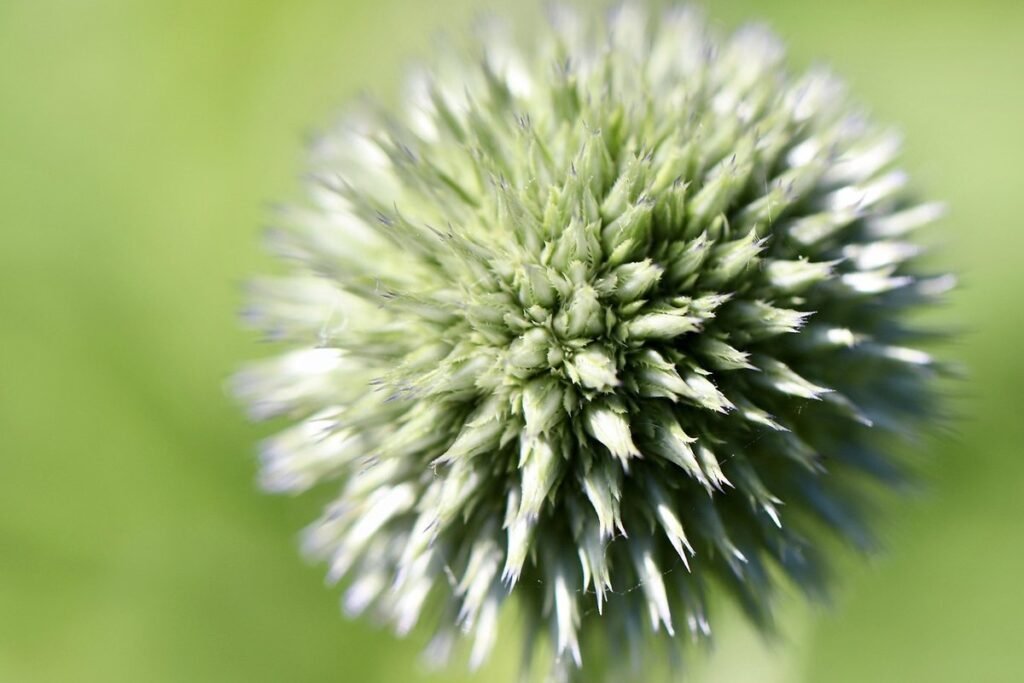
What is Echinops Ritto?
Let’s dive into what makes the Echinops Ritro plant so special, starting with its unique characteristics and what sets it apart from other species.
Botanical Description
The Echinops Ritro plant, also known as the globe thistle, boasts an impressive array of botanical characteristics. Its scientific name, Echinops ritro, is part of the family Boraginaceae, which comprises a diverse group of flowering plants commonly found in temperate regions worldwide. Native to Europe and Asia, this hardy perennial can thrive in various conditions, from dry rocky areas to moist meadows.
Its stem typically reaches heights between 60-120 cm, with a sturdy base that supports an impressive rosette of prickly, silvery-green leaves. These foliage structures can grow up to 30 cm long and 10 cm wide, providing a striking visual contrast against the plant’s blue-violet flowers. Characterized by their globe-like shape and prominent purple hue, these blooms often attract pollinators like bees and butterflies.
Echinops Ritro’s adaptable nature makes it an excellent choice for gardeners looking to introduce a low-maintenance yet visually striking element to their landscape.
Common Names and Cultivation
Echinops Ritro is known by several common names across different regions. In Europe, it’s often referred to as Globe Thistle, while in North America, it’s commonly called Perennial Thistle. In some parts of Asia, it’s known as the Blue Spiked Thistle.
When it comes to cultivating Echinops Ritro, you’ll want to choose a location with full sun to partial shade and well-drained soil that’s rich in organic matter. The plant thrives in dry to medium moisture levels, making it an ideal choice for areas with low rainfall or drought-prone conditions. In terms of temperature, Echinops Ritro can tolerate light frosts but performs best in regions with hot summers.
To grow Echinops Ritro successfully, select a spot that receives at least 6 hours of direct sunlight per day. The soil should be slightly acidic to neutral, with a pH between 6.0 and 7.0. Avoid overwatering, as this can lead to root rot and other issues. With proper care and attention, Echinops Ritro will bloom from mid-to-late summer, producing vibrant blue or purple flowers that attract pollinators and add visual interest to your garden.
Benefits and Uses of Echinops Ritro
Echinops ritro has been used for centuries to treat a variety of ailments, from skin conditions to digestive issues. Let’s explore its most notable benefits and uses in this section.
Medicinal Properties
In traditional medicine, Echinops Ritro has been utilized for centuries to treat a variety of health conditions. One of its most notable applications is as an anti-inflammatory agent, used to alleviate symptoms associated with rheumatism and arthritis. The plant’s root extract has been shown to exhibit potent anti-inflammatory properties, making it a popular choice for treating joint pain and swelling.
Furthermore, Echinops Ritro has been traditionally used to combat fever, particularly in cases of malaria and other mosquito-borne illnesses. Its high concentration of alkaloids is believed to contribute to its antipyretic effects, helping to reduce body temperature and alleviate the discomfort associated with fever.
In addition to its anti-inflammatory and antipyretic properties, Echinops Ritro has also been employed to address various skin issues. The plant’s leaves have been used as a topical treatment for minor wounds, burns, and dermatitis, thanks to their soothing and antimicrobial effects. When using Echinops Ritro for medicinal purposes, it is essential to consult with a healthcare professional or follow traditional practices to ensure safe and effective use.
Studies have demonstrated the efficacy of Echinops Ritro in treating various health conditions, but more research is needed to fully understand its potential benefits. As with any herbal remedy, caution should be exercised when using Echinops Ritro, particularly for individuals with pre-existing medical conditions or allergies.
Cosmetic and Skincare Applications
When it comes to using Echinops Ritro in cosmetic products, its anti-inflammatory and soothing properties make it an excellent ingredient for skin care. The plant’s ability to reduce inflammation is particularly beneficial for sensitive skin types that are prone to irritation. This can be especially helpful for people who experience redness or itching after shaving or waxing.
In addition to soothing skin irritations, Echinops Ritro also has wound-healing properties, making it a valuable ingredient in topical creams and ointments. Its antimicrobial action helps prevent infection, promoting faster healing times and reducing the risk of scarring. To incorporate Echinops Ritro into your skincare routine, look for products that feature this plant as a key ingredient.
When selecting products containing Echinops Ritro, be sure to read the label carefully and choose items that are free from harsh chemicals and artificial fragrances. You can also consider making your own skin care products at home by infusing dried Echinops Ritro flowers in a carrier oil such as coconut or olive oil. This creates a soothing balm that can be applied directly to irritated skin for quick relief.
Food and Beverage Uses
In some cultures, Echinops Ritro is not only valued for its medicinal properties but also as a culinary ingredient. Its unique flavor and texture make it a sought-after addition to various dishes. Traditionally, the roots of the plant are used to prepare teas that are believed to have anti-inflammatory properties. To make an Echinops tea, simply slice the root thinly and steep it in boiling water for 5-7 minutes.
Echinops Ritro is also used as a flavoring agent in soups and sauces, particularly in Mediterranean cuisine. For example, some chefs add sliced roots to vegetable soups or stews to enhance their flavor and aroma. When using Echinops Ritro in cooking, it’s essential to note that the root can be quite strong, so start with small amounts and adjust to taste.
In some parts of Eastern Europe, Echinops Ritro is used as an ingredient in traditional sauces for meat dishes, such as pork or beef stews. The roots are typically sliced thinly and sautéed before being added to the sauce. This adds a rich, earthy flavor that pairs well with game meats.
When incorporating Echinops Ritro into your cooking, be sure to choose fresh roots with no signs of damage or mold. Wash them thoroughly before using, and store them in an airtight container in the refrigerator to preserve their flavor and potency.
Growing and Harvesting Echinops Ritro
To successfully grow and enjoy your Echinops ritro, you’ll want to focus on providing it with a well-draining soil mix and sufficient sunlight for optimal blooming. This section covers key tips for its growth and harvesting process.
Planting and Care Instructions
To successfully plant and care for an Echinops Ritro, it’s essential to prepare the soil properly. Choose a location with full sun and well-draining soil that is rich in organic matter. If your native soil is heavy clay or sandy, mix in 2-3 inches of compost or well-rotted manure to improve its structure.
Water your Echinops Ritro regularly during its first growing season, but avoid overwatering which can lead to root rot. Aim for about 1 inch of water per week, either from rainfall or irrigation. As the plant matures, it becomes more drought-tolerant and requires less frequent watering.
Pruning is crucial for maintaining the Echinops Ritro’s shape and promoting new growth. Remove any dead or damaged stems in late winter or early spring, cutting them back to about 6 inches from the ground. After blooming has finished, trim off spent flowers to encourage repeat flowering.
Regular monitoring for pests like aphids, slugs, and snails is also necessary. Use organic pest control methods whenever possible, such as hand-picking pests or spraying with neem oil.
Harvesting Techniques
When it comes time to harvest your Echinops Ritro plant, the method you choose will depend on what part of the plant you want to use. For example, if you’re after the leaves for medicinal purposes, you’ll want to carefully snip off the top growth without damaging the rest of the stem.
For larger quantities of leaves or stems, consider using a sharp pair of pruning shears to cut just above a node, promoting healthy regrowth. To harvest roots, wait until the plant has gone dormant and then carefully dig up the entire root system with a fork, taking care not to damage any adjacent plants.
If you’re interested in harvesting seeds, allow the flowers to fully bloom and dry on the stem before removing them and collecting the seed pods. Remove the seeds from the pod and store them in an airtight container for future use.
It’s essential to harvest your Echinops Ritro plant at the right time to ensure maximum potency and effectiveness of its medicinal properties. This may involve harvesting individual parts of the plant at different times, so be sure to research specific guidelines for the intended use.
Precautions and Safety Considerations
Before you start using Echinops Ritro for its various purposes, it’s essential to be aware of some important precautions and safety considerations to ensure safe handling. Be sure to read on for a list of potential hazards.
Allergies and Toxicity
When working with Echinops Ritro plant, it’s essential to be aware of potential allergies and toxicity associated with its use. While generally considered safe, some individuals may experience adverse reactions. In rare cases, people have reported skin irritation, such as redness, itching, or rashes, after handling the plant. This is often due to contact dermatitis caused by the sap’s irritant properties.
If you’re planning to cultivate or work with Echinops Ritro, it’s crucial to take precautions. Wear protective clothing, including gloves and long sleeves, when handling the plant. Avoid touching your face or eyes after coming into contact with the plant, as the sap can cause irritation. If you experience any symptoms of an allergic reaction, discontinue use immediately and seek medical attention if necessary.
Some individuals may also be at risk for interactions with certain medications, such as blood thinners, due to Echinops Ritro’s potential diuretic properties. If you’re considering using the plant medicinally, consult with a healthcare professional before doing so, especially if you have underlying health conditions or take prescription medications.
Interactions with Medications
When using Echinops Ritro medicinally, it’s essential to be aware of possible interactions with prescription medications. The plant contains compounds that may affect the way certain medications are processed by the body. For instance, if you’re taking blood thinners such as warfarin, consuming Echinops Ritro supplements could increase the risk of bleeding.
Similarly, the plant’s diuretic properties may interact with medications used to treat high blood pressure or heart failure. If you’re taking any of these medications, consult with your healthcare professional before using Echinops Ritro. They can help determine safe dosages and potential risks.
It’s also crucial to note that Echinops Ritro may not be suitable for people with certain medical conditions, such as kidney disease or liver cirrhosis. If you have a pre-existing condition, consult with your healthcare professional before using the plant medicinally.
To ensure safe use, always follow these guidelines: consult with your healthcare professional before using Echinops Ritro if you’re taking prescription medications, and monitor your body’s response to the plant.
Cultural Significance and Traditional Uses
In many cultures, Echinops Ritro has been revered for its unique properties, being used in traditional medicine and rituals to promote overall well-being and spiritual growth. Let’s explore these rich cultural traditions together.
Historical and Folkloric Background
The Echinops Ritro plant has been an integral part of various cultures for centuries, with its historical and folkloric significance evident in traditional practices and ceremonies. In many Eastern European countries, the plant is known as “Stika Vetrushka” or “Blue Globe Thistle,” and it’s considered a sacred herb in Slavic mythology. In these cultures, Echinops Ritro was believed to possess protective powers against evil spirits, storms, and negative energies.
In traditional rituals, the plant was often used to ward off bad luck, misfortune, and even disease. Its unique blue globe-shaped flowers were thought to bring good fortune and prosperity. In some folk traditions, the plant was also used in love spells and potions to attract a partner or strengthen relationships.
Interestingly, Echinops Ritro’s medicinal properties have been recognized for centuries in many cultures. In some African countries, the plant is still used today as a natural remedy for various ailments, including skin conditions, fever, and digestive issues. Its use in traditional medicine has been documented since ancient times, with references to its benefits found in traditional herbal texts from Europe, Africa, and Asia.
Regional Variations and Adaptation
When exploring the cultural significance of Echinops Ritro, it’s essential to acknowledge regional variations in its uses and adaptations. In Europe, for instance, Echinops Ritro is prized for its medicinal properties, particularly in Eastern European countries where it’s used to treat digestive issues and skin conditions. However, in Western Europe, the plant is often employed as a natural dye due to its vibrant blue flowers.
In Central Asia, the Kyrgyz people have traditionally used Echinops Ritro roots to make tea that aids digestion and boosts energy levels. Meanwhile, in some Middle Eastern countries, the plant is used in cooking, particularly in stews and soups, for its purported health benefits.
To incorporate regional variations into your use of Echinops Ritro, start by researching local traditions and recipes. For example, if you’re interested in using the plant as a natural dye, look for Western European sources that share their techniques and recipes. If you’re drawn to its medicinal properties, explore Eastern European or Central Asian practices that highlight its health benefits.
Keep in mind that regional variations often reflect unique environmental factors, climate conditions, and cultural perspectives. By embracing these differences and adapting your approach accordingly, you can unlock a richer understanding of Echinops Ritro’s multifaceted uses and applications.
Frequently Asked Questions
Can I grow Echinops Ritro indoors or does it require outdoor conditions?
Yes, you can grow Echinops Ritro indoors, but it’s essential to provide the right environment. It thrives in bright, sunny spots with temperatures between 15-20°C (59-68°F). Use a well-draining potting mix and keep the soil moist but not waterlogged. Pruning regularly will also help maintain its shape and encourage healthy growth.
How long does it take for Echinops Ritro to mature and start producing medicinal properties?
Echinops Ritro typically takes 2-3 years to mature, depending on factors like climate, soil quality, and care. It’s crucial to provide the right conditions during this time, including sufficient light, water, and nutrients. Once mature, you can harvest its roots, leaves, or flowers for medicinal use.
Can I use Echinops Ritro in combination with other herbs for enhanced benefits?
Yes, Echinops Ritro is often used in traditional medicine in combination with other herbs to enhance its properties. For example, it’s commonly paired with calendula and chamomile to create a soothing salve for skin irritations or wounds. When combining herbs, ensure you’re aware of potential interactions or allergic reactions.
What are some common pests or diseases that affect Echinops Ritro plants?
Common pests affecting Echinops Ritro include aphids, whiteflies, and spider mites. Regularly inspect your plants for signs of infestation, and use natural methods to control these issues whenever possible. As for diseases, watch out for powdery mildew, leaf spot, or root rot, which can be caused by overwatering or poor air circulation.
How do I properly dry and store Echinops Ritro roots or flowers for long-term use?
To dry Echinops Ritro roots or flowers, tie them in small bunches and hang upside down in a warm, dry place with good airflow. Once completely dry, store the herbs in airtight containers to preserve their medicinal properties. For roots, you can also slice or chop them before drying for easier storage and use.