
Are you thinking of adding some vibrant flowers to your garden, but not sure where to start with echinacea? This stunning perennial flower is not only a beautiful addition to any landscape, but it also boasts impressive health benefits and attracts pollinators like bees and butterflies. However, growing echinacea requires more than just throwing the seeds in the ground and watering them – it demands careful consideration of climate, soil quality, and ongoing maintenance.
In this comprehensive guide, we’ll walk you through the essential steps to choose the right echinacea variety for your garden, including climate selection, planting tips, and expert advice on watering, fertilization, pruning, and more. Whether you’re a seasoned gardener or just starting out, our tips will ensure your echinacea plants thrive all season long.
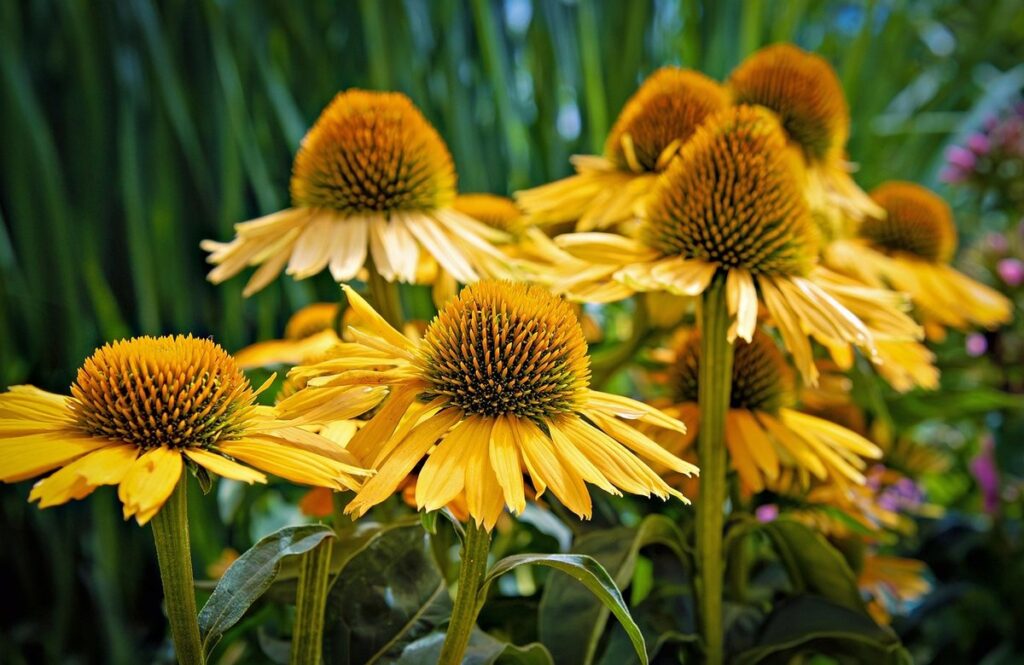
Choosing the Right Echinacea Variety
When selecting an echinacea variety, it’s essential to consider factors such as hardiness zone, growth habits, and bloom times to ensure your plant thrives. Let’s explore some popular options together!
Selecting for Climate and Hardiness
When selecting an echinacea variety, it’s essential to consider your climate and hardiness zone. A plant that thrives in a scorching desert may not fare well in a cool, humid region. To determine your climate zone, consult the USDA Plant Hardiness Zone Map or your local nursery for guidance.
Different regions have unique growing conditions that require specific echinacea varieties. For example, ‘Sunrise’ and ‘Ruby Fusion’ are popular choices for warmer climates (USDA zones 4-8), while ‘Magellanic Gold’ is better suited for cooler areas (zones 3-6). In humid regions like the Southeast, consider ‘Green Jewel’, which resists root rot.
Consider your local microclimate as well. If you live in a coastal area with salt-laden air, look for varieties resistant to wind-borne pathogens, such as ‘Sundance’. Similarly, if you experience intense summer heat, choose echinacea species that can tolerate high temperatures, like ‘PowWow’ series.
By selecting an echinacea variety tailored to your region’s climate and hardiness zone, you’ll set your plant up for success. This simple step will save you from potential disappointments down the line.
Understanding Echinacea Types
There are several types of echinacea, and understanding their differences is crucial for choosing the right one for your garden. Coneflower (Echinacea purpurea) is one of the most popular varieties, known for its vibrant purple flowers that attract pollinators. Purple coneflower (Echinacea purpurea ‘Ruby Star’) is a specific cultivar with slightly smaller flowers and a more compact growth habit.
Echinacea paradoxa, on the other hand, produces larger, more rounded flowers in shades of pink or purple. This variety tends to grow taller than cone flower, often reaching heights of 3-4 feet. Meanwhile, Echinacea tennesseensis boasts smaller flowers with prominent drooping petals and grows relatively short at around 1-2 feet.
When selecting an echinacea type, consider the space you have available in your garden. If you’re looking for a low-maintenance option, choose a compact variety like ‘Ruby Star’. For a more dramatic display, opt for Echinacea paradoxa or tennesseensis. Keep in mind that all echinaceas require similar growing conditions and care, but their unique characteristics can add visual interest to your garden landscape.
Planting and Soil Preparation
To ensure healthy echinacea growth, it’s essential to start by preparing a suitable environment for your plants. This begins with planting and soil preparation.
Preparing the Soil for Echinacea
To grow echinacea plants to their full potential, it’s essential to prepare the soil correctly. Echinacea prefers well-draining soil with a slightly acidic to neutral pH range, between 6.0 and 7.0. If your soil is too alkaline or has high clay content, consider mixing in some organic matter like compost or well-rotted manure to improve its structure.
In terms of nutrient requirements, echinacea plants prefer a balanced diet that includes nitrogen, phosphorus, and potassium. However, avoid over-fertilizing as this can lead to weak roots and make the plant more susceptible to disease. A good rule of thumb is to add a low-nitrogen fertilizer in early spring and a balanced fertilizer later in the growing season.
When preparing your soil for echinacea, also consider its texture. Echinacea prefers a slightly loose, crumbly soil that allows roots to grow freely. Avoid compacting the soil too much during planting, as this can lead to waterlogging and poor root growth. By getting the soil conditions right, you’ll be providing your echinacea plants with the best possible start in life.
Planting Techniques and Timing
When planting echinacea, it’s essential to get it right from the start. The best method for planting is by setting the roots of the plant at soil level and then backfilling with a mix of soil and compost. This will provide the necessary nutrients and drainage for healthy root growth.
Space your echinacea plants 18-24 inches apart, depending on the variety. This allows for proper air circulation and prevents overcrowding, which can lead to disease and pest issues. If you’re planting multiple varieties, space them according to their mature size to avoid overcrowding.
Timing is also crucial when it comes to planting echinacea. In cooler climates (USDA zones 3-5), plant in the spring or fall when the soil has cooled down. This allows for a slower growth rate and reduces stress on the plant. In warmer climates (USDA zones 6-9), you can plant in the early spring or late winter, but make sure to avoid planting during the hottest part of the summer.
When selecting a planting time, consider your local climate and soil conditions. If your area experiences extreme weather fluctuations, it’s best to err on the side of caution and choose a more forgiving variety of echinacea.
Watering and Irrigation Strategies
When it comes to watering and irrigating your echinacea plants, getting it just right can be a challenge. Here’s how to ensure your plants receive the perfect amount of moisture.
Echinacea Water Requirements
When it comes to watering echinacea plants, especially during their first year of growth, it’s essential to strike a balance between providing enough moisture and avoiding overwatering. Echinacea plants typically require about 1-2 inches of water per week, either from rainfall or irrigation.
During the first year of growth, it’s crucial to provide more frequent watering, especially during hot and dry weather conditions. Water your echinacea plant when the top inch of soil feels dry to the touch. You can also check the moisture level by inserting a finger into the soil up to the knuckle. If the soil is dry at this point, it’s time to water.
It’s worth noting that overwatering can be detrimental to echinacea plants, causing root rot and other problems. To avoid this, make sure not to let the water sit in the saucer or pot for too long, as this can lead to roots developing in the water rather than the soil.
Drought Tolerance and Water Conservation
When it comes to caring for echinacea plants, conserving water is crucial, especially during periods of drought. To strike a balance between meeting the needs of your plants and reducing water waste, consider implementing efficient irrigation techniques. One such technique is drip irrigation, which delivers water directly to the roots of the plant, reducing evaporation and runoff.
Another method for efficient watering is to use soaker hoses, which release water slowly over an extended period. This allows the soil to absorb the water thoroughly, minimizing the risk of overwatering. It’s also essential to monitor your plants’ moisture levels by inserting a finger into the soil or using a moisture meter to determine when they need watering.
In addition, choose a well-draining potting mix that allows excess water to escape easily, reducing the likelihood of root rot. During periods of drought, reduce watering frequencies and observe your plant’s response. If it’s stressed, you can increase watering gradually until it shows signs of recovery. By implementing these strategies, you’ll be able to provide your echinacea plants with the right amount of water while minimizing waste and conserving this precious resource.
Fertilization and Pest Management
To keep your Echinacea plant thriving, it’s essential to understand how to properly fertilize and manage pests, which can be detrimental if not addressed promptly.
Fertilizing Echinacea: Timing and Types
When it comes to fertilizing echinacea, timing is everything. You should fertilize your plant in the spring, after new growth appears, and again in mid-summer when the flowers are blooming. Avoid fertilizing in the fall, as this can promote new growth that may not have time to harden off before winter.
Choose a balanced fertilizer with an N-P-K ratio of 10-10-10 or 20-20-20. This type of fertilizer provides equal amounts of nitrogen (N), phosphorus (P), and potassium (K) necessary for healthy plant growth. You can also consider using a slow-release fertilizer, which will provide nutrients to your echinacea over an extended period.
To determine how often to fertilize, follow these general guidelines: for container-grown plants, fertilize every 1-2 weeks during the growing season; for in-ground plants, fertilize once a month. Always water your plant thoroughly before and after fertilizing to prevent burning the roots. By following this schedule and using the right type of fertilizer, you’ll be providing your echinacea with the nutrients it needs to thrive throughout the growing season.
Common Pests and Diseases Affecting Echinacea
Echinacea plants are susceptible to various pests and diseases that can cause damage and reduce their growth. Some common pests that can harm echinacea include aphids, whiteflies, and spider mites. These pests feed on the sap of the plant, causing curled or distorted leaves, and can also spread disease.
Aphids, in particular, are a major concern for echinacea growers. They multiply quickly and can form large colonies on the undersides of leaves. To prevent aphid infestations, inspect your plants regularly and use neem oil or insecticidal soap to control outbreaks. Keep your plants well-watered, but avoid overwatering, which can attract aphids.
Diseases like powdery mildew and leaf spot are also common in echinacea. Powdery mildew causes a white, powdery coating on the leaves, while leaf spot appears as small, circular lesions. To prevent these diseases, ensure good air circulation around your plants and avoid overhead watering, which can splash water onto the leaves and spread disease-causing fungi.
To control fungal diseases, treat your plants with a fungicide specifically designed for ornamental flowers like echinacea. Remove any infected leaves to prevent the spread of disease, and maintain a healthy plant by providing adequate nutrients through fertilization and ensuring proper soil drainage.
Pruning and Maintenance Tips
Regular pruning and maintenance are essential for promoting healthy growth, preventing disease, and encouraging blooms on your echinacea plants. Learn how to prune and care for your echinacea effectively.
When and How to Prune Echinacea
Pruning your echinacea plant is an essential maintenance task that ensures optimal growth, blooming, and disease prevention. Regular pruning helps control the plant’s size, promotes new growth, and encourages flowering. It also removes dead or diseased stems, preventing the spread of diseases like powdery mildew and root rot.
The best time to prune your echinacea is in late winter or early spring, before new growth begins. This allows you to assess the plant’s condition and make necessary cuts. Cut back dead or damaged stems to about 6-8 inches from the ground. Remove any weak or spindly growth to encourage bushy, full plants.
For established plants, prune after blooming to maintain shape and promote healthy new growth. Use clean, sharp tools to prevent spreading diseases. Make cuts at a 45-degree angle just above a bud eye, allowing water to run off the cut end. Prune lightly for younger plants, as over-pruning can stress them.
Companion Planting and Mulching Strategies
When it comes to creating a thriving and healthy echinacea garden, companion planting and mulching are two essential strategies that can make all the difference. Companion planting involves pairing plants with beneficial traits that enhance each other’s growth, while also attracting pollinators and repelling pests.
Consider planting marigolds alongside your echinacea, as they release chemicals that deter nematodes – microscopic worms that feed on plant roots. Other companion plants like basil, chamomile, and mint have natural pest-repelling properties that can benefit your echinacea. For example, basil is known to repel aphids and whiteflies, while chamomile’s calming effects can soothe fungal infections.
Mulching around your echinacea plants provides additional benefits, such as retaining moisture, suppressing weeds, and regulating soil temperature. Use a 2-3 inch layer of organic mulch like wood chips or bark, making sure to keep it 6-8 inches away from the plant’s base to prevent rot. By incorporating these companion planting and mulching strategies into your echinacea care routine, you’ll be well on your way to creating a robust and resilient garden that requires minimal maintenance.
Common Problems and Solutions
As you nurture your echinacea plants, you might encounter a few common challenges. Don’t worry, we’ve got solutions to help you troubleshoot these issues and keep your flowers thriving.
Addressing Pests and Diseases Early On
As an echinacea plant owner, you’ll want to be vigilant about potential issues that can arise during growth. One of the most common problems is pests and diseases, which can weaken the plant’s defenses and lead to serious consequences if left unchecked.
Keep a close eye out for signs of aphids, whiteflies, spider mites, or mealybugs, which can be difficult to spot but often leave behind sticky honeydew droplets on the leaves. Inspect your plants regularly, especially after rain showers or watering, and treat any infestations promptly with neem oil or insecticidal soap.
Diseases like powdery mildew, root rot, and leaf spot can also occur due to overwatering, high humidity, or poor air circulation. Look for signs such as yellowing leaves, black spots, or a white, powdery coating on the foliage. To prevent these issues, ensure good air flow around your plants, avoid overwatering, and maintain a balanced fertilizer schedule.
If you notice any problems early on, act quickly to treat them with organic fungicides or remove infected areas to prevent further damage.
Troubleshooting Echinacea Plant Growth Issues
If you’re experiencing issues with your echinacea plant’s growth, don’t worry – it’s more common than you think! Stunted growth, leaf drop, and poor flowering can be frustrating problems to solve. But before we dive into troubleshooting, let’s cover some potential causes.
Stunted growth might be due to inadequate light or water, while leaf drop could indicate overwatering or extreme temperatures. Poor flowering is often a result of insufficient sunlight or a nutrient deficiency. To address these issues, make sure your echinacea plant is receiving at least six hours of direct sunlight daily and has well-draining soil.
Check your watering schedule too – echinacea plants prefer dry spells between waterings. Fertilize your plant with a balanced, water-soluble fertilizer during the growing season to provide essential nutrients. Prune your echinacea regularly to promote healthy growth and encourage new blooms. If you’ve tried these tips and still experience issues, consider consulting with a local nursery or gardening expert for more specific guidance.
Regular monitoring of your plant’s environment will help prevent problems in the future. By being proactive and making adjustments as needed, you’ll be well on your way to growing a thriving echinacea plant.
Additional Tips for Growing Healthy Echinacea
To take your echinacea care to the next level, we’ve got some expert-approved tips and tricks to help you grow healthy and thriving plants. From pruning to pest control, learn what makes all the difference!
Beneficial Insects and Other Microorganisms
Beneficial insects and other microorganisms play a crucial role in maintaining a healthy ecosystem around your echinacea plants. These tiny creatures help pollinate flowers, control pests, and even improve soil quality. Bees and butterflies are some of the most common beneficial insects that visit echinacea flowers to collect nectar.
To attract these beneficial insects, create a diverse and vibrant garden by incorporating a variety of native plants, herbs, and flowers that provide a source of food and shelter for them. Consider planting bee-friendly flowers like coneflowers, black-eyed Susans, or sunflowers nearby your echinacea plants. Also, avoid using pesticides, as they can harm these beneficial insects.
Some microorganisms like mycorrhizal fungi are also essential for healthy plant growth. They form symbiotic relationships with the roots of your echinacea plants, providing them with essential nutrients and water in exchange for carbohydrates produced during photosynthesis. To promote a balanced microbial ecosystem, use compost or well-rotted manure as mulch around your plants.
Regularly observe and note the types of insects visiting your garden to understand their role in maintaining ecological balance.
Seasonal Care: Adjusting Your Routine Throughout the Year
As you grow and care for your echinacea plant, it’s essential to adjust its routine throughout the year to ensure optimal health and thriving growth. Different seasons bring varying levels of sunlight, temperature, and moisture, which can impact your plant’s needs.
In spring, after the last frost, gradually acclimate your echinacea to outdoor conditions by moving it outside for increasing periods each day. This transition should take 7-10 days. During this time, maintain regular watering schedules, but be cautious not to overwater. Echinacea is a drought-tolerant plant, but consistent moisture promotes vibrant growth.
In summer, provide your echinacea with plenty of sunlight – at least six hours a day – and water it regularly. Mulch around the base to retain moisture and suppress weeds. Prune spent flowers to encourage new blooms and maintain shape.
As fall approaches, reduce watering frequencies as the plant begins its natural dormancy period. Stop fertilizing altogether, allowing your echinacea to conserve energy for next year’s growth. In winter, protect your echinacea from extreme cold by applying a thick layer of mulch or bringing it indoors in pots.
Frequently Asked Questions
Can I grow echinacea in containers if I don’t have a garden bed?
Yes, you can grow echinacea in containers! This is a great option for small spaces or those who want more control over the soil quality. However, make sure to choose a container with good drainage and use a well-draining potting mix specifically designed for perennials.
How often should I water my echinacea plants during drought periods?
Echinacea has moderate drought tolerance, but it’s essential to maintain consistent moisture levels, especially during prolonged dry spells. Water your echinacea every 10-14 days, or when the top 2-3 inches of soil feel dry to the touch.
Can I divide and replant echinacea roots in the spring?
Yes, you can divide and replant echinacea roots in the spring, typically around late March to early May. This is an excellent way to propagate new plants and share them with friends. Be sure to gently separate the roots, making sure each section has at least one growing eye.
How do I protect my echinacea from deer damage?
Deer can be a significant problem for gardeners in areas where these animals are common. To protect your echinacea from deer damage, consider using physical barriers like fencing or mesh, as well as repellents containing hot peppers or predator scents. You can also plant deer-resistant companion plants nearby to distract them.
Can I grow multiple varieties of echinacea together?
While it’s possible to grow different echinacea varieties together, be mindful of their growth habits and bloom times to avoid overcrowding. Choose varieties with similar growing conditions and space requirements for a harmonious coexistence in your garden.