
If you’re like most people, you probably don’t think twice about the plants in your garden. But did you know that some of those plants can be just as delicious as they are beautiful? Hostas, a popular landscaping choice for its stunning foliage and low-maintenance requirements, is also a nutritious and versatile ingredient waiting to be used in the kitchen. Not only are hostas packed with vitamins and minerals, but they’re also incredibly easy to grow and harvest. In this article, we’ll explore the culinary uses and health benefits of hostas, from how to harvest them sustainably to preparing and cooking them for a tasty and healthy addition to your meals. Whether you’re looking to reduce food waste or just experiment with new flavors, join us as we delve into the world of edible hostas!
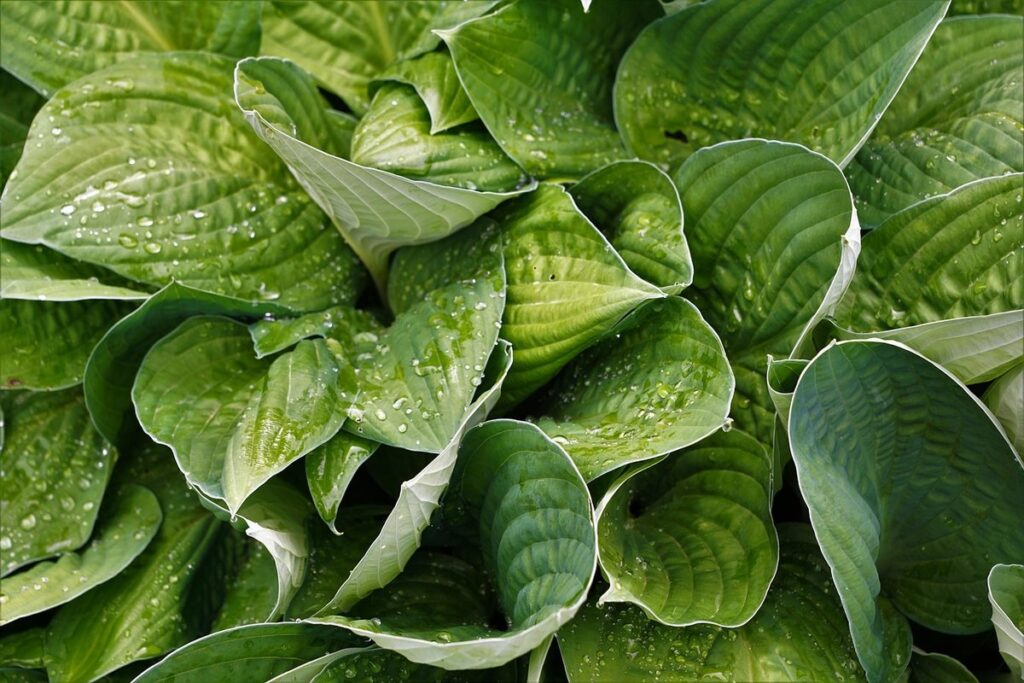
What Are Hostas and Why Eat Them?
So you’re wondering what hostas are, right? Well, let’s start from the beginning: hostas are a type of edible perennial plant that’s packed with nutrients.
Understanding Hosta Biology
Hostas are often misunderstood as nothing more than ornamental plants, but they have a rich biological makeup that makes them an attractive and edible addition to many gardens. These perennials belong to the Asparagaceae family, which also includes asparagus and agave. They’re commonly used in landscaping for their stunning foliage, ability to thrive in shade, and versatility in providing texture and depth.
One of the most fascinating aspects of hosta biology is their adaptability. With over 70 species to choose from, you can select a hosta that suits your specific climate and soil type. Their leaves come in a range of shapes, sizes, and colors, adding visual interest to any garden bed or container. Plus, they’re low-maintenance and require minimal pruning, making them an excellent choice for busy gardeners. By understanding the biology behind these plants, you’ll appreciate their beauty and potential uses even more. This foundation sets the stage for exploring how to incorporate hostas into your diet and reap their many culinary benefits.
Nutritional Benefits of Eating Hostas
Hostas are a nutrient-dense superfood that provides an impressive array of vitamins, minerals, and other beneficial compounds. A 100-gram serving of cooked hosta contains approximately 3 grams of protein, making them an excellent plant-based option for vegetarians and vegans. Hostas are also rich in dietary fiber, containing about 2 grams per 100 grams, which can help promote healthy digestion and support satiety.
In addition to their macronutrient profile, hostas are a good source of various vitamins and minerals, including vitamin C, potassium, magnesium, and iron. These nutrients play critical roles in maintaining immune function, regulating blood pressure, and supporting overall health. Eating hostas may also contribute to improved digestion due to their prebiotic properties, which feed beneficial gut bacteria.
To incorporate hostas into your diet, try sautéing them with garlic as a side dish or adding them to soups and stews for an extra boost of nutrition. Be sure to harvest hostas from reputable sources, as some varieties may contain high levels of toxic compounds like calcium oxalate crystals.
History of Eating Hostas: Cultural Significance
For centuries, hostas have been a part of many cultures’ culinary traditions, offering a unique taste experience that’s both fascinating and delicious. Let’s explore their history together.
Culinary Traditions in Asia
In Asia, hostas have been a staple ingredient in many traditional dishes for centuries. In China, for example, hosta flowers and leaves are commonly used in soups and stir-fries, particularly during the Spring Festival celebrations. The historical context behind this culinary tradition dates back to ancient times when hostas were considered a rare and exotic delicacy.
In Japan, hosta leaves are often pickled or used in salads, while in Korea, they’re added to soups like doenjang jjigae (fermented soybean paste stew). These dishes not only showcase the versatility of hostas but also highlight their cultural significance. The use of hostas in Asian cuisine is deeply rooted in tradition and symbolism. For instance, in some cultures, hosta flowers are believed to bring good luck and prosperity.
If you’re interested in trying hosta-based dishes, start by incorporating them into your stir-fries or soups. Simply blanch the leaves in boiling water for a few minutes to remove bitterness, then add them to your favorite recipes. Experiment with different seasonings and sauces to enhance their natural sweetness. With a little creativity, you can experience the rich culinary heritage of Asia through the humble hosta plant.
Modern-Day Use of Hosta as Food
In recent years, modern chefs and food enthusiasts have begun to rediscover the potential of hostas as an edible plant. Gone are the days when hostas were solely used for ornamental purposes; today, they’re being celebrated for their unique flavor and nutritional profile.
One of the most exciting developments in this space is the incorporation of hosta leaves into salads. Chefs are now using them to add a burst of freshness and texture to dishes like grilled chicken or pan-seared salmon. The subtle sweetness of the leaves pairs perfectly with citrus vinaigrettes, making for a truly unforgettable taste experience.
Take, for example, the “Hosta Wrap” recipe popularized by celebrity chef, Giada De Laurentiis. This dish features sautéed hosta leaves wrapped in prosciutto and served alongside a side of creamy hummus. It’s a simple yet elegant way to showcase the versatility of this oft-overlooked ingredient.
When working with hostas, be sure to select young, tender leaves for optimal flavor and texture. Harvest them in the spring or early summer when they’re at their peak nutritional value. Simply chop them into thin strips, toss with olive oil, salt, and pepper, and enjoy as a crudité or add to your favorite recipes for an instant boost of nutrition.
Preparation Methods for Eating Hostas
Before you start savoring your hosta harvest, let’s explore some popular preparation methods that’ll make them a delightful addition to any meal. From steaming to roasting, we’ve got you covered!
Harvesting and Cleaning Hosta Leaves
When it’s time to harvest hosta leaves for eating, make sure to choose fresh, tender shoots that are free of pests and diseases. Only select the young, newly-emerged leaves as they will be more palatable and less bitter than older leaves. Identify the edible parts by looking for leaves with a waxy coating on the underside – these are typically the most flavorful.
To harvest hosta leaves safely, make sure to avoid any areas that may have been sprayed with pesticides or other chemicals. Wear gloves when handling the plants to prevent transferring potential toxins to your hands and subsequently to your mouth.
When cleaning the harvested leaves, gently wash them in cold running water to remove any dirt or debris. Use a soft-bristled brush to scrub away any stubborn stains or impurities. Finally, dry the leaves thoroughly with a salad spinner or paper towels before using them in recipes. By following these simple steps, you’ll be able to enjoy your hosta leaves as part of a delicious and nutritious meal.
Cooking and Processing Techniques
When it comes to preparing hostas for consumption, cooking and processing techniques play a crucial role. To unlock their full flavor potential, you can try various methods such as steaming, sautéing, and stir-frying. Steaming is an excellent way to retain the delicate nutrients found in hostas. Simply place them in a steamer basket over boiling water for 5-7 minutes until they’re tender.
Sautéing brings out the earthy sweetness of hostas. Heat some oil in a pan, add sliced or chopped hosta leaves, and cook for about 3-4 minutes on each side until they’re wilted. Stir-frying is another versatile method that allows you to combine hostas with other vegetables or proteins. Try pairing them with garlic, ginger, and soy sauce for added depth of flavor.
Regardless of the cooking technique you choose, proper food safety handling is essential when preparing hostas. Always wash the leaves thoroughly before using them, and avoid cross-contamination by separating raw ingredients from cooked ones.
Safety Considerations: Risks and Precautions
While hostas can be a nutritious and tasty addition to your diet, it’s essential to understand the potential risks involved in consuming them. Be aware of these possible hazards before adding them to your meal plan.
Identifying Edible vs. Toxic Hosta Parts
When foraging for hosta parts to eat, it’s essential to correctly identify which parts are safe and edible. Hostas have both edible and toxic components, so be cautious not to mistake one for the other.
Hosta leaves, shoots, and flowers are all safe to eat, but only when harvested from a mature plant that has been grown specifically for consumption. Young shoots, in particular, can be a tasty treat, often compared to asparagus in texture and flavor. When preparing young hosta shoots, trim off any tough or fibrous ends and cook them like you would green beans.
On the other hand, avoid eating hosta roots, tubers, and seeds at all costs, as these contain toxic compounds that can cause nausea, vomiting, and even neurological symptoms in severe cases. Some lookalike plants to watch out for include calla lilies, peace lilies, and skunk cabbage – these have very similar leaves but are highly toxic.
Before eating any hosta parts, make sure the plant is free of pests, diseases, and other contaminants. Wash them thoroughly before cooking and only consume small amounts until you’re familiar with your body’s reaction to the new food.
Allergies and Intolerances
When consuming hostas, it’s essential to be aware of potential allergies and intolerances. One known allergy associated with eating hostas is contact dermatitis, a skin irritation that can occur when handling the plant. If you experience redness, itching, or rashes after touching hosta leaves, discontinue consumption immediately.
Another consideration is oral allergy syndrome (OAS), also known as pollen-food syndrome. People who are sensitive to birch, grass, or ragweed pollen may react to eating hostas due to its similarity in protein structure. Symptoms of OAS include mouth sores, swelling, and difficulty swallowing. If you suspect an allergic reaction, rinse your mouth with water and seek medical attention if symptoms persist.
To mitigate these risks, wash your hands thoroughly after handling hosta leaves, and avoid touching your face or eyes before eating. Cooking hostas can help break down potential allergenic proteins, making them less likely to trigger a reaction. When introducing hostas into your diet, start with small portions and monitor your body’s response.
Some individuals may also experience gastrointestinal issues due to the plant’s saponin content. To minimize discomfort, pair cooked hostas with fatty foods like olive oil or avocado, which can help bind saponins and reduce their irritating effects.
Common Uses for Hostas in Cooking
You might be surprised at how versatile hostas are in the kitchen, and we’re excited to share some of our favorite ways to incorporate them into your favorite dishes. Let’s dive into some creative recipes using hostas!
Salads and Soups
When it comes to incorporating hostas into your meals, salads and soups are excellent options. Not only do they add a burst of flavor, but they also provide essential nutrients. For instance, hostas are rich in vitamins A and C, potassium, and fiber.
One simple way to use hostas in a salad is by tossing them with mixed greens, cherry tomatoes, and a homemade vinaigrette. Simply chop the leaves into bite-sized pieces, add your favorite toppings, and enjoy. You can also blend cooked hosta leaves into a creamy soup, adding diced vegetables or beans for added texture.
Hostas pair well with a variety of ingredients in soups. For example, you could sauté chopped onions and garlic before adding diced hosta leaves, chicken broth, and heavy cream to create a rich and comforting soup. Alternatively, blend cooked hostas into a pureed tomato soup for a nutritious twist on a classic.
To make the most of your hosta harvest, consider freezing or dehydrating excess leaves for future use in soups and salads. This way, you can enjoy hostas year-round, even when fresh greens are out of season. With their mild flavor and numerous health benefits, it’s no wonder hostas are becoming a popular addition to many recipes.
Stir-Fries and Asian-Style Dishes
Hostas are incredibly versatile when it comes to Asian-style cooking. In stir-fries, they add a unique texture and flavor that’s hard to find elsewhere. For instance, try incorporating sautéed hosta leaves into a classic Chinese broccoli beef stir-fry for an added depth of taste.
You can also experiment with using hostas as the main protein source in Asian-inspired dishes like Korean-style bibimbap or Japanese teriyaki bowls. Slice the hosta thinly and serve it over rice, or use it as a filling in dumplings or spring rolls.
One simple recipe to try is Hosta Stir-Fry with Ginger and Garlic: sauté sliced hostas, ginger, and garlic in a wok or large skillet until tender. Season with soy sauce and sesame oil for added flavor. Serve over rice or noodles for a quick and nutritious meal.
Hostas are also delicious when paired with other Asian ingredients like mushrooms, bell peppers, and snow peas. Experiment with different combinations to find your new favorite stir-fry recipe!
Conclusion: Expanding Your Palate with Hosta Cuisine
Now that you’ve discovered the delicious world of hostas, let’s wrap up our culinary adventure and explore how to incorporate these tasty greens into your daily meals.
Recap of Benefits and Precautions
Eating hostas has been a game-changer for many of us, offering an unparalleled combination of taste and nutrition. From their versatility in both sweet and savory dishes to their potential health benefits, it’s no wonder why this unique ingredient is gaining popularity.
As we’ve explored throughout this guide, hostas are not only a tasty addition to our meals but also packed with essential nutrients like vitamins A and C, potassium, and fiber. Incorporating them into your diet may help support immune function, promote healthy digestion, and even provide antioxidant benefits. Not to mention their unique flavor profile, which can add depth and complexity to a variety of dishes.
When preparing hostas for consumption, be mindful of proper handling and storage to avoid any potential risks. Be sure to identify the type of hosta you’re using, as some species may not be safe for eating. Also, be cautious when consuming large quantities or in combination with other medications. With these precautions in mind, feel free to experiment with different recipes and preparations to unlock the full potential of this incredible ingredient.
Encouraging Further Exploration
As you’ve explored the wonderful world of hosta cuisine, we hope you’re eager to take it to the next level. Don’t be satisfied with just trying new recipes – encourage yourself and others to continue exploring the vast possibilities of this versatile ingredient. Experimenting with different cooking methods, flavor combinations, and presentation styles will not only keep things interesting but also help you unlock the full potential of hostas.
Consider incorporating hosta into your diet on a regular basis by adding it to salads, smoothies, or using it as a topping for soups or baked potatoes. You can also try fermenting hosta leaves to create a delicious and nutritious side dish. To get started, begin by substituting hosta for other leafy greens in your favorite recipes. Not only will this add variety to your meals, but you’ll also be introducing more nutrients into your diet.
As you continue on your hosta culinary journey, don’t be afraid to think outside the box and try new things – your taste buds (and body) will thank you! With its unique flavor profile and impressive nutritional benefits, hostas are an ideal ingredient for adventurous home cooks.
Frequently Asked Questions
Can I grow hostas in containers if I don’t have a garden?
Yes, hostas can thrive in containers as long as they receive the right amount of light, water, and nutrients. Choose a container that is at least 6-8 inches deep to accommodate the plant’s root system, and make sure it has good drainage holes to prevent waterlogged soil.
How do I know which parts of the hosta are edible?
The edible parts of the hosta include the leaves, stems, and flowers. However, be cautious not to confuse them with toxic parts like the berries or seeds. Only harvest the leaves and stems that are above ground, as the roots may contain higher levels of toxins.
Are there any specific considerations for cooking hostas in a vegan diet?
Hostas are naturally low in fat, making them an excellent choice for vegan diets. However, be aware that some processing methods may involve animal-derived products like gelatin or whey. Opt for plant-based alternatives whenever possible to ensure your dish is fully vegan-friendly.
Can I use frozen hosta leaves in cooking, or do they lose their nutritional value?
Frozen hosta leaves can still retain a significant amount of their nutritional value as long as they are blanched and flash-frozen immediately after harvesting. However, some vitamins like vitamin C may be lost during the freezing process. To minimize nutrient loss, use frozen hostas within 6-8 months or consider purchasing them from reputable suppliers.
Are there any allergens or intolerances I should watch out for when consuming hostas?
Some people may experience allergic reactions or intolerance to certain compounds found in hostas, particularly those with pre-existing allergies to asparagus or agave. Be cautious and monitor your body’s response if you’re new to eating hostas, especially if you have a history of food sensitivities.