
Are you ready to bring some greenery into your life? Succulents are an excellent choice for beginners, and with our comprehensive guide, you’ll be well on your way to becoming a succulent expert! Not only are they low-maintenance, but these adorable plants come in a wide variety of shapes, sizes, and colors. Whether you’re a seasoned gardener or just starting out, learning how to choose, care for, and propagate succulents is essential.
In this article, we’ll take the mystery out of growing succulents by covering the basics of types, lighting, watering, and more. We’ll explore the best conditions for these drought-tolerant plants, share expert tips on how to make them thrive, and even provide you with a step-by-step guide on propagation. By the end of this post, you’ll be equipped with everything you need to grow healthy, beautiful succulents that will add a touch of elegance to any room in your home or office.
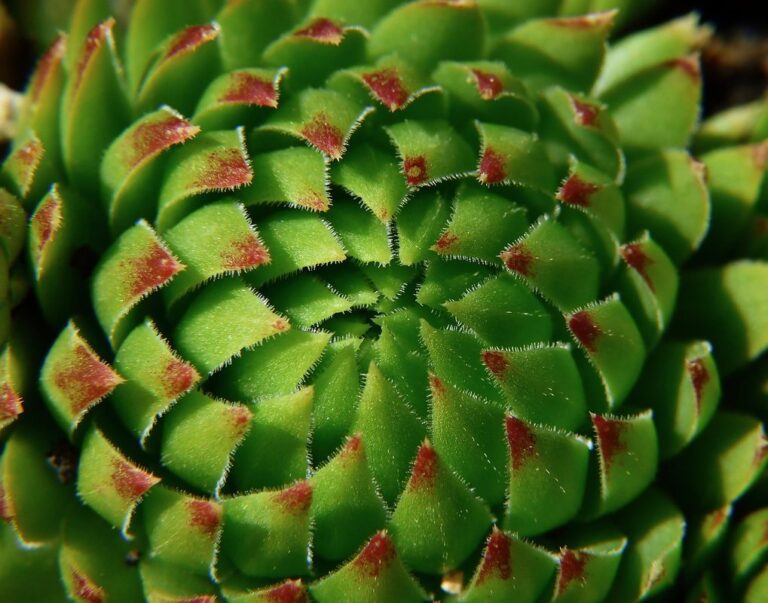
What Are Succulents and Why Are They Popular?
Succulents are a type of plant that’s perfect for indoor spaces, known for their unique appearance and low-maintenance requirements. Let’s dive into what makes them so special and why they’ve become a popular choice among gardeners.
Brief History of Succulent Cultivation
Succulent cultivation has a rich history that spans thousands of years. Ancient civilizations such as the Greeks and Romans prized succulents for their unique shapes and ability to thrive in dry conditions. The Greek philosopher, Dioscorides, even wrote about the medicinal properties of certain succulents.
As European explorers ventured into the Americas, they discovered an array of new succulent species that were highly adaptable to different environments. This led to a surge in popularity among botanists and horticulturists during the 18th and 19th centuries. The development of greenhouses and glasshouses allowed for greater control over environmental conditions, further facilitating the growth and propagation of succulents.
In modern times, succulent cultivation has become increasingly widespread due to advancements in soil science and irrigation systems. Today, you can grow succulents in a variety of mediums, from traditional potting soils to hydroponic systems. This has made it possible for anyone to cultivate these unique plants, regardless of their level of experience or available space.
Types of Succulents for Beginners
As a beginner, choosing the right succulent can be overwhelming with so many types to choose from. But don’t worry, we’ve got you covered! Let’s take a look at some of the most common and easiest-to-grow succulents perfect for beginners.
Aloe Vera is one of the most popular succulents out there, and for good reason. Not only does it have incredible medicinal properties, but it’s also extremely low maintenance. With proper care, an Aloe Vera plant can grow up to 3 feet tall and wide, making it a stunning addition to any room. Water sparingly, allowing the soil to dry completely between waterings.
Echeveria is another beginner-friendly succulent that comes in a variety of shapes, sizes, and colors. These small plants are perfect for indoor spaces and require minimal watering. In fact, overwatering is the most common cause of death in Echeverias, so be sure to keep an eye on your plant’s soil moisture.
Crassula, also known as Jade Plant, is a popular choice among succulent enthusiasts. It’s easy to care for and can thrive in low-light conditions, making it perfect for rooms with limited natural light. Water sparingly, allowing the top inch of soil to dry out between waterings. With proper care, your Crassula will grow into a beautiful, compact shrub.
When choosing any of these succulents, remember that they all require well-draining soil and infrequent watering. By following these simple tips and providing the right conditions, you’ll be on your way to becoming a succulent expert in no time!
Choosing the Right Environment for Your Succulent
When it comes to growing succulents, finding the perfect environment can make all the difference. Let’s dive into the key factors to consider when choosing a location for your new plants.
Lighting Conditions for Succulents
When it comes to growing succulents, light is one of the most critical factors to consider. These plants thrive in well-lit conditions, but not all types require the same amount of light. In fact, some succulent species are sensitive to intense sunlight and may even suffer damage if exposed for too long.
To choose the right lighting conditions for your succulents, start by considering their natural habitat. For example, desert-dwelling succulents like aloe vera and agave plants require full sun to partial shade, while tropical succulents like echeveria and crassula prefer bright, indirect light.
Here are some general guidelines to keep in mind:
* South-facing windows receive direct sunlight and are ideal for succulents that thrive in intense light.
* East- or west-facing windows offer gentle morning or afternoon sun and are suitable for most succulent species.
* North-facing windows receive limited natural light and should be used for low-light tolerant succulents like lithops and conophytum.
When placing your succulents near a window, make sure to adjust the position of the plant as needed to prevent scorching or over-exposure. Keep in mind that even the most hardy succulent species can benefit from filtered light during peak sun hours.
Temperature Requirements for Healthy Growth
When it comes to succulent care, understanding temperature requirements is crucial for healthy growth. Different species have varying tolerances for heat and cold, so it’s essential to research the specific needs of your plant.
For tropical succulents like Aloe vera and Echeveria, temperatures between 65°F (18°C) and 80°F (27°C) are ideal. They thrive in warm, humid environments but can be sensitive to extreme heat or cold. On the other hand, subtropical species such as Crassula and Sedum prefer cooler temperatures, typically between 50°F (10°C) and 70°F (21°C).
To give you a better idea, here are some general temperature guidelines for popular succulent varieties:
* Aloe vera: Avoid temperatures above 85°F (29°C)
* Echeveria: Keep them away from direct sunlight during summer months to prevent overheating
* Crassula: Can tolerate some frost but will drop leaves in extreme cold
* Sedum: Prefers well-draining soil and can handle light frosts
Remember, even a few degrees outside the ideal temperature range can stress your succulent. To keep your plants happy and thriving, observe their responses to different temperatures and adjust accordingly.
Soil and Watering Essentials for Succulent Care
To care for your succulents, you’ll want to focus on providing them with well-draining soil that mimics their natural habitats, which are often dry and rocky. Proper watering techniques will also help prevent root rot and ensure a healthy plant.
The Importance of Well-Draining Soil
When it comes to succulent care, one of the most critical aspects is having well-draining soil. Succulents are prone to root rot if their roots sit in waterlogged soil, which can be devastating for these plants. To prevent this, you’ll want to create a mix that allows excess water to drain quickly.
A good well-draining potting mix should have the following characteristics: high perlite or sand content (around 30-40%), moderate peat moss or coconut coir content (around 20-30%), and minimal vermiculite or regular potting soil content (less than 10%). You can also add some grit, crushed rock, or pumice to further improve drainage.
To create your own mix, combine equal parts perlite and peat moss or coconut coir. Add a small amount of grit or crushed rock on top for extra drainage. Avoid using regular potting soil as it retains too much water. If you’re short on time, you can also purchase a pre-mixed cactus or succulent potting mix that already has the right balance of ingredients. By using well-draining soil, you’ll be giving your succulents the best chance to thrive and live a long, healthy life.
Watering Techniques to Avoid Overwatering
When it comes to watering your succulent, it’s easy to get caught up in overwatering. But did you know that this is one of the most common mistakes succulent owners make? Overwatering can lead to root rot, which can be fatal for these delicate plants.
So how often should you water your succulents? The answer depends on a few factors: the type of succulent, its age, and the time of year. Generally speaking, it’s best to water your succulents when the soil is dry to the touch, usually every 7-10 days during the spring and summer months. However, this can be reduced to once a month in the winter.
To avoid overwatering, make sure to check the soil moisture by sticking your finger into the soil up to the knuckle. If it feels dry, it’s time to water. Also, be mindful of the pot size: larger pots retain more moisture than smaller ones. And don’t get caught up in watering at the same time every week – adjust your schedule based on the plant’s needs.
By being aware of these common pitfalls and adjusting your watering technique accordingly, you’ll be well on your way to growing healthy, thriving succulents that bring joy to your home.
Propagation Methods for Succulent Enthusiasts
When it comes to multiplying your favorite succulents, you’ll want to learn about various propagation methods that are easy and effective. We’ll walk through some of the simplest techniques for propagating succulents successfully.
Leaf and Stem Cuttings: A Beginner’s Guide
Propagating succulents using leaf and stem cuttings is a fun and rewarding experience for beginners. To get started, you’ll need some basic tools and materials. You can use scissors or pruning shears to take 2-3 inch stem sections from the mother plant, making sure each section has at least two nodes (the joints where leaves meet the stem). Alternatively, you can remove individual leaves with a small piece of stem attached.
For leaf cuttings, select healthy leaves with no signs of disease or pests. Cut off the lower 1-2 inches of the leaf, leaving about an inch of stem intact. This will help the cutting absorb water and nutrients more easily. Allow both types of cuttings to dry for a few hours or overnight to form a callus over the wound.
Next, fill a small pot with well-draining soil, and plant the cuttings about 1-2 inches deep. Water gently but thoroughly, and place in a bright location but out of direct sunlight. Keep the soil consistently moist during the first few weeks after planting. With proper care, you should start to see roots develop within 1-3 months, followed by new growth and eventually a thriving new succulent plant.
Division and Offsets: Alternative Propagation Methods
When it comes to propagating succulents, most enthusiasts are familiar with leaf and stem cuttings. However, there are two alternative methods that can be just as effective: division and offsets.
Division involves separating mature plants into smaller sections, allowing each piece to develop into a new plant. This method is particularly useful for plants like Aloe Vera or Echeveria, which tend to outgrow their containers quickly. To divide a succulent, start by gently removing it from its pot. Identify the natural divisions between the leaves or stems, and carefully separate them using a sharp, sterile knife or pruning tool. Plant each division in a new pot filled with well-draining soil, and keep the soil consistently moist until roots develop.
Offsets are another propagation method that involves using small plants or growths that form around the base of mature succulents. These offsets can be easily removed from the mother plant and potted up to produce new, identical plants.Offsets can also be left attached to the parent plant to create a stunning display of multiple plants in one pot.
Troubleshooting Common Succulent Problems
Don’t let a struggling succulent get you down! This section tackles common issues, from overwatering to pests, and provides practical solutions to get your plants thriving again.
Signs of Overwatering and Underwatering
As a succulent owner, it’s essential to be aware of the signs of overwatering and underwatering, which can quickly lead to root rot or weakened plants. Overwatering often manifests as soft, mushy leaves, droopy stems, and a sticky white substance on the soil surface. This can also cause roots to decay, making the plant more susceptible to pests and diseases.
Underwatered succulents, on the other hand, will display wrinkled, shriveled leaves, and their stems may become brittle or discolored. They may also experience stunted growth, as if they’re struggling to survive in arid conditions.
To correct overwatering, repot your plant with fresh potting mix, making sure not to water it again until the top inch of soil feels dry. Remove any soft, rotting roots and prune affected areas to prevent further damage.
When dealing with underwatered succulents, water thoroughly but avoid getting water on the leaves to prevent scorching. Increase watering frequency over time as your plant recovers from its ordeal.
Pests and Diseases: Prevention and Treatment
As you nurture your succulent plants, it’s essential to be aware of potential pests and diseases that can affect their health. Preventing infestations is easier than treating them, so let’s start with some proactive measures. To avoid attracting pests, ensure good air circulation around your plants by keeping them at least 6-8 inches apart. Regularly inspect your succulents for signs of pests like mealybugs, spider mites, or scale.
To prevent diseases, make sure to water your succulents correctly – overwatering is a common cause of root rot and fungal infections. Water your plants when the soil is dry to the touch, and avoid getting water on their leaves. Also, repot your succulents every 2-3 years using well-draining potting mix to prevent nutrient deficiencies.
If you do encounter pests or diseases, act quickly to treat your plant. For infested succulents, gently remove affected areas with a soft brush, and treat the plant with insecticidal soap or neem oil according to the product’s instructions. For root rot or fungal infections, cut back infected roots and repot the plant in fresh potting mix.
Advanced Succulent Care Techniques and Varieties
As you become more confident in your succulent-growing skills, it’s time to explore advanced techniques for nurturing these unique plants. Learn expert methods for coaxing optimal growth from your favorite varieties.
Tips for Growing Large-Scale Succulent Arrangements
Growing large-scale succulent arrangements can be a fun and rewarding experience, but it requires some planning and expertise. To create a stunning display, start by choosing a variety of succulents that complement each other in terms of shape, size, color, and texture. Consider the overall aesthetic you want to achieve: do you prefer a lush, greenery-inspired look or a more minimalist, desert-inspired design?
When designing your arrangement, remember that succulents come in different growth habits, such as rosettes, stems, and shrubs. Mix and match these shapes to create visual interest and depth. For example, pair the rounded rosettes of Echeveria with the tall, columnar stems of Agave or the sprawling habit of Sedum.
To ensure your large-scale arrangement stays healthy, make sure to provide adequate air circulation and light. Avoid overcrowding, which can lead to moisture buildup and root rot. Water sparingly, as succulents are adapted to dry conditions. Finally, be prepared to prune and repot individual plants periodically to maintain their shape and size. With these tips, you’ll be well on your way to creating breathtaking large-scale succulent arrangements that bring joy and beauty to any space.
Less Common Succulent Species: Exotic Varieties to Try
While many succulent enthusiasts stick to popular varieties like Echeveria and Aloe, there are countless other exotic species waiting to be discovered. One such example is the Mammillaria, a genus that boasts over 200 species of compact, globular cacti with vibrant flowers. These small plants are perfect for terrariums or rock gardens, requiring minimal care and attention.
Another unusual succulent worth trying is the Pachypodium, a group of African natives known for their thick, waxy stems and showy inflorescences. Be cautious when handling these plants, as they have sharp spines that can cause irritation. For optimal growth, provide them with well-draining soil and partial shade.
For those who enjoy experimenting with unusual textures, the Crassula ‘Campfire’ is an intriguing option. Its intricate patterns of red and green leaves resemble a miniature campfire, adding visual interest to any arrangement. To thrive, this succulent requires infrequent watering and moderate temperatures.
Some online sources offer detailed profiles on these rare species, allowing you to explore further and choose the perfect addition for your collection.
Conclusion: Nurturing Your Easy-to-Grow Succulents
As you’ve learned how to choose and care for your easy-to-grow succulents, it’s time to put your new skills into practice and nurture these low-maintenance plants.
Recap of Key Takeaways
As you conclude your journey through this comprehensive guide on easy-to-grow succulents, it’s essential to recap the key takeaways for beginners. You now know that these resilient plants are perfect for those new to gardening, requiring minimal maintenance and care.
Some of the most crucial points covered in this article include understanding the types of succulents that thrive with ease, such as Aloe, Echeveria, and Crassula. You’ve also learned about the ideal conditions necessary for their growth, including well-draining soil, sufficient light, and infrequent watering.
To successfully grow your easy-to-grow succulents, remember to provide them with a comfortable environment, propagate new plants through leaf or stem cuttings, and avoid overwatering, which is often the most common mistake made by beginners. By following these simple tips and guidelines, you’ll be well on your way to becoming an expert in growing healthy, thriving succulent plants.
Remember, practice makes perfect, so don’t be discouraged if your first attempts at growing succulents are not entirely successful. With patience, persistence, and the right techniques, you’ll soon be enjoying a beautiful collection of low-maintenance, easy-to-grow succulents that bring joy to any space.
Encouragement to Experiment with New Succulents
As you’ve learned and grown with these easy-to-grow succulents, it’s time to take your passion to the next level. Don’t be afraid to experiment with new varieties that have caught your eye. Visit local nurseries or online stores to discover a wider range of species.
Not only will this expose you to unique textures, colors, and shapes, but also provide opportunities for cross-pollination and hybridization, giving birth to new cultivars. Try growing succulents like Aloe aristata, with its delicate white flowers, or Echeveria elegans, boasting striking powdery blue leaves.
As you venture into the world of new succulent varieties, remember that some may require special care or different conditions than those you’ve grown before. Research their specific needs and plan accordingly to ensure their optimal health. Start by gradually introducing new plants to your existing collection, allowing yourself time to adjust to their requirements. With patience and practice, you’ll be well on your way to becoming a succulent connoisseur, sharing knowledge with fellow enthusiasts and continuing the fascinating journey of discovery that these incredible plants offer.
Frequently Asked Questions
Can I grow succulents outdoors if they’re low-maintenance?
Succulents can thrive in outdoor environments, but it’s essential to provide protection from extreme temperatures, strong winds, and intense sunlight. Choose a spot with partial shade or use a trellis to filter the sun’s rays. Also, be mindful of frost damage during winter months.
How do I prevent overwatering when propagating succulents through leaf cuttings?
Yes, it’s crucial to monitor water intake when propagating succulents through leaf cuttings. Water sparingly until roots develop (usually 1-2 weeks), and then gradually increase watering as the new plant grows. Avoid getting water on the leaves or crown to prevent rot.
Can I mix different types of soil for my succulents, or should I stick with a single type?
While it’s tempting to combine different soils, it’s generally best to use a well-draining potting mix specifically designed for cacti and succulents. Mixing soils can lead to inconsistent drainage and potentially harm your plants.
How often do I need to repot my mature succulent, and what are the signs that it needs more space?
No, most mature succulents don’t require frequent repotting (every 2-3 years). Watch for signs like pot congestion, slow growth, or if the plant has outgrown its container. When repotting, use a slightly larger pot with fresh well-draining soil to give your succulent room to expand.
Can I propagate succulents in water instead of soil?
Yes, you can propagate succulents in water using the “water rooting” method. This technique involves placing leaf or stem cuttings in a glass container filled with water, allowing roots to develop before transferring them to well-draining soil.