
Germinating seeds can be a delicate process, but with the right guidance, you’ll be on your way to growing your very own plants in no time. Whether you’re a seasoned gardener or just starting out, understanding how to properly germinate seeds is crucial for success. It all begins with selecting the right seed for your needs and environment, as some varieties are more forgiving than others.
In this comprehensive guide, we’ll walk you through every step of the germination process, from preparing your seeds to troubleshooting common issues that may arise. You’ll learn how to create an optimal germination environment, including the importance of temperature, moisture, and light. We’ll also cover post-germination care to ensure your seedlings get off to a healthy start. By the end of this article, you’ll be equipped with the knowledge necessary to successfully grow plants from seed.
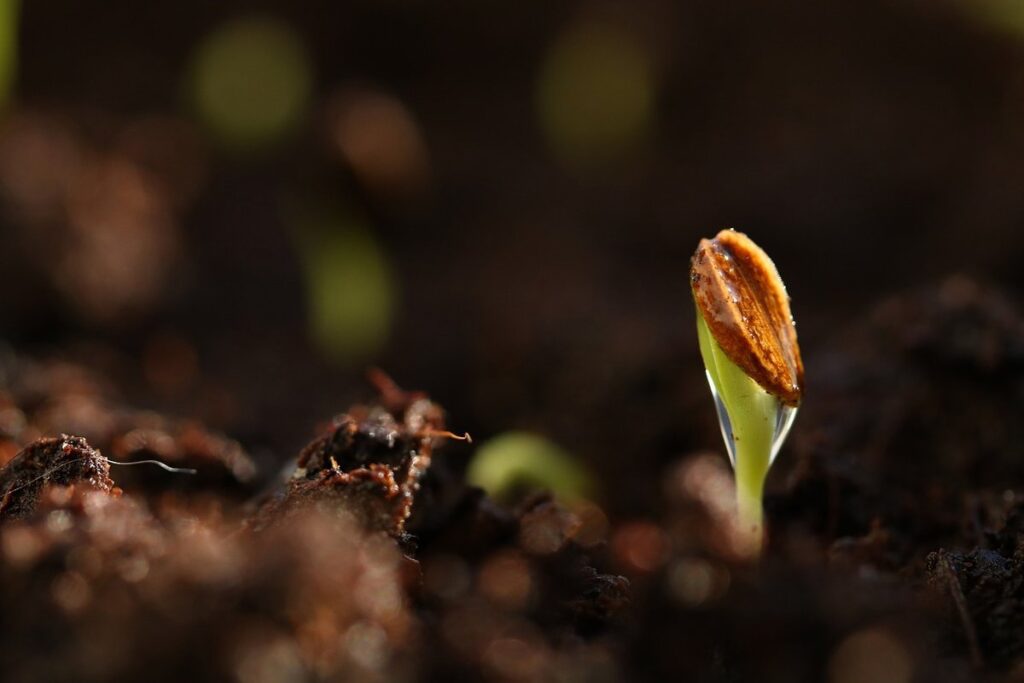
Understanding Seed Germination Basics
Before we dive into the nitty-gritty of germinating seeds, let’s cover some essential basics that will help you understand how to get your seeds growing successfully. It all starts with seed germination!
What is Seed Germination?
Seed germination is a fundamental process that sets the stage for plant growth and development. It’s the initial phase where a seed begins to sprout, breaking its dormancy and transitioning from a resting state to an active one. This critical step marks the beginning of a seedling’s journey towards maturity.
Understanding seed germination is essential for growers, gardeners, and farmers alike, as it directly impacts crop yields and plant health. Proper germination ensures that seeds have a solid foundation for growth, which is vital for optimal development. Conversely, poor germination can lead to stunted or weak plants, ultimately affecting the overall quality of the harvest.
During seed germination, water absorption triggers an enzyme release that breaks down stored nutrients within the seed. This process allows the seedling to tap into a new food source and begin its upward growth towards sunlight. By grasping the basics of seed germination, you’ll be better equipped to create an ideal environment for your seeds to thrive in, setting them up for success in their journey from tiny seeds to robust plants.
Factors Affecting Seed Germination
When it comes to seed germination, several key factors come into play. Temperature is one of the most critical elements, as seeds typically germinate between 65°F and 75°F (18°C and 24°C). However, some plants require warmer or cooler temperatures to initiate growth.
Light exposure also plays a significant role in seed germination. While some seeds can germinate in complete darkness, many others require light to trigger the germination process. For instance, sunflowers and cucumbers typically need direct sunlight to sprout.
Water levels are another crucial factor in seed germination. Seeds need consistent moisture to initiate growth but overwatering can be detrimental. A general rule of thumb is to keep the soil moist but not waterlogged.
Oxygen levels also affect seed germination, as seeds need oxygen to breathe and grow. This is particularly important for seeds that are sown directly into soil or containers with poor drainage. To ensure optimal conditions, make sure the growing medium has sufficient aeration and avoid overwatering, which can lead to anaerobic conditions.
In addition to these factors, other environmental influences like pH levels, humidity, and CO2 concentration can also impact seed germination.
Understanding Seed Viability
Seed viability is a crucial concept that determines the success rate of germination. In simple terms, seed viability refers to the ability of a seed to grow and develop into a healthy plant under optimal conditions. It’s not just about having fresh seeds; it’s also about choosing seeds that are genetically programmed for growth.
When selecting seeds, look for ones with high viability rates (usually 90-95%). You can check seed packets or consult with the supplier to determine this information. Seeds with low viability may germinate, but they’re more likely to struggle and die during the early stages of development.
Another critical factor affecting seed viability is storage conditions. Seeds exposed to extreme temperatures, moisture, or light are less likely to germinate successfully. Proper storage in a cool, dry place, away from direct sunlight, can significantly increase seed viability.
Keep in mind that even with viable seeds, other factors like soil quality, water supply, and light exposure can impact the success rate of germination.
Choosing the Right Seeds for Germination
When it comes to germinating seeds, selecting the right variety is crucial – not all seeds are created equal when it comes to ease of germination. Let’s explore how to choose the perfect seeds for your project.
Selecting High-Quality Seeds
When it comes to germinating seeds, selecting high-quality seeds is crucial for successful growth. Not all seeds are created equal, and choosing the right ones can make a significant difference in the outcome.
First and foremost, ensure that you’re purchasing seeds from reputable sources, such as seed banks or nurseries. These suppliers typically offer high-quality seeds that have been properly stored and handled to maintain their viability. Be wary of cheap seeds from unknown sellers, as they may be old, damaged, or treated with chemicals that can affect germination.
Look for seeds that are specifically labeled as “germination tested” or “freshly harvested.” These seeds have undergone quality control measures to ensure they’re in top condition. Check the seed package for any visible signs of damage, such as cracks or mold. Avoid seeds that appear worn out or exhibit discoloration.
When selecting seeds, also consider factors like their intended use and suitability for your climate. Different varieties require specific growing conditions, so make sure you choose seeds tailored to your region’s weather patterns.
Understanding Seed Types
When it comes to choosing seeds for germination, understanding the different types is crucial. There are three main categories: heirloom, hybrid, and open-pollinated varieties.
Heirloom seeds are saved from one generation to the next, often passed down through families or communities. They can be more challenging to grow as they may require specific conditions or have unique characteristics. However, many gardeners swear by their rich flavors and textures. Consider using heirloom tomatoes or peppers if you want a truly authentic taste.
Hybrid seeds, on the other hand, are bred for specific traits like disease resistance or higher yields. They often produce more consistent results but may lack the diversity of heirloom varieties. If you’re new to gardening, hybrids can be a good choice as they tend to be easier to grow.
Open-pollinated seeds are saved and replanted by gardeners without alteration. This type allows for adaptation and selection over time, making them an excellent option for long-term seed saving. Consider the environment and climate in your area when choosing between these types, and select varieties that will thrive under local conditions.
Seed Storage and Handling
Proper seed storage and handling are crucial to maintaining their viability and ensuring successful germination. Seeds can be sensitive to temperature, light, humidity, and physical stress, which can significantly reduce their germination rate.
When storing seeds, it’s essential to keep them in a cool, dry place away from direct sunlight. A dark cupboard or drawer is an ideal location. Avoid storing seeds near heating vents, fireplaces, or areas with high humidity levels. For example, storing seeds in a basement that experiences fluctuating temperatures can be detrimental to their viability.
In terms of containers, use paper bags, envelopes, or small containers specifically designed for seed storage. These materials are breathable and won’t absorb moisture from the seeds. Make sure the containers are tightly sealed to prevent air exchange and contamination.
If you plan to store seeds for an extended period (more than 6-12 months), consider placing them in a refrigerator at a consistent temperature between 40°F and 50°F (4°C and 10°C). This will help slow down the aging process. Remember to label your containers with the seed type, storage date, and any relevant notes.
When handling seeds, always handle them gently to avoid physical damage. Avoid touching or licking seeds as oils from human skin can reduce their viability. Use tweezers or a small scoop to pick up individual seeds for sowing.
Preparing the Seeds for Germination
Now that you have your seeds, it’s time to get them ready for germination. This next step is crucial in ensuring they receive the right conditions to sprout successfully.
Soaking Seeds
Soaking seeds before germination is an often-overlooked step that can significantly impact the success of your seed starting endeavor. By immersing your seeds in water, you’re essentially jump-starting their journey to growth and development. This simple yet crucial process serves several purposes: it softens the seed coat, making it easier for the embryo to emerge; increases the rate of germination; and reduces the risk of fungal infections.
To soak your seeds effectively, choose a container with enough space for them to fully submerge in water. Use a glass or plastic cup filled with room-temperature water – not cold or hot. For most seeds, a soaking period of 8-12 hours is sufficient, but some varieties may require longer or shorter periods. For example, pumpkin and squash seeds typically need around 24 hours to soften their hard outer shell.
After soaking, gently rinse the seeds in a fine-mesh strainer under cold running water before planting them in seed starting mix. This simple yet vital step will give your seeds the best possible start in life and set you up for success as you continue with the germination process.
Using Seed Starters or Containers
When it comes to germinating seeds, using seed starters or containers is an excellent way to give them a head start on their journey. These small pots are specifically designed for this stage of plant growth and provide the ideal conditions for seeds to sprout.
You can use plastic, biodegradable, or even paper-based seed starters. Some people prefer the traditional wooden cells, while others opt for reusable containers. Choose what works best for you and your gardening style. Make sure the container has drainage holes in the bottom to prevent waterlogged soil.
To use a seed starter, fill it with a good quality potting mix specifically designed for seeds. Plant one seed per cell or container, about 1-2 cm deep, depending on the type of seed. Water gently but thoroughly. Keep the seedlings moist but not waterlogged until they’re ready to be transplanted into their permanent location.
This method is ideal for starting seeds indoors during cold weather months or when you want to get a jumpstart on your garden.
Sterilizing Equipment and Environment
Sterilizing equipment and environment is an often-overlooked yet crucial step in the germination process. Contamination can occur through various means, including bacteria, fungi, and other microorganisms that thrive on moist surfaces. If not properly cleaned and sterilized, your seeds’ chances of successful germination are significantly reduced.
To prevent contamination, it’s essential to follow a rigorous cleaning and sterilization protocol. Start by thoroughly washing all equipment with soap and warm water, paying particular attention to areas around handles and crevices where bacteria tend to accumulate. Next, soak the equipment in a solution of one part bleach to nine parts water for at least 30 minutes. Rinse well with clean water to remove any remaining residue.
Additionally, maintain a sterile environment by keeping your workspace tidy and free from clutter. Regularly disinfect surfaces with a broad-spectrum antiseptic and replace disposable supplies like gloves and towels frequently. By taking these precautions, you’ll significantly reduce the risk of contamination and create an optimal environment for successful seed germination.
The Germination Process: A Step-by-Step Guide
Now that we’ve covered the basics, let’s dive into the germination process. In the following steps, you’ll learn how to coax your seeds from dormancy and into a thriving new plant.
Day 1-3: Seed Imbibition
On day 1 of the germination process, something incredible happens – seed imbibition begins. This initial stage is often overlooked but it’s crucial for successful germination. Imbibition is the process by which a dry seed absorbs water and starts to swell. It’s like a mini-inflation process that gets the seed ready to burst into growth.
As the seed takes in water, the embryo inside the seed coat begins to rehydrate and activate its metabolic processes. This is when enzymes start breaking down stored food reserves, releasing nutrients necessary for germination. Water uptake also causes the seed coat to soften and become more permeable, allowing the seedling to emerge.
For successful imbibition, seeds need access to a reliable water source – usually through direct soaking or placing them in a humid environment. The ideal temperature range is between 20-30°C (68-86°F), depending on the type of seed. Keep an eye on your seeds during this phase as they may start to show signs of germination, such as a slight darkening or softening of the seed coat.
Day 4-7: Root Emergence
As you enter Day 4-7 of the germination process, one of the most exciting milestones occurs: root emergence. During this period, the radicle, which is the embryonic root of the seedling, begins to break through the seed coat and make its way into the surrounding environment.
This process typically starts around 4-5 days after sowing, but can vary depending on factors such as seed variety, temperature, and moisture levels. As the radicle emerges, it will start to absorb water and nutrients from the surrounding soil, allowing the seedling to grow and develop.
To ensure successful root emergence, make sure your seeds have adequate moisture and are maintained at an optimal temperature between 65-75°F (18-24°C). Keep in mind that overwatering can lead to rot and damage to the emerging radicle. Monitor your seeds closely and adjust your watering schedule as needed.
Day 8-14: Shoot Emergence
As you’ve reached Day 8-14 of germination, you’re probably eager to see some tangible progress. This is where things start getting really exciting – the development of shoots and cotyledons is a significant milestone.
During this period, you’ll notice the seed starting to swell, and a tiny white root will emerge from the radicle (the primary root). This root will begin to grow downwards into the growing medium, anchoring the seed and providing essential nutrients. As for the shoot, it will start to push its way out of the seed coat, often taking on a greenish tint due to the presence of chlorophyll.
Keep in mind that not all seeds develop at the same rate, so be patient. Some might take a bit longer to germinate than others. Monitor your seed’s progress closely and provide optimal conditions for growth – this includes maintaining suitable temperatures, humidity levels, and light exposure.
Remember, shoots typically emerge within 1-3 days after the radicle appears, but it can vary depending on factors like soil quality and temperature fluctuations.
Troubleshooting Common Issues During Germination
Sometimes, despite following all the right steps, seeds just won’t germinate. If you’re experiencing difficulties, don’t worry – we’ve got solutions to common problems right here.
Low Seed Viability
Low seed viability is one of the most common issues encountered during germination. It refers to the percentage of seeds that fail to germinate despite optimal growing conditions. There are several reasons why this happens, and it’s essential to address them before we dive into troubleshooting.
When selecting seeds, ensure you choose reputable suppliers or save your own seed stock from mature plants. Old or low-quality seeds may have reduced viability due to factors like genetic degradation, moisture damage, or fungal infections.
Improper storage can also lead to seed viability issues. Keep seeds in a cool, dry place away from direct sunlight and heat sources. Excessive moisture, either too high or too low, can compromise seed quality.
When handling seeds, avoid touching them excessively, as oils from your skin can cause damage. Also, don’t expose seeds to extreme temperatures or vibrations during transportation.
To improve seed viability, consider the following practices: use fresh seeds within a year of purchase, store them in sealed containers with desiccants, and handle them gently when planting. By implementing these measures, you’ll be well on your way to overcoming low seed viability and achieving successful germination rates.
Poor Lighting Conditions
Adequate lighting is crucial during the germination process as it triggers photosynthesis and promotes healthy growth. However, poor lighting conditions can lead to slow or even failed germination.
When evaluating your growing space’s light quality, consider factors such as the intensity of natural daylight, artificial lighting options like grow lights, and the duration of exposure. Ensure that your seeds are receiving at least 12-14 hours of light per day for optimal results.
To improve light quality, you can use a few simple techniques:
• Move your seed trays to a brighter location within your home or greenhouse.
• Utilize LED grow lights specifically designed for plant growth, as they produce minimal heat and have adjustable intensity settings.
• Supplement natural daylight with supplemental lighting during periods of low light, such as winter months.
Maintaining optimal lighting conditions is essential for the germination process. Experiment with different light sources to find what works best for your specific growing space and seed variety.
Watering and Humidity Issues
Maintaining optimal watering and humidity levels is crucial during the germination process. Seeds need consistent moisture to break dormancy and initiate growth, but overwatering can lead to fungal diseases and root rot.
To ensure proper hydration, check the soil daily by inserting your finger into the seed starting mix up to the first knuckle. If it feels dry, water gently but thoroughly until you see a slight seepage from the drainage holes in the pot or tray. Avoid getting water on the seeds themselves, as this can cause them to rot.
Maintain humidity levels between 80-90% during germination by covering the seed trays with plastic wrap or cloches. Remove the cover once the first set of leaves appears to prevent fungal growth and promote air circulation.
Monitor temperature fluctuations that may affect humidity, such as near heating vents or drafty windows. Keep your seed starting area consistent in temperature between 65-75°F (18-24°C) for optimal germination rates.
In areas with low humidity, consider using a propagation dome or misting system to maintain the ideal moisture levels. Be cautious not to overwater, as this can be detrimental to seed health during this sensitive stage.
Post-Germination Care: Transplanting and Aftercare
Now that your seeds have germinated, it’s time to learn how to transplant them into larger pots and provide proper aftercare to ensure healthy growth. This is where things can get a bit tricky!
Preparing Seedlings for Transplantation
As you’ve successfully germinated your seeds and they’re now developing their first set of leaves, it’s time to think about transplanting them into larger containers or directly into the ground. Preparing seedlings for transplantation requires attention to detail to ensure a smooth transition.
Before transplanting, make sure your seedlings have at least two sets of true leaves to give them enough vigor for the transfer process. Harden off your seedlings by gradually exposing them to outdoor conditions over the course of 7-10 days. This will help prevent shock from direct exposure to sunlight, wind, or extreme temperatures.
Also, check for any weak or spindly growth that may be prone to breakage during handling. Prune these back to promote healthy development and make transplanting easier. Use a well-draining potting mix to prevent waterlogged soil, which can cause root rot and other issues.
Transplanting Techniques and Timing
Transplanting seedlings requires careful planning and technique to ensure they thrive. Timing is crucial; typically, it’s best to transplant when the seedling has 2-3 sets of leaves and its root system has outgrown the original container. This stage usually occurs within 1-2 weeks after germination.
When preparing the soil for transplantation, make sure it’s well-draining and rich in organic matter. A mix specifically designed for seedlings or young plants is ideal. Avoid compacting the soil, which can lead to root damage and stunted growth.
To handle seedlings gently, use a soft-bristled brush to remove them from their pots, taking care not to disturb their roots. If they’ve become pot-bound, gently tease out the roots with your fingers or a blunt instrument before transplanting. Harden off seedlings by gradually exposing them to outdoor conditions over the course of 7-10 days prior to transplanting. This helps prevent shock and promotes healthy adaptation to their new environment.
Transplant in the morning when the soil is moist, and avoid disturbing the roots as much as possible. Water thoroughly after transplantation, and keep the soil consistently moist during the first few weeks while the seedling establishes itself.
Post-Transplant Care and Pruning
After carefully transplanting your seedling into its new pot, it’s essential to provide post-transplant care and prune regularly to ensure healthy growth. This is a critical phase where the young plant adapts to its new environment and develops strong roots.
To begin with, make sure the soil is consistently moist but not waterlogged. Water gently but thoroughly after transplanting, and then allow the top inch of soil to dry out between waterings. This encourages root development and helps prevent overwatering, which can lead to root rot.
Pruning involves removing weak or damaged growths, promoting bushy growth, and maintaining a balanced shape. For seedlings with multiple shoots, use sharp scissors to trim back weaker stems to about half their height. As the plant matures, prune it every 1-2 weeks during the growing season to encourage new growth and prevent overgrowth.
Some popular pruning techniques include topping, where the entire stem is cut off just above a node, and pinching, where the top sets of leaves are removed. These methods help control size, promote branching, and maintain plant health. Regular monitoring and gentle care will result in robust plants with vibrant foliage and optimal growth potential.
Frequently Asked Questions
What if I’m still having trouble with seed germination after following the steps outlined in this guide?
If you’ve tried the suggested methods for creating an optimal germination environment, including temperature, moisture, and light control, but are still experiencing issues, it may be worth re-evaluating your seed selection. Consider factors like seed viability, variety, and storage conditions to ensure that the seeds themselves aren’t a contributing factor.
Can I use a regular kitchen towel or paper towels for soaking seeds?
While regular kitchen towels can work in a pinch, they might not provide the optimal level of moisture control needed during germination. For best results, use high-quality paper towels specifically designed for seed starting, as they will help maintain consistent moisture levels and prevent overwatering.
How often should I check on my seeds during the germination process?
Regular checks are essential to ensure that your seeds are receiving the right amount of water and light. Aim to inspect your seeds every 24-48 hours, making adjustments as needed. This will also give you an early warning system for any potential issues that may arise.
What’s the best way to handle seedlings once they’ve emerged?
Once your seedlings have reached a certain height (usually around 1-2 inches), it’s essential to start gradually acclimating them to outdoor conditions or more intense light sources. To do this, begin by moving them to a spot with bright indirect light for a few hours each day before transferring them to their final location.
Can I reuse seed starting containers and equipment?
While it may be tempting to reuse your seed starting containers and equipment to save money, it’s generally not recommended due to the risk of contamination. To minimize waste and ensure healthy growth, use clean equipment and start fresh with new seeds each season.