
Starting your own garden can be intimidating if you’re new to gardening, but with some basic knowledge, you can create a thriving oasis in no time. The world of gardening can seem overwhelming, especially when it comes to climate and soil basics – do you have a sunny or shady spot? What type of soil do you have? Don’t worry, we’ve got the answers. In this ultimate guide to easy gardening for beginners, we’ll cover everything from selecting the right plants for your space to designing a beautiful garden that’s perfect for your unique climate and soil conditions.
We’ll also dive into essential watering techniques, and provide tips on how to create a garden that requires minimal maintenance – so you can enjoy the fruits of your labor without breaking a sweat. Whether you have a small balcony or a large backyard, we’ll show you how to get started with confidence. So let’s get growing!
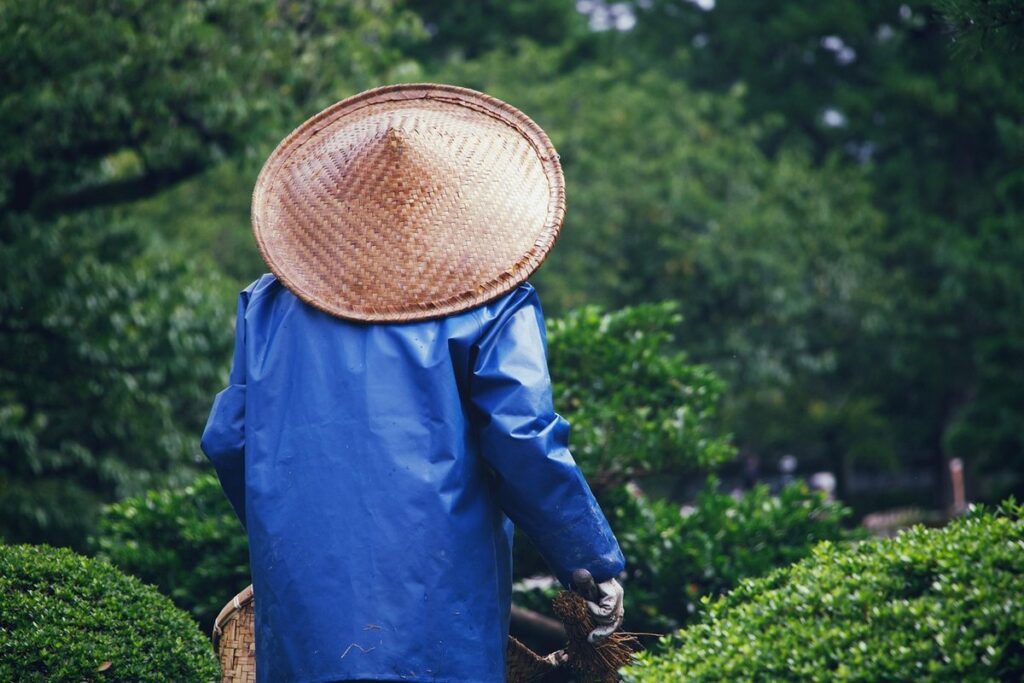
Getting Started with Gardening Basics
To start your gardening journey, let’s begin with the essentials: choosing a suitable location and preparing the soil for optimal growth. This is where your garden dreams come alive!
Understanding Your Climate and Soil Type
Before diving into gardening, it’s essential to understand your local climate and soil type. These factors will play a significant role in determining which plants thrive in your area and the best gardening techniques for you to use. A poor understanding of these elements can lead to failed crops, overwatering, or underwatering.
To start, observe the sunlight and temperature patterns in your garden. If your area experiences scorching summers and freezing winters, choose plants that are adaptable to extreme temperatures. Look into the USDA Plant Hardiness Zone Map to determine which zone you’re in and select plants suitable for your region. For example, if you live in a warm climate like Florida or California, you can grow year-round.
Next, take a soil sample to determine its pH level and composition. Most vegetables prefer well-draining, fertile soils with a pH between 6.0 and 7.0. If your soil is heavy clay, sandy, or has low nutrient levels, consider amending it before planting. Knowing the specific needs of your garden will help you choose the right plants and make informed decisions about fertilizers, irrigation, and pest control.
Essential Tools and Equipment for Beginners
As a beginner gardener, it’s essential to have the right tools and equipment to make gardening easier and more enjoyable. The good news is that you don’t need to break the bank to get started. Here are some of the basic tools and equipment you’ll need:
Gloves are a must-have for any gardener. Not only do they protect your hands from thorns, dirt, and other sharp objects, but they also prevent blisters and cuts. Look for waterproof gloves made of durable materials like leather or synthetic fabrics.
A watering can is another essential tool that will help you water your plants efficiently. Choose one with a long spout to reach those hard-to-reach areas. You’ll also need a gardening knife or trowel for planting seeds, digging holes, and weeding.
Other must-haves include a hose, a rake, and a garden fork. A hose will make it easy to water your plants without having to lug around a watering can. A rake is perfect for leveling soil, removing debris, and smoothing out mulch. And a garden fork is ideal for turning over soil and aerating roots.
Don’t forget to also get some basic gardening supplies like seed packets, plant labels, and twine or wire for supporting plants. With these tools and equipment, you’ll be well on your way to creating a thriving garden that’s easy to maintain and enjoy.
Choosing the Right Plants for Your Garden
When it comes to planting, selecting the right flowers and vegetables is crucial. This section will walk you through the process of choosing easy-to-grow plants that thrive in your garden.
Selecting Easy-to-Grow Vegetables
When it comes to growing vegetables, some varieties are much easier to cultivate than others. As a beginner gardener, you’ll want to focus on easy-to-grow veggies that can thrive with minimal care and attention. Tomatoes, cucumbers, and zucchini are perfect examples of these hardy plants.
Tomatoes are one of the most popular garden vegetables, and for good reason – they’re incredibly versatile and easy to grow. They require a well-draining soil mix, full sun, and regular watering. You can expect to harvest cherry tomatoes in as little as 60 days, making them an ideal choice for beginners who want to enjoy fresh produce quickly.
Cucumbers are another low-maintenance option that prefer well-draining soil and full sun. They’re also relatively pest- and disease-free, making them a great choice for new gardeners. Zucchini is similar in terms of requirements, but it does have one major advantage – it’s incredibly prolific, producing multiple harvests throughout the growing season.
When selecting easy-to-grow vegetables, look for varieties that are bred specifically for their ease of growth and production. These plants will often be labeled as “hybrid” or “disease-resistant.” By choosing these types of vegetables, you’ll be setting yourself up for success in your first gardening endeavors.
Flowers and Herbs for Beginners
When it comes to adding color and fragrance to your garden as a beginner, flowers and herbs are a great place to start. Not only do they require minimal maintenance, but they’re also relatively easy to grow.
Some of the best beginner-friendly flowers for your garden include marigolds, zinnias, and sunflowers. These blooms are hardy, disease-resistant, and can thrive in full sun with minimal watering. Marigolds, for instance, only need to be watered once a week, making them perfect for busy gardeners.
For herbs, basil, mint, and cilantro are great options. They’re easy to grow from seed or cuttings and require minimal care. Mint, for example, can even thrive in containers with partial shade, making it an ideal choice for small spaces. To get started with these plants, make sure to choose a spot with plenty of sunlight and well-draining soil.
Remember, the key to growing successful flowers and herbs is to start small and gradually add more varieties as you gain experience. Happy planting!
Preparing Your Garden Bed
Before you start planting, let’s get your garden bed ready for success. We’ll walk through the essential steps to create a thriving space for your new green friends to grow.
Soil Preparation Techniques
Preparing your soil is one of the most crucial steps in gardening. It sets the stage for healthy plant growth and can be a game-changer for beginners who are new to gardening. Composting and mulching are two effective techniques that can make a significant difference in your garden’s overall health.
Composting involves breaking down organic matter like food waste, leaves, or grass clippings into a nutrient-rich soil amendment. This process not only reduces waste but also creates a natural fertilizer for your plants. To compost, you’ll need a designated area with adequate space and materials to add to the pile regularly. A general rule of thumb is to mix green materials (like kitchen scraps) with brown materials (like leaves or twigs). As it breaks down, the resulting compost will enrich your soil’s structure and fertility.
Mulching involves spreading a layer of organic material like wood chips, straw, or bark over the soil surface. This not only retains moisture but also suppresses weeds that can compete with your plants for resources. To mulch effectively, apply a 2-3 inch layer around your plants and keep it refreshed throughout the growing season.
By incorporating composting and mulching into your gardening routine, you’ll be well on your way to creating a thriving garden ecosystem. With these simple techniques, even beginners can improve soil quality without breaking a sweat.
Garden Bed Design Considerations
When designing your garden bed, it’s essential to consider two critical factors: drainage and sunlight. A well-designed garden bed should be able to drain excess water efficiently, preventing waterlogged soil that can lead to root rot and other issues. To achieve this, ensure the bed is slightly sloped or raised, allowing water to flow away from the plants.
Proper sunlight exposure is equally crucial for plant growth. Most vegetables and flowers require at least 6 hours of direct sunlight per day, while some shade-loving plants like ferns and impatiens can tolerate partial shade. When selecting a location for your garden bed, consider the direction it receives sunlight throughout the day. South-facing beds tend to receive more intense sunlight than north-facing ones.
To ensure your garden bed gets adequate sunlight, position it on the south or west side of your yard. You can also use trellises or other supports to maximize space and allow plants to grow upwards towards the sun. By considering drainage and sunlight in your garden bed design, you’ll create a thriving environment for your plants to flourish.
Watering and Maintenance Tips
Now that you have your garden growing, it’s time to learn how to keep it thriving with regular watering and maintenance. Here are some essential tips for beginners like you!
Efficient Watering Methods
Watering your garden can be a daunting task, especially if you’re new to gardening. However, it’s essential to do it efficiently to conserve water and reduce waste. One effective method is drip irrigation, which delivers water directly to the roots of plants, reducing evaporation and runoff. You can install a DIY drip irrigation system using a water timer, tubing, and emitters.
Another approach is soaker hoses, which are long, porous tubes that absorb water and release it slowly as your plants need it. These hoses can be laid around plants or trees to provide a steady supply of moisture. To make the most of these systems, ensure you water during the cooler parts of the day to minimize evaporation.
You can also use old plastic bottles to create self-watering planters for small plants. Cut off the bottom of a bottle and place it over a pot, filling with water as needed. This is an excellent way to reuse household items while saving water. By implementing these efficient watering methods, you’ll reduce waste and ensure your garden receives the right amount of moisture without overwatering.
Common Pests and Diseases to Watch Out For
As you start to tend to your garden, it’s essential to be aware of common pests and diseases that can affect your plants. These can range from aphids and whiteflies to powdery mildew and root rot.
Aphids are small, soft-bodied insects that feed on sap, causing curled or distorted leaves. They multiply quickly, so it’s crucial to catch them early. To get rid of aphids, spray your plants with a mixture of soap and water, or use neem oil. Whiteflies are similar in appearance but can be more challenging to eradicate.
Diseases like powdery mildew and root rot often occur when the soil is too wet or the air is too humid. To prevent these issues, ensure good air circulation around your plants and avoid overwatering. Fungal diseases thrive in damp environments, so keep an eye out for white patches or black spots on leaves.
Some common signs of disease include yellowing or browning leaves, wilted stems, or a soft, mushy texture to the plant. Regularly inspect your plants for these symptoms and take action promptly to prevent further damage.
Garden Care and Upkeep
Now that you have a beautiful garden growing, let’s focus on keeping it thriving with some essential tips on regular maintenance and upkeep. This is where garden care comes into play!
Scheduling Regular Gardening Tasks
As a beginner gardener, it’s essential to establish a regular routine for maintaining your garden. This will help you keep your plants healthy, promote growth, and ensure a bountiful harvest. Let’s break down the key tasks that require scheduling: pruning, fertilizing, and harvesting.
Pruning is an art that requires precision and timing. For beginners, it’s recommended to prune at specific times of the year – typically after new growth appears in spring or before blooming starts. This will prevent over-pruning and encourage bushy growth. For instance, rose bushes should be pruned in late winter to early spring, while trees require regular pruning throughout the growing season.
Fertilizing is another critical task that requires a schedule. Most plants need a balanced fertilizer application every 1-3 months during the growing season. Use a slow-release fertilizer or follow the instructions on a water-soluble product. To make things easier, consider dividing your fertilization schedule into four quarters: spring (March-May), summer (June-August), fall (September-November), and winter (December-February).
Troubleshooting Common Gardening Issues
As you tend to your garden, it’s not uncommon to encounter issues that can be frustrating and overwhelming. Don’t worry, we’ve got you covered. Let’s tackle some common gardening problems and provide solutions to keep your garden thriving.
One of the most common issues beginners face is overwatering. When plants receive too much water, roots can rot, leading to yellowing leaves and weakened growth. To avoid this, check the soil moisture by sticking your finger into the soil up to the knuckle. If it feels dry, it’s time to water. Also, ensure good drainage in your garden bed by incorporating organic matter like compost or well-rotted manure.
Another issue is pests and diseases. Regularly inspect your plants for signs of infestation or infection, such as holes in leaves or powdery mildew. Use organic methods to control pests, like neem oil or insecticidal soap, instead of harsh chemicals that can harm beneficial insects.
Keep an eye out for nutrient deficiencies too. If you notice yellowing leaves or stunted growth, it may be due to a lack of essential nutrients. To rectify this, add a balanced fertilizer according to the manufacturer’s instructions. Also, rotate your crops seasonally to avoid depleting soil nutrients and maintain soil health.
Lastly, don’t forget about weeds! They can quickly overtake your garden if not managed properly. Use mulch or physical barriers to suppress weed growth, or consider using a tool like a hoe for more efficient removal.
By being aware of these common gardening issues and taking proactive steps, you’ll be well on your way to creating a thriving, easy-to-maintain garden that brings joy all season long!
Advanced Gardening Techniques for Beginners
Now that you’ve mastered the basics, it’s time to take your gardening skills to the next level with advanced techniques like propagation and pruning. Let’s dive into some expert-level tips!
Composting 101: Turning Food Scraps into Fertilizer
Composting is an essential skill for any beginner gardener to master. By turning food scraps into fertilizer, you can create a nutrient-rich soil amendment that promotes healthy plant growth and reduces waste. To get started with composting, you’ll need to set up a designated space for your compost bin.
You can choose from various types of bins, including wooden, plastic, or metal options. If you’re short on space, consider using a compact indoor composter or a worm compactor. For outdoor spaces, position the bin in a well-ventilated area, out of direct sunlight. Make sure it’s easily accessible for regular maintenance.
Managing food scraps is the next crucial step. Focus on adding “green” materials like fruit and vegetable peels, tea bags, and coffee grounds. Balance these with “brown” materials such as dried leaves, straw, or shredded newspaper. Aim for a mix of 2/3 brown materials to 1/3 green materials. Avoid adding meat, dairy, and oily foods, as they attract pests and create unpleasant odors.
Regularly turn the compost pile every few days to maintain oxygen flow and speed up decomposition. This will help you avoid anaerobic conditions that produce unpleasant odors. With time and patience, your compost bin will transform into a rich, earthy fertilizer perfect for nourishing your plants.
Introduction to Hydroponics and Container Gardening
Hydroponics and container gardening are two advanced techniques that can help you grow plants in non-traditional environments. These methods have gained popularity among gardeners due to their ability to produce high yields, conserve water, and reduce space requirements.
Hydroponics involves growing plants in a nutrient-rich solution rather than soil. This method allows for precise control over the amount of nutrients delivered to the plants, resulting in faster growth rates and increased crop yields. For example, hydroponic systems can be used to grow leafy greens such as lettuce and kale in a small indoor space.
Container gardening is another popular technique that involves growing plants in containers rather than directly in the ground. This method allows for greater flexibility in terms of plant selection and arrangement, as well as better soil quality control. When choosing a container, consider one with good drainage to prevent waterlogged soil. Some popular options include terra cotta pots, plastic tubs, and wooden planters.
When transitioning from traditional gardening methods to hydroponics or container gardening, start small and experiment with different systems and containers to find what works best for you and your garden space.
Frequently Asked Questions
What if I don’t have a large backyard, can I still create a thriving garden?
Don’t worry if you’re limited to a small balcony or patio! You can still grow your favorite plants using container gardening techniques. This involves using pots and planters to create a mini-garden that’s perfect for compact spaces. Choose shallow-rooted plants like herbs or succulents, and make sure to use a well-draining potting mix.
How often should I water my garden in extreme weather conditions?
Yes, it’s crucial to adjust your watering schedule based on the weather forecast. In hot summer months, you may need to water your garden more frequently, while in dry spells, reduce watering to prevent overhydration. Keep an eye on soil moisture by sticking your finger into the soil up to the knuckle – if it feels dry, it’s time for a drink!
Can I use regular tap water for my plants, or do I need to get a different type of water?
No, you shouldn’t use regular tap water directly from the faucet. Tap water often contains high levels of chlorine and fluoride that can harm your plants. Instead, collect rainwater or use filtered water to ensure optimal plant growth.
What if I accidentally over- or underwater my plants? How do I recover them?
Yes, it’s not uncommon for beginners to make mistakes with watering! To recover from overwatering, stop watering immediately and improve drainage by repotting in a well-draining mix. For underwatered plants, gradually increase water intake over the next few days to prevent shock.
Can I grow multiple types of plants together in the same garden bed?
Yes, you can create a diverse and thriving garden by mixing different plant species! However, ensure compatibility by researching companion planting techniques. Some plants may benefit from each other’s growth, while others may compete for resources or attract pests – plan carefully to create harmony in your garden.