
Are you ready to bring the garden party straight to your backyard? Growing your own fruits and veggies can be a game-changer for anyone looking to save money, eat healthier, and connect with nature. But let’s face it: gardening can seem intimidating, especially if you’re a beginner. What if I told you that there are plenty of easy-to-grow options out there, perfect for even the most inexperienced green thumbs? In this article, we’ll take a closer look at climate zones, soil preparation, and preservation techniques to help you get started. We’ll also highlight some of the easiest fruits and veggies to grow, so you can start harvesting your favorite produce in no time – whether that’s juicy tomatoes or crunchy carrots!
Choosing the Right Climate and Soil
When growing fruits and veggies, understanding your climate and soil type is crucial for success. Let’s dive into choosing the perfect conditions for your new garden to thrive.
Understanding Your Climate Zone
When it comes to growing fruits and vegetables, understanding your climate zone is crucial for success. The United States Department of Agriculture (USDA) divides the country into 11 distinct climate zones, each with its own unique set of conditions that affect plant growth.
Temperature, sunlight, and rainfall are just a few of the key factors that vary across these zones. For example, Zone 1, which includes northern Alaska, has extremely short growing seasons and harsh winters, while Zone 10, covering parts of southern California and Hawaii, enjoys mild winters and long, hot summers.
Knowing your climate zone helps you select plants that are well-suited to your area’s conditions. In areas with low temperatures, like Zones 3-5, choose varieties that are resistant to frost or can tolerate light frosts. On the other hand, in warmer zones like 8-10, opt for heat-tolerant and drought-resistant plants.
To determine your climate zone, check the USDA Plant Hardiness Zone Map online. With this knowledge, you’ll be able to choose easy-to-grow fruits and vegetables that thrive in your specific region.
Preparing Your Soil for Plant Growth
Good soil health is crucial for optimal plant growth, and it all starts with understanding the key components that make up a healthy soil profile. The pH level of your soil should ideally fall between 6.0 and 7.0, as this range allows for maximum nutrient availability to your plants. Nutrient-rich soil, on the other hand, is essential for providing the necessary building blocks for plant growth. These nutrients can be replenished by adding organic matter like compost or manure to your soil.
To test your soil’s pH levels and nutrient content, you can purchase a DIY testing kit or send a sample to a local lab for analysis. Based on your results, you may need to adjust the pH level by adding lime or sulfur to neutralize it. Improving drainage is also vital, as waterlogged soil can lead to root rot and stunted growth. Consider incorporating perlite or vermiculite into your soil mix to enhance its aeration properties.
By testing and improving your soil’s health, you’ll be creating an ideal environment for your fruits and vegetables to thrive. A well-balanced soil profile will give them the nutrients they need to grow strong and healthy, ensuring a bountiful harvest in no time.
Easy-to-Grow Fruits
When it comes to growing delicious fruits, you’ll want to start with varieties that are easy to cultivate and require minimal maintenance, such as strawberries and blueberries.
Strawberries: The Ultimate Easy Fruit
Strawberries are an excellent choice for beginners looking to grow their own fruits. One of the main benefits is that they produce a high yield with minimal maintenance requirements. In fact, a single strawberry plant can produce up to 50 pounds of fruit per year.
When choosing a variety, consider factors like disease resistance and growth habits. Some popular options include ‘Everbearing’, which produces multiple harvests throughout the season, and ‘Day-Neutral’, which thrives in cooler temperatures.
To get started, select a location with full sun (at least 6 hours of direct sunlight) and well-draining soil. Plant strawberry crowns in early spring or fall, spacing them about 12 inches apart. Water regularly, but avoid overwatering, which can lead to root rot.
Strawberry plants are relatively low-maintenance and can tolerate some neglect. However, regular fertilization (every 4-6 weeks) will promote healthy growth and fruit production. Mulch around the plants to retain moisture and suppress weeds. With proper care, you’ll be enjoying fresh strawberries in no time!
Raspberries and Blackberries: Simple to Grow
Growing raspberries and blackberries is a great way to start exploring fruit cultivation as a beginner. These bramble fruits are relatively easy to grow compared to other types of fruits, requiring minimal maintenance and care. To ensure successful growth, it’s essential to provide these plants with the right amount of sunlight.
Raspberries and blackberries need full sun to produce an abundance of fruits. A south-facing location is ideal, where they can receive direct sunlight for at least six hours a day. Watering is also crucial, as these plants prefer well-drained soil that’s consistently moist but not waterlogged. Aim to provide about 1-2 inches of water per week, either through rainfall or irrigation.
Pruning is another critical aspect of growing raspberries and blackberries. Regular pruning helps promote healthy growth, encourages fruiting, and prevents disease. Prune your plants in late winter or early spring, removing any dead or damaged canes and cutting back the tips to encourage new growth. By following these simple steps, you’ll be enjoying a bountiful harvest of juicy raspberries and blackberries in no time!
Easy-to-Grow Vegetables
Growing vegetables can be a breeze, especially when you choose varieties that are easy to care for and require minimal maintenance. Let’s explore some beginner-friendly options.
Leafy Greens: The Perfect Choice for Beginners
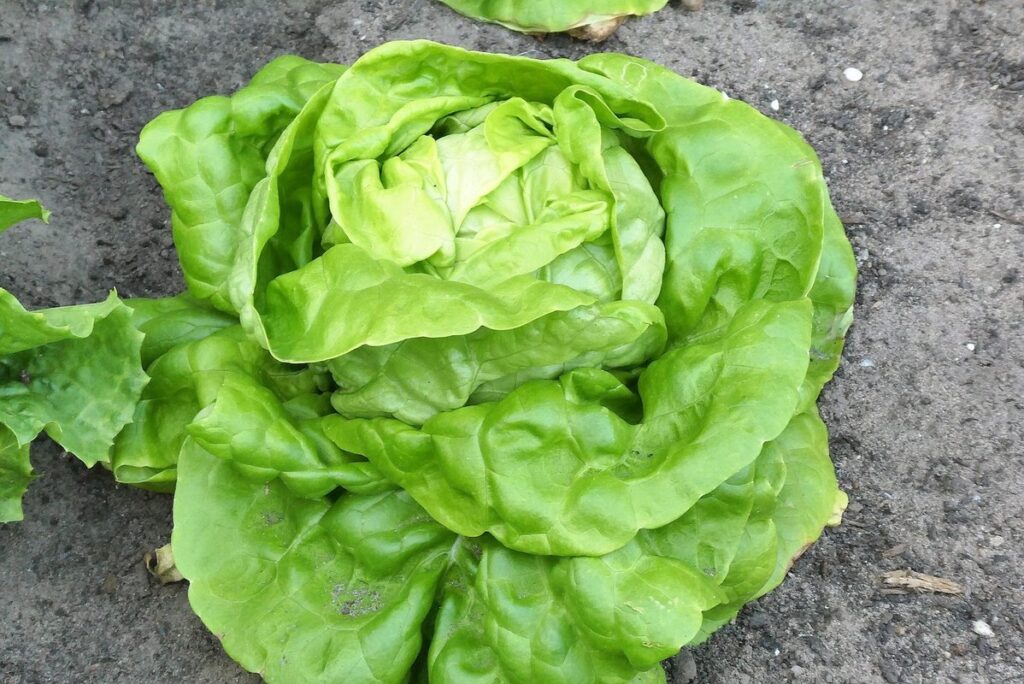
When it comes to growing vegetables as a beginner, leafy greens like lettuce, kale, and spinach are an excellent choice. Not only do they thrive in a variety of conditions, but they’re also packed with nutrients and easy on the wallet.
To get started, you’ll want to choose a spot that receives partial shade to full sun, depending on the specific type of leafy green you’re growing. Lettuce and spinach prefer cooler temperatures, while kale can tolerate warmer temps. Make sure your soil is well-draining and has a pH between 6.0 and 7.0.
Watering is another crucial aspect to consider when growing leafy greens. Keep the soil consistently moist but not waterlogged. You can achieve this by watering every other day in hot weather and once a week during cooler months. As for pests, keep an eye out for slugs, snails, and aphids. Use organic methods like neem oil or diatomaceous earth to control infestations.
Some popular varieties of leafy greens include ‘Rouge d’Hiver’ lettuce, ‘Lacinato’ kale, and ‘Tyee’ spinach. Try growing a mix of these for a continuous harvest throughout the season.
Tomatoes: A Beginner-Friendly Fruit (Yes, They’re a Fruit!)
Tomatoes are one of the most popular garden vegetables for beginners to grow. Not only do they thrive in a variety of conditions, but they’re also incredibly versatile and delicious. But did you know that tomatoes are actually a fruit? From a botanical standpoint, tomatoes meet the definition of a fruit because they develop from the ovary of a flower.
To optimize your tomato plant’s growth, consider providing it with plenty of sunlight – at least 6 hours of direct sun per day is ideal. When it comes to soil quality, look for a mix that drains well and has a pH between 6.0 and 7.0. Regular pruning can also help control the plant’s shape and promote healthy growth. By removing lower leaves and weak branches, you’ll allow more sunlight to reach the fruit and encourage air circulation.
In addition to these factors, make sure your tomato plants receive adequate watering – about 1-2 inches of water per week is sufficient. With a little care and attention, your tomato plant will reward you with an abundance of juicy, ripe fruit all season long!
Companion Planting: Maximizing Space and Yield
When growing a variety of fruits and vegetables, companion planting can be a game-changer for maximizing space and yield. By strategically pairing plants, you’ll create a thriving and productive garden ecosystem.
How to Choose Companion Plants
Companion planting is an excellent way to maximize space and improve crop yields in your garden. By choosing plants that complement each other, you can create a harmonious and productive growing environment. For instance, marigolds repel nematodes and attract beneficial insects that prey on pests, while basil improves the flavor and aroma of tomatoes.
When selecting companion plants, consider their growth habits, mature sizes, and space requirements to ensure they won’t compete with each other for resources. Plant tall varieties towards the north or west to avoid shading smaller plants. Some easy-to-grow companion plant pairings include lettuce and radishes (radishes repel cucumber beetles), carrots and sage (sage repels carrot flies), and beans with corn and squash (the “Three Sisters” method).
To make the most of your garden space, choose a mix of vining, spreading, and upright plants. For example, train peas or beans to climb up trellises or fences, while using groundcovers like thyme or creeping rosemary to suppress weeds. With careful planning and selection, companion planting can help you grow more in less space, making it an essential technique for beginner gardeners.
Common Companion Planting Pairs
When it comes to companion planting, not all combinations are created equal. Some pairings can boost growth, deter pests, and even add flavor to your harvest. Let’s take a look at some of the most successful combinations.
Basil and marigold make a great team in the garden. Basil repels pests that target tomatoes, while marigold’s bright flowers attract beneficial insects that prey on these pests. This duo is perfect for growing together with other easy-to-grow vegetables like tomatoes and peppers.
Tomatoes and peppers are also a classic companion planting pair. They have similar growing requirements and can benefit from each other’s shade and support. Plus, they repel nematodes, microscopic worms that can harm these plants.
By combining basil with marigold near your tomato and pepper plants, you’ll create a healthy and thriving garden ecosystem. Remember to plant basil in the morning or evening when it’s cooler outside, as it can bolt (go to seed) if exposed to direct sunlight for too long. With this simple yet effective companion planting technique, you’ll be on your way to growing delicious fruits and vegetables with ease.
Overcoming Common Growing Challenges
As you start growing your own fruits and vegetables, it’s normal to encounter some setbacks. This section will help you troubleshoot common growing challenges and find solutions to keep your garden thriving.
Dealing with Pests and Diseases
As you start growing your own fruits and vegetables, you may encounter some common pests and diseases that can damage your crop. Aphids, whiteflies, and spider mites are some of the most common pests that affect easy-to-grow plants like tomatoes, cucumbers, and squash. These tiny insects feed on plant sap, causing curled or distorted leaves.
To control infestations naturally, start by inspecting your plants regularly for signs of pest damage. Use neem oil or insecticidal soap to repel aphids and whiteflies. For spider mites, spray water forcefully to dislodge them from the plant. Prune affected areas to prevent the pests from spreading.
Common diseases like powdery mildew, leaf spot, and root rot can also affect your plants. Powdery mildew appears as a white, powdery coating on leaves, while leaf spot causes small, circular lesions on the foliage. Root rot is characterized by soft, mushy stems and roots.
To treat these diseases naturally, remove infected plant parts to prevent the spread of disease. Apply a fungicide like copper-based solution or sulfur powder according to the product’s instructions. Maintain good air circulation around your plants and water them at soil level to avoid wetting leaves, which can encourage fungal growth.
Watering and Irrigation Tips
Proper watering is one of the most critical aspects of growing fruits and vegetables. It’s essential to understand that overwatering can be just as detrimental as underwatering. Here are some key factors to consider when it comes to soil moisture levels.
Check the soil regularly by inserting your finger into the soil up to the first knuckle. If the soil feels dry, it’s time to water. However, if it’s still moist, wait a day or two before checking again. A general rule of thumb is to water when the top 1-2 inches of soil feel dry.
When it comes to efficient irrigation systems, consider using drip irrigation or soaker hoses. These systems deliver water directly to the roots of the plants, reducing evaporation and runoff. You can also use mulch to retain moisture in the soil and reduce the need for frequent watering.
Some easy-to-grow fruits like strawberries and citrus trees are relatively drought-tolerant, but they still require consistent moisture levels. Vegetables like tomatoes and peppers prefer well-draining soil and regular watering schedules.
Preserving Your Harvest
Now that you’ve harvested your easy-to-grow fruits and veggies, it’s time to think about how to keep them fresh for as long as possible. We’ll walk you through some simple preservation techniques.
Techniques for Canning, Freezing, and Dehydrating
Preserving your harvest is an essential skill for any gardener, and it’s great that you’re thinking ahead to enjoy your fruits and vegetables year-round. There are several preservation methods to explore, including canning, freezing, and dehydrating.
Canning involves submerging food in a vacuum-sealed jar with a salty brine or sugar syrup. This method is ideal for acidic foods like tomatoes, citrus fruits, and pickled cucumbers. When done correctly, canning provides a shelf-stable product that can be stored for up to 12 months.
Freezing is another popular preservation method. It involves blanching the food in boiling water or steam to inactivate enzymes, then transferring it to an airtight container or freezer bag. Frozen fruits and vegetables retain their nutrients and flavor, making them perfect for smoothies, soups, and stir-fries.
Dehydrating removes moisture from the food using heat, resulting in a lightweight, compact product that can be stored indefinitely. Dehydration is best suited for fruits like strawberries, blueberries, and bananas, as well as leafy greens like kale and spinach.
When dehydrating or freezing, it’s essential to follow proper techniques to prevent spoilage and maintain flavor. Be sure to wash and chop your produce before preservation, and label containers with the date and contents to keep track of what you have stored.
Tips for Storing Fresh Produce
Proper storage of fresh produce is crucial to maintaining its quality and extending its shelf life. As a beginner gardener, it’s essential to learn the best practices for storing your homegrown fruits and vegetables. When selecting storage containers, choose breathable materials such as mesh bags, paper bags, or wicker baskets that allow for airflow and moisture evaporation.
For root vegetables like carrots, beets, and potatoes, store them in a cool, dark place with good ventilation to prevent sprouting. On the other hand, delicate herbs like basil and cilantro prefer bright, indirect light. Keep them away from direct sunlight, which can cause them to wilt.
To maintain optimal conditions for your produce, follow these handling techniques: wash fruits and vegetables gently just before storing to prevent water spots; dry them thoroughly with a clean towel or cloth to remove excess moisture; and store them separately to prevent cross-contamination of ethylene-producing fruits like apples and bananas. By following these simple storage tips, you’ll be able to enjoy your homegrown produce for longer periods and reduce food waste.
Conclusion
Now that you’ve got a solid foundation in growing easy fruits and vegetables, it’s time to put your newfound knowledge into action. Start small by selecting a few beginner-friendly plants from our guide and give them a try. Don’t be discouraged if things don’t go exactly as planned – every mistake is an opportunity to learn and improve for next time. As you gain confidence in your gardening skills, experiment with more varieties and see what works best for your unique climate and space.
Remember, the key to success lies in patience, persistence, and practice. Keep your soil healthy, provide adequate sunlight and water, and enjoy the fruits of your labor – literally! With these easy-to-grow options, you’ll be enjoying fresh produce from your very own garden in no time.
Frequently Asked Questions
What if I live in a small apartment or have limited outdoor space? Can I still grow my own fruits and veggies?
Don’t worry, you can still enjoy the benefits of homegrown produce even with limited space! Consider using vertical gardening techniques, container gardens, or even indoor growing systems. You can also start with easy-to-grow herbs like basil or mint that don’t require a lot of space.
How do I know if my soil is suitable for planting, and what can I do to improve its quality?
To determine your soil type, perform a simple pH test using a DIY kit or send a sample to a lab. Based on the results, you can amend your soil with organic matter like compost or manure to improve its fertility and structure.
Can I grow multiple types of fruits and veggies together in the same garden bed?
Yes! Companion planting is a great way to maximize space and yield. However, be mindful of plant height, growth habits, and potential pests or diseases that may spread from one plant to another. Some popular companion planting pairs include marigolds with tomatoes and basil with lettuce.
How do I preserve my harvest for longer periods, especially during peak season?
To preserve your fruits and veggies, consider techniques like canning, freezing, and dehydrating. For example, you can make jam or preserves from excess strawberries, while frozen berries are perfect for smoothies or baked goods. Dehydrate herbs like mint or basil to keep them fresh throughout the year.
What if I encounter pests or diseases in my garden? Are there any natural solutions I can use?
Yes! Natural pest control methods include introducing beneficial insects, using neem oil or soap sprays, and practicing good hygiene. For diseases, remove infected plants, improve air circulation, and treat with copper-based fungicides.