
Are you tired of feeling guilty about throwing away your food waste, but unsure where to start with composting? You’re not alone! Composting is one of the simplest and most effective ways to reduce your environmental impact, but it can seem daunting if you’ve never done it before. The good news is that there’s an easy way to get started, regardless of whether you live in a small apartment or have a sprawling backyard.
In this beginner’s guide, we’ll show you the easiest way to compost, covering both indoor and outdoor methods, as well as more advanced techniques like vermicomposting. We’ll break down the basics so that you can start reducing your waste and creating nutrient-rich soil for your garden today. Whether you’re a seasoned gardener or just starting out on your sustainable journey, this article is designed to be a straightforward and accessible introduction to the world of composting.
Understanding the Importance of Composting
Composting isn’t just a necessary step for reducing waste, but it also has numerous benefits for our environment and gardens. Let’s dive into why composting is so important.
What is Composting and Why Should I Do It?
Composting is one of the simplest and most effective ways to reduce waste, create nutrient-rich soil for your garden, and make a positive impact on the environment. But what exactly is composting? In its most basic form, composting is the process of breaking down organic materials such as food scraps, leaves, and grass clippings into a rich, dark soil amendment.
By composting, you can reduce the amount of waste sent to landfills, where it contributes to greenhouse gas emissions. Composting also helps to conserve water by improving soil’s ability to retain moisture, reducing the need for fertilizers and pesticides, and supporting healthy microbial growth. This not only benefits your garden but also supports a sustainable lifestyle.
So, why should you compost? For one, it’s an easy way to reduce your environmental footprint. By turning food scraps into nutrient-rich compost, you’re creating a valuable resource that can help your garden thrive. Moreover, composting is a great way to get involved in your community and promote sustainable practices among friends and family.
Common Misconceptions About Composting
Composting has often been shrouded in mystery, leading to misconceptions that can deter even the most enthusiastic gardeners from giving it a try. Let’s debunk some of these common myths and set the record straight.
Firstly, composting doesn’t have to be smelly or messy. With proper management, your compost pile should not emit strong odors. In fact, a well-balanced compost mix should have an earthy, almost pleasant aroma. To achieve this, aim for a mix of 2/3 “brown” materials (dried leaves, straw, etc.) and 1/3 “green” materials (food scraps, grass clippings, etc.).
Another misconception is that composting requires a large, dedicated space. Not true! You can compost in small spaces, such as balconies or even indoors using vermicomposting systems. These compact solutions use worms to break down food waste into nutrient-rich fertilizer.
Lastly, some people believe that composting is too complicated or time-consuming. However, with the right setup and routine, composting can be a breeze. Simply collect your organic materials, layer them in your bin, and let nature do its magic. With minimal maintenance, you’ll have a steady supply of nutrient-rich compost to fertilize your garden.
By addressing these common misconceptions, we hope to empower you to start composting with confidence!
Choosing the Right Composting Method for You
Now that you’ve decided to start composting, let’s talk about how to choose a method that fits your lifestyle and living situation, whether it’s indoors or outdoors. This section will walk you through key considerations for selecting the right approach.
Indoor vs. Outdoor Composting: Which is Best?
When it comes to composting, you’re faced with two main options: indoor and outdoor composting. Both methods have their pros and cons, which we’ll explore in this section.
Indoor composting is a great option for those living in small spaces or with limited outdoor areas. You can use a compact compost bin or even create your own using a wooden pallet or plastic container. Indoor composting requires regular maintenance to prevent odors and pests from taking over. To minimize these issues, make sure to add equal parts “green” (food scraps) and “brown” (dried leaves or shredded paper) materials to keep the mix balanced.
Outdoor composting, on the other hand, offers more space for larger quantities of waste and allows for better airflow and decomposition. However, it requires a dedicated area, which might not be feasible for those living in urban environments. Outdoor compost bins can also attract pests if not properly maintained. Consider using a worm composter or bokashi bin to minimize these risks.
Ultimately, the choice between indoor and outdoor composting comes down to your specific situation and available space.
Vermicomposting: The Art of Worm Composting
If you’re new to composting or have limited space for outdoor composting bins, vermicomposting is a great option worth exploring. Vermicomposting, also known as worm composting, involves using red wiggler worms to break down food waste into nutrient-rich compost.
This method is ideal for small spaces, such as apartments or condos, where outdoor composting may not be feasible. With vermicomposting, you can turn kitchen scraps and other organic materials into valuable compost right on your countertop. All you need is a specialized bin designed specifically for worm composting, some red wiggler worms, and regular maintenance.
To get started with vermicomposting, begin by introducing the worms to their new habitat and adding a mix of bedding materials like coconut coir or shredded newspaper. Feed the worms a balanced diet of “green” materials (food scraps) and “brown” materials (dried leaves or shredded paper). Regularly monitor the moisture levels, pH balance, and worm population to ensure optimal composting.
By following these simple steps, you can enjoy the benefits of vermicomposting in even the smallest spaces.
Setting Up Your Compost Bin or Pile
To get started, let’s set up a compost bin or pile that will help you break down food scraps and yard waste into nutrient-rich compost. This is an essential step in creating a thriving compost system.
Types of Compost Bins: DIY vs. Store-Bought
When it comes to setting up your compost bin or pile, you have two main options: DIY or store-bought. Each type has its own set of benefits and drawbacks that you should consider before making a decision.
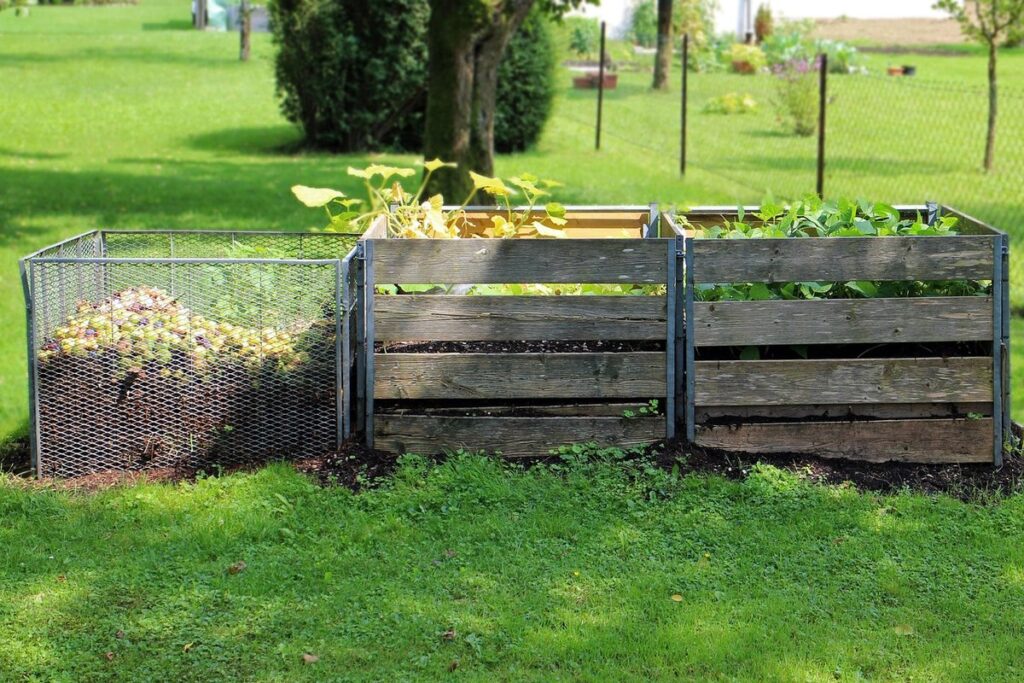
DIY compost bins are made from materials like wooden pallets, wire mesh, or even old plastic containers. They’re often free or low-cost, which can be a major advantage for those on a tight budget. However, DIY bins may not be as durable or well-ventilated as store-bought options, which can lead to unpleasant odors and pests. You’ll also need to invest time in building the bin, which can be a challenge if you’re new to composting.
On the other hand, store-bought compost bins come in a wide range of styles and materials, from simple plastic tumblers to more complex wooden structures. They often have better ventilation and are designed with ease of use in mind. However, they can be pricey, especially for high-quality models. Consider your space constraints: if you live in a small apartment or have limited outdoor space, a compact DIY bin might be the best option.
Ultimately, the choice between DIY and store-bought compost bins comes down to your personal preferences, budget, and needs.
Building a Backyard Compost Pile
When it comes to building a backyard compost pile, there are several key considerations to keep in mind. First and foremost, you’ll want to choose a location for your pile that’s well-ventilated, accessible, and out of direct sunlight. Avoid areas under trees or with standing water, as these can attract pests and create anaerobic conditions.
To ensure your pile is balanced and breaks down efficiently, aim for a carbon-to-nitrogen ratio of 25:1 to 30:1. This means adding 2/3 “brown” materials (dried leaves, straw, shredded newspaper) to 1/3 “green” materials (food scraps, grass clippings). You can also add other materials like eggshells, coffee grounds, and tea bags.
To monitor progress, check the pile’s temperature regularly. It should reach a minimum of 130°F within the first few days of building. If it doesn’t, you may need to turn or aerate the pile to improve decomposition. Keep in mind that a healthy compost pile will also have an earthy aroma and be slightly damp to the touch. With these basics covered, you’ll be well on your way to creating a thriving backyard compost pile.
Adding Materials to Your Compost Bin or Pile
Now that you have your compost bin set up, it’s time to start adding materials. Learn which types of food scraps, yard waste, and other items can be added to create nutrient-rich compost.
What Can I Compost? Understanding the Rules
Composting is all about creating a nutrient-rich soil amendment for your garden. But before you start adding materials to your compost bin or pile, it’s essential to understand what can be composted and what should be avoided. The good news is that there are plenty of materials you can add to your compost, but some items might surprise you.
When it comes to food scraps, think beyond just fruits and vegetables. You can also compost bread, grains, and even eggshells! However, avoid adding meat, dairy products, oils, and processed foods as they can attract pests and create unpleasant odors. Yard waste like leaves, grass clippings, and branches are all fair game, but make sure to chop them up first to speed up decomposition.
Remember, it’s not just about what you add, but also how you balance your compost pile. Aim for a mix of 2/3 “brown” materials (dried leaves, straw, etc.) and 1/3 “green” materials (food scraps, grass clippings, etc.). This will help maintain the perfect pH level and prevent mold from growing. By understanding what can be composted, you’ll set yourself up for success in creating a thriving compost pile.
Balancing “Green” and “Brown” Materials for Optimal Composting
When it comes to creating an ideal composting environment, understanding the concept of balancing “green” and “brown” materials is crucial. Green materials are rich in nitrogen (N), while brown materials are high in carbon (C). Think of it like a recipe: you need a mix of both to create a perfect blend for optimal decomposition.
To illustrate this, consider your compost pile as a pizza dough. The crust represents the brown materials – think dried leaves, straw, or shredded newspaper – which provide structure and carbon content. On top of that, you add green ingredients like kitchen scraps (fruit and veggie peels), grass clippings, or manure, which bring nitrogen to the mix.
Aim for a ratio of 2/3 brown materials to 1/3 green materials. Start with a base layer of brown material, followed by adding green layers in between. As you add more materials, maintain this balance and turn your pile regularly to ensure oxygen reaches all areas, preventing anaerobic conditions that can lead to unpleasant odors or pests. By striking the right balance between these two essential components, you’ll be well on your way to creating nutrient-rich compost for your garden.
Maintaining Your Compost Bin or Pile
Now that you’ve got your composting system up and running, it’s essential to maintain it properly to ensure a steady supply of nutrient-rich soil for your garden. This means regularly checking and balancing the carbon-to-nitrogen ratio in your bin or pile.
Monitoring Moisture Levels and Temperature
Maintaining optimal moisture levels and temperature is crucial for successful composting. Aim to keep your pile’s moisture level at 40-60% by sprinkling water regularly. However, be cautious not to overwater, as this can lead to anaerobic conditions and unpleasant odors.
To monitor temperature, use a thermometer to check for the ideal range of 130-140°F (54-60°C). This is usually achieved when your composting pile reaches the thermophilic stage, where microorganisms break down organic matter efficiently. Keep in mind that temperatures above 160°F (71°C) can kill beneficial microbes and set back the composting process.
Check your compost regularly to ensure these levels are met. If you notice condensation on the lid or a sour smell, it may be too wet. Conversely, if the pile feels dry to the touch, add more water. By maintaining these conditions, you’ll create an environment where microorganisms thrive and efficiently break down organic matter into nutrient-rich compost.
Managing Odors and Pests
As you’re learning about composting, one of the biggest concerns newbies have is dealing with odors and pests. Don’t worry, we’ve got some easy strategies to minimize these issues. First, let’s talk about aerating the pile. This means mixing in some “brown” materials like dried leaves or shredded newspaper to balance out the “green” materials like food scraps. By doing this, you’ll allow oxygen to flow and help break down the compost more efficiently.
Using a cover can also make a big difference. Simply placing a lid on your bin or covering it with a tarp will prevent pests from getting in and odors from escaping. Some bins even come with built-in ventilation systems that help circulate air and reduce moisture. Another tip is to introduce beneficial organisms like worms (red wiggler composting worms, anyone?) or beneficial bacteria to help break down the organic matter. These microorganisms will eat away at any pesky pests and leave you with a fresh-smelling pile of nutrient-rich compost in no time!
Harvesting Your Compost: Tips and Tricks
Now that you’ve created a nutrient-rich compost pile, it’s time to reap the rewards by harvesting it and using it in your garden. Here are some essential tips for a successful harvest.
When Is My Compost Ready?
Now that you’ve worked hard to create your compost pile, it’s time to determine when it’s ready to use as fertilizer. This is perhaps the most crucial part of the process, as using unripe compost can actually harm your plants.
To check if your compost is ready, simply dig in with a pitchfork or shovel and grab a handful. Squeeze it: if it forms a tight ball that holds its shape when released, it’s done. On the other hand, if it crumbles apart easily, it needs more time. You should also look for a rich, earthy aroma – this is a sign of good decomposition.
Another way to determine readiness is by texture. Compost should be dark and loamy, similar to potting soil. If it’s still too lumpy or contains large chunks of recognizable materials, it’s not yet ready. As a general rule, allow 2-3 months for hot composting (turning the pile regularly) and 4-6 months for cold composting (no turning). Keep in mind that these are just estimates – every compost is unique.
Remember to inspect your compost regularly by digging in and checking its texture, aroma, and shape. This will help you determine when it’s time to harvest and start using it as fertilizer.
Using Your Fresh Compost: Ideas and Applications
Now that you’ve harvested your fresh compost, it’s time to put it to good use. Compost is a versatile resource that can benefit various aspects of your life, from gardening and cooking to household cleaning and even animal care.
For gardeners, the possibilities are endless. You can mix your compost into soil to enrich its structure and fertility, creating an ideal environment for plants to thrive. Add it to potting mixes or use it as a natural fertilizer for seedlings. Compost also makes an excellent mulch for retaining moisture and suppressing weeds. For example, try mixing 2-3 inches of compost into your vegetable garden beds before planting.
In the kitchen, you can utilize fresh compost in various recipes. Compost tea is a liquid solution made by steeping compost in water, which can be used as a natural pest control or plant growth promoter. You can also use it as an ingredient in soups, stews, and braises for added depth of flavor and nutrition.
In the household, you can repurpose fresh compost as a non-toxic cleaner for surfaces and floors. Simply mix 1 part compost with 10 parts water to create a natural scrubbing solution. You can also use it to make homemade animal feed or even fertilize your aquarium plants.
When utilizing your fresh compost, remember to start small and gradually increase the quantities as you become more comfortable with its applications. This will help you avoid overdoing it and ensure that you’re getting the most out of your valuable resource.
Frequently Asked Questions
Can I compost with a small balcony or patio?
You can definitely compost on a small balcony or patio, even without much space! Consider indoor composting methods like vermicomposting (worm composting) or compact compost bins that don’t take up too much room. Look for products specifically designed for small spaces, and make sure to follow the manufacturer’s guidelines for usage.
What if I have pets and live in an apartment – can I still compost?
Yes! Apartment dwellers with pets can still compost by using odor-absorbing materials like activated charcoal or baking soda in their compost bin. You can also opt for indoor composting methods that are low-odor and pet-friendly, such as vermicomposting.
How long does it take to see results from my compost pile?
The time it takes to see results from your compost pile depends on several factors, including the type of materials you’re using, how well you balance “green” and “brown” materials, and the size of your pile. Generally, you can expect to see significant results within 2-3 months, but it may take up to 6 months for fully matured compost.
Can I add weeds to my compost bin?
Yes! Weeds can be a valuable addition to your compost bin, as they’re high in carbon and can help balance out the nitrogen levels in your pile. However, make sure to remove any seeds or flowers from the weed material before adding it to your compost bin.
What if I accidentally add meat or dairy products to my compost?
If you accidentally add meat or dairy products to your compost, don’t worry! While these items can attract pests and create unpleasant odors, they won’t harm the overall health of your compost pile. Simply remove any recognizable pieces of meat or dairy and continue with your composting routine as usual.
Can I use my kitchen scraps year-round, regardless of season?
While you can compost most food waste year-round, some items like citrus peels and onion skins may be too acidic for cold winter months when the compost pile is slower to break down. Consider adding these items in moderation or storing them until warmer weather returns.
What if I notice pests or odors in my compost bin?
Don’t panic! Pests like fruit flies, ants, or rodents can be attracted to your compost bin due to high moisture levels or food waste. To manage odors and pests, try adding more carbon-rich materials (like dry leaves or straw) to balance out the nitrogen levels, ensuring adequate aeration, and regularly monitoring for any signs of infestation.
How do I maintain my outdoor compost pile during extreme weather conditions?
During hot summer months, ensure your compost pile has sufficient moisture by sprinkling water over it. In cold winter months, cover your pile with a tarp or blanket to protect it from frost damage. Regularly turn the pile and aerate it to prevent anaerobic conditions.
How long can I store finished compost before using it in my garden?
Finished compost is best used within 6-12 months of completion, as its nutrient levels may decline over time. Store your compost in a cool, dry place and keep it covered to maintain its quality until you’re ready to use it in your garden.
Can I share my compost bin with neighbors or family members?
Yes! Sharing your compost bin with neighbors or family members can be a great way to build community and reduce waste together. Just make sure to establish clear guidelines for what materials are accepted, how to maintain the pile, and how often to turn it.