
Early blight is one of the most common and destructive diseases that can affect your tomato plants, causing significant damage to their leaves and overall yield. If you’re a gardener or farmer who’s struggling with this issue, you know how frustrating it can be to watch your hard work go to waste. But don’t worry, you’re not alone! In this article, we’ll guide you through the process of identifying early blight in tomato leaves, understanding its causes and symptoms, and learning effective management options to prevent and treat the disease. From diagnosis to treatment, we’ve got everything covered in our comprehensive guide on how to deal with early blight. By the end of it, you’ll be equipped with the knowledge to tackle this issue head-on and protect your tomato crop.
Understanding Early Blight: What You Need to Know
If you’re new to gardening, understanding early blight is crucial for saving your tomato plants from damage. In this next section, we’ll break down what you need to know about this common disease.
Definition and Explanation of Early Blight
Early blight is a common disease that affects tomato plants worldwide. It’s caused by a fungus-like organism called Alternaria solani, which thrives in warm and humid environments. This pathogen targets the leaves of the plant, causing them to turn yellow or wilt, and eventually leading to defoliation.
Alternaria solani produces spores that spread through splashing water, insects, or even humans handling infected plants. Once the fungus infects a tomato plant, it can quickly spread throughout the entire crop, making early detection crucial for effective management. Early blight typically appears on lower leaves first, where the fungal mycelium (vegetative part of the fungus) breaks down leaf tissue and creates lesions.
It’s essential to recognize that early blight is not caused by a lack of water or nutrients but rather by the presence of Alternaria solani. Tomato plants may exhibit various symptoms before showing severe defoliation, such as small yellow spots, dark green patches, or irregular-shaped holes in the leaves. Regular monitoring and prompt action are key to preventing the spread of early blight and protecting your tomato crop from further damage.
Importance of Identifying Early Blight
Identifying early blight symptoms on time is crucial to preventing further damage and potential crop losses. If left unchecked, early blight can cause significant yield loss, reduced fruit quality, and even lead to the total destruction of your tomato crop. In fact, studies have shown that delaying treatment by just a few days can result in up to 50% reduction in yields.
Early detection also allows you to take targeted control measures, which can be more effective than trying to treat the disease after it has spread extensively. By recognizing the symptoms early on, you can avoid spreading the disease through wind or water and prevent its spread to adjacent plants.
To identify early blight symptoms promptly, keep a close eye on your tomato plants’ leaves for signs of yellowing, wilting, or black spots. Regularly inspect your plants every 2-3 days during peak growth periods to catch any issues before they escalate into more severe problems.
Causes and Contributing Factors
Let’s dive into the possible causes of early blight on tomato leaves, including environmental factors, soil conditions, and plant health issues that can contribute to the problem.
Weather Conditions and Temperature
Excessive rainfall can contribute to early blight development by creating an ideal environment for fungal growth. When water pools on the soil surface, it can lead to root rot and increased susceptibility to disease. High temperatures also play a significant role in the spread of early blight. Most strains of Alternaria solani, the fungus responsible for early blight, thrive in temperatures between 68°F and 85°F (20°C-30°C). This temperature range is common during the growing season, allowing the disease to progress rapidly.
In regions with high humidity, like Florida or California, early blight can spread quickly due to warm temperatures and moisture. To mitigate this issue, gardeners should ensure proper air circulation around plants by maintaining a distance of at least 2-3 feet between them. Mulching the soil surface can also help in reducing moisture levels, but avoid covering plant leaves directly.
Soil-Borne Fungal Spores
Soil-borne fungal spores are one of the primary causes of early blight on tomato leaves. These microscopic spores can remain dormant in soil for extended periods, waiting for the right conditions to germinate and infect nearby plants. One of the most significant risks associated with soil-borne fungal spores is their ability to spread through irrigation systems. If your watering equipment is contaminated with these spores, you may inadvertently transfer them from one plant to another, perpetuating the infection.
Contaminated tools can also play a role in spreading early blight. Gardeners and farmers often use shared equipment, such as pruners or cultivators, without properly sanitizing them between uses. This can lead to the transfer of fungal spores from one plant to another, allowing the disease to spread quickly through your garden.
To prevent the spread of early blight caused by soil-borne fungal spores, it’s essential to maintain good sanitation practices in your garden. Regularly disinfect all equipment with a solution of 1 part bleach to 10 parts water, and consider using a preventative fungicide on susceptible plants to reduce the risk of infection.
Symptoms of Early Blight on Tomato Leaves
One of the most common ways to identify early blight on tomato leaves is by looking for specific visual symptoms, including yellowing and black spots that can spread rapidly. We’ll break down these telltale signs in this section.
Visual Identification of Affected Leaves
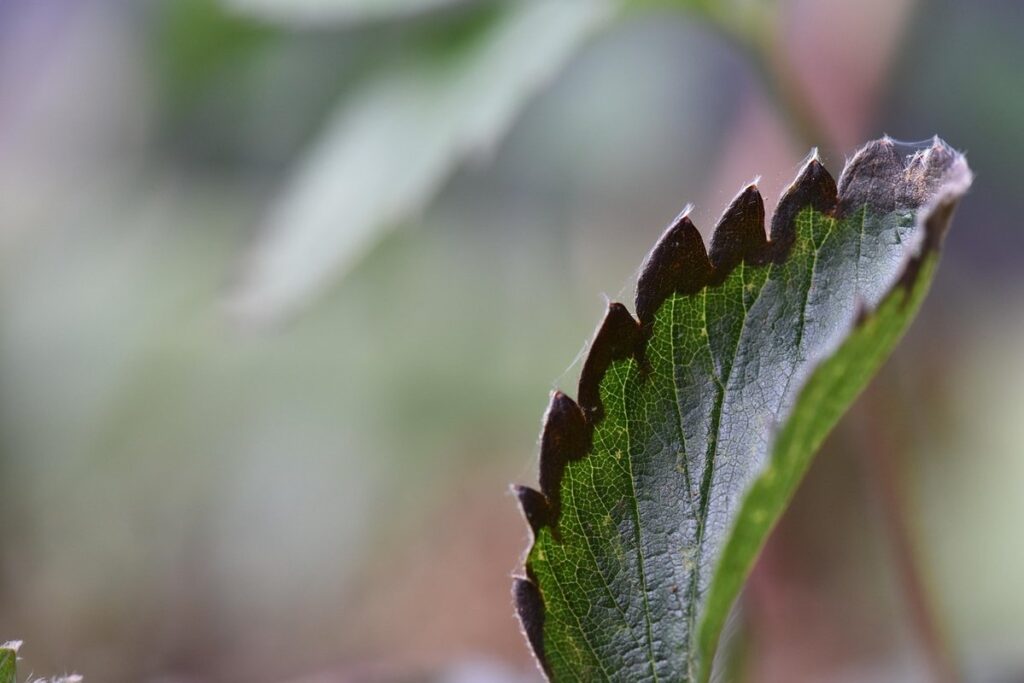
When inspecting tomato leaves for early blight symptoms, look closely at the affected areas. Infected leaves may display various stages of discoloration, starting with yellowing around the edges and progressing to brown patches. In some cases, the entire leaf can turn a uniform brown or grayish color.
Lesions are another characteristic symptom of early blight on tomato leaves. These lesions typically start as small, water-soaked spots that may be circular or irregular in shape. Over time, they can merge to form larger blotches, often with a white or light-colored center and a darker border.
As the disease advances, infected leaves begin to wilt and eventually drop off the plant. This defoliation can significantly reduce tomato production and weaken the plant’s ability to fight off further infections.
Be aware that early blight lesions can easily be mistaken for those caused by other diseases, such as septoria leaf spot. However, one key distinction is that septoria leaf spot tends to produce more necrotic (dead) tissue than early blight. Early blight lesions usually have a softer appearance and may exhibit some green or yellowish coloration around the edges.
Regularly inspecting your tomato plants can help you catch early blight symptoms in their initial stages, allowing for timely intervention and reduced crop damage.
Advanced Stages: Leaf Drop and Plant Decline
As early blight progresses to its advanced stages, you may notice significant changes in the appearance and behavior of your tomato plants. One of the most visible signs is leaf drop, where infected leaves turn yellow and eventually fall off the plant. This not only affects the aesthetic appeal but also reduces photosynthesis, causing the plant to stress further.
If left untreated, early blight can lead to premature fruit ripening, which may result in a decrease in yield quality and quantity. The fruits may become soft and taste unpalatable due to the reduced nutritional content. In severe cases, the entire crop may be affected, resulting in significant economic losses for commercial growers.
To prevent this from happening, it’s essential to monitor your plants closely and take action at the first sign of infection. Remove any infected leaves or branches, and disinfect pruning tools to avoid spreading the disease further. By doing so, you can minimize the damage and give your plant a chance to recover.
Diagnosis and Identification
To accurately diagnose early blight on your tomato plants, it’s essential to understand the key symptoms and visual cues that indicate an infection is present. Let’s take a closer look at what to look for.
Key Characteristics for Accurate Diagnosis
When diagnosing early blight on tomato leaves, timing is crucial. It’s essential to identify symptoms as soon as possible, ideally when they first appear. This allows for timely treatment and reduces the risk of further damage. Early blight typically appears 2-4 weeks after transplanting, but can also occur earlier if conditions are favorable.
To accurately diagnose early blight, inspect the affected leaves carefully. Look for characteristic yellow or white spots on the lower leaves, often with a reddish-brown border. These lesions may be circular or irregular in shape and can merge to form larger patches. Other symptoms include leaf curling, wilting, or premature defoliation.
It’s also essential to inspect the roots and stems for any signs of damage or stress. Drought, overwatering, or nutrient deficiencies can exacerbate early blight symptoms. Check for root rot, cracked seedlings, or other indicators of compromised plant health.
By paying close attention to these symptoms and considering related factors like timing and environmental conditions, you’ll be well on your way to an accurate diagnosis.
Laboratory Testing: When It’s Necessary
Laboratory testing is crucial when it comes to confirming a diagnosis of early blight on tomato leaves. However, not all cases require laboratory testing. If you’re a homeowner or small-scale gardener, you can often diagnose early blight based on visual symptoms alone.
But if you’re a commercial grower or are unsure about the diagnosis, laboratory testing is necessary to confirm the presence of early blight and rule out other possible causes of leaf spotting. This is especially true for large-scale growers who need to make informed decisions about crop management and prevent the spread of disease to neighboring fields.
When collecting samples for laboratory testing, it’s essential to follow proper procedures to ensure accurate results. Take multiple samples from different areas of the field, including symptomatic leaves as well as healthy-looking leaves. Handle the samples carefully, placing them in a sealed plastic bag or container to prevent contamination. Label the samples clearly with the date, location, and any relevant information about the disease symptoms you’ve observed. This will help the laboratory technicians provide you with accurate and useful results.
Management and Treatment Options
Now that we’ve covered the causes and symptoms of early blight, let’s move on to what you can do to manage and treat infected tomato leaves. Effective treatment options are just a few steps away!
Cultural Controls: Crop Rotation and Sanitation
Crop rotation is one of the most effective cultural controls for preventing early blight from spreading. This involves growing different crops on the same land to break the disease cycle. For example, tomatoes and peppers are both susceptible to early blight, so it’s best to rotate these crops with less susceptible ones like cucumbers or squash. Rotate tomato plants every year, if possible, to minimize the risk of infection.
In addition to crop rotation, maintaining good sanitation practices is crucial. Remove any infested plant material as soon as possible to prevent spores from spreading. Dispose of debris and weeds in sealed bags or containers to prevent them from contaminating other areas of your garden. Regularly clean your tools, gardening equipment, and footwear with soap and water to prevent the spread of the disease.
To further minimize the risk of early blight, practice good gardening hygiene by disinfecting any seed trays, pots, and cell packs that have come into contact with infected plants.
Fungicides: Chemical Control Measures
When it comes to controlling early blight on tomato leaves, chemical control measures can be an effective option. Fungicides are a type of chemical that can help manage the disease by killing or inhibiting the growth of fungal pathogens.
There are several types of fungicides available, each with its own mode of action. For example, strobilurins work by disrupting the fungal cell membrane, while chlorothalonil and mancozeb work by forming a protective barrier on plant surfaces that prevents fungal spores from germinating. Another option is copper-based products, which are effective against a wide range of fungal diseases.
To use fungicides effectively, timing is key. Typically, the first application should be made when the first symptoms of early blight appear, and then repeated every 7-10 days to maintain control. Always read and follow the label instructions carefully, as different products have varying rates of application and safety precautions.
Some general safety precautions to keep in mind include wearing protective clothing such as gloves and a mask, applying fungicides during calm weather conditions, and avoiding overspray or drift onto non-target areas.
Prevention Strategies and Best Practices
To prevent early blight from affecting your tomato plants, it’s essential to understand some practical strategies for maintaining a healthy crop and minimizing disease risk. We’ll explore these prevention methods here.
Regular Monitoring and Maintenance
Regular monitoring is crucial to catching early blight symptoms early on. Set aside time each week to inspect your tomato plants carefully, looking for signs of yellowing or browning leaves, black spots, and a general decline in plant health. Be on the lookout for these telltale signs, especially after periods of high humidity or rainfall.
Maintaining good garden hygiene is also essential in preventing the spread of early blight. Remove any infected plants immediately to prevent the spores from spreading to other parts of your garden. Dispose of the infected leaves and stems by bagging them and throwing them away, rather than composting them. Keep your gardening tools clean by wiping them down with a 10% bleach solution after each use.
To adopt an integrated pest management (IPM) strategy, combine these monitoring and hygiene practices with other methods, such as crop rotation, adjusting irrigation schedules, and using resistant varieties of tomato plants. This holistic approach will help you manage early blight effectively while minimizing the use of chemical pesticides and maintaining a healthy ecosystem in your garden.
Long-Term Solutions: Soil Amendments and Cover Crops
Improving soil health through amendments and cover crops is essential to reduce the risk of future early blight infections on tomato plants. By incorporating these long-term solutions into your gardening routine, you can create a resilient and balanced ecosystem that promotes healthy plant growth.
To begin, consider adding organic matter to your soil through the use of compost or well-rotted manure. This will help increase the soil’s overall fertility and structure, making it more resistant to disease. You can also apply natural amendments like bone meal or alfalfa meal to provide essential nutrients for your plants.
Cover crops are another effective way to improve soil health and reduce early blight risk. These crops, such as oats or rye, are planted between crop cycles and left to mature before being incorporated into the soil. They help to break up compacted soil, retain moisture, and even act as a green mulch to suppress weeds.
By incorporating these strategies into your gardening routine, you can create a more sustainable and disease-resistant garden ecosystem that reduces the likelihood of early blight infections on your tomato plants. Remember to rotate your crops regularly and monitor your soil’s pH levels to ensure optimal growing conditions for your tomatoes.
Frequently Asked Questions
How soon can I expect to see results after implementing cultural controls?
Concise, valuable answer…
Implementing cultural controls like crop rotation, sanitation, and removal of infected plants can show signs of improvement within 7-10 days. However, it may take several weeks for the soil’s microbial balance to normalize and prevent further infection.
What if I’ve already applied fungicides, but my tomato plants still show symptoms?
Concise, valuable answer…
If you’ve applied fungicides but your plants continue to show symptoms, reassess your application technique. Ensure proper coverage, avoid over-application, and consider combining with cultural controls for enhanced effectiveness.
Can I use homemade remedies like baking soda or neem oil as a substitute for commercial fungicides?
Concise, valuable answer…
While some studies suggest potential efficacy of homemade remedies, their long-term effectiveness is often inconsistent. For severe early blight infestations, consider using commercial fungicides in combination with cultural controls and sanitation practices.
How can I prevent the spread of early blight to other areas of my garden or farm?
Concise, valuable answer…
Prevent spreading early blight by implementing strict sanitation measures, including disinfecting tools and equipment, removing infected plants, and maintaining a clean growing environment. Regularly inspect your crops for signs of infection and remove any affected plants promptly.
What role do soil amendments play in preventing or managing early blight?
Concise, valuable answer…
Soil amendments can contribute to creating an unfavorable environment for early blight pathogens by altering pH levels, improving soil structure, or introducing beneficial microorganisms. However, these measures should be integrated into a comprehensive management plan that includes cultural controls and sanitation practices.
Can I use companion planting as a natural method of controlling early blight?
Concise, valuable answer…
Yes, some plants like basil, mint, and marigold have shown potential in repelling or reducing the severity of early blight. Incorporate these plants into your garden, but keep in mind that their effectiveness may vary depending on factors like soil quality, temperature, and humidity.
What should I do if my lab test confirms the presence of Alternaria solani?
Concise, valuable answer…
If laboratory testing confirms the presence of Alternaria solani, consider adjusting your management plan to include targeted fungicides or biological controls specifically designed for this pathogen. Collaborate with a gardening expert or extension service to develop an effective treatment strategy.
How can I monitor and maintain regular health checks on my tomato plants?
Concise, valuable answer…
Regularly inspect your tomato plants for signs of early blight, such as yellowing leaves, black spots, or defoliation. Monitor temperature, humidity levels, and soil moisture to prevent the pathogen’s ideal conditions. Set aside time each week to perform thorough inspections and adjust your management plan accordingly.
Are there any specific tomato varieties that are naturally resistant to early blight?
Concise, valuable answer…
Some research suggests certain open-pollinated or heirloom varieties exhibit natural resistance to early blight. However, these claims may be anecdotal, and more extensive testing is necessary for definitive conclusions. Consult reputable sources or experienced growers to explore potential varieties with inherent resistance.