
If you’re looking to add a touch of elegance to your small garden or yard, you’ve come to the right place. Dwarf weeping cherry trees are perfect for spaces with limited room, yet they pack a big punch in terms of beauty and benefits. These compact trees produce stunning flowers that cascade downwards, creating a breathtaking display of color during springtime. Not only do dwarf weeping cherry trees bring visual appeal to your outdoor space, but they’re also relatively low-maintenance and easy to care for. In this article, we’ll delve into the unique characteristics of these gorgeous trees, discuss their benefits, and provide you with a comprehensive guide on how to plant, propagate, and care for them in small spaces. By the end of this post, you’ll be well-equipped to grow your very own dwarf weeping cherry tree and enjoy its beauty for years to come.
Characteristics and Benefits
The dwarf weeping cherry tree has some incredible characteristics that set it apart from other trees, and understanding these will help you appreciate its numerous benefits. Let’s take a closer look at what makes it special.
Unique Features of Dwarf Weeping Cherry Trees
One of the standout features of dwarf weeping cherry trees is their incredibly compact growth habit. These trees are bred to be smaller than standard cherry trees, making them perfect for small gardens and yards. They typically reach a mature height of around 6-8 feet, with a spread of about 4-6 feet. This compact size allows you to plant multiple trees in a small space, creating a beautiful and lush landscape.
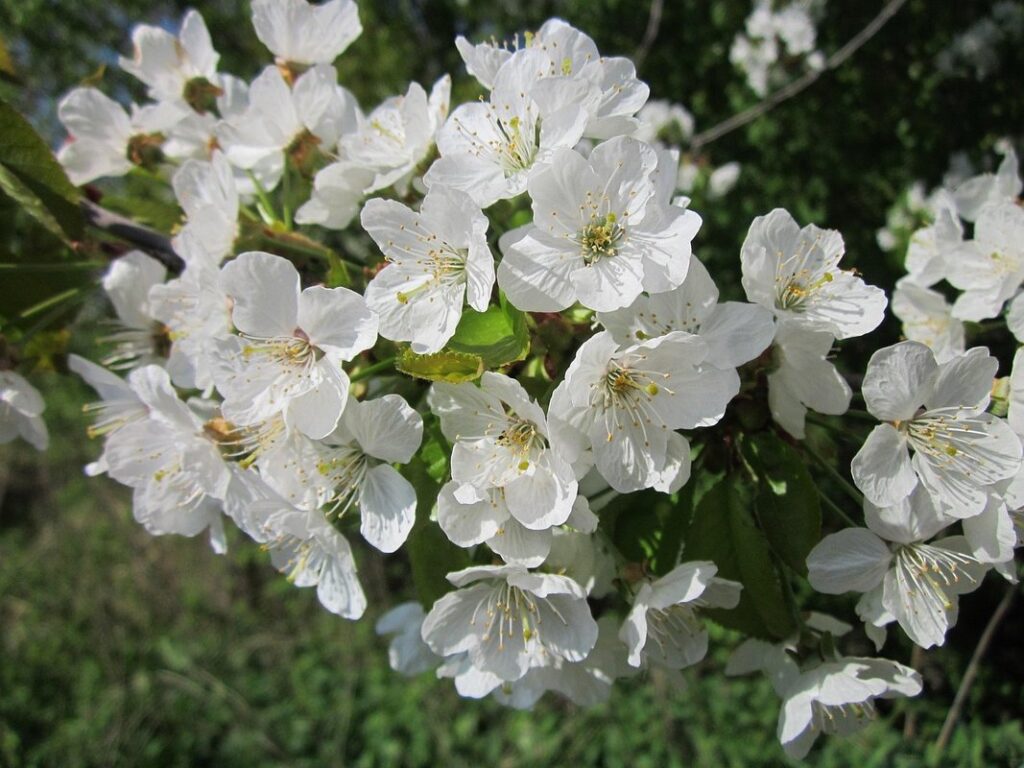
Another unique feature of dwarf weeping cherry trees is their stunning weeping branches. These delicate branches cascade downwards, creating a beautiful display of pink or white blooms in the spring. The flowers are often described as “pom-pom” like, adding to the tree’s charm. When planted en masse, dwarf weeping cherry trees create a breathtaking display of color and texture.
Planting dwarf weeping cherry trees is also a great way to add vibrancy to your garden. Their blooms attract pollinators like bees and butterflies, while their foliage provides a pop of color throughout the growing season. With proper care, these trees can thrive in a variety of conditions, making them an excellent choice for small-space gardening.
Why Choose Dwarf Weeping Cherry Trees?
Dwarf weeping cherry trees offer numerous advantages over other varieties, making them an attractive choice for homeowners and gardeners alike. One of the primary benefits is their compact size, which allows them to thrive in smaller spaces such as patios, courtyards, or even containers. This space-saving feature makes them ideal for urban gardens where land is limited.
Another significant advantage is their low maintenance requirements. Dwarf weeping cherry trees are relatively easy to care for and can tolerate a range of soil conditions, making them perfect for busy gardeners who don’t have the time to dedicate to extensive pruning or fertilization. Furthermore, these trees provide year-round interest with their delicate white flowers in spring and vibrant red foliage in autumn.
In fact, studies have shown that dwarf weeping cherry trees can add significant value to a property, increasing its curb appeal and potentially even boosting its resale value. By choosing one of these stunning trees, you’ll not only enhance your outdoor space but also create a beautiful focal point for years to come.
Planting and Care
To grow a healthy and thriving dwarf weeping cherry tree, proper planting and care techniques are essential. This includes selecting the right location, preparing the soil, and providing regular maintenance.
Preparing the Soil for Your Dwarf Weeping Cherry Tree
When planting a dwarf weeping cherry tree, it’s essential to prepare the soil properly to ensure the tree thrives. The first consideration is pH levels; most cherry trees prefer slightly acidic to neutral soil with a pH between 6.0 and 7.0. If your soil is too alkaline or acidic, you may need to adjust it before planting.
Another crucial factor is nutrient requirements. Cherry trees benefit from well-draining, fertile soil rich in organic matter. Test your soil to determine its nutrient levels, and amend it with compost or fertilizers as needed. Adequate drainage is also vital; cherry trees don’t like standing water, which can lead to root rot and other issues.
To improve drainage, you can add organic matter like peat moss or perlite to the soil. You can also create a raised bed or mound to elevate the tree’s roots above potential waterlogged areas. By getting your soil conditions right, you’ll give your dwarf weeping cherry tree the best chance to grow and flourish.
Consider mixing in 2-3 inches of compost before planting to provide an immediate boost of nutrients. This will help your tree establish a strong root system from the start.
Watering and Fertilization Needs
When it comes to watering and fertilizing your dwarf weeping cherry tree, it’s essential to get it right. These young trees require consistent moisture, especially during their first year of growth. Water them deeply once or twice a week, depending on weather conditions, making sure the soil is moist but not waterlogged. As they mature, you can gradually reduce watering to about once a month during dry spells.
As for fertilization, use a balanced, slow-release fertilizer in early spring and again in mid-summer. Look for a formula with an N-P-K ratio of 10-10-10 or 20-20-20. This will provide your tree with the necessary nutrients to promote healthy growth and blooming. Avoid over-fertilizing, as this can damage young roots.
Pruning is also crucial for maintaining the shape and promoting new growth. Prune in late winter or early spring, removing any dead, diseased, or damaged branches. Cut back branches that are too long, aiming for a slightly more open, weeping shape. This will encourage your tree to produce more flowers and maintain its signature cascading effect.
Growth and Maintenance
To keep your dwarf weeping cherry tree thriving, it’s essential to understand its growth patterns and how regular maintenance can promote healthy development. Regular pruning is a crucial part of this process.
Pruning Techniques for Optimal Growth
Pruning is an essential part of maintaining a dwarf weeping cherry tree’s optimal growth and continued blooming. Regular pruning not only promotes healthy growth but also encourages the production of new flowers and branches. When it comes to pruning, timing is crucial for these trees.
The best time to prune a dwarf weeping cherry tree is during its dormant season, typically in late winter or early spring. Avoid pruning in the fall, as this can encourage new growth that may not have enough time to harden off before winter. Prune only what’s necessary, removing any dead, diseased, or damaged branches.
To maintain your tree’s weeping habit, prune lower branches to about 6-8 inches from the ground to prevent them from becoming too long and unruly. Remove any crossing branches that rub against each other, as this can cause damage and promote disease. Use clean, sharp pruning tools to make cuts just above a bud or lateral branch, and always make clean cuts at a 45-degree angle.
Regular maintenance will help your dwarf weeping cherry tree maintain its beautiful shape and continue to thrive throughout the growing season.
Common Problems and Solutions
As you continue to care for and nurture your dwarf weeping cherry tree, you may encounter some common problems that can affect its health and beauty. One of the most prevalent issues is pests, such as aphids, scales, or spider mites. These tiny creatures can feed on the sap of your tree, causing damage and discoloration.
To address pest infestations, inspect your tree regularly for any signs of bugs or eggs. Use a gentle soap solution to wash away soft-bodied insects like aphids or whiteflies. For more resilient pests like scales or spider mites, try using neem oil or insecticidal soap. Always follow the product instructions and take necessary precautions to avoid harming yourself, pets, or other plants.
Another common problem is disease, which can be caused by overwatering, poor air circulation, or fungal spores in the soil. Fungal diseases like powdery mildew or root rot can be devastating if left unchecked. To prevent disease, ensure good air circulation around your tree and avoid overwatering. If you notice any symptoms of disease, prune affected branches promptly to prevent spread.
Regular pruning also helps maintain your dwarf weeping cherry’s shape and encourages new growth. Be mindful not to over-prune, as this can cause stress and make the tree more vulnerable to pests and diseases. Instead, remove only what is necessary to promote healthy development and keep your tree looking its best.
History and Cultivation
The Dwarf Weeping Cherry Tree has a rich history that dates back centuries, originating from traditional Japanese gardens where it’s still highly prized today. Here, we’ll explore its origins and share expert tips on cultivating this beautiful tree in your own backyard.
Origins and History of Cherry Trees
Cherry trees have a rich and fascinating history that spans thousands of years. Their origins can be traced back to East Asia, where they were first cultivated over 2,000 years ago. In China, Japan, and Korea, cherry blossoms are not only a symbol of beauty but also of the arrival of spring. The Japanese, in particular, have a deep cultural connection with these trees, with many festivals and traditions centered around their blooming.
Cherry trees were introduced to Europe by Roman travelers who returned from their journeys with exotic plants and stories of their wonders. From there, they spread throughout the continent, becoming popular ornamental plants in gardens and parks. The first written records of cherry cultivation in Europe date back to the 8th century, where they were grown for both their fruit and flowers.
As these trees were introduced to new regions, selective breeding led to the development of various species, including the dwarf weeping cherry tree. This compact variety is a favorite among gardeners due to its beautiful, flowing branches and vibrant blooms.
Breeding and Selection of Dwarf Varieties
When it comes to breeding and selecting dwarf varieties of weeping cherry trees, nurseries and tree breeders prioritize specific characteristics. Growth rate is a key factor, as slower-growing trees are often preferred for small gardens or spaces with limited room for expansion. This controlled growth ensures the tree doesn’t outgrow its designated area, making maintenance easier.
Another crucial aspect is flower color, as some growers desire vibrant pink flowers while others prefer softer hues. Disease resistance is also vital to ensure that dwarf weeping cherry trees remain healthy and free from common issues like powdery mildew or root rot. Some popular varieties, such as ‘Kojo-no-mai’ and ‘Shirofudin’, offer a balance between these factors.
Growers may select specific traits using techniques like grafting, which allows for more precise control over growth habits and flower color. By combining traditional breeding methods with modern technology, growers can develop new dwarf varieties that meet various needs.
Uses and Decorative Potential
This charming tree offers a multitude of uses, from adding ornamental value to your yard to providing beautiful blooms in spring. Let’s explore its many practical applications.
Landscape Design Ideas Featuring Dwarf Weeping Cherry Trees
When incorporating dwarf weeping cherry trees into your landscape design, consider their unique characteristics and versatility. These ornamental trees are perfect for adding a touch of elegance and fragrance to small gardens, patios, and courtyards.
For added visual interest, pair dwarf weeping cherry trees with low-maintenance companion plants like boxwood hedges or Japanese maples. This harmonious combination will create a stunning focal point in your garden. For example, plant a row of three to five dwarf weeping cherry trees along a walkway or border, and intersperse them with compact shrubs like lavender or rosemary.
Group plantings can also be used to create a dramatic effect. Plant multiple dwarf weeping cherry trees together, spaced about 6-8 feet apart, to form a stunning canopy. To add depth and texture, include ornamental grasses, succulents, or groundcovers around the base of the trees. This will not only create a visually appealing landscape but also provide year-round interest with varying foliage colors and textures.
Indoor and Container Planting Options
If you’re short on outdoor space or want to bring some life to an indoor room, consider growing your dwarf weeping cherry tree in a container or indoors. This allows for greater flexibility and control over the tree’s environment.
Growing a dwarf weeping cherry tree in a large container (at least 14-16 inches deep) can provide similar benefits to planting one directly in the ground. Ensure the pot has good drainage holes, as these trees don’t like wet feet. Use a high-quality potting mix and fertilize regularly during the growing season.
Indoor growing presents more challenges, but with careful planning, you can still succeed. Choose a large container or hanging basket that allows for root growth, and place it near an east- or west-facing window to provide adequate light. Keep in mind that indoor conditions often lack air circulation, which can lead to disease issues. Monitor your tree’s health closely and take action promptly if any problems arise.
If you do decide to bring your dwarf weeping cherry tree indoors, be prepared for a period of adjustment as it adjusts to the new environment. This may involve some leaf drop or other symptoms, but with proper care and patience, your tree should thrive in its new home.
Propagation and Availability
To ensure you can enjoy your new dwarf weeping cherry tree for years to come, let’s explore how it’s propagated and made available for planting. We’ll cover its cultivation methods in detail.
Propagating Dwarf Weeping Cherry Trees from Cuttings
Propagating dwarf weeping cherry trees from cuttings is an excellent way to multiply these beautiful trees without spending a fortune on new ones. If you’re interested in trying this method, follow the steps below to increase your chances of success.
To begin with, gather fresh stem cuttings from a mature dwarf weeping cherry tree during its dormant season (winter or early spring). Choose healthy branches with at least two sets of leaves, as these will be used to form new roots. Using pruning tools, take 6-8 inch long cuttings, making sure each one has a small node (where a leaf meets the stem) just below the top set of leaves.
Next, prepare your rooting medium by mixing equal parts peat moss and perlite in a container. Dip the lower end of each cutting into rooting hormone powder to stimulate root growth. Then, plant the cuttings 2-3 inches deep into the prepared medium, firming the soil gently around them. Water thoroughly and maintain consistent moisture levels until roots develop.
Keep your newly planted cuttings in a warm location (around 65°F to 75°F) with bright, indirect light, but avoid direct sunlight which can cause scorching. Roots should start developing within 2-3 weeks, after which you can transplant the new trees into individual pots or directly into the ground.
Where to Buy and Sources for Dwarfs Weeping Cherry Trees
If you’re interested in bringing a beautiful and unique addition to your garden, dwarf weeping cherry trees are available from various reputable sources. When searching for a nursery or online retailer that sells these trees, consider checking with local nurseries first. They often have a wide selection of plant species, including dwarfs, and knowledgeable staff can provide advice on tree care.
Online retailers such as Nature Hills, Brighter Blooms, and The Tree Center offer a variety of dwarf weeping cherry tree cultivars for purchase. These websites typically allow you to filter by plant size, hardiness zone, and other factors to find the perfect tree for your needs.
Specialty stores that focus on Japanese or Asian-themed gardens may also carry dwarf weeping cherry trees. For example, in warmer climates with USDA zones 6-9, you can visit local nurseries that specialize in oriental-style plants. When purchasing a tree from any source, make sure to check the tree’s hardiness zone and ensure it is suitable for your region.
Frequently Asked Questions
Can I grow a dwarf weeping cherry tree in a container on my balcony?
Yes, you can grow a dwarf weeping cherry tree in a large container (at least 24-36 inches deep and wide) with good drainage holes. Make sure the potting mix is well-draining and contains organic matter to support healthy root growth. Water regularly but avoid overwatering.
How often do I need to prune my dwarf weeping cherry tree for optimal growth?
Prune your dwarf weeping cherry tree in late winter or early spring, removing any dead or diseased branches. Also, trim back the tips of new shoots after they’ve reached 12-18 inches tall to encourage branching and a fuller shape.
Can I plant multiple dwarf weeping cherry trees together for a stunning display?
Yes, you can plant multiple dwarf weeping cherry trees together to create a breathtaking display. Space them about 6-8 feet apart to allow for proper air circulation and growth. Make sure to choose trees of similar maturity and size to ensure they grow evenly.
How do I protect my dwarf weeping cherry tree from extreme weather conditions?
Protect your dwarf weeping cherry tree from harsh winds, frost, and intense sunlight by planting it in a location that provides some shade during the hottest part of the day. Also, water regularly during dry spells, and mulch around the base to retain moisture and suppress weeds.
Can I propagate my dwarf weeping cherry tree through layering or grafting?
Yes, you can propagate your dwarf weeping cherry tree through layering in the summer or fall by bending a branch down to the ground and securing it with a rock or wire. Leave it there until roots develop, then cut the stem below the node. Grafting is also possible but requires more expertise; consult a local nursery or expert for guidance.