
Are you ready to add a pop of color and elegance to your garden with Dutch irises? These beautiful flowers are a favorite among gardeners, but they can be finicky to grow. That’s why we’re sharing our expert tips on planting and caring for Dutch irises, from selecting healthy bulbs to post-planting care. If you’ve ever struggled to get these gorgeous blooms to thrive in your yard, don’t worry – we’ve got you covered. In this article, we’ll walk you through the step-by-step process of growing Dutch iris flowers, including troubleshooting common issues that can arise. By the end of this guide, you’ll be a pro at cultivating stunning Dutch irises that will bring joy and beauty to your garden for years to come.
Choosing the Right Location
When it comes to planting Dutch iris, the location you choose can make all the difference. Let’s explore the key factors to consider when selecting a spot for your bulbs.
Understanding Light Requirements
When it comes to growing Dutch irises, understanding light requirements is crucial for optimal blooming and healthy growth. These beautiful flowers thrive in areas with full sun to partial shade, depending on the climate you’re in.
In general, Dutch irises require at least 6 hours of direct sunlight per day to produce vibrant blooms. However, if your area receives intense sunlight, it’s essential to provide some afternoon shade to prevent scorching of the flowers and foliage. Conversely, if your location is shadier, consider moving the plants to a sunnier spot or supplement with grow lights.
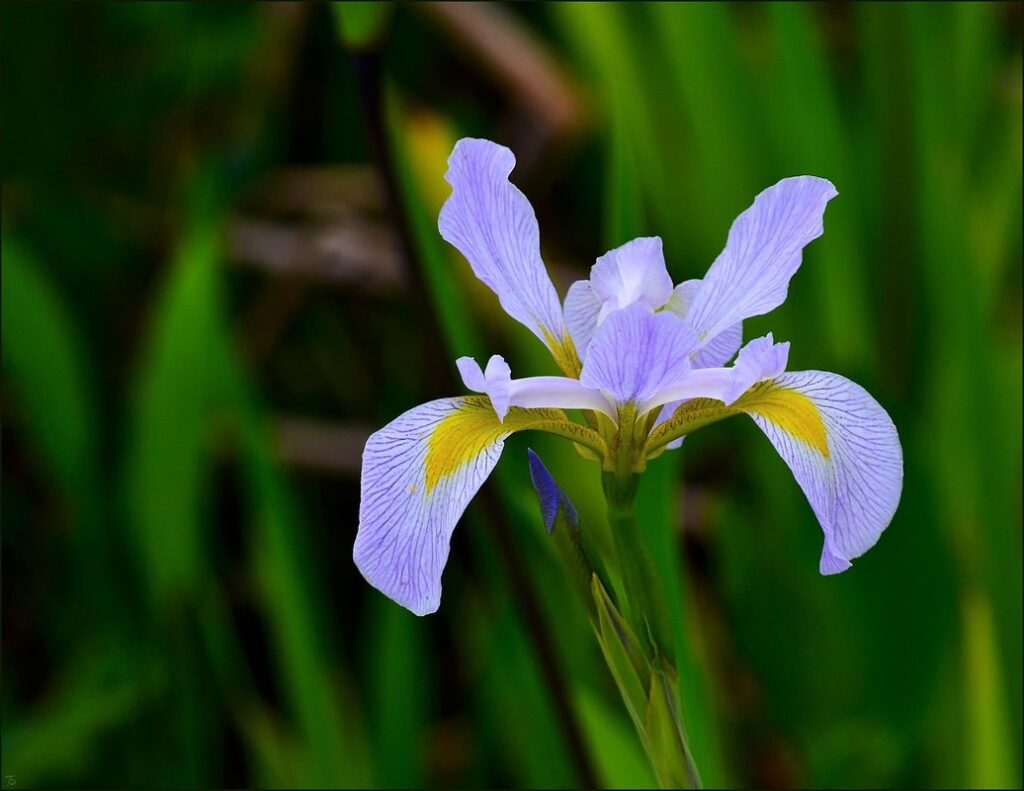
When selecting a location for your Dutch irises, look for a spot that receives morning sunlight and dappled afternoon shade. This balance will help regulate water loss and promote healthy growth. Avoid areas with dense foliage or buildings that may block light from reaching the plants. With proper light placement, you’ll be rewarded with stunning blooms in shades of blue, yellow, white, and purple.
Soil Preparation 101
When it comes to planting Dutch irises, having well-draining soil is essential. Waterlogged soil can lead to root rot and other issues that may harm your plants. To prepare your soil for Dutch iris planting, start by removing any debris or rocks from the area.
If your soil is heavy clay or tends to retain water, consider adding organic matter like compost or well-rotted manure. This will help improve drainage and aeration in the soil. Mix 2-3 inches of compost into the top 6-8 inches of soil before planting.
You may also want to test your soil pH and adjust it if necessary. Dutch irises prefer slightly acidic to neutral soil with a pH between 6.0 and 7.0. If your soil is too alkaline, add elemental sulfur or peat moss to lower the pH.
Avoid using regular garden fertilizers as they can promote weak growth and lead to overwatering issues. Instead, use a low-nitrogen fertilizer like bone meal or fish emulsion to provide nutrients without promoting excessive vegetative growth.
Preparing the Bulbs
Before you start planting, make sure to carefully select and prepare your Dutch iris bulbs for optimal growth and blooming. This involves a few essential steps to get them ready.
Selecting Healthy Bulbs
When selecting healthy Dutch iris bulbs for planting, it’s essential to look for certain characteristics that will ensure optimal growth. First and foremost, choose bulbs that are firm and free of signs of mold or mildew. Avoid bulbs with visible cracks, soft spots, or an unpleasant odor. Healthy bulbs should be plump and have a papery, dry tunic.
To spot healthy bulbs, inspect them for any green or sprouting eyes. These eyes indicate new growth and should be slightly raised above the surface of the bulb. Check the weight of the bulbs too – they should feel heavy for their size. Avoid bulbs that are unusually light or feel hollow inside.
It’s also a good idea to select bulbs that have been grown in cooler temperatures, as this will help them adapt better to your climate. Consider purchasing from reputable suppliers who specialize in Dutch iris bulbs. When selecting multiple bulbs, try to choose ones with different bloom times to extend the flowering season.
Storage and Handling
Proper storage and handling of Dutch iris bulbs is crucial to ensure they remain healthy and viable for planting. Before storing, gently brush off any excess soil from the bulbs to prevent moisture buildup, which can lead to rotting. Place the bulbs in a dry, cool location with good air circulation, such as an unheated garage or shed.
It’s essential to keep the bulbs away from direct sunlight and moisture. A temperature between 40°F to 50°F (4°C to 10°C) is ideal for short-term storage. If you plan to store the bulbs for an extended period, consider using a breathable container like paper bags or mesh bags to prevent moisture buildup.
When storing, it’s also important to keep the bulbs in a single layer, not stacked on top of each other. This will help prevent damage and ensure that all bulbs receive adequate air circulation. Regularly inspect your stored bulbs for signs of rotting or mold. If you notice any issues, immediately separate the affected bulb from the rest.
By following these storage guidelines, you’ll be able to keep your Dutch iris bulbs healthy until planting time.
Planting the Bulbs
Now that you’ve prepared a suitable location and soil for your Dutch iris, it’s time to plant the bulbs. This is the most crucial part of the process.
Depth and Spacing Guidelines
When planting Dutch iris bulbs, it’s essential to pay attention to depth and spacing guidelines. This will ensure proper air circulation and growth for a healthy and thriving bulb.
Plant the bulbs 3-4 inches deep, with the pointed end facing up. If you’re planting in a bed where other flowers or foliage is present, make sure to leave about 6-8 inches of space between each Dutch iris bulb. This will give them room to grow without overcrowding.
If you’re planting in containers, use a pot that’s at least 6-8 inches deep to accommodate the depth requirements. Leave about 3-4 inches between each bulb to allow for air circulation and growth.
Keep in mind that Dutch irises prefer well-draining soil and full sun to partial shade conditions. Planting them too shallow or overcrowding can lead to rot, disease, and reduced blooming potential.
Planting in Different Seasons
When planting Dutch irises, timing is crucial to ensure they thrive in various regions. In warmer climates with mild winters, Dutch irises can be planted as soon as the soil has cooled down after summer. This typically falls between September and November. However, in cooler or frost-prone areas, it’s essential to wait until spring when the ground has warmed up and the threat of frost has passed.
In regions with extreme temperatures or harsh winters, Dutch irises may need to be planted in early fall (September-October) to give them a head start before winter sets in. This allows the bulbs to establish themselves underground while the soil is still warm. Conversely, if you live in an area with mild winters and no frost, you can plant Dutch irises in late winter to early spring (February-March), as soon as the soil has thawed.
When selecting planting times, also consider the weather conditions in your region. Avoid planting during periods of heavy rain or extreme heat, as this can cause the bulbs to rot or become vulnerable to disease. Instead, opt for a window with gentle rainfall and moderate temperatures. This will help ensure that your Dutch irises receive the best possible start in life.
Post-Planting Care
Now that you’ve planted your Dutch iris bulbs, it’s time to focus on their post-planting care, ensuring they establish strong roots and produce beautiful blooms. Proper care will yield a stunning display of vibrant flowers.
Watering Techniques
After planting your Dutch irises, it’s essential to establish a consistent watering routine. This will help them develop strong roots and bloom beautifully throughout the growing season. When it comes to watering, more is not always better – overwatering can be detrimental to your iris plants.
As a general rule of thumb, water your newly planted Dutch irises once or twice a week during the first month after planting. As the weather warms up, you may need to increase this frequency. However, avoid getting too much water on the leaves and flowers, as this can lead to rot and other issues. Instead, focus on watering at the base of the plant, allowing the soil to absorb the moisture.
Aim for about 1-2 gallons of water per plant, depending on the size of your iris and the dryness of the surrounding soil. Monitor your plants’ response to this schedule, adjusting as needed based on factors like temperature, humidity, and rainfall. Remember, it’s better to err on the side of caution and underwater slightly than to risk overwatering and damaging your beautiful Dutch irises.
Fertilization Schedule
To keep your Dutch irises thriving, it’s essential to follow a fertilization schedule that meets their specific needs. These plants are heavy feeders and require a balanced diet of nutrients to produce vibrant blooms and strong growth.
When choosing a fertilizer for your Dutch irises, opt for a slow-release, granular or pelletized formula specifically designed for bulbs or flowering perennials. Avoid using high-nitrogen fertilizers as they can promote weak, leggy growth at the expense of blooms. Instead, look for products that contain phosphorus and potassium to support root development and flower production.
Apply a balanced fertilizer (such as 10-10-10 NPK) in early spring when new growth emerges from the bulb. Repeat this application after blooming has finished, around late summer or early fall. You can also use a low-nitrogen, high-potassium fertilizer during the blooming period to promote vibrant flowers and prevent stalks from becoming leggy.
Keep in mind that over-fertilization can harm your Dutch irises, so follow the manufacturer’s instructions carefully and avoid over-applying fertilizers to avoid burning your plants’ roots.
Troubleshooting Common Issues
We know that things don’t always go as planned, and sometimes Dutch iris planting can be tricky. Let’s address some common issues you might encounter during the process.
Dealing with Pests and Diseases
Dealing with pests and diseases is an unfortunate reality when growing Dutch irises. One of the most common pests to affect these beautiful flowers are aphids, which can be identified by their small, soft bodies and sticky honeydew droplets on the leaves. To control an aphid infestation, use a strong spray of water to dislodge them from the plant, followed by insecticidal soap or neem oil.
Slugs and snails can also cause significant damage to Dutch irises, particularly at night when they’re most active. To prevent this, place copper tape around the planters or use crushed eggshells on top of the soil as a deterrent. Regularly inspect your plants for any signs of infestation and take prompt action if you notice any issues.
Root rot is another common issue that can arise from overwatering or poor drainage. Be sure to check the roots regularly, looking for any soft or mushy areas. If you do encounter root rot, carefully remove the affected sections and repot the iris in fresh soil with improved drainage.
Regularly inspect your plants for any signs of pests or diseases, taking prompt action if necessary. By staying vigilant and using these preventative measures, you can help ensure your Dutch irises remain healthy and thriving throughout their growing season.
Addressing Growth Problems
If you notice that your Dutch iris plants are not growing at their usual pace, it’s essential to address growth problems promptly. Slow growth can be caused by inadequate sunlight, poor soil quality, or insufficient watering.
To resolve this issue, start by inspecting the plant’s environment. Ensure that it is receiving at least six hours of direct sunlight per day and that the soil has good drainage properties. If you suspect overwatering, reduce the frequency of watering to once a week during the growing season.
Another common problem with Dutch irises is deadheading, which refers to removing spent flower stalks to promote new blooms. To encourage repeat flowering, snip off the dead flower stalk about an inch above the foliage after blooming has finished. This will direct the plant’s energy towards producing more flowers instead of seed production.
Regular monitoring and maintenance can help prevent growth problems and ensure a healthy, thriving Dutch iris plant.
Frequently Asked Questions
Can I grow Dutch irises in containers?
Yes, you can grow Dutch irises in containers, but make sure the pot is at least 6-8 inches deep to accommodate the bulbs’ depth requirements. Use a well-draining potting mix and follow the same planting and care instructions as for garden beds.
How do I know if my Dutch iris bulbs are healthy?
Healthy Dutch iris bulbs should have firm, plump scales with no signs of mold or rot. Look for bulbs that are free from cracks, cuts, or soft spots, and check for any pests like mice or insects before storing them over winter.
What’s the best time to divide and replant Dutch irises?
The best time to divide and replant Dutch irises is after they’ve finished blooming in late spring. This allows you to separate the new offsets from the mother bulb, giving both a chance to establish themselves for next year’s blooms.
Can I grow Dutch irises in areas with extreme weather conditions?
Yes, but with extra care. In areas prone to strong winds, provide support for the stalks and flowers using stakes or a trellis. For regions with intense heat or cold, choose a location that offers some protection from the elements, like a spot near a building or under a tree.
How long does it take for Dutch irises to bloom after planting?
Dutch irises typically take 2-3 years to produce blooms after planting, assuming proper care and conditions. Keep in mind that some varieties may take longer than others, so be patient and enjoy the process of watching your bulbs establish themselves.