
Drying your own herbs at home is a game-changer for any gardener or cooking enthusiast. Not only does it allow you to preserve the freshness of your harvest, but it also saves you money and ensures that your herbs retain their optimal flavor and aroma. However, drying herbs can be a bit tricky if you don’t know where to start. With so many methods and techniques out there, it’s easy to get overwhelmed. That’s why we’ve put together this comprehensive guide on how to dry herbs at home.
In this article, we’ll cover everything from choosing the right herbs for drying to different methods of drying and storage tips for optimal flavor retention. Whether you’re a seasoned gardener or just starting out, our step-by-step guide will walk you through the process with ease. By the end of it, you’ll be equipped with the knowledge and skills needed to dry your own herbs like a pro!
Choosing the Right Herbs
When it comes to drying herbs, choosing the right ones is crucial, so let’s start by selecting a variety that suits your climate and desired flavor profile. This will ensure a successful harvest.
Understanding Herb Drying Requirements
When it comes to drying herbs, not all types are created equal. Different herbs have unique requirements when it comes to moisture content and handling methods. Delicate herbs like basil, mint, and chamomile are particularly sensitive to heat and light, making them more challenging to dry than robust herbs like thyme, rosemary, and sage.
For delicate herbs, air drying is often the best method. This involves tying the stems together in small bunches and hanging them upside down in a warm, dry, dark place. The goal is to maintain a consistent temperature between 60-70°F (15-21°C) and humidity levels below 50%. You can also use a food dehydrator or a desiccant to help speed up the process.
Robust herbs, on the other hand, can withstand higher temperatures and longer drying times. They can be dried using various methods, including air drying, oven drying, or even microwave drying (though this method requires careful monitoring). When handling robust herbs, it’s essential to remove any excess moisture from the leaves by gently patting them with a paper towel.
Ultimately, understanding the specific drying requirements of your herbs will ensure optimal preservation and retention of their flavor, aroma, and nutritional value. By taking the time to research and select the right method for each type of herb, you’ll be rewarded with delicious, long-lasting flavors in your cooking and herbal remedies.
Preparing Herbs for Drying
To prepare herbs for drying, it’s essential to start with fresh, high-quality material. Harvest your herbs at the peak of their flavor and aroma, usually early in the morning after the dew has dried but before the heat of the day. Use scissors or pinch off individual leaves to avoid damaging the stems.
Cleaning is a crucial step to remove any dirt, debris, or excess moisture that can compromise the drying process. Gently rinse your herbs with cool water, and then pat them dry with a paper towel or clean cloth to remove excess moisture. Excess moisture can lead to mold or spoilage, so it’s essential to get this step right.
To optimize flavor retention, consider the following tips: trim the stems of woody herbs like rosemary and thyme to about 1-2 inches in length; tie bundles of delicate herbs like mint and basil with kitchen twine; and dry flowers like lavender and chamomile separately from leafy herbs. This will ensure even drying and prevent any potential bitterness or loss of flavor. By following these steps, you’ll be well on your way to preserving the full flavor and aroma of your herbs for months to come.
Methods for Drying Herbs
When it comes to preserving fresh herbs, drying is a simple yet effective method that requires minimal equipment. In this section, we’ll explore various methods for drying herbs at home.
Air Drying: The Simplest Method
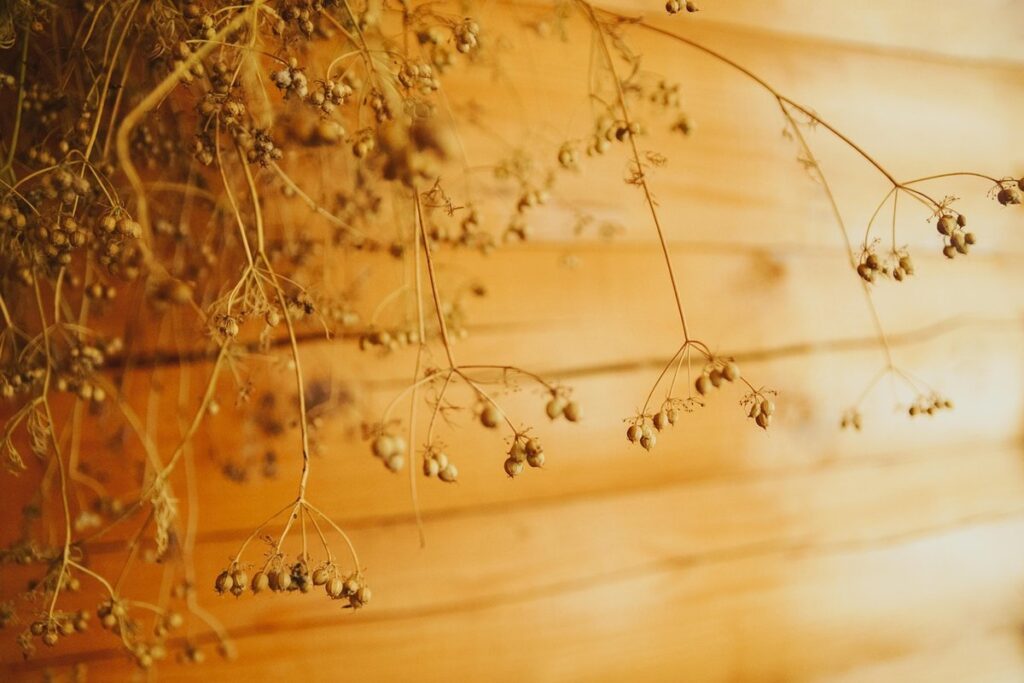
Air drying is one of the simplest and most cost-effective methods for drying herbs. It’s perfect for small batches or when you don’t have access to specialized equipment. To air dry herbs, start by tying them in small bunches with twine or rubber bands. This will help keep the stems together and prevent the leaves from falling off.
Hang the herb bundles upside down in a warm, dry, dark place with good air circulation. A basement or a cupboard with a window works well. Ensure that the herbs are not touching each other or any surfaces to prevent moisture transfer. It’s essential to maintain air circulation around the herbs to speed up the drying process.
The drying time will vary depending on the herb type and humidity level in your environment. Generally, it takes 1-2 weeks for herbs like basil and mint to dry completely. Store the dried herbs in airtight containers to preserve their flavor and aroma. Keep them away from direct sunlight and moisture to prolong their shelf life.
Remember to check on the herbs daily to ensure they’re drying evenly and not developing mold or mildew. By following these simple steps, you can successfully air dry your herbs without breaking the bank.
Dehydrating with Machines: Speed and Efficiency
Using a dehydrator or food dryer can significantly speed up the drying process and make it more efficient. These machines use controlled heat and air circulation to evaporate moisture from the herbs, resulting in faster drying times compared to air-drying methods.
One of the main benefits of using a dehydrator is its ability to dry herbs uniformly and consistently. This means that your dried herbs will retain their flavor, aroma, and color better than those dried through other methods. For example, if you’re drying basil, a dehydrator can preserve its vibrant green color and pungent scent.
When choosing the right settings for your dehydrator, it’s essential to consider the type of herb being dried. Most herbs require temperatures between 95°F (35°C) and 105°F (40°C), with some requiring higher or lower temperatures depending on their water content. For instance, delicate herbs like mint and parsley should be dried at a lower temperature to prevent damage.
To get the most out of your dehydrator, ensure that it’s well-ventilated, and keep an eye on the herbs’ moisture levels. Typically, dehydrators have multiple trays or shelves, allowing you to dry different batches simultaneously. This feature makes it easy to manage large quantities of herbs and ensures even drying throughout.
When using a dehydrator, it’s crucial to monitor the drying process closely to avoid over-drying or under-drying. A general rule is to check on the herbs every 6-8 hours, depending on their moisture content and desired level of dryness. Keep in mind that different herbs require varying levels of dryness for optimal flavor and shelf life.
In terms of maintenance, dehydrators are relatively easy to clean and maintain, with most models having dishwasher-safe parts or a detachable crumb tray. This makes it simple to keep your machine in good working condition and extend its lifespan.
Some popular brands of dehydrators include Excalibur, NutriBullet, and LEM. These machines come with various features like temperature control, timer settings, and multiple trays, making them suitable for both small-scale and large-scale herb drying operations.
While dehydrators offer numerous benefits, they also have some drawbacks to consider. For instance, the initial investment in a high-quality dehydrator can be substantial, ranging from $50 to over $200, depending on the model and features. Additionally, some users may find that using a dehydrator requires more energy consumption compared to air-drying methods.
Overall, using a dehydrator or food dryer is an efficient way to dry herbs quickly and consistently. With its benefits of speed, uniformity, and controlled temperature, this method is perfect for those who want to save time while preserving the quality of their herbs.
Oven Drying: A Reliable Alternative
Oven drying is an effective and reliable method for preserving herbs, offering a controlled environment to remove moisture. To oven dry herbs, preheat your oven to its lowest temperature setting (usually around 150-200°F). Line a baking sheet with parchment paper or a silicone mat, and spread the fresh herb leaves out in a single layer. You can also dry small bunches of herbs by tying them together with kitchen twine.
Monitor the temperature closely to prevent overheating, which can cause herbs to burn or become bitter. Check on the herbs every 30 minutes to ensure they’re not overdrying. It’s crucial to maintain even air circulation around the leaves to facilitate moisture evaporation.
A general rule of thumb is to dry herbs for 1-2 hours for delicate herbs like basil and mint, while tougher herbs like rosemary and thyme may require longer drying times (up to 3-4 hours). Keep an eye on the herbs’ color and texture – they should remain vibrant and retain their aroma. Once dried, store the oven-dried herbs in airtight containers to preserve their flavor and fragrance.
Advanced Techniques for Preserving Freshness
To take your herb-drying skills to the next level, we’ll explore advanced techniques that ensure freshness is preserved long after drying. This includes air circulation and temperature control methods.
Infused Oils and Vinegars
Creating infused oils and vinegars is an excellent way to preserve the flavor and aroma of dried herbs. By infusing these liquids with dried herbs, you can create a concentrated extract that captures the essence of the herb. This process not only extends the shelf life but also enhances the flavor profile.
To make infused oils, start by mixing 1-2 tablespoons of dried herbs with 8 ounces of neutral oil like olive or grapeseed in a clean glass jar. Store it in a cool, dark place and allow the mixture to steep for 2-3 weeks, shaking the jar every few days. Strain the oil through cheesecloth or a coffee filter into another container, discarding the solids.
For vinegars, combine 1 cup of dried herbs with 4 cups of vinegar (white wine, apple cider, or balsamic work well) in a clean glass bottle. Let it sit for 2-6 weeks, shaking occasionally, allowing the flavors to meld together. Strain and transfer to smaller bottles for storage.
These infused oils and vinegars are perfect for using as finishing touches on dishes, adding depth to sauces, and enhancing salad dressings.
Herb Butters and Salts
As you’ve mastered the art of drying herbs, it’s time to take your culinary creations to the next level by infusing them into butters and salts. These herb-infused accompaniments will not only elevate your dishes with their intense flavors but also add a touch of texture.
To make an herb butter, start by mixing softened butter (about 1/2 cup) with dried herbs (about 1 tablespoon). You can use any combination of herbs you like, such as thyme, rosemary, or oregano. For a Mediterranean twist, try pairing garlic and parsley for a savory flavor. Mix until the herbs are evenly distributed throughout the butter.
For herb salts, combine kosher salt with dried herbs (about 1 tablespoon) in a small bowl. You can mix in different types of herbs like dill, basil, or mint to create unique flavor profiles. Store your infused butters and salts in airtight containers at room temperature for up to two weeks. Use them as finishing touches on vegetables, meats, or breads to bring out the best flavors in your cooking.
Experiment with various combinations to find your favorite pairings and get ready to delight your taste buds!
Storage and Handling of Dried Herbs
Now that you’ve learned how to dry your herbs, let’s talk about storing them properly to preserve their flavor and aroma for a longer period. Proper storage will also help prevent spoilage.
Container Selection and Labeling
When it comes to storing dried herbs, selecting the right containers is crucial. Glass jars with tight-fitting lids are ideal, as they prevent light from entering and spoiling the herbs. Avoid using plastic containers, which can transfer chemicals to the herbs and affect their flavor.
For labeling, be specific about the herb’s name, date of drying, and any relevant notes (e.g., “sweet basil” or “dried for a medicinal purpose”). This information will help you keep track of your inventory and ensure that you use the oldest dried herbs first. Store containers in a cool, dry place, such as a pantry or cupboard.
When it comes to storing large quantities of dried herbs, consider using airtight containers with multiple compartments. These can be found online or at specialty kitchen stores. Always clean your containers thoroughly before filling them with dried herbs, and avoid overcrowding the containers to maintain air circulation.
Shelf Life and Reconstitution Tips
When it comes to using dried herbs in cooking, knowing their shelf life and reconstitution methods is crucial. Generally, properly stored dried herbs can last for 1-3 years, depending on the type of herb and storage conditions.
To determine if your dried herbs are still good, check for signs of spoilage such as mold, moisture, or a musty smell. If you notice any of these indicators, it’s best to err on the side of caution and discard the herbs.
When rehydrating dried herbs, use a gentle approach to prevent over-extraction of flavors. For every tablespoon of dried herbs, add 1-2 tablespoons of water or broth and let it sit for 5-10 minutes before using in recipes. You can also revive dried herbs by simmering them in a liquid such as oil or butter.
When using dried herbs in cooking, remember to adjust the amount according to recipe instructions, as they are more concentrated than fresh herbs. Also, consider freezing dried herbs for longer-term storage by placing them in an airtight container and storing in the freezer.
Tips and Tricks for Success
To get the most out of drying your herbs, we’ve gathered some insider tips and tricks that’ll take your dried herb game to the next level. Check them out below!
Common Mistakes to Avoid
When drying herbs, it’s easy to get caught up in the process and overlook some crucial signs that indicate over-drying or under-drying. One of the most common mistakes is to dry herbs for too long, leading to a loss of flavor, aroma, and nutritional value.
Over-drying can be identified by checking for brittleness, as dried herbs should still have some flexibility. If they snap easily or crumble at the slightest touch, it’s likely over-dried. On the other hand, under-dried herbs will appear damp or even wet, with a sticky texture.
To avoid these mistakes, regularly inspect your drying herbs and adjust the time as needed. Check on them every few hours to ensure they’re not too dry or too moist. A good rule of thumb is to aim for a moisture level between 10-15%. This will help preserve their flavor and aroma while maintaining their nutritional value.
Remember, it’s better to err on the side of caution and under-dry slightly than over-dry your herbs, as this can be more easily rectified by drying them further.
Frequently Asked Questions (FAQs)
Q: What’s the best way to dry herbs for optimal flavor and aroma preservation?
A: The best method depends on the herb type and personal preference. Air drying is a simple, low-cost option suitable for most herbs like basil, mint, and rosemary. For more delicate herbs like lavender or chamomile, it’s better to use desiccants or silica gel to prevent moisture absorption.
Q: Can I dry herbs in my oven?
A: Yes, but be cautious not to overheat the herbs. Preheat your oven to its lowest temperature setting (usually around 150°F). Place the herbs on a baking sheet lined with parchment paper and dehydrate for 1-2 hours, checking periodically to avoid overheating.
Q: How do I store dried herbs to maintain their potency?
A: Store dried herbs in airtight containers, like glass jars or mylar bags, away from direct sunlight. Keep them in a cool, dry place to prevent moisture absorption and degradation of the herb’s essential oils. Use a moisture-absorbing packet (like silica gel) if necessary.
Q: Can I dry herbs with other methods, such as using a food dehydrator?
A: Yes, food dehydrators are ideal for drying large quantities or sensitive herbs like parsley and cilantro. Adjust temperature settings according to the herb’s specific needs, typically between 95°F to 105°F. Monitor the herbs closely to avoid over-drying.
Q: How long does it take to dry herbs using different methods?
A: Air drying usually takes 1-2 weeks, while oven drying can be done in 1-2 hours. Food dehydrators are the fastest option, taking around 6-12 hours depending on the herb and machine settings.
Frequently Asked Questions
Can I dry herbs indoors if I don’t have a dedicated drying area?
Yes, you can definitely dry herbs indoors, but make sure to choose a well-ventilated space away from direct sunlight and heat sources. This will help prevent moisture buildup and promote even drying.
How do I know when my dried herbs are completely dry?
Check your dried herbs by cutting one of the stems in half. If it’s still green or feels damp, continue drying for another day or two. When they’re completely dry, they’ll crumble easily and have a matte finish.
What’s the best way to store dried herbs long-term?
Store dried herbs in airtight containers made from materials like glass or ceramic. Keep them away from light, moisture, and heat sources to preserve their flavor and aroma. Label each container with the herb name and date for easy identification.
Can I use a food dehydrator to dry herbs with high water content?
While some herbs can be dried using a food dehydrator, it’s essential to follow specific temperature guidelines for optimal drying results. Delicate herbs like basil and mint may require lower temperatures (95°F – 105°F) to prevent over-drying or burning.
How do I rehydrate dried herbs when cooking with them?
Reconstitute dried herbs by soaking them in water, broth, or oil according to the desired recipe. For example, you can steep dried herbs in olive oil for an infused herb butter. When using whole dried herbs, simply chop or crush them before adding to your dish.