
Dry garlic has long been a staple in many cuisines around the world, prized for its rich flavor and numerous health benefits. Not only does it add depth to various dishes, but it’s also packed with antioxidants that can help protect against cell damage and inflammation. However, using fresh garlic can be limiting due to its short shelf life and high moisture content, which makes it prone to spoilage.
In this article, we’ll delve into the world of dry garlic and explore its nutritional and culinary potential. We’ll discuss how preserving garlic through drying helps retain its antioxidants and make it easier to incorporate into our cooking routines. You’ll also learn about the different ways to use dry garlic in your favorite recipes, from savory sauces to flavorful marinades.
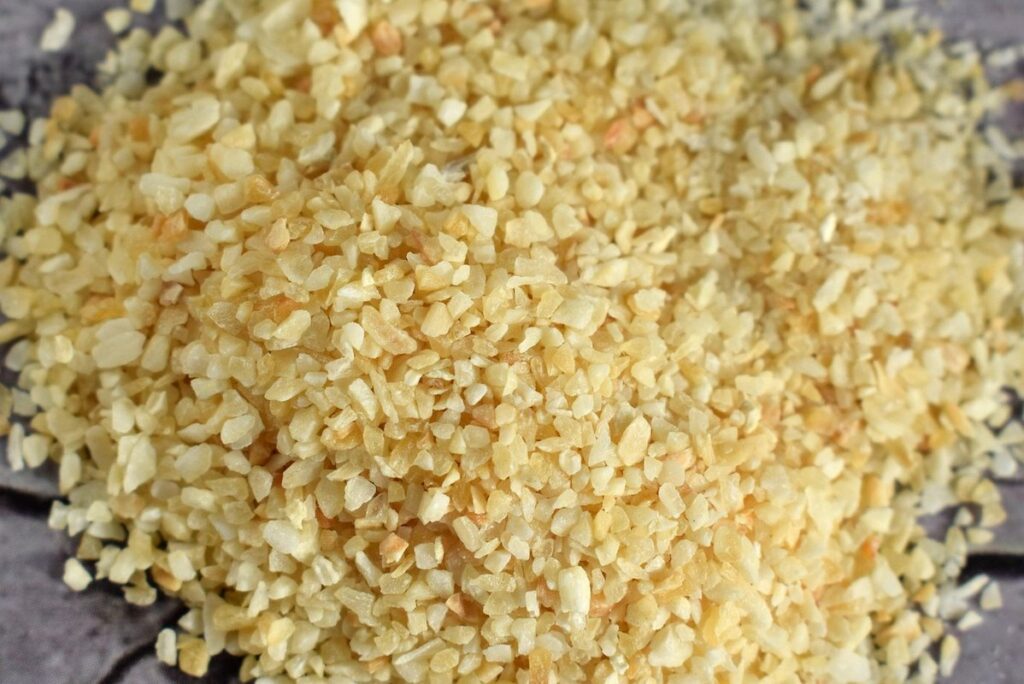
What is Dry Garlic?
Let’s dive right into the basics: what exactly is dry garlic, and how does it differ from its fresh counterpart. We’ll explore the simple yet fascinating facts behind this versatile ingredient.
The Difference Between Fresh and Dehydrated Garlic
Dehydrating garlic is a simple process that preserves the natural nutrients found in fresh garlic while extending its shelf life. The technique involves removing excess moisture from garlic cloves through heat, air circulation, or vacuum sealing. This method prevents bacterial growth and spoilage, allowing for long-term storage without refrigeration.
Compared to fresh garlic, dehydrated garlic offers several advantages. It is lighter, easier to store, and can be reconstituted as needed. In terms of nutritional value, dehydrating garlic helps retain more vitamins and minerals compared to cooking or freezing. Specifically, the drying process preserves around 90% of vitamin C content in fresh garlic.
However, it’s essential to note that over-processing can lead to a loss of certain nutrients. When choosing dehydrated garlic, look for products with minimal processing and no added preservatives. You can also rehydrate your own garlic at home by soaking it in water or broth before use. This way, you’ll retain the same nutritional benefits as fresh garlic while enjoying the convenience of dry storage.
The History of Drying Garlic for Preservation
Garlic has been a staple ingredient in many cuisines for thousands of years, and its preservation has been crucial for its long-term availability. The history of drying garlic dates back to ancient civilizations where food preservation was a matter of survival during times of scarcity or when fresh produce was hard to come by.
In ancient Egypt, around 3000 BC, people dried garlic in the sun to preserve it for later use. Similarly, in ancient Greece and Rome, garlic was dried and stored in containers to maintain its flavor and nutritional value throughout the year. The process was simple: garlic bulbs were sliced thinly, spread out on a surface, or hung from a rope, allowing the air to dry them completely.
The Roman cookbook “De Re Coquinaria” by Apicius contains recipes that use dried garlic, indicating its widespread use in ancient cooking. During World War I and II, drying garlic became an essential technique for preserving this vital ingredient. Today, we can replicate this method using our home ovens or dehydrators to enjoy dry garlic year-round.
Nutritional Benefits of Dry Garlic
Let’s dive into the fascinating world of dry garlic and explore how it packs a punch when it comes to providing essential nutrients for our bodies. You’ll be surprised at its health benefits!
High Concentration of Sulfur Compounds
When you dry garlic, the concentration of sulfur compounds increases significantly. This is because water-soluble compounds like ascorbic acid and polyphenols evaporate during the drying process, leaving behind the more stable sulfur-containing compounds.
These concentrated sulfur compounds are responsible for the pungent aroma and flavor of dried garlic. They also make it a potent source of antioxidants, which can help protect against cell damage and oxidative stress. Some studies suggest that the high concentration of sulfur compounds in dried garlic may have anti-inflammatory properties, potentially reducing inflammation and improving cardiovascular health.
For example, allicin, a key compound found in dried garlic, has been shown to reduce levels of C-reactive protein (CRP), a marker of inflammation. This makes dried garlic an excellent addition to meals for those looking to boost their antioxidant intake and support overall well-being. To maximize the benefits of dried garlic’s sulfur compounds, simply store it properly: keep it away from heat, light, and moisture, and consume it within six months.
Vitamin and Mineral Content
Dry garlic is an excellent source of essential vitamins and minerals that can significantly boost our overall health. One of its most notable features is its high concentration of vitamin C, which is crucial for a strong immune system and collagen production. A single tablespoon of dry garlic contains around 11% of the daily recommended intake of vitamin C, making it an ideal addition to your diet during cold and flu season.
In addition to vitamin C, dry garlic is also rich in vitamin B6, which plays a vital role in energy metabolism, nerve function, and heart health. One tablespoon of dry garlic provides around 10% of the daily recommended intake of vitamin B6. Other essential nutrients found in dry garlic include manganese, copper, potassium, and iron.
To reap the benefits of these nutrients, simply add dry garlic to your meals in moderation. You can mix it into salads, soups, or use it as a marinade for meats. For an added boost, try making a homemade garlic supplement by mixing minced dry garlic with olive oil and storing it in the fridge for later use.
Culinary Uses for Dry Garlic
Now that you know how to harness the nutritional power of dry garlic, let’s explore its versatility in cooking, from soups to sauces and beyond.
Powdered vs. Whole Dried Garlic
When it comes to using dry garlic in cooking, you have two primary options: powdered and whole dried garlic. While both forms can add a rich, pungent flavor to your dishes, they differ significantly in terms of texture, convenience, and overall impact.
Powdered garlic is a convenient option for many cooks, as it’s easy to sprinkle over meals or mix into sauces. However, it can also be less potent than whole dried garlic, losing some of its natural enzymes and oils during the powdering process. Additionally, powdered garlic can sometimes have an unpleasant, bitter taste if not stored properly.
Whole dried garlic, on the other hand, retains more of its nutritional value and flavor compounds. It’s ideal for slow-cooked dishes like stews or braises, where the heat can bring out its deep, savory flavors. When using whole dried garlic, be sure to soak it in a liquid (such as oil or broth) before adding it to your recipe – this will help to rehydrate and intensify its flavor.
Incorporating Dry Garlic into Various Recipes
Dry garlic is an incredibly versatile ingredient that can elevate a wide range of dishes. When it comes to soups, for example, adding dry garlic can add depth and richness to the broth without overpowering other flavors. Try adding it to a simple minestrone soup or a creamy tomato soup for a boost.
In sauces and marinades, dry garlic is a game-changer. Mix it with olive oil, lemon juice, and herbs like thyme or rosemary for a tasty vinaigrette that’s perfect for grilled meats or vegetables. You can also use it to make a flavorful BBQ sauce by combining it with ketchup, brown sugar, and spices.
If you’re looking to add some heat and flavor to your spice blends, dry garlic is an excellent choice. Blend it with paprika, cumin, coriander, and chili powder for a smoky taco seasoning or use it in place of fresh garlic in Indian-inspired curry blends.
One of the best things about using dry garlic is that it’s incredibly easy to incorporate into your cooking routine. Simply rehydrate it by soaking it in water or oil before adding it to your dish. With its long shelf life and ease of use, there’s no excuse not to experiment with dry garlic in all sorts of recipes.
Preparing and Storing Dry Garlic at Home
To get the most out of your dry garlic, it’s essential to properly prepare and store it at home, preserving its flavor and nutritional benefits for a long time. Follow these simple steps to do so.
Drying Methods: Oven, Dehydrator, or Sun-Dried
When it comes to drying garlic at home, you have several methods to choose from. Each method has its benefits and challenges, so let’s dive into the details.
Oven drying is a straightforward process that requires minimal equipment. Simply preheat your oven to its lowest temperature setting (usually around 150°F), place the garlic on a baking sheet lined with parchment paper, and set a timer for 2-3 hours. This method is ideal for large batches, but be aware that it can take up some time and may not preserve the pungency of fresh garlic.
Using a dehydrator is another popular option. These machines speed up the drying process significantly, usually taking around 6-8 hours to complete. Dehydrators also help maintain the nutrients and flavor of the garlic. However, they’re an investment, and you might need to factor in the initial cost when deciding which method suits your needs.
Sun-drying is a more rustic approach that’s perfect for small quantities. Spread the garlic on a wire rack or tray placed outside, making sure it gets direct sunlight (ideally during the morning hours). It may take 3-5 days for the garlic to dry completely, depending on the humidity and temperature. Keep an eye out for mold, as this method can be prone to contamination.
When choosing between these methods, consider your time constraints, equipment availability, and desired outcome. For instance, if you’re short on time but want to preserve the flavor of fresh garlic, dehydrating might be the best option. If you have space outside with good sunlight, sun-drying is a low-cost, eco-friendly choice.
Long-Term Storage Tips
When storing dry garlic for an extended period, it’s essential to maintain its flavor and nutritional value. To do this, you’ll want to keep it away from direct sunlight and heat sources. This can cause the oil content in the garlic to degrade, leading to a loss of potency.
Store your dry garlic in an airtight container, such as a glass jar or a plastic container with a tight-fitting lid. You can also use a spice bottle specifically designed for storing herbs and spices. Make sure the container is clean and dry before adding the dry garlic.
Keep the container in a cool, dark place like a pantry or cupboard. The ideal storage temperature is between 50°F to 70°F (10°C to 21°C). If you live in an area with high humidity, consider using a desiccant packet to absorb excess moisture.
When storing dry garlic, it’s essential to maintain proper packaging to prevent contamination and spoilage. By following these simple tips, you can enjoy your dry garlic for months to come, preserving its flavor and nutritional value.
Health Benefits and Potential Risks of Consuming Dry Garlic
When exploring the world of dry garlic, it’s essential to consider both its impressive health benefits and potential risks, so let’s dive into these critical aspects.
Antimicrobial Properties and Immune System Support
Research has shown that dry garlic possesses potent antimicrobial properties, making it an effective natural remedy against various pathogens. Its bioactive compounds, such as allicin and diallyl disulfide, exhibit a broad spectrum of activity against bacteria, viruses, and fungi. Studies have demonstrated the ability of dry garlic to inhibit the growth of Helicobacter pylori, a bacterium linked to stomach ulcers and gastric cancer.
The antimicrobial properties of dry garlic also contribute to its immune system-supporting effects. Consuming dry garlic regularly may help stimulate the production of white blood cells, which play a crucial role in fighting infections. Moreover, the bioactive compounds present in dry garlic have been shown to reduce inflammation, thereby minimizing oxidative stress and promoting overall immune function.
To harness the antimicrobial properties of dry garlic for immune system support, consider incorporating it into your diet in moderation. You can add dried garlic to soups, stews, or salads, or use it as a flavor enhancer in cooking oil. However, be aware that excessive consumption may cause gastrointestinal discomfort. As with any dietary supplement, consult with a healthcare professional before using dry garlic for medicinal purposes.
Precautions and Interactions with Medications
While dry garlic is generally considered safe to consume, there are some potential risks and interactions to be aware of. If you’re new to incorporating dry garlic into your diet, it’s essential to understand these factors to ensure a healthy and enjoyable experience.
Allergic reactions can occur with any food, including dry garlic. Some people may experience mild symptoms like hives or itching, while others may experience more severe reactions such as swelling, difficulty breathing, or anaphylaxis. If you’ve never consumed dry garlic before, start by introducing it in small amounts to gauge your sensitivity.
Additionally, dry garlic can thin the blood due to its high content of salicylic acid and other bioactive compounds. While this effect is generally mild and temporary, individuals taking anticoagulant medications should consult their doctor before consuming dry garlic. Similarly, if you’re on medication for high blood pressure or diabetes, be aware that dry garlic may interact with these treatments.
To minimize potential risks, consume dry garlic in moderation (about 1/4 teaspoon per serving) and avoid eating it excessively or on an empty stomach. If you experience any adverse reactions, discontinue use and consult a healthcare professional for guidance.
Incorporating Dry Garlic into a Balanced Diet
Now that you know the benefits of dry garlic, let’s explore how to incorporate it into your daily meals without overwhelming your taste buds. We’ll share simple and delicious ways to add dry garlic to your diet.
Adding Variety to Meals with Dry Garlic
Adding variety to meals with dry garlic is easier than you think. One of the most significant benefits of incorporating dry garlic into your cooking is its versatility. You can use it to elevate a wide range of dishes, from savory main courses to sweet desserts.
Start by experimenting with dry garlic in Mediterranean-inspired dishes like hummus or baba ganoush. Simply rehydrate the garlic and mix it with chickpeas, tahini, lemon juice, and olive oil for a tasty dip. You can also use dry garlic to add depth to stir-fries, curries, and soups from Asian cuisines.
But dry garlic’s potential extends beyond savory dishes. Try incorporating it into sweet treats like chocolate chip cookies or banana bread by adding a pinch of rehydrated garlic to the dough. Yes, you read that right – a small amount of garlic can add an incredible depth of flavor without overpowering the other ingredients.
Some other ways to get creative with dry garlic include:
• Using it as a rub for roasted vegetables like Brussels sprouts or sweet potatoes
• Mixing it into homemade salad dressings for added umami flavor
• Adding it to marinades for grilled meats or seafood
• Even using it as an ingredient in homemade sauces and dips
Tips for Maximizing Nutritional Benefits
When it comes to maximizing the nutritional benefits of dry garlic, combining it with other foods that enhance its bioavailability is key. This means pairing dry garlic with ingredients that complement its sulfur compounds and increase their absorption by the body. A great example of this is consuming dry garlic with vitamin C-rich foods like citrus fruits or leafy greens.
Vitamin C, found in abundance in these foods, helps to stabilize and activate the sulfur compounds in dry garlic, making them more accessible to the body. This synergy is particularly beneficial for heart health, as the combination of dry garlic and vitamin C has been shown to lower cholesterol levels and reduce blood pressure.
Other food combinations that can enhance the nutritional benefits of dry garlic include pairing it with healthy fats like olive oil or avocado, which aid in the absorption of fat-soluble vitamins and antioxidants. Additionally, consuming dry garlic with fermented foods like kimchi or sauerkraut can boost its probiotic content and support gut health.
By incorporating these simple food combinations into your diet, you can unlock the full potential of dry garlic’s nutritional benefits and enjoy its numerous health advantages.
Conclusion: Unlocking the Full Potential of Dry Garlic
Now that we’ve explored the many benefits and uses of dry garlic, let’s summarize the key takeaways and discuss how to unlock its full potential in your daily life.
Recap of Key Points
In conclusion to our exploration of dry garlic’s nutritional and culinary potential, let’s recap the key points. Dry garlic is a highly concentrated form of garlic that offers an unparalleled boost to one’s diet. With its high antioxidant content, dry garlic can help combat chronic diseases such as heart disease and cancer. Moreover, it contains compounds like allicin, which have antimicrobial properties and can aid in digestion.
When it comes to culinary applications, dry garlic is incredibly versatile and can add depth of flavor to a variety of dishes without the mess and hassle of fresh garlic. You can rehydrate it by mixing with water or oil, or use it directly as a seasoning. Whether you’re looking to add a burst of flavor to your stir-fries, soups, or sauces, dry garlic is an excellent choice.
To incorporate dry garlic into your daily life, consider adding it to your supplements routine, using it as a marinade for meats, or experimenting with it in your favorite recipes.
Final Thoughts and Recommendations
As you’ve learned about the numerous benefits of dry garlic, it’s time to start incorporating it into your daily life. The best part? You don’t need to be a seasoned chef to make the most out of this incredible ingredient. Start by adding dried garlic to your favorite recipes for an instant flavor boost – try sprinkling it over roasted vegetables or soups for added depth.
To reap the health benefits, consider supplementing with dry garlic capsules or powder. This is especially useful for those who struggle with fresh garlic’s strong smell or taste. A daily dose of 1-2 grams can have a significant impact on cardiovascular health and immune function.
Remember to always store your dry garlic properly in an airtight container, away from direct sunlight. With its long shelf life and versatility, you’ll be enjoying the benefits of this superfood for months to come. Don’t be afraid to experiment with different recipes and dosages – the possibilities are endless! By making dry garlic a staple in your kitchen, you’ll unlock a world of flavors and health advantages that will leave you feeling empowered and inspired.
Frequently Asked Questions
Can I use dry garlic as a substitute for fresh garlic in all recipes?
Yes, you can use dry garlic as a substitute for fresh garlic in most recipes, but keep in mind that the flavor intensity may vary depending on the dish and your personal taste. When substituting, start with a small amount and adjust to taste.
How do I store dehydrated garlic at home to maintain its nutritional benefits?
To maximize the shelf life of dehydrated garlic, store it in an airtight container in a cool, dark place or in the refrigerator. You can also consider freezing it for longer-term storage. Make sure to check on your stored garlic periodically to ensure it remains fresh and aromatic.
Can I use dry garlic powder instead of whole dried garlic in recipes?
Yes, you can use dry garlic powder as a substitute for whole dried garlic, but note that the flavor will be more concentrated and may require less quantity. Use about one-third to one-half the amount of powder compared to whole dried garlic to avoid overpowering your dish.
How long does it take to dry garlic using different methods?
The drying time for garlic can vary depending on the method used. Air-drying or sun-drying can take several days to a week, while oven-drying or dehydrator methods can be faster, typically taking 6-12 hours.
Can I use dry garlic if I have sensitive skin or allergies?
If you experience skin irritation or allergic reactions after consuming fresh garlic, it’s best to consult with a healthcare professional before using dry garlic. Dehydrated garlic may reduce the risk of allergic reactions due to its lower moisture content and reduced sulfur compound concentration, but individual tolerance can vary.