
Are you tired of struggling with high water bills and endless watering schedules? Do you wish there was a way to create a lush, vibrant garden without sacrificing your precious resources? You’re not alone. Many gardeners face these challenges every summer, but what if I told you that it’s possible to have a thriving drought-resistant garden with minimal maintenance?
As we dive into the world of low-maintenance plants and water-saving techniques, you’ll discover how to create a stunning oasis in your own backyard without breaking the bank or sacrificing beauty. Our comprehensive guide will walk you through the best drought-tolerant plants, efficient watering methods, and essential regular maintenance tasks to keep your garden thriving even in the driest of conditions.
Choosing the Right Plants for a Drought-Resistant Garden
When selecting plants for your drought-resistant garden, you’ll want to focus on species that thrive in low-moisture conditions and require minimal watering. We’ll break down the key characteristics to look for.
Selecting Plants by Climate Zone
To create a drought-resistant garden that truly thrives, it’s essential to select plants that are well-suited to your local climate. The first step is determining your climate zone, which can be done using the USDA Plant Hardiness Zone Map or consulting with a local nursery expert. Based on your zone, you’ll want to choose plants that have similar temperature and moisture requirements.
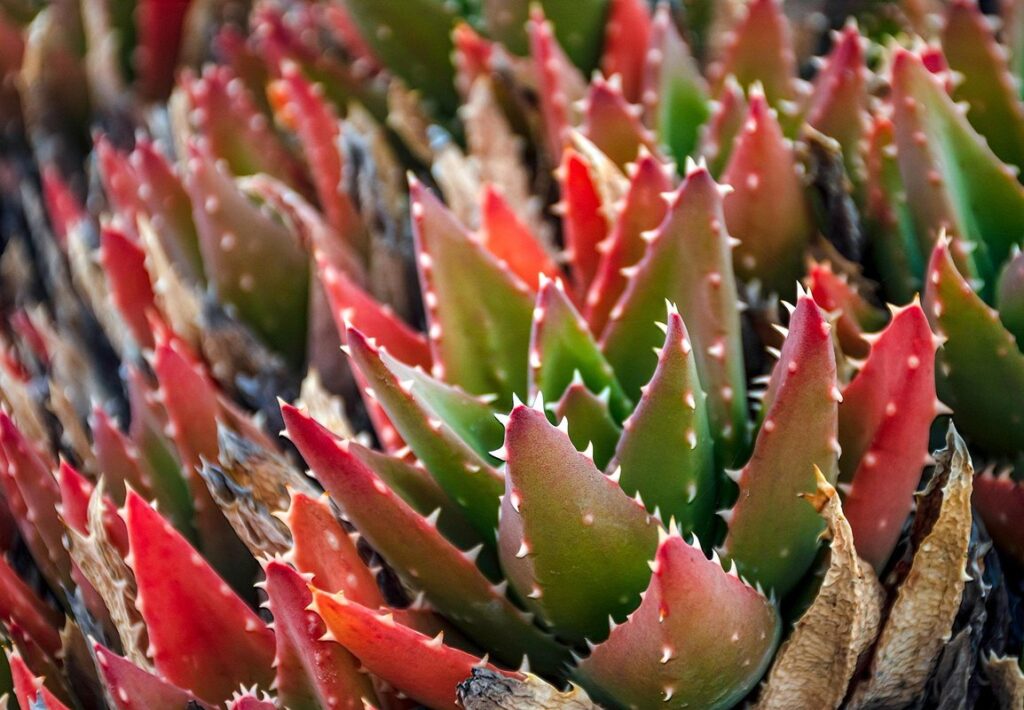
For example, if you live in a hot desert region like Arizona (Zone 9-11), consider planting succulents like aloe vera or agave, which store water in their leaves and can survive with minimal watering. In contrast, cooler climates like the Pacific Northwest (Zone 8-9) are perfect for plants like lavender or rosemary, which prefer well-drained soil and moderate temperatures.
When selecting plants for your specific region, consider factors like rainfall, temperature fluctuations, and sunlight exposure. This will ensure that you’re not only choosing drought-tolerant plants but also ones that will perform optimally in your local climate conditions. Some excellent resources to consult include the National Gardening Association’s Plant Finder tool or your state’s extension office for more specific guidance on plant selection. By matching your climate zone with suitable plants, you’ll set yourself up for a thriving and low-maintenance drought-resistant garden.
Understanding Plant Water Requirements
When it comes to choosing drought-resistant plants for your garden, understanding their water requirements is crucial. You may have noticed that plant labels often mention the plant’s tolerance level, but what does this mean exactly? Let’s break down the different levels of drought tolerance: low, moderate, and high.
Low-drought-tolerant plants typically require regular watering and can be susceptible to damage if they don’t receive enough moisture. These plants are ideal for areas with consistent rainfall or where you have a sprinkler system in place. Moderate-drought-tolerant plants, on the other hand, can survive short periods of drought but will still require occasional watering. They’re perfect for gardens where water conservation is a priority. High-drought-tolerant plants are the ultimate choice for water-conscious gardeners – they can thrive in areas with little to no irrigation.
To ensure you’re selecting suitable plants for your garden, take a closer look at the plant label. Look for keywords like “drought-tolerant,” “water-wise,” or “low-maintenance.” Check the recommended watering schedule and adjust it according to your local climate conditions. By doing so, you’ll be able to create a beautiful and resilient drought-resistant garden that thrives with minimal maintenance.
Low-Maintenance Drought-Tolerant Plants for Beginners
If you’re new to drought-tolerant gardening, don’t worry – we’ve got you covered. In this next part of our guide, we’ll explore some beginner-friendly options that are perfect for hot and dry conditions.
Succulents: The Ultimate Low-Maintenance Option
When it comes to low-maintenance and drought-tolerant plants, succulents are an excellent choice for beginners. These water-storing superstars come in a wide variety of shapes, sizes, and colors, making them perfect for adding visual interest to your garden without the hassle of frequent watering.
Some popular types of succulents include Aloe, Echeveria, and Crassula, each with its own unique characteristics and benefits. Aloe vera, for example, is not only a beautiful addition to any garden but also has medicinal properties, making it a great choice for those who want a practical plant.
To care for your succulents during drought periods, remember that they need less water than other plants, but still require some attention. Water sparingly, allowing the soil to dry out completely between waterings. Avoid overwatering, which can be detrimental to these sensitive plants. By following these simple tips and choosing from the many varieties of succulents available, you’ll have a thriving, low-maintenance garden that requires minimal care and upkeep.
Cacti: Spiny yet Drought-Tolerant
Cacti are one of the most iconic and versatile drought-tolerant plants, suitable for even the most novice gardeners. These spiny wonders come in a variety of shapes, sizes, and species, making them an exciting addition to any low-maintenance garden.
Let’s start with some popular types of cacti: Christmas Cactus (Schlumbergera bridgesii), Prickly Pear (Opuntia spp.), and Pincushion Cactus (Mammillaria spp.). Each has its unique characteristics, such as the vibrant blooms of the Christmas Cactus or the edible fruits of the Prickly Pear. When choosing a cactus for your garden, consider the amount of light it requires, as some species are more tolerant of shade than others.
To care for cacti in a drought-stricken garden, remember to water sparingly. Overwatering can be detrimental to these plants, leading to root rot and other issues. Water your cactus when the soil is dry to the touch, usually every 7-10 days during hot summer months. Fertilize with a balanced, water-soluble fertilizer during the growing season (spring-fall) for optimal health. By following these simple tips, you’ll be well on your way to creating a thriving cactus garden that’s both drought-tolerant and stunning in appearance.
Plants That Thrive in Hot Weather
When temperatures soar, some plants are better equipped to handle the heat than others. Let’s take a look at the drought-tolerant heroes that will keep your garden thriving even on the hottest days.
Heat-Loving Vegetables for Your Drought-Resistant Garden
When it comes to growing vegetables in hot weather, selecting heat-loving varieties is essential for a bountiful harvest. Okra, eggplant, and bell peppers are excellent choices for a drought-resistant garden. These plants thrive in temperatures above 65°F (18°C) and can tolerate periods of dryness.
Okra, in particular, loves the heat and can handle temperatures up to 100°F (38°C). It’s a great choice for regions with long summers, as it will continue to produce fruit throughout the hot months. To care for okra during this time, make sure to provide it with full sun and well-draining soil.
Eggplant is another heat-loving vegetable that can tolerate some drought conditions. It prefers warmer temperatures and well-ventilated areas to prevent fungal diseases. Watering eggplant regularly, but allowing the top 2 inches of soil to dry out between waterings, will help it thrive in hot weather.
Bell peppers are also suitable for a drought-resistant garden and come in a variety of colors. They prefer well-draining soil and full sun to produce an abundance of fruit.
Flowering Plants That Can Handle the Heat
When it comes to flowering plants that can handle the heat and drought, there are several options you can consider for your garden. Lantana is a great choice, as it produces clusters of small flowers in shades of pink, yellow, and purple, and can tolerate temperatures up to 100°F (38°C). This shrub-like plant requires minimal watering, making it perfect for water-conscious gardeners.
Another option is zinnia, which comes in a variety of colors and can grow up to 3 feet tall. These flowers are heat-tolerant and drought-resistant, but will require occasional watering during periods of extreme dryness. Marigold is also a great choice, producing bright orange and yellow flowers that repel nematodes and other pests.
To care for these plants, be sure to water them deeply but infrequently, allowing the soil to dry out between waterings. Fertilize lightly in the spring with a balanced fertilizer, and deadhead spent blooms to encourage more flowering. By following these simple tips, you can enjoy vibrant blooms even in the hottest of weather conditions.
Using Mulch and Other Soil Amendments to Retain Moisture
Adding a layer of mulch or other soil amendments can make a huge difference in retaining moisture for your drought-tolerant plants, but what types work best?
The Benefits of Mulching in Drought-Resistant Gardens
When you’re cultivating drought-resistant gardens, every trick counts to ensure optimal water retention. Mulching is an effective technique that not only retains moisture but also prevents weeds from competing with your plants for water and nutrients. By suppressing weed growth, mulch reduces the need for frequent watering and helps maintain soil health.
A 2-inch layer of organic mulch, such as wood chips or bark, can cover up to 75% of the soil surface, effectively reducing evaporation by shielding the soil from direct sunlight and heat. This is particularly useful in regions with intense summer sun or in areas where water scarcity is a significant concern. To apply mulch correctly, ensure it’s spread evenly around plants, keeping a few inches clear of stems to prevent moisture buildup.
Regularly replenishing the mulch layer will keep its effectiveness intact. Additionally, consider using inorganic materials like plastic sheeting or landscape fabric for areas that receive heavy foot traffic or where organic mulch decomposes quickly. By incorporating these simple yet effective techniques into your garden care routine, you’ll be well-equipped to thrive during water shortages.
Compost: A Natural Way to Improve Soil Structure
Compost is an often-overlooked but incredibly valuable tool for gardeners looking to create a drought-tolerant oasis. By enriching the soil with nutrient-rich compost, you can significantly improve its structure and fertility – making it more resilient to dry spells. When soil has good structure, it’s better able to retain moisture, reducing the need for frequent watering.
To create your own compost, start by collecting kitchen scraps, leaves, and other organic materials. A general rule of thumb is to aim for a mix that’s 2/3 “brown” materials (dried leaves, straw) and 1/3 “green” materials (food waste, grass clippings). As you add new materials, make sure to turn the pile regularly – this will help speed up the decomposition process. Aim for a pile of around 4-6 feet high and wide; any larger and it may not break down evenly.
Within 2-3 months, your compost should be ready to use. Simply mix it into the top few inches of soil or spread it as a thin layer on top. As you incorporate compost into your soil, you’ll notice an improvement in water retention – plants will have access to moisture deeper in the soil, reducing their reliance on frequent watering.
Tips for Watering During Droughts
When caring for drought-tolerant plants, knowing when and how to water is crucial to ensure their survival during dry spells. Here’s some practical advice on watering during times of drought.
Watering Techniques for Minimum Loss
When watering your drought-tolerant garden during dry spells, it’s essential to use efficient techniques that minimize water loss. Evaporation and runoff can quickly deplete your water supply, so choose methods that deliver water directly to the roots of your plants.
Consider investing in drip irrigation systems, which slowly release water directly onto the soil around each plant’s base. These systems reduce evaporation by up to 90% compared to traditional sprinkler systems. Alternatively, use soaker hoses, which distribute water evenly along their length and can be placed close to individual plants for targeted watering.
To get the most out of your irrigation system, water during cooler parts of the day to minimize transpiration. Avoid overwatering, as this will only lead to more evaporation and potentially harm your plants’ roots. Instead, aim for a consistent moisture level in the top 6-8 inches of soil, checking the soil regularly with a finger or moisture meter. By adopting efficient watering techniques, you’ll be better equipped to handle drought conditions and keep your plants thriving even when water is scarce.
Dealing with Plant Stress and Diseases During Droughts
When droughts strike, it’s essential to keep an eye on your plants for signs of stress and disease. During these periods, plants are more vulnerable to damage due to reduced water availability. Some common signs of plant stress during droughts include:
* Wilting or drooping leaves, which can lead to photosynthesis reduction
* Leaf scorch or browning, often caused by increased salt levels in the soil
* Reduced growth rates, as plants divert energy from growth to survival
To identify and treat these issues, inspect your plants regularly for any visible damage. Look for discoloration, yellowing leaves, or cracks in the soil. If you notice any of these signs, take immediate action by providing supplemental water or adjusting your watering schedule.
In severe cases, fungal diseases like root rot may occur due to increased moisture levels when irrigation resumes after a drought. To prevent this, ensure good air circulation around plants and avoid overwatering. Prune affected areas to promote healthy growth and prevent the spread of disease. By monitoring your plants closely and taking prompt action, you can minimize damage and keep your garden thriving even during prolonged droughts.
Maintaining a Drought-Resistant Garden Over Time
As you tend to your drought-tolerant garden, it’s essential to maintain its resilience over time by implementing regular care routines and making adjustments for seasonal changes. This ensures continued health and beauty in your water-conserving oasis.
Regular Maintenance Tasks for Optimal Plant Health
Regular maintenance tasks are crucial to ensure the health and productivity of drought-tolerant plants over time. Pruning is one such task that helps maintain a plant’s shape, promotes new growth, and encourages root development. For example, cacti and succulents require regular pruning to remove dead or damaged segments, which can be done during the dormant season.
Fertilizing is another essential maintenance task that provides plants with essential nutrients for healthy growth. Use a balanced, water-soluble fertilizer specifically designed for drought-tolerant plants, and follow the manufacturer’s instructions for application rates. For instance, apply fertilizer to established plants in spring or early summer when they are actively growing.
Monitoring soil moisture levels is also vital to ensure plant health. Check the soil regularly by inserting your finger into the soil up to the knuckle. If the soil feels dry, it’s time to water. Watering deeply but infrequently encourages deep root growth, making plants more drought-resistant over time.
By incorporating these regular maintenance tasks into your gardening routine, you’ll be able to enjoy a thriving and resilient drought-tolerant garden for years to come.
Monitoring Your Garden’s Progress and Adapting to Changes
Monitoring your garden’s progress and adapting to changes is crucial to maintaining a healthy drought-resistant garden. To do this effectively, start by observing your plants regularly, looking for signs of stress such as yellowing leaves, wilting, or browning tips. Check soil moisture levels daily, using a finger test or a moisture meter to determine when it’s time to water.
Be prepared to adjust your watering schedule based on changes in weather patterns or plant growth. For example, during periods of rapid growth, plants may require more frequent watering. Conversely, drought-tolerant plants like succulents and cacti can go weeks without water. Consider installing rain sensors or smart irrigation controllers that adapt to changing conditions.
Another essential aspect is monitoring your garden’s overall health by tracking the types of pests and diseases present. Use this information to make informed decisions about pruning, fertilizing, or introducing beneficial insects to maintain a balanced ecosystem. By being proactive and adaptable, you’ll ensure your drought-resistant garden thrives despite seasonal fluctuations.
Frequently Asked Questions
What are the best mulching options for retaining moisture in a drought-resistant garden?
The most effective mulch for retaining moisture is organic, high-fiber materials like wood chips or bark. These retain moisture and suppress weed growth, reducing water loss through evaporation. Apply 2-3 inches of mulch around plants to maintain optimal moisture levels.
Can I use compost to improve the structure of my soil during a drought?
Yes, using compost is an excellent way to enhance soil’s ability to hold water. Compost improves soil’s water-holding capacity and increases beneficial microbial activity. Mix 2-4 inches of compost into your topsoil before planting or add it as a layer between mulch.
How do I determine if my drought-tolerant plants are stressed from the heat?
Keep an eye out for symptoms like yellowing leaves, droopy stems, or premature flowering. Check soil moisture levels by inserting a finger into the soil up to 2-3 inches deep. If it feels dry to the touch, increase watering intervals.
What are some tips for implementing efficient watering techniques in my drought-resistant garden?
Use drip irrigation systems or soaker hoses to reduce evaporation and runoff. Water plants during cooler parts of the day (early morning or evening) to minimize transpiration loss. Adjust watering schedules based on temperature fluctuations and plant growth stages.
Can I mix drought-tolerant plants with regular plants in my garden, or do they require separate care?
Drought-tolerant plants can coexist with regular plants, but you’ll need to tailor your care routine accordingly. Water regular plants more frequently, while maintaining a low-maintenance approach for drought-tolerant varieties. This will ensure optimal growth and minimize competition for resources.