
Are you tired of struggling to keep your garden alive in the blistering heat? If you live in a hot and dry climate, you know how challenging it can be to find plants that thrive in full sun conditions without requiring endless watering. But what if I told you there’s a secret to creating a stunning and sustainable garden that not only survives but flourishes in even the driest of conditions?
Drought-tolerant plants are the answer to your prayers, and we’re about to uncover the best ones for full sun conditions. In this article, we’ll explore the world of drought-tolerant plants that can withstand the intense heat without needing constant hydration. From succulents to wildflowers, we’ll delve into the benefits, care tips, and expert advice on how to incorporate these incredible plants into your garden design, creating a beautiful oasis that’s perfect for hot and dry climates.
Choosing the Right Drought-Tolerant Plants
When selecting plants for your full-sun garden, it’s essential to consider their ability to thrive in dry conditions. Let’s explore how to choose drought-tolerant plants that fit your specific needs.
Types of Drought-Tolerant Plants for Full Sun
When it comes to choosing drought-tolerant plants that can thrive in full sun, there are numerous options to consider. Succulents and cacti are two popular choices for their ability to store water in their leaves or stems, making them perfect for areas with limited rainfall.
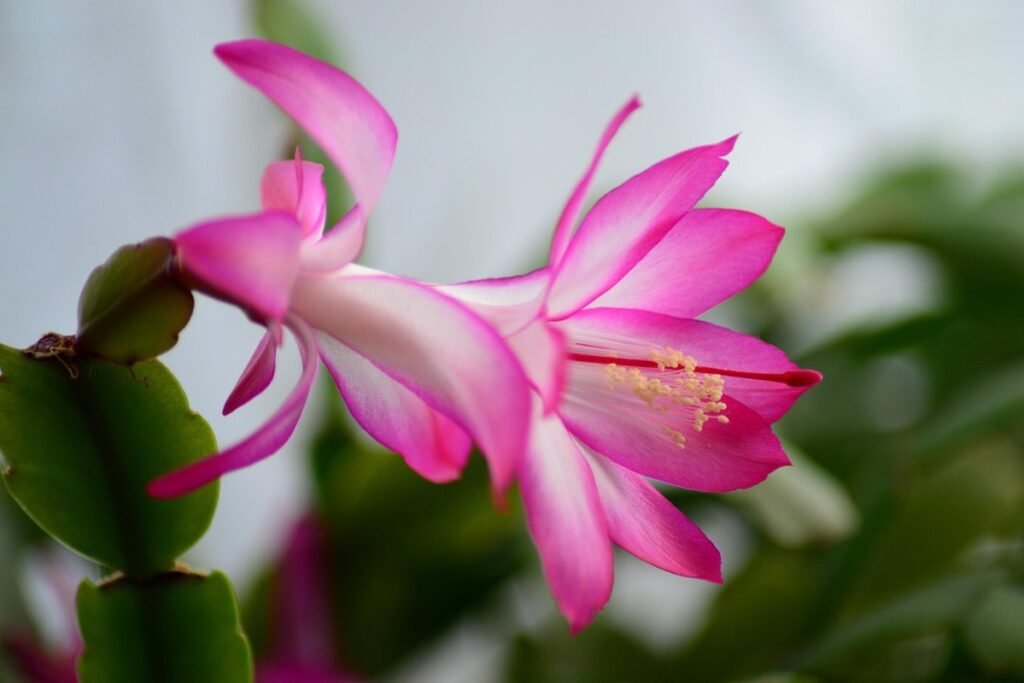
One of the most low-maintenance types of succulents is the aloe vera plant. Not only does it have medicinal properties, but it also comes in a variety of shapes and sizes, from compact rosettes to tall, upright varieties. Cacti like the Prickly Pear and Christmas Cactus are also excellent options for full sun areas.
Wildflowers such as Lupine, Cosmos, and Zinnia can add vibrant colors to your garden while still being drought-tolerant. These flowers come in a range of colors and bloom sizes, making them perfect for creating a unique and eye-catching display. Consider planting a mix of succulents, cacti, and wildflowers to create a beautiful and low-maintenance landscape that can withstand full sun and dry conditions.
When selecting drought-tolerant plants for your garden, remember to choose varieties that are specifically bred for your region’s climate and soil type. This will ensure that your plants receive the right amount of moisture and nutrients to thrive in their environment.
Benefits of Drought-Tolerant Plants
Choosing drought-tolerant plants can bring numerous benefits to your garden, especially when they’re planted in full sun. One of the most significant advantages is low maintenance. These plants are designed to thrive with minimal watering, freeing up time and resources for other gardening tasks.
By incorporating drought-tolerant plants into your landscape, you’ll also be contributing to water conservation efforts. According to the US Environmental Protection Agency (EPA), a significant amount of residential water usage goes towards lawn and garden maintenance. By choosing plants that require less irrigation, you can help reduce your household’s water consumption and support local water-saving initiatives.
Drought-tolerant plants also promote increased biodiversity in your garden. These hardy species often attract pollinators, such as bees and butterflies, which are essential for maintaining a healthy ecosystem. Consider incorporating a mix of drought-tolerant shrubs, perennials, and annuals to create a thriving, low-maintenance garden that’s both beautiful and beneficial for the environment.
Some popular drought-tolerant plants suitable for full sun include succulents like aloe vera and agave, as well as flowering perennials like lavender and coneflower. When selecting these plants, make sure to choose varieties that are specifically bred for your region’s climate and soil type.
Plant Selection for Different Climate Zones
When choosing drought-tolerant plants for your full sun garden, it’s essential to consider the specific climate zone you live in and select plants that thrive in similar conditions. This section will break down plant options by region.
Hot and Dry Climates (Desert Regions)
If you’re gardening in hot and dry climates, such as those found in North American desert regions, you’ll want to focus on plants that are specifically adapted to these conditions. Look for species native to the area, like creosote bush (Larrea tridentata) and jojoba (Simmondsia chinensis), which have evolved over time to thrive with minimal water.
For full sun areas in desert climates, succulents and cacti are ideal choices. Aloe vera (Aloe barbadensis), agave (Agave spp.), and prickly pear (Opuntia spp.) are popular options for their ability to store water in their thick stems and leaves. When selecting plants, consider factors like mature size, growth habits, and watering needs.
In hot desert climates, it’s essential to plant at the right time – usually during the cooler months of fall or spring – to give your new additions a chance to establish themselves before the intense heat sets in. Mulching around plants helps retain moisture and reduce soil temperature. With proper care, these drought-tolerant plants will thrive in even the most arid conditions.
Mediterranean Climates (Dry Summers, Mild Winters)
When it comes to Mediterranean climates with dry summers and mild winters, you’ll want to select plants that can handle the hot, dry conditions. Regions like California and Australia are perfect examples of areas where these types of plants thrive.
Some great options for drought-tolerant plants in full sun include succulents like aloe vera and agave, as well as shrubs like rosemary and lavender. These plants have adapted to conserve water by storing it in their leaves or stems, making them ideal for areas with low rainfall. If you’re looking for something a bit more colorful, consider planting drought-tolerant flowering plants like zinnias or lantana.
When choosing plants for your Mediterranean climate garden, be sure to select varieties that are resistant to heat and dryness. Some other factors to consider include soil type and drainage – make sure the soil drains well to prevent waterlogged roots. With a little planning and research, you can create a stunning drought-tolerant garden that requires minimal watering and maintenance.
Temperate Climates (Moderate Weather Conditions)
If you’re planning to landscape in areas with temperate climates and moderate weather conditions, such as the eastern United States, selecting drought-tolerant plants is crucial. These regions experience neither extreme heat nor cold, but they still require plants that can thrive in varying temperatures and moisture levels.
Consider incorporating Sedum into your garden design. This succulent is perfect for full sun areas and can tolerate moderate temperatures, ranging from 40°F to 90°F (-40°C to 32°C). Its thick, fleshy leaves allow it to store water, making it an excellent choice for temperate climates with occasional droughts.
Other plants suitable for temperate climates include Lantana, Lavender, and Rosemary. These shrubs require minimal watering and can handle full sun conditions while maintaining their vibrancy throughout the growing season. When selecting plants for your garden, choose species that are native to your region or have similar growing requirements to ensure they’ll thrive in your specific climate.
When planting in temperate climates, remember to provide adequate soil preparation and maintenance. Mulching around plant bases will help retain moisture and regulate soil temperature.
Plant Care and Maintenance
To keep your drought-tolerant plants thriving, proper care and maintenance are crucial. This includes regular watering, fertilization, pruning, and pest control to ensure their continued health and resilience in full sun conditions.
Watering Drought-Tolerant Plants
When it comes to watering drought-tolerant plants in full sun, it’s essential to strike the right balance between providing enough moisture and avoiding overwatering. These plants have adapted to survive with minimal water, but they still need some hydration, especially during their initial growth phase or when exposed to extreme heat.
As a general rule of thumb, water your drought-tolerant plants in full sun once a week during the hottest months of the year. However, this frequency may vary depending on factors such as soil type, climate, and plant species. For example, if you’re growing succulents or cacti, they might only require watering every 10-14 days.
To determine the right amount of water for your plants, stick your finger into the soil up to the first knuckle. If the soil feels dry, it’s time to give your plants a drink. Water thoroughly until you see water coming out of the drainage holes in the pot. Avoid getting water on the leaves or crown of the plant to prevent rot and other diseases.
Keep in mind that overwatering is more common than underwatering when it comes to drought-tolerant plants. So, be cautious not to give your plants too much water, as this can lead to root rot and kill the plant. By following these guidelines, you’ll be able to provide your drought-tolerant plants with the right amount of moisture they need to thrive in full sun.
Soil Preparation and Mulching
When it comes to growing drought-tolerant plants that thrive in full sun, proper soil preparation and mulching play a crucial role. These practices not only ensure the plants receive the necessary nutrients but also help retain moisture in the soil. A well-prepared soil with adequate organic matter can significantly improve water-holding capacity, reducing the need for frequent watering.
To prepare your soil, mix in 2-3 inches of compost or well-rotted manure into the top 6-8 inches of soil. This will provide a nutrient-rich base that will support the plants’ growth and health. If you’re working with poor-quality soil, consider adding a layer of perlite or vermiculite to improve drainage and structure.
Mulching is another essential step in drought-tolerant plant care. Apply a 2-3 inch layer of organic mulch such as wood chips, bark, or straw around the base of your plants. Mulch helps retain moisture by reducing soil temperature and preventing water loss through evaporation. It also suppresses weeds that compete with your drought-tolerant plants for water and nutrients.
When choosing a mulch, select materials that are locally sourced and free from weed seeds to prevent further competition in the soil. Regularly replenish the mulch layer as needed, and keep it at least 2-3 inches away from plant stems to prevent moisture buildup and potential root rot.
Designing a Drought-Tolerant Garden
Now that you’ve selected your drought-tolerant plants, let’s dive into designing a garden that will thrive in full sun conditions while conserving water. We’ll cover the essentials for creating a beautiful and sustainable outdoor space.
Creating a Functional and Aesthetic Space
When designing a drought-tolerant garden that thrives in full sun, it’s essential to create a functional and visually appealing space. A well-planned layout will not only conserve water but also showcase the beauty of these resilient plants.
To begin, consider the overall structure of your garden. Drought-tolerant plants come in a range of shapes and sizes, so group them by height to create a layered effect. For example, tall succulents or cacti can be placed at the back of the bed, while shorter plants like sedum or creeping juniper are perfect for the front.
Think about color schemes too – drought-tolerant plants offer a wide range of colors and textures to work with. Pair bold, bright flowers like lantana or zinnia with more subdued foliage plants like yucca or agave. To add visual interest, incorporate different textures by combining smooth-leaved plants with those featuring interesting patterns like succulent rosettes.
When planning your garden’s layout, don’t forget to leave space for pathways and seating areas. This will not only make it easier to tend to your plants but also provide a comfortable spot to relax and enjoy the beauty of your drought-tolerant oasis.
Incorporating Other Elements (Pathways, Decorations)
When designing a drought-tolerant garden that receives full sun, it’s essential to incorporate elements beyond just plants. Pathways, decorations, and ornaments can not only add aesthetic appeal but also enhance the overall functionality of your garden.
For pathways, consider using materials like decomposed granite, gravel, or sand, which require minimal watering and maintenance. These options allow water to percolate through them, reducing runoff and evaporation. You can also use brick or stone pavers, but make sure they’re laid in a way that allows for proper drainage.
Incorporating decorations and ornaments is where you can get creative with drought-tolerant garden design. Use natural elements like weathered wood, rock formations, or metal sculptures to add visual interest without introducing new water demands. For example, you could use old wooden planks as a trellis for climbing plants or repurpose metal containers as mini-greenhouses.
When choosing decorations and ornaments, prioritize those made from sustainable materials that won’t harbor pests or diseases. Consider upcycling or repurposing items like old planters, lanterns, or other garden accents to minimize waste and add character to your space.
Common Challenges and Solutions
Growing drought-tolerant plants in full sun can be a challenge, especially when confronted with common issues like soil dryness and intense heat. Let’s tackle these problems together.
Overwatering and Underwatering
When it comes to caring for drought-tolerant plants in full sun, overwatering and underwatering are two common mistakes that can be detrimental to their health. Overwatering is perhaps the most significant threat, as it can lead to root rot, fungal diseases, and even kill your plant altogether. This occurs when you water your plant excessively, causing the roots to drown in an oxygen-deprived environment.
On the other hand, underwatering may not be as severe, but it can still cause stress to your plant, leading to yellowing leaves, wilted stems, or even complete decline. To avoid these issues, make sure to check the soil moisture by sticking your finger into the soil up to the first knuckle. If the soil feels dry, it’s time for a drink. However, if you’re unsure, start with a small amount of water and gradually increase as needed.
A good rule of thumb is to water drought-tolerant plants in full sun when the top 1-2 inches of soil feel dry to the touch. Be mindful that some plants may require more frequent watering during extreme heatwaves or dry spells.
Pests and Diseases
Pests and diseases can be just as detrimental to drought-tolerant plants as a lack of water. In fact, stressed plants are more susceptible to infestation and infection. Common pests that target full-sun plants include aphids, whiteflies, and spider mites. These tiny critters feed on plant sap, causing curled or distorted leaves.
Diseases such as root rot, leaf spot, and powdery mildew can also thrive in hot, dry conditions. To prevent infestation and infection, choose resistant varieties of drought-tolerant plants whenever possible. Maintain good garden hygiene by removing weeds and debris that can harbor pests and diseases.
Inspect your plants regularly for signs of stress or damage. Use neem oil or insecticidal soap to control mild pest infestations. Fungal diseases often require more aggressive treatment, such as copper-based fungicides. Regular watering may be the most effective way to prevent some diseases altogether – just be sure not to overwater and ensure good air circulation around your plants.
Some drought-tolerant plants are naturally more resistant to pests and diseases than others. For example, succulents like aloe vera and agave have thick, waxy leaves that repel pests. Other plants, such as yucca and lantana, have strong, fragrant foliage that deters insects.
Long-Term Care and Upkeep
To keep your drought-tolerant plants thriving, it’s essential to understand how to care for them long-term, including pruning, fertilizing, and pest control strategies. We’ll walk you through these crucial steps.
Monitoring Plant Health and Adjusting Care
As you continue to care for your drought-tolerant plants in full sun, it’s essential to monitor their health and adjust their care accordingly. One of the most critical aspects is checking for signs of stress, such as yellowing leaves or droopy stems. If you notice any issues, inspect the roots by gently removing them from the pot. This will help determine if the plant needs more water or nutrients.
In hot weather, it’s common for drought-tolerant plants to require additional care. Increase watering frequency during periods of intense heat, but avoid overwatering, which can be detrimental to these plants. Be mindful of soil pH levels and adjust as necessary. Fertilization is also crucial; use a balanced fertilizer during the growing season to promote healthy growth.
Keep an eye out for pests like aphids and whiteflies, which thrive in full sun conditions. Regularly inspect your plants and take action promptly if you spot any issues. By monitoring their health and adjusting care accordingly, you’ll be able to keep your drought-tolerant plants thriving in full sun environments.
Seasonal Tasks (Pruning, Dividing)
To keep your drought-tolerant garden thriving throughout the year, it’s essential to perform seasonal tasks that promote healthy growth and prevent overgrowth. In the spring, prune back perennials like succulents and cacti to encourage new growth and prevent legginess. This will also help to control their size and shape.
In the summer months, divide and replant overgrown or congested plants to give them room to breathe and promote healthy root development. For example, if your agave plant has become too large for its container, consider dividing it into smaller sections and replanting each section in a new pot. This will also help to propagate more drought-tolerant plants.
In the fall, clean up any debris or dead plant material that may have accumulated throughout the year, making sure to dispose of it properly to prevent weeds from growing. Finally, in the winter, protect your plants from frost and extreme cold by bringing them indoors or covering them with a layer of mulch or burlap.
By performing these seasonal tasks, you’ll be able to keep your drought-tolerant garden looking its best all year round.
Conclusion: Thriving with Drought-Tolerant Plants
As you’ve learned throughout this comprehensive guide, incorporating drought-tolerant plants into your full sun garden is easier than you think. With a wide range of options available, from succulents to shrubs, you can create a beautiful and low-maintenance outdoor space that thrives even in the most arid conditions. By choosing the right plants for your specific climate and soil type, you’ll be well on your way to enjoying a lush and vibrant garden without worrying about the water bill.
To ensure your drought-tolerant plants continue to thrive, make sure to follow the tips we’ve discussed throughout this guide, such as proper planting, watering, and fertilization. By doing so, you’ll not only save water but also reduce your carbon footprint and create a more sustainable outdoor space that will bring joy for years to come.
Frequently Asked Questions
Can I use drought-tolerant plants in shaded areas, or are they strictly for full sun?
While many drought-tolerant plants thrive in full sun, some can also tolerate partial shade. However, it’s essential to choose varieties that are specifically adapted to your specific climate and light conditions. Be sure to research the plant’s requirements before planting, as even drought-tolerant plants may still need some direct sunlight to photosynthesize.
How often should I water my drought-tolerant plants during their first year of growth?
During the initial growth phase, it’s crucial to provide adequate moisture for your new plants. Water them deeply once or twice a week, depending on soil type and climate. After the first year, you can gradually reduce watering frequency as the plants develop their root systems.
Can I mix drought-tolerant plants with regular plants in my garden, or do they require a separate zone?
You can definitely combine drought-tolerant plants with other varieties in your garden, but it’s essential to consider their water requirements and space needs. Create a layered planting design, grouping drought-tolerant plants together and providing them with suitable conditions, such as well-draining soil and full sun.
Are there any specific soil preparation tips for drought-tolerant plants?
Yes! Soil preparation is vital for drought-tolerant plants to thrive. Add organic matter like compost or mulch to improve soil structure and fertility. Avoid over-fertilizing, as this can actually harm the plant’s ability to store water. Also, consider incorporating perlite or sand to enhance drainage.
Can I propagate my own drought-tolerant plants from cuttings or division, or do they require specialized propagation methods?
Yes! Many drought-tolerant plants are easily propagated through stem or leaf cuttings, division, or seed harvesting. This is a cost-effective and rewarding way to multiply your favorite varieties. However, research specific propagation techniques for each plant species to ensure success.