
Are you tired of worrying about your water bill every time it rains? Or perhaps you’re looking for ways to reduce your environmental footprint without sacrificing style? You’re not alone! With droughts becoming more frequent and severe, it’s never been more crucial to have a lawn that can thrive in dry conditions. The good news is that creating and maintaining a beautiful, water-efficient lawn is easier than you think. In this comprehensive guide, we’ll show you how to choose the best drought-tolerant grass types, implement smart lawn care strategies, and master essential maintenance tips. By the end of this article, you’ll have all the knowledge you need to create a stunning, water-conserving lawn that will save you money, reduce your environmental impact, and make you proud.
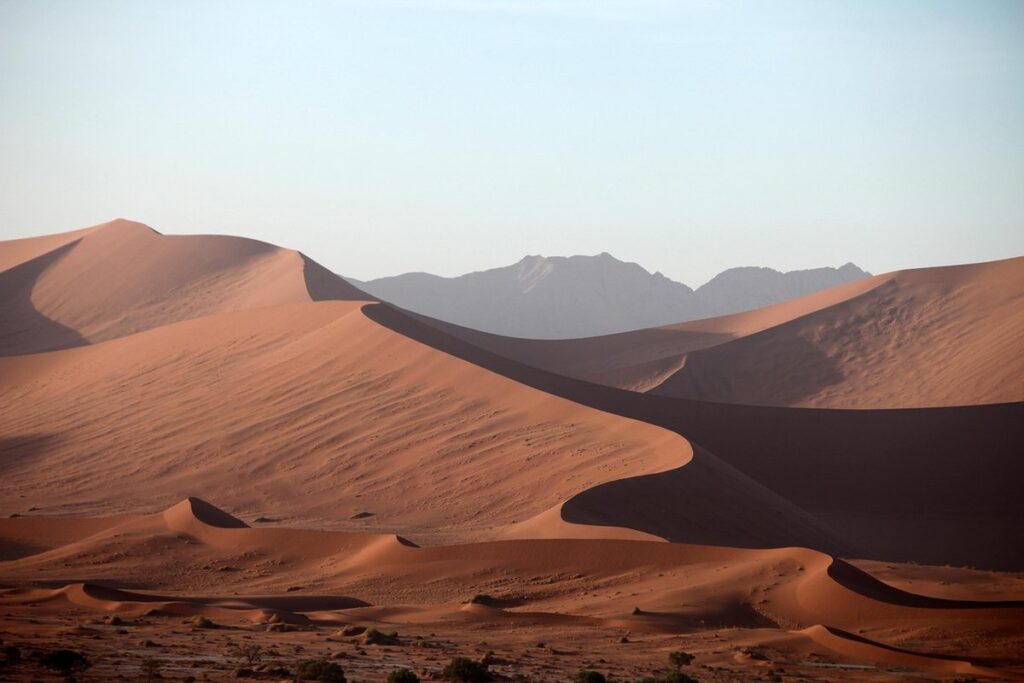
Understanding Drought Conditions
To effectively manage and maintain a drought-tolerant lawn, it’s crucial to first understand the underlying conditions that lead to droughts in your area. This includes regional climate patterns, soil composition, and local water management practices.
What are Drought Conditions?
Drought conditions are a growing concern for many homeowners, especially those living in areas prone to water scarcity. At its core, drought is a prolonged period of abnormally low rainfall that can have severe effects on lawns and landscapes. When lawns don’t receive sufficient moisture, they become stressed, leading to a range of issues, from discoloration and thinning to the growth of invasive weeds.
Water scarcity and climate change are two significant factors contributing to drought conditions. As our planet’s population continues to grow, so does the demand for water resources. Climate change, on the other hand, is altering precipitation patterns, making it even more challenging to predict and prepare for droughts. In areas with limited rainfall, lawns may only receive a few inches of moisture each year, leading to dry, brittle grass.
To put this into perspective, consider that a typical lawn requires about 1-2 inches of water per week during the growing season. If your area is experiencing drought conditions, it’s essential to take proactive steps to protect your lawn from damage and ensure its long-term health.
Identifying Your Climate Zone
To create an effective drought-tolerant lawn, it’s crucial to understand your local climate zone and its impact on lawn care decisions. The United States Department of Agriculture (USDA) categorizes the country into 11 climate zones, each with distinct temperature, precipitation, and soil conditions.
Determine your local climate zone by visiting the USDA’s Plant Hardiness Zone Map. Enter your zip code to discover your designated zone. Consider factors such as average high and low temperatures, total annual rainfall, and humidity levels specific to your area. This information will help you choose drought-tolerant grass species that thrive in your conditions.
For example, if you live in a zone with extreme heat, look for grasses like Buffalo Grass or Blue Grama Grass, which are highly adaptable to warm climates. On the other hand, if you reside in an area with mild winters and cool summers, consider grasses like Perennial Ryegrass or Fine Fescue.
Remember that climate zones often overlap, so research your specific region’s microclimate for more accurate information. This understanding will guide your lawn care decisions, ensuring you select the most suitable drought-tolerant species for a thriving, water-efficient landscape.
Lawn Stress Signs
When it comes to drought-tolerant lawns, being able to identify the early signs of stress is crucial. This allows you to take prompt action and prevent more severe damage from occurring. So, what are the common signs that indicate a lawn is experiencing drought-related stress?
One of the most noticeable signs is wilting. When grass plants don’t receive enough water, they’ll start to wilt, and their leaves will turn a pale yellow or blue-gray color. If you notice your lawn’s blades have become limp and lifeless, it’s likely due to drought.
Another sign is browning. As drought stress intensifies, the tips of the grass blades will begin to turn brown or even die off completely. This can create an uneven appearance that looks unsightly and uninviting.
Lastly, thinning is another common indication of drought-related stress. Grass plants under stress will start to die back, leaving bare spots throughout your lawn. To combat these issues, be sure to water your lawn deeply but infrequently, allowing the soil to absorb moisture without excess runoff.
Choosing Drought-Tolerant Grass Types
When it comes to creating a drought-tolerant lawn, selecting the right grass type is crucial. Let’s explore some popular options that thrive in low-water conditions.
Native vs. Non-Native Options
When choosing drought-tolerant grass types for your lawn, you’ll likely come across native and non-native options. While both have their advantages and disadvantages, it’s essential to consider the benefits and drawbacks of each before making a decision.
Native grass species are those that naturally occur in your region and have adapted to local climate conditions over time. They often require less water, maintenance, and pesticides compared to non-native varieties. For instance, buffalo grass is native to the Great Plains region and can thrive with minimal watering (less than 600 mm per year). On the other hand, it may not be as aesthetically pleasing or durable as other options.
Non-native grass species, on the other hand, are often more visually appealing but require more resources. They may need regular watering, fertilization, and pest control to survive in areas with drought conditions. However, some non-native varieties have been engineered to be drought-tolerant and can still provide a lush appearance despite water scarcity.
Ultimately, the decision between native and non-native grass species comes down to your personal preferences and specific lawn needs. If you prioritize low maintenance and want to support local ecosystems, native options might be the better choice. But if you’re willing to invest time and resources into caring for your lawn, a non-native variety could provide the look you desire.
Popular Drought-Tolerant Grasses
When it comes to choosing drought-tolerant grass types, several popular options stand out from the rest. One of the most well-known is buffalo grass, a native North American species that requires minimal watering and maintenance. It’s an excellent choice for homeowners who live in areas with low rainfall or have limited irrigation capabilities.
Another option worth considering is blue grama, a type of grass that’s native to the Great Plains region. It’s highly drought-tolerant and can survive with as little as 10 inches of annual rainfall. Blue grama also has a number of environmental benefits, including reducing soil erosion and promoting biodiversity.
Bermuda grass is another popular choice for drought-prone areas. While it does require more watering than some other options, it’s still relatively low-maintenance and can tolerate extreme temperatures and dry spells. It’s an excellent option for those who want to create a lush, green lawn without breaking the bank on water bills.
Overall, these three types of grass are excellent choices for homeowners looking to establish drought-tolerant lawns. By choosing one of these options, you’ll be reducing your water consumption and creating a beautiful outdoor space that requires minimal maintenance.
Additional Factors to Consider
When selecting a drought-tolerant grass type, it’s essential to consider factors beyond water requirements. Soil type is a crucial aspect, as some grasses thrive in well-draining soil while others prefer clay-rich environments. For example, Buffalo Grass excels in poor soil conditions, making it an excellent choice for areas with low-quality soil.
Sunlight exposure also plays a significant role in determining the best drought-tolerant grass type for your lawn. Some grasses can tolerate full sun to partial shade, whereas others may require more shaded areas. Perennial Ryegrass, for instance, is more suited to lawns with moderate sunlight levels, while Blue Grama Grass can handle intense direct sunlight.
Maintenance requirements are another vital consideration. Some drought-tolerant grass types require regular mowing and fertilization, which may offset their water-saving benefits. Zorro Zoysia Grass, for example, needs occasional pruning and fertilizing to maintain its health and density. By weighing these factors, you can choose the most suitable drought-tolerant grass type for your lawn’s specific conditions.
Lawn Care Strategies for Drought Tolerance
To make the most of your drought-tolerant lawn, you’ll want to focus on efficient watering techniques and smart mowing habits that promote deep root growth. This section will walk you through some key strategies to achieve this.
Water Conservation Techniques
When it comes to maintaining drought-tolerant lawns, water conservation techniques are essential. Not only do they help reduce water waste, but they also promote sustainability and minimize the environmental impact of lawn care.
Rainwater harvesting is a simple yet effective technique that involves collecting and storing rainwater for irrigation purposes. This can be achieved using rain barrels or cisterns, which can be placed under downspouts to collect rainfall runoff. You can then use this collected water to irrigate your lawn, reducing the amount of potable water used.
Greywater reuse is another technique that involves reusing wastewater from sinks, showers, and washing machines for irrigation purposes. This water is rich in nutrients and can be safely reused to water plants. However, it’s essential to ensure that the greywater system is properly installed and maintained to avoid contamination.
By incorporating these techniques into your lawn care routine, you can significantly reduce water waste and promote drought tolerance in your landscape.
Mowing and Fertilization Practices
When it comes to maintaining a drought-tolerant lawn, mowing and fertilization practices play a crucial role. Proper mowing techniques can help your lawn conserve water and reduce stress during dry periods. Here are some key considerations:
First, let’s talk about mowing height. Keeping your lawn at the recommended height for its grass type will help it retain moisture better. For example, if you have a warm-season grass like Bermudagrass or Zoysiagrass, keep it around 1-2 inches tall. This allows the blades to grow deeper and access more water in the soil.
Fertilization is also crucial during drought conditions. Avoid over-fertilizing, as this can promote excessive growth that’s vulnerable to drought stress. Instead, opt for a balanced fertilizer that contains nitrogen, phosphorus, and potassium. Apply it at half the recommended rate, and only when necessary. This will help your lawn recover from drought faster and with less water.
Remember, it’s essential to be mindful of your lawn’s specific needs during drought conditions. With proper mowing and fertilization practices, you can create a lush, healthy lawn that can thrive even in the toughest dry spells.
Aeration and Dethatching
Regular aeration and dethatching are often overlooked lawn care practices that play a crucial role in maintaining healthy, drought-tolerant lawns. When done correctly, these tasks can improve airflow, reduce soil compaction, and promote deep root growth – all essential for drought tolerance.
Think of aeration as “breathing” for your lawn: it allows air to penetrate the soil, reducing waterlogging and promoting healthy microbial activity. This process breaks up compacted soil, allowing roots to grow deeper in search of moisture and nutrients. Dethatching, on the other hand, involves removing dead grass clippings and debris that can choke out new growth.
Aerating your lawn every 1-2 years can help reduce water consumption by up to 30%. This is because a well-aerated lawn allows water to penetrate deeper into the soil, reducing runoff and evaporation. By incorporating regular aeration and dethatching into your lawn care routine, you’ll be creating an environment that’s more resilient to drought conditions.
Maintenance and Repair
To keep your drought-tolerant lawn thriving, you’ll want to learn how to properly maintain it. This includes regular mowing, watering (occasionally), and repairing any damage that may occur over time.
Regular Maintenance Tasks
To keep your drought-tolerant lawn thriving, regular maintenance tasks are crucial. These tasks may seem simple, but they play a significant role in ensuring the health and longevity of your lawn.
First and foremost, watering should be done correctly. This means checking the soil moisture regularly to avoid overwatering, which can lead to root rot and other problems. A good rule of thumb is to water when the top 2-3 inches of soil feel dry to the touch.
Next, mowing your lawn at the right height can help prevent stress on the grass. For most drought-tolerant varieties, a height of 2.5-3 inches is recommended. Regular pruning and edging also help maintain the appearance and health of your lawn.
It’s essential to monitor for pests and diseases, such as weeds, fungal infections, or insect infestations. Use organic methods whenever possible to prevent harm to beneficial insects and microorganisms in the soil. By performing these simple tasks regularly, you’ll be well on your way to maintaining a lush, thriving drought-tolerant lawn that can withstand even the most extreme weather conditions.
Common Problems and Solutions
As you nurture and maintain your drought-tolerant lawn, it’s inevitable that some problems may arise. These issues can be detrimental to the health of your lawn, but with the right solutions, you can prevent them from taking over. One common problem that affects many lawns is pests. White grubs, in particular, are notorious for infesting drought-tolerant grasses like buffalo and blue grama.
To address pest problems, it’s essential to monitor your lawn regularly. Check for signs of damage, such as thinning or dying patches of grass. If you suspect an infestation, use a combination of methods to control the pests. For example, introducing beneficial nematodes that attack the grubs can be effective, and applying insecticidal soap or neem oil can also help.
Another issue that may arise is disease. Fungal diseases like powdery mildew and rust are common in drought-stressed lawns. To prevent these diseases, maintain good watering practices and ensure proper air circulation around your lawn. If a problem does occur, use fungicides specifically designed for turfgrass diseases as a last resort.
Remember that prevention is key when it comes to maintaining a healthy drought-tolerant lawn. Regular mowing, fertilization, and pruning can also help prevent problems from arising in the first place. By staying vigilant and addressing issues promptly, you can keep your lawn thriving even during periods of drought.
When to Seek Professional Help
As you embark on the journey to create and maintain a drought-tolerant lawn, there may come a point where you need professional guidance. This is especially true for lawns with unique soil conditions, extreme weather patterns, or specific water restrictions.
If you’re experiencing issues such as persistent bare spots, yellowing grass, or an inability to establish new growth, it may be time to seek help from a professional landscaper or gardener. They can assess your lawn’s specific needs and provide personalized advice on how to improve its drought tolerance.
Some common indicators that you need professional assistance include:
* Unexplained changes in lawn color or texture
* Difficulty establishing new plant species or replacing dead plants
* Soil erosion or degradation due to heavy watering or drainage issues
In these cases, a professional can help identify underlying problems and recommend targeted solutions. They may also be able to provide guidance on irrigation systems, mulching techniques, or other maintenance practices tailored to your specific climate and lawn type.
Don’t be afraid to reach out for expert advice – it’s better to invest in a healthy, thriving lawn than to risk further damage from DIY attempts.
Additional Considerations
When planning a drought-tolerant lawn, it’s essential to consider factors beyond just choosing the right grass species, such as local regulations and maintenance responsibilities.
Integrated Pest Management (IPM)
When creating a drought-tolerant lawn, it’s essential to consider Integrated Pest Management (IPM) strategies to minimize the need for pesticides and other chemicals. These chemicals can not only harm beneficial insects but also contaminate soil and water. To maintain a healthy, balanced ecosystem in your drought-tolerant lawn, adopt these IPM practices.
Start by monitoring your lawn regularly for signs of pests or diseases, such as white grubs, chinch bugs, or fungal growth. Early detection allows you to address issues before they become severe, reducing the need for chemical treatments. Use visual inspection methods like walking over the lawn and observing plant behavior. This hands-on approach will help you identify potential problems.
Another crucial aspect of IPM is introducing beneficial insects that prey on pests. Encourage natural predators, such as ladybugs or lacewings, by planting nectar-rich flowers nearby. This encourages these beneficials to inhabit your lawn, naturally controlling pest populations.
When using pesticides or other chemicals, choose low-toxicity options with minimal environmental impact. Always follow label instructions and apply treatments at the recommended rates to minimize off-target effects.
Lawn Aesthetics and Design
When designing a drought-tolerant lawn, it’s essential to consider both functionality and aesthetics. A well-planned landscape can not only reduce water consumption but also create a beautiful and inviting outdoor space.
First, choose drought-tolerant plants that thrive in your region’s climate. Consider native grasses or succulents, which require minimal watering and maintenance. Group plants with similar watering needs together to simplify irrigation. Avoid over-accessorizing with too many ornamental features, as this can lead to a cluttered appearance.
Incorporate hardscaping elements like gravel or decomposed granite to reduce water usage and add visual interest. Mulch can also help retain moisture in the soil while suppressing weeds. To enhance curb appeal, use a low-maintenance groundcover like creeping thyme or sedum. Don’t forget about lighting – solar-powered options can save energy and create ambiance.
When it comes to lawn design, think beyond traditional grassy expanses. Consider mounding plants to create visually appealing layers, or incorporate a meandering gravel pathway for a more relaxed atmosphere. By blending functionality with style, you’ll have a drought-tolerant lawn that’s both beautiful and water-efficient.
Financial Considerations
Establishing and maintaining a drought-tolerant lawn can have varying costs associated with it. The upfront investment may seem daunting, but consider the long-term benefits of reduced water bills and lower maintenance expenses.
Equipment costs can range from $200 to $1,000, depending on the type and quality of tools needed for proper installation and upkeep. This includes irrigation systems, mowers, and other specialized equipment designed specifically for drought-tolerant lawns.
Materials, such as drought-resistant grass seeds or artificial turf, can cost anywhere from $300 to $2,000 or more per 1,000 square feet, depending on the type and quality of materials chosen. Labor expenses can add up quickly, ranging from $50 to $150 per hour for professional installation and maintenance.
To put these costs into perspective, consider this: a study by the US Environmental Protection Agency found that water conservation efforts can save homeowners up to 30% on their annual water bills. Over time, the cost savings of maintaining a drought-tolerant lawn can far outweigh the initial investment in equipment and materials. By doing your research and choosing the right products for your specific climate and lawn type, you can create a beautiful and sustainable outdoor space without breaking the bank.
Frequently Asked Questions
How can I ensure my new drought-tolerant lawn is truly water-efficient?
While choosing the right grass type is crucial, it’s equally important to consider factors like soil health, sunlight exposure, and existing irrigation systems. To maximize your lawn’s water efficiency, make sure to adjust watering schedules based on local climate patterns and implement smart irrigation controllers that take into account soil moisture levels.
What are some common mistakes to avoid when transitioning to a drought-tolerant lawn?
One of the most significant pitfalls is over-fertilization, which can actually exacerbate water stress. Be mindful of your fertilizer application schedule and use organic, slow-release options whenever possible. Additionally, avoid scalping your lawn with excessive mowing or pruning, as this can cause further stress and lead to pest infestations.
Can I still have a beautiful lawn if I live in an area with very low rainfall?
Absolutely! While it may require more effort, there are many drought-tolerant grass types that thrive in low-rainfall environments. Consider incorporating groundcovers or succulents into your landscape design to add color and texture without relying on high-maintenance grasses.
How can I monitor my lawn’s water usage and adjust accordingly?
Implement a rain gauge or smart weather station to track local precipitation patterns, soil moisture levels, and temperature fluctuations. This data will help you fine-tune your watering schedule and ensure your lawn is receiving just the right amount of hydration – not too little, not too much.
What are some cost-effective ways to maintain my drought-tolerant lawn?
While it’s true that establishing a new drought-tolerant lawn can be more expensive upfront, there are many long-term benefits that offset these costs. Consider implementing mulching or composting practices to reduce waste and create nutrient-rich soil, which will save you money on fertilizers and pesticides in the long run.