
Are you tired of overwatering your precious potted plants, only to see them struggle in soggy soil? Or perhaps you’re concerned about wasting water on plants that just can’t seem to thrive. Well, we’ve got some great news for you: drip irrigation is here to revolutionize the way you care for your indoor and outdoor pots. By delivering water directly to the roots of your plants, drip irrigation systems not only conserve precious H2O but also promote healthy growth and development. In this article, we’ll show you how to create a thriving potted plant oasis using a drip irrigation system, from selecting the right components to setting up an efficient watering schedule. By the end of it, you’ll be on your way to lush, vibrant plants that will make your gardening friends green with envy!
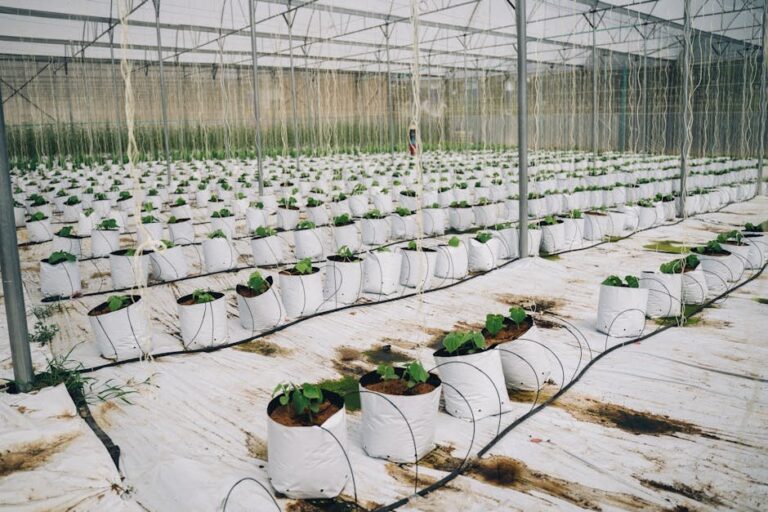
Benefits and Advantages of Drip Irrigation
Now that we’ve explored how drip irrigation works, let’s dive into its benefits for potted plants, including increased water efficiency and reduced evaporation.
Water Conservation in Small Spaces
When you’re limited to small spaces like apartments or compact gardens, conserving water is crucial. This is where drip irrigation shines – it’s particularly beneficial for potted plants, which often don’t have room for extensive watering systems. With drip irrigation, water is delivered directly to the roots of your plants, reducing evaporation and runoff.
This approach is especially effective in small spaces because it minimizes waste. Traditional overhead watering methods can result in a significant amount of water being lost to evaporation, which is not only wasteful but also unnecessary. In contrast, drip irrigation delivers exactly what your plants need, when they need it. For instance, if you’re growing herbs on your balcony, using a drip irrigation system ensures that each pot receives the right amount of moisture.
To maximize water conservation in compact spaces, consider the following: use a timer to regulate watering schedules, choose plants suitable for low-water conditions, and monitor soil moisture levels regularly. By implementing these strategies with drip irrigation, you’ll not only be saving water but also ensuring your potted plants receive the care they need to thrive.
Reduced Overwatering Risks
Overwatering is one of the most common mistakes plant enthusiasts make when caring for their potted plants. Traditional pot watering methods can lead to a buildup of excess moisture in the soil, causing roots to rot and leaving plants vulnerable to pests and diseases. According to a study by the National Gardening Association, overwatering is responsible for 50% of plant fatalities.
Drip irrigation minimizes this risk significantly. By delivering water directly to the roots, you avoid wetting the leaves or upper soil layers where excess moisture tends to accumulate. This targeted approach ensures that your plants receive only what they need to thrive, without leaving them susceptible to waterlogged conditions. To further reduce overwatering risks with drip irrigation, consider implementing a few simple best practices: monitor soil moisture levels using a moisture meter, adjust watering schedules based on plant type and climate, and avoid clogging the emitters by keeping them clean and debris-free. By taking these precautions, you’ll enjoy healthier, happier plants all year round.
Improved Plant Health
Delivering precise amounts of water directly to plant roots is the key to improved plant health through drip irrigation. Unlike traditional watering methods that often lead to overwatering and underwatering, drip irrigation ensures every drop counts. This targeted approach allows plants to absorb exactly what they need, reducing stress caused by excess moisture.
With drip irrigation, you can say goodbye to fungal diseases that thrive in waterlogged soil, and hello to a healthy root system that’s better equipped to absorb nutrients from the potting mix. For instance, if your potted plant is prone to root rot, switching to drip irrigation can make all the difference. By providing just the right amount of moisture, you’ll be able to prevent these issues altogether.
To take it to the next level, consider incorporating a sensor that monitors soil moisture levels and adjusts watering schedules accordingly. This ensures your plants never experience periods of drought or waterlogging, leading to healthier and more resilient growth.
Setting Up a Drip Irrigation System for Potted Plants
To get started, you’ll need to choose the right equipment for your potted plants, including drip irrigation kits and tubing, which we’ll walk through in detail. Let’s dive into setting up a reliable system!
Choosing the Right Equipment
When it comes to setting up a drip irrigation system for potted plants, choosing the right equipment is crucial. You’ll need a few key components to get started: tubing, drippers, and a timer.
Tubing is the main conduit for water flow through your system. Look for food-grade or medical-grade tubing that’s specifically designed for irrigation. This type of tubing will be resistant to kinking, cracking, and UV damage from sunlight. For most small-scale systems, 1/4″ or 1/2″ tubing is a good starting point.
Drippers are the devices that release water directly onto the roots of your plants. You can choose between in-line drippers, which fit snugly into the tubing, or end-of-pipe drippers, which sit at the end of a line and distribute water more broadly. In general, it’s best to space drippers about 6-12 inches apart to ensure even watering.
A timer is essential for automating your system and ensuring that plants receive exactly the right amount of water throughout the day. You can opt for a manual timer or a smart one with Wi-Fi connectivity. Consider investing in a timer with a built-in pressure regulator, which will help maintain consistent water flow through your system.
Installation Tips for Maximum Efficiency
When installing your drip irrigation system for potted plants, there are several key considerations to keep in mind in order to maximize efficiency. First and foremost, consider the spacing of your plants. Drip irrigation systems work best when plants are spaced at least 12-18 inches apart, allowing for even water distribution.
To determine how many drippers you’ll need per plant, calculate a watering schedule based on the specific needs of each plant type. For example, if your plants require 1 gallon of water per day and have a drip irrigation system with a flow rate of .05 gallons per minute, you can estimate that one dripper will be sufficient for every two to three plants.
In general, it’s best to place drippers as close to the root zone as possible, usually within 6-12 inches of the plant. When installing multiple rows or levels of potted plants, make sure to stagger drip placement to avoid water competition between rows. This will help ensure efficient watering and prevent overwatering.
Troubleshooting Common Issues
Troubleshooting common issues with drip irrigation systems is relatively straightforward if you know what to look for. One of the most common problems is clogged drippers, which can be caused by mineral buildup, debris, or even algae growth. To prevent this, make sure to flush your system regularly and check for any blockages before adding new plants.
Another issue that may arise is inadequate water pressure, which can cause the drippers to struggle to deliver water evenly. This can often be solved by adjusting the pressure regulator or replacing it altogether if it’s old. Additionally, ensure that all connections are secure and not leaking water.
Some other common problems include drippers that refuse to turn off, usually due to faulty timers or stuck valves. If you’re experiencing this issue, inspect your timer settings and make sure that they’re set correctly, and also check for any debris that may be obstructing the valve’s movement.
Understanding Drip Irrigation Components
To set up a drip irrigation system for your potted plants, it’s essential to understand the various components involved and how they work together in harmony.
Tubing Selection for Potted Plants
When selecting tubing for drip irrigation systems in potted plants, you have several options to consider. The type of material is crucial, as it will affect the system’s efficiency and durability. Polyethylene (PE) tubing is a popular choice due to its flexibility, resistance to kinking, and affordability. However, if you’re looking for a more durable option, polypropylene (PP) tubing might be a better fit.
In terms of diameter, you’ll want to choose tubing that matches the size of your drippers. Standard sizes range from 1/4 inch to 1 inch in diameter. A larger diameter will allow for more water flow but may be less efficient than smaller diameter options.
Length is also an essential consideration when selecting tubing. You can opt for pre-cut sections or buy rolls of tubing and cut them as needed. It’s essential to consider the length required based on your pot size and drip irrigation layout. A general rule of thumb is to allow about 12-18 inches between drippers, but this may vary depending on the specific system design.
When choosing tubing, also think about any additional features you might need, such as built-in filters or pressure regulators. Some systems come with pre-assembled tubing and dripper sets that can simplify the setup process.
Dripper Types and Their Applications
Dripper types play a crucial role in determining the efficiency and effectiveness of a drip irrigation system for potted plants. There are several types of drippers, each designed to cater to specific plant requirements and watering needs.
Emitters are one of the most common types of drippers, releasing water at a consistent rate over a wide area. They’re ideal for plants that require a moderate amount of water, such as African Violets or Begonias. Micro-tubers, on the other hand, deliver water directly to the roots through tiny tubes, making them perfect for plants with deep root systems like Herbs or Succulents.
Stake drippers are another type, attached to stakes that insert into the soil near the base of the plant. These are excellent for plants that have a shallow root system, such as Cacti or Bonsai trees. You can also opt for adjustable drippers, which allow you to change water flow rates according to your plant’s needs.
It’s essential to select the right type of dripper based on your potted plant’s requirements. For example, if you have a large pot with multiple plants, a soaker hose connected to a single drip irrigation system can be more efficient than individual drippers for each plant.
Fittings and Connectors
When assembling a drip irrigation network for potted plants, having the right fittings and connectors is crucial. These components allow you to connect drippers, emitters, and other devices, ensuring that water reaches every part of your plant’s roots.
You’ll need the following essential fittings: T-connectors, elbow connectors, end caps, and couplers. T-connectors are used to split or combine flows between multiple drippers or emitters. Elbow connectors allow you to change direction at a 90-degree angle, while end caps seal the ends of tubes to prevent water from escaping. Couplers join two tubes together securely.
When choosing fittings and connectors, consider the tube size, material, and compatibility with your drip irrigation system. Some systems require specific adapters or converters for certain components. For example, if you’re transitioning from a 1/4″ tube to a 1/2″ tube, you’ll need an adapter to ensure secure connections.
It’s also essential to choose high-quality fittings that can withstand water pressure and temperature fluctuations. Investing in durable components will save you time and money in the long run by minimizing leaks and other issues. By selecting the right fittings and connectors for your drip irrigation network, you’ll be well on your way to a healthy and thriving potted plant.
Designing an Efficient System for Potted Plants
When designing a drip irrigation system for potted plants, it’s crucial to consider factors that ensure optimal water distribution and minimize waste. Let’s dive into the key components of an efficient system.
Plant Selection and Spacing Considerations
When choosing plants for drip irrigation systems, it’s essential to select species that are well-suited for this method of watering. Plants with shallow root systems and those that require consistent moisture levels tend to thrive under drip irrigation. Consider incorporating plants like succulents, herbs, or flowering varieties that benefit from precise water delivery.
Proper spacing is also crucial within containers to ensure effective water distribution. A general rule of thumb is to leave at least 1-2 inches between plant stems and the dripper emitters. This allows for unobstructed water flow and prevents clogging.
To optimize space, consider the mature size of each plant and arrange them accordingly. Grouping plants with similar watering needs together can also help streamline your drip irrigation setup. For instance, placing multiple herbs near each other will make it easier to manage their individual water requirements. By carefully selecting and spacing plants for your drip irrigation system, you’ll create a harmonious environment that promotes healthy growth and reduces water waste.
Water Pressure Requirements
When designing an efficient drip irrigation system for potted plants, it’s essential to consider water pressure requirements. Incorrect pressure can lead to reduced system performance, water waste, and even damage to the equipment.
To determine the right water pressure, start by checking the manufacturer’s recommendations for your specific dripper emitters or micro-sprayers. These devices typically operate within a specific pressure range, usually between 10-30 psi (pounds per square inch). For most potted plants, a lower pressure setting is sufficient to deliver the required amount of water.
A general rule of thumb is to aim for a pressure drop of around 5-7 psi across the dripper emitters. This allows for adequate flow rates while minimizing waste and energy consumption. You can use a pressure gauge to measure the pressure at the point of installation, ensuring that it falls within the recommended range. By getting this crucial aspect right, you’ll optimize your system’s performance, conserve water, and give your potted plants the best possible chance to thrive.
System Sizing and Scalability
When designing an efficient system for potted plants, one crucial aspect to consider is determining the correct size of your drip irrigation system. This will ensure that each plant receives the right amount of water, without wasting a single drop.
To calculate the ideal system size, start by counting the number of plants you need to irrigate and their respective pot sizes. A good rule of thumb is to allocate 1-2 drippers per 4-inch diameter pot, depending on the watering needs of your specific plant species. For example, if you’re growing a high-water-demanding plant like a tomato in a 6-inch pot, you’ll want to use more drippers than for a low-water-demanding succulent.
Consider also the spacing between plants and pots. A general guideline is to leave at least 1-2 inches of space around each pot to allow for easy access and prevent waterlogging. Don’t forget to factor in any potential growth of your plants over time, as this will impact their watering requirements and system size.
Maintenance and Upkeep of Drip Irrigation Systems
To keep your drip irrigation system running smoothly, it’s essential to regularly inspect and maintain its components to prevent clogs and optimize water delivery. Regular maintenance ensures healthy plants thrive all season long!
Regular Cleaning and Inspection
Cleaning your drip irrigation system regularly is crucial to maintain its effectiveness and prevent problems that can affect your plants. Dirt and debris can clog drippers, reducing the water pressure and flow rate, while damaged tubing can lead to leaks and waste of water.
Check your tubing for any signs of damage, such as cracks, cuts, or blockages. Inspect each piece carefully, paying attention to bends, connections, and areas where it passes through soil or mulch. Make it a habit to clean the drippers every 1-2 weeks by gently removing them from their emitters and rinsing with water. This simple step can significantly improve the system’s performance.
When cleaning your drip irrigation system, also check for any mineral buildup or scaling on the tubes and drippers. You can use a solution of water and white vinegar to dissolve these deposits. After each inspection and cleaning session, make sure to dry the tubing thoroughly to prevent water spots from forming.
Regular maintenance will save you time and money in the long run by preventing costly repairs and ensuring your plants receive the right amount of water. By incorporating this simple routine into your gardening schedule, you’ll enjoy healthier, happier potted plants with a reliable drip irrigation system that works efficiently.
Checking Water Quality
Monitoring water quality is crucial when using drip irrigation systems for potted plants. Poor water quality can lead to clogging and contamination issues that can harm your plants. To check the water quality, you’ll need a water testing kit specifically designed for gardening or agriculture. These kits usually include pH test strips, nutrient level testers, and total dissolved solids (TDS) meters.
Start by checking the pH level of your water. Most potted plants prefer a slightly acidic to neutral pH range (around 6-7). If your water is too alkaline or acidic, it can cause nutrient deficiencies or salt buildup in the soil. Next, test for nutrient levels, such as nitrogen and potassium. These essential nutrients are often added to fertilizers but can also be present naturally in tap water.
To maintain good water quality, consider using a water filter designed specifically for gardening. These filters can remove impurities and contaminants that might otherwise harm your plants. Regularly testing your water will help you identify any issues before they become major problems. By monitoring the water quality and taking corrective action when necessary, you’ll be able to provide your potted plants with the best possible care using your drip irrigation system.
Adjusting System Settings
As you continue to observe and learn from your potted plants’ responses to drip irrigation, it’s essential to make adjustments as needed. This process is crucial for ensuring that your plants receive the right amount of water at the optimal pressure.
Begin by observing your plants’ responses to the initial watering schedule. If you notice leaves becoming wilted or the soil feels dry to the touch, increase the frequency of watering by adjusting the timing in your system’s controller. Conversely, if you see leaves developing yellow tips or the soil feels too wet, decrease the frequency to prevent overwatering.
Adjusting pressure is also essential for optimal performance. If you notice water droplets on leaves or a soggier-than-desired soil mix, reduce the pressure setting. On the other hand, if your plants seem stressed due to under-watering, increase the pressure slightly. Keep in mind that even slight variations in pressure can significantly impact plant health.
In addition to adjusting timing and pressure, consider factors such as temperature fluctuations and seasonal changes when making adjustments. These factors may necessitate alterations to your system’s settings to ensure your plants receive optimal care throughout their entire lifecycle.
Troubleshooting Common Issues with Drip Irrigation
Even the most well-designed drip irrigation systems can experience issues, and knowing how to troubleshoot common problems will save you time and frustration. Let’s tackle some of the most common issues that come up in potted plant setups.
Leaks and Water Pressure Problems
Leaks and water pressure problems are some of the most common issues faced by potters using drip irrigation systems. These issues can lead to under-watered plants, wasted water, and reduced system performance.
One of the main causes of leaks is damaged tubing or emitters. Regularly inspect your drip irrigation system for any signs of damage, such as cuts, cracks, or blockages. Replace any damaged components promptly to prevent further leaks. Additionally, ensure that all connections are secure and tightened properly to prevent water from escaping.
Low water pressure can also cause problems with your drip irrigation system. This is often due to clogged emitters, kinked tubing, or insufficient water supply. Check the water supply line for any blockages or kinks, and ensure that the emitters are clear of debris. If you’re experiencing low water pressure, consider upgrading to a more powerful pump or using a pressure-regulating device.
Inadequate flow rates can also lead to reduced system performance. This is often due to clogged tubing or insufficient emitter spacing. To address this issue, check the tubing for any blockages and ensure that the emitters are spaced correctly according to the manufacturer’s guidelines.
Clogged Drippers and Tubing
Clogged drippers and tubing are common issues that can hinder the effectiveness of your drip irrigation system for potted plants. To clear these clogs, you’ll need to identify the source of the blockage and take steps to prevent it from happening again.
First, inspect the drippers and tubing regularly for signs of mineral buildup or debris accumulation. Use a soft-bristled brush to gently scrub away any visible deposits. For more stubborn clogs, soak the affected area in warm water mixed with a small amount of white vinegar (1 part vinegar to 2 parts water). This solution will help break down and dissolve mineral-based blockages.
If you’re dealing with a clogged dripper, try removing it from the system and cleaning it by submerging it in a bowl of soapy water. Use a soft cloth or brush to clean out any debris. Once clean, reassemble the dripper and replace it in the system.
For more severe blockages, you may need to replace the affected tubing or drippers entirely. To prevent clogs from occurring in the first place, consider using a filter or screen on your water source to catch debris before it enters the irrigation system. Regularly flushing your system with clean water can also help keep it running smoothly and clear out any buildup.
System Malfunctions and Electrical Issues
System malfunctions and electrical issues can be frustrating to deal with, especially when they affect the watering of your precious potted plants. Let’s face it, a malfunctioning drip irrigation system can cause more harm than good, leading to overwatering or underwatering, which can be detrimental to plant health.
First and foremost, identify the source of the problem. Is it a faulty sensor, a malfunctioning controller, or a blown fuse? Check your user manual for troubleshooting guides specific to your system’s components. If you’re still unsure, consult online resources or reach out to the manufacturer’s customer support.
In some cases, electrical issues can be caused by power surges or fluctuations in the household circuit. To minimize the risk of damage, consider investing in a surge protector specifically designed for outdoor use. Regularly inspect your system’s connections and make sure they’re secure and not corroded. By taking proactive steps to identify and address electrical issues, you’ll ensure your drip irrigation system runs smoothly and efficiently, providing your potted plants with the right amount of water at the right time.
Conclusion: Making the Most of Your Drip Irrigation System
Now that you’ve successfully set up and maintained your drip irrigation system, let’s explore some practical tips to get the most out of it. This will ensure optimal plant health all season long.
Optimizing Water Use
To optimize your drip irrigation system’s water use, consider the unique needs of your plants, soil conditions, and climate. For example, succulents like aloe vera and echeveria require less moisture than tropical plants like peace lilies or ferns. To cater to these differences, adjust the flow rate and frequency of watering according to plant type.
If your plants are pot-bound or have slow-draining soil, reduce the water volume and increase the watering interval. Conversely, if you’re using well-draining pots or dealing with high-temperature environments, increase the water supply to prevent drought stress.
Consider also the seasonal changes in climate, as plants may require more or less moisture during different times of the year. Be mindful of soil salinity levels, which can be a concern with drip irrigation systems. Regularly check and adjust the pH level to maintain optimal nutrient absorption and plant health.
For optimal results, monitor your system’s performance regularly, adjusting parameters such as flow rate, water pressure, or timer settings as needed.
Long-Term Benefits and Savings
By implementing a drip irrigation system for your potted plants, you’ll not only save time and effort but also reap long-term benefits that can significantly impact your wallet and the environment. One of the most significant advantages is reduced water bills. Drip irrigation systems use up to 30% less water compared to traditional watering methods, resulting in substantial savings over time.
In addition to cost savings, drip irrigation systems can lead to increased yields due to precise water delivery directly to the roots of your plants. This promotes healthy growth and reduces the risk of overwatering, which is a common cause of plant stress and disease. Moreover, efficient watering practices minimize waste and runoff, reducing the environmental impact of excess water.
To maximize these benefits, it’s essential to monitor your system regularly and make adjustments as needed. Regular maintenance will ensure that your plants receive exactly what they need, preventing overwatering or underwatering. With a drip irrigation system, you’ll be able to enjoy healthy, thriving plants while also contributing to a more sustainable future.
Frequently Asked Questions
What’s the ideal plant spacing for a drip irrigation system in small spaces?
When planning your potted plant oasis, keep in mind that closer plant spacing can increase water efficiency. For most plants, maintain a spacing of about 6-12 inches between each plant. This allows the roots to absorb water evenly and minimizes waste. Experiment with different spacings to find the perfect balance for your specific setup.
How often should I inspect my drip irrigation system for leaks or clogs?
Regular maintenance is crucial for optimal performance. Schedule a monthly inspection of your system, checking for signs of leaks, blockages, or worn-out components. Adjust system settings as needed, and perform routine cleaning to ensure maximum efficiency and longevity.
Can I use a single dripper per pot, or should I space them out?
The number of drippers per pot depends on the plant’s specific needs. For most plants, using one dripper per pot is sufficient. However, if you have larger pots or multiple plants with high water demands, consider spacing drippers about 6-8 inches apart to ensure even watering.
How can I ensure my drip irrigation system works efficiently in areas with low water pressure?
When dealing with low water pressure, it’s essential to choose the right equipment. Look for a system designed for low-pressure applications and use smaller tubing or drippers to minimize resistance. You may also need to adjust your plant selection and spacing to accommodate the reduced flow rate.
Can I reuse existing irrigation components with my new drip irrigation system?
Before repurposing old components, consider their condition and compatibility. If they’re in good shape, you can often adapt them for use with a drip irrigation system. However, make sure to inspect and clean any reused parts thoroughly to prevent contamination or clogging issues.