
As the air grows cooler and leaves start to change, our homes often benefit from a seasonal refresh. One easy way to add rustic charm to your decor is by creating stunning dried fall containers that bring the beauty of nature indoors. But where do you even begin? Choosing the right vase or container can be overwhelming, especially when you’re looking for a specific look. That’s why we’ve put together this collection of beautiful and easy DIY dried fall container ideas. From simple arrangements in mercury glass vases to show-stopping centerpieces that make a statement, we’ll walk you through everything you need to know to create your own gorgeous autumnal decor. Whether you’re a seasoned crafter or a beginner, get ready to add some cozy charm to your space with these gorgeous dried fall container ideas!
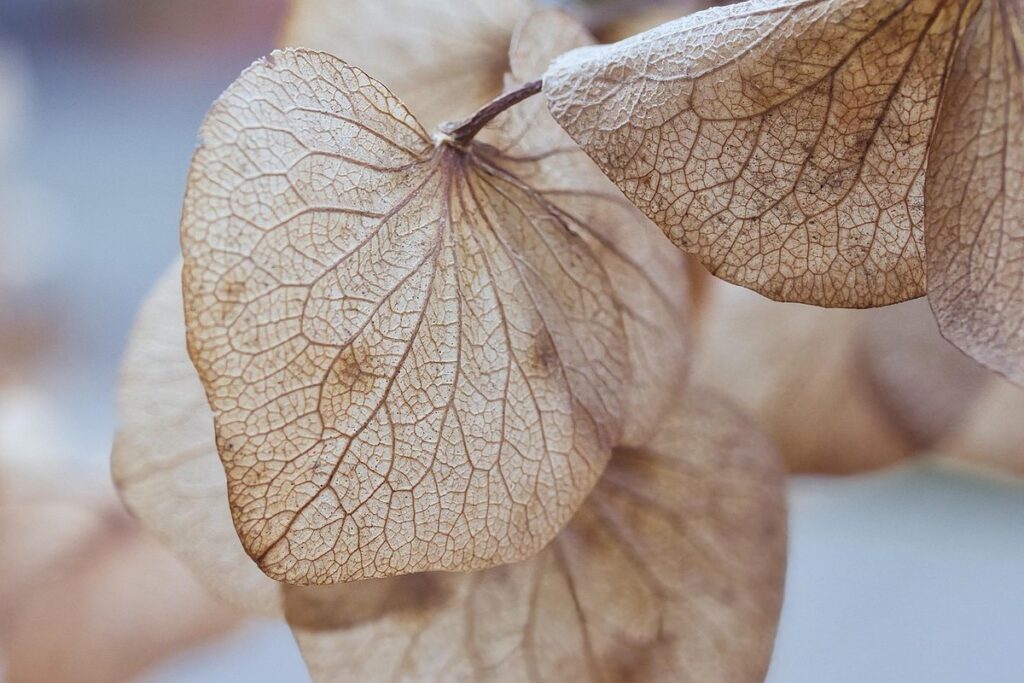
Creating a Focal Point with Dried Fall Containers
To add visual interest and create a stunning centerpiece, let’s explore how to use dried fall elements in containers to make a lasting impression on your porch or entryway.
Choosing the Right Vase or Container
When it comes to creating a stunning dried fall arrangement, selecting the right vase or container is just as important as choosing the perfect foliage. A well-suited vessel can elevate the entire display and draw attention to its beauty. Let’s start with size – choose a vase that’s proportional to your space and arrangement. A large, statement piece will overwhelm a small table, while a tiny vase will get lost amidst a lush fall display.
Consider the shape of your container as well. A round or spherical vessel adds visual interest, but might be less effective for tall arrangements. On the other hand, a slender, cylindrical vase creates a sense of drama and height. Material is another crucial factor – glass or mercury glass vases add a touch of sophistication, while terracotta or wooden containers bring in a cozy, rustic feel.
To create a focal point that draws attention to your arrangement, place the largest, most interesting elements towards the front and center. Balance out the composition by distributing smaller accents and foliage around the vessel. Remember, the right container can make all the difference in creating a breathtaking dried fall display that adds warmth and character to any room.
Preparing Your Dried Materials
When it comes to creating a stunning dried fall container, preparation is key. Preparing your dried materials not only enhances their texture and color but also helps them blend seamlessly with other elements in your design. To begin, you’ll need to dry flowers, leaves, and branches to perfection.
To dry flowers, gently tie them in small bunches using twine or wire, then hang them upside down in a warm, dry place. This method is particularly effective for delicate blooms like baby’s breath or Queen Anne’s lace. For tougher petals like sunflowers or dahlias, you can air-dry them flat on paper bags or newspaper.
For leaves and branches, simply tie them together in small bunches and hang them upside down to dry. You can also bundle them with wire or twine for a more rustic look. Consider selecting materials in similar colors or textures to create a cohesive look in your container design. For instance, pairing dried red maple leaves with crimson-hued berries creates a beautiful monochromatic scheme that adds depth and visual interest to your arrangement.
Mixing and Matching Dried Fall Elements
Now that you’ve gathered your dried fall elements, let’s explore creative ways to combine them for a one-of-a-kind display in your containers. Experimenting with different textures and colors is key!
Combining Different Textures
Combining different textures is one of the most effective ways to add depth and interest to your dried fall arrangement. When you pair contrasting textures like smooth leaves with rough twigs, it creates a visually appealing contrast that draws the eye.
For example, consider pairing delicate, smooth maple leaves with gnarled, textured branches. The softness of the leaves provides a beautiful backdrop for the rugged texture of the twigs. You can also combine velvety-smooth seed pods with wispy, dried grasses for a stunning visual effect.
To balance contrasting textures, remember to maintain visual harmony by using them in moderation. A good rule of thumb is to pair one or two statement pieces with more subtle textures that tie everything together. Don’t be afraid to experiment and mix-and-match different textures until you achieve the desired look.
Creating a Monochromatic Look
Creating a monochromatic look with dried fall materials is an excellent way to add visual cohesion and depth to your container arrangement. This technique involves using various shades of a single color to create a harmonious palette. For example, you can combine different textures and shades of golden yellow leaves, from light honey to rich amber, to create a stunning monochromatic display.
To select materials for a monochromatic scheme, start by gathering items in varying degrees of the chosen color. Consider including different shapes, sizes, and textures to add visual interest. For instance, pair delicate, translucent flower petals with bold, curved seed pods or berries. When arranging your materials, group similar shades together to create a gradient effect, or scatter them throughout the container for a more playful look.
Remember, the key to a successful monochromatic arrangement is balance and restraint. Avoid over-accessorizing by limiting the number of items in each color family, and don’t be afraid to experiment with different combinations until you achieve the desired visual effect. With practice, you’ll find that creating a monochromatic look becomes second nature, allowing you to craft beautiful, cohesive arrangements that add rustic charm to your home.
Adding Focal Elements with Dried Fall Accents
Take your dried fall containers to the next level by incorporating beautiful and easy-to-create focal elements, adding depth and visual interest to any space. A few simple additions can make a big impact!
Using Berries and Pinecones
When it comes to adding depth and visual interest to your dried fall arrangements, few elements can rival the beauty of berries and pinecones. These natural treasures are abundant during the fall season and can be easily incorporated into your designs.
Berries, whether they’re plump cranberries or delicate rose hips, add a pop of color and texture that’s hard to resist. They come in a range of colors, from deep reds and burgundies to soft pinks and whites. To use berries effectively, consider clustering them together in small bunches or scattering them throughout your arrangement for a more relaxed look.
Pinecones, on the other hand, bring an air of rustic charm to any design. They can be used as standalone accents or paired with other elements like leaves and twigs. When selecting pinecones, choose ones that are dry and free of sap for easier handling and longer-lasting arrangements. To incorporate berries and pinecones together, try grouping them in small clusters around the base of your container, then building up to a focal point using larger elements.
Some other tips to keep in mind: when combining multiple types of dried fall elements, balance is key. Experiment with different textures and colors until you find a combination that works for you.
Incorporating Other Natural Elements
When working with dried fall arrangements, it’s easy to get caught up in using just leaves and twigs. But why stop there? Incorporating other natural elements can add depth and visual interest to your containers. Consider adding seed pods, acorns, or even feathers to create a unique and dynamic look.
Seed pods are an excellent choice for dried fall arrangements, particularly those with a rustic or wildflower theme. Look for pods that have retained their shape and texture, as these will add a delightful tactile element to your design. Arrange them in a loose, organic pattern amidst the other foliage. For example, you could scatter seed pods throughout a container filled with dried hydrangeas and eucalyptus.
When selecting natural elements like acorns or feathers, opt for those that have interesting textures or shapes. You can arrange these items along the edges of your containers or group them in clusters to create visual interest. To add an extra layer of depth, try layering different types of foliage and natural elements, such as placing a bed of dried leaves at the base of the container and arranging seed pods or acorns on top.
Displaying Your Dried Fall Containers
Now that you’ve created your stunning dried fall containers, let’s explore some inspiring ways to display them and bring their beauty into focus.
Placement Ideas for Your Arrangements
When it comes time to display your dried fall containers, you’ll want to consider where they’ll be placed and choose materials that complement their surroundings. For a cozy mantel, group a few small arrangements together with some pillar candles or greenery for added depth. Alternatively, place a single statement piece on a console table or sideboard to create a beautiful vignette.
For tabletops, try pairing a dried fall container with a seasonal vase or a bowl of seasonal fruit to add visual interest. Consider the color palette and textures you’re working with – warm earthy tones like burlap and twine can add a rustic touch to any space. If you’re displaying your arrangement on the floor, create a focal point by grouping multiple containers together in a loose, organic shape.
Remember to think about the overall flow of traffic through the room when selecting materials and design elements – you don’t want your dried fall container to get lost amidst clutter or competing decor. By considering these factors, you can create beautiful, cohesive displays that add rustic charm to any space.
Tips for Long-Lasting Arrangements
To keep your dried fall arrangements looking their best throughout the season, it’s essential to take some simple steps. First, consider using preservatives specifically designed for dried flowers and foliage. These products help prevent moisture from accumulating and causing wilted or moldy spots. Popular options include glycerin-based sprays and floral foam.
When creating your arrangement, make sure to trim stems at an angle and use a good quality potpourri or filler material to add depth and texture. Avoid overstuffing the container, as this can lead to congestion and premature decay. Instead, aim for a balanced look with plenty of negative space.
To maintain your arrangement’s appearance over time, gently dust off any debris that accumulates on the surface. This will help prevent moisture from building up and causing damage. Finally, consider replanting or refreshing your arrangement every few weeks to keep it looking fresh and vibrant. By following these tips, you can enjoy your beautiful dried fall arrangements all season long without worrying about them losing their charm.
DIY Dried Fall Container Projects
Add a touch of rustic charm to your home with these easy-to-make DIY dried fall container projects that are perfect for any season. We’ll show you how to create them.
Creating a Wreath with Dried Fall Materials
Creating a beautiful dried fall wreath is a fun and rewarding DIY project that can add a touch of rustic charm to your home. To start, gather a variety of dried fall materials such as wheat, oats, corn husks, and dried flowers like baby’s breath or sunflowers. Select items with interesting textures and colors to create depth and visual interest.
Begin by shaping the base of your wreath using a wire or foam form, which will serve as the foundation for your arrangement. You can use floral wire or hot glue to secure the materials in place, starting from the bottom and working your way up. Experiment with different patterns and arrangements, such as a loose, organic look or a more structured, symmetrical design.
As you work, don’t be afraid to add some decorative elements like pinecones, acorns, or ribbons to enhance the autumnal theme. When you’re satisfied with your arrangement, fluff out any stray materials and trim any excess wire or stems. Finally, hang your beautiful dried fall wreath on a door, wall, or mantel, and enjoy the warm, cozy ambiance it brings to your home.
Designing a Centerpiece with Dried Fall Elements
When designing a centerpiece with dried fall elements, the container you choose can set the tone for the entire arrangement. Consider using terracotta pots, wooden planters, or mercury glass vases to add a rustic touch. These materials will complement the natural beauty of the dried elements and create a warm, inviting atmosphere.
To arrange your materials, start by adding a base layer of greenery, such as eucalyptus or ferns, to provide texture and depth. Next, incorporate dried elements like wheat, oats, or sunflowers in varying heights and textures to add visual interest. Consider grouping similar items together, like placing multiple bunches of dried flowers in one area.
To create a focal point, incorporate candles or greenery with subtle scents to draw the eye to specific areas of the arrangement. For example, place a mercury glass votive candle near a cluster of dried sunflowers, and nestle some eucalyptus sprigs among the wheat stalks for added fragrance and texture.
Frequently Asked Questions
What if I don’t have a large enough space for a statement piece? Can I still create a dramatic dried fall arrangement?
You can definitely create a stunning dried fall arrangement even with limited space. Consider using a smaller vase or container and pairing it with larger, more dramatic elements like branches or dried flowers. This will draw the eye upwards and make the most of your vertical space.
How do I ensure my dried fall containers last long after the initial display?
To maintain the longevity of your arrangements, avoid exposing them to direct sunlight, moisture, or extreme temperatures. Also, regularly inspect and fluff out any compacted materials to prevent mold or mildew growth. With proper care, your dried fall arrangements can remain beautiful for months.
Can I use artificial dried fall elements instead of real ones?
Yes, using artificial dried fall elements is a great alternative, especially if you’re short on time or prefer low-maintenance decor. Look for high-quality artificial materials that mimic the texture and color of real dried flowers and foliage. This will still bring a beautiful autumnal touch to your space without the hassle.
What’s the best way to incorporate other natural elements into my dried fall containers?
Incorporating other natural elements like pinecones, berries, or seed pods can add depth and visual interest to your arrangements. Simply scatter them throughout the container or use them as focal points to create a sense of movement and texture. Consider grouping similar elements together for a cohesive look.
How do I balance my dried fall containers with other decorative elements in my space?
To ensure your dried fall containers complement your existing decor, consider the color palette, texture, and style of your surrounding furniture and accents. Choose vases or containers that match or harmonize with these elements, and balance the arrangement by incorporating a mix of textures and heights.