
If you’re anything like me, you’ve probably fallen in love with the elegant look and low-maintenance nature of your dracaena plant. But did you know that you can multiply these beautiful plants without spending a fortune on new ones? Dracaena propagation through cuttings is a simple yet effective way to share your favorite varieties with friends or expand your indoor jungle.
In this article, we’ll take you by the hand and walk you through the step-by-step process of successfully propagating dracaena plants using cuttings. We’ll cover preparation, explore different propagation methods, and provide expert tips on care for optimal results. Whether you’re a seasoned plant parent or just starting your indoor gardening journey, this guide will equip you with the knowledge to grow new dracaenas from scratch and enjoy their stunning beauty in no time. Let’s dive into the world of dracaena propagation cuttings!
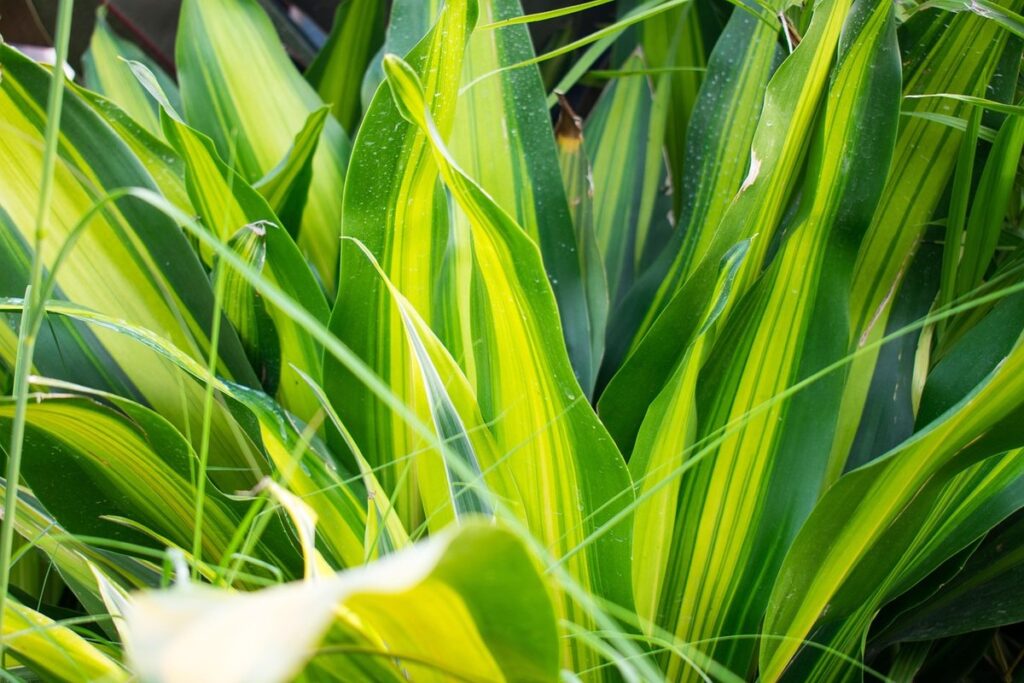
Choosing Healthy Parent Plants
When choosing healthy parent plants for propagation, select ones with firm leaves and a well-established root system to ensure successful cuttings. Look for plants that are disease-free and have no signs of pests.
Assessing Mother Plant Quality
When it comes to successfully propagating Dracaena cuttings, selecting a healthy mother plant is crucial. A robust parent plant will increase the chances of producing viable and thriving new plants. To assess the quality of your Dracaena mother plant, look out for signs of stress, pests, and diseases.
Some common indicators of stress in Dracaena include yellowing leaves, droopy stems, or a general decline in growth rate. These can be caused by factors such as overwatering, underwatering, or exposure to extreme temperatures. Check the plant’s roots too – if they’re circling around the pot or pushing through the drainage holes, it may indicate that the plant has outgrown its container.
Inspect the plant for pests like spider mites, mealybugs, or scale. These tiny insects can cause damage to leaves and stems, making it challenging for cuttings to root successfully. Fungal diseases like root rot or leaf spot can also weaken the mother plant and reduce its chances of producing healthy offspring.
Identifying Ideal Conditions for Propagation
When preparing your dracaena cuttings for propagation, it’s essential to create ideal conditions that will support their growth and development. This involves providing the right balance of light exposure, temperature, and humidity levels.
Light is a critical factor in promoting healthy root development in your dracaena cuttings. While dracaena plants can tolerate low light, they require bright, indirect light to thrive when propagating. Placing them near an east- or west-facing window is ideal. Avoid direct sunlight, which can cause the cutting’s tissues to become scorched.
Maintain a temperature between 65°F and 75°F (18°C and 24°C) for optimal growth. Dracaena cuttings prefer warmer temperatures but may be sensitive to extreme heat or cold. Keep your propagation area away from heating or cooling vents, fireplaces, and drafty windows.
Humidity levels also play a crucial role in successful dracaena propagation. Mist the soil gently with water daily to maintain a humid microclimate around the cutting. This will help prevent moisture loss and promote healthy root development.
Preparing Cuttings for Propagation
To successfully propagate Dracaena cuttings, it’s essential to properly prepare them before planting. This involves carefully selecting and preparing the right cutting material.
Removing Lower Leaves
When it comes to preparing cuttings for propagation, removing lower leaves is an essential step that often gets overlooked. However, this process is crucial for several reasons. For one, lower leaves can be a source of water loss and transpiration, which can weaken the cutting and make it more susceptible to disease and pests. Moreover, these leaves may not have access to sunlight, which can hinder photosynthesis and slow down growth.
To remove lower leaves effectively, start by identifying the node where you want to take your cuttings from. This is usually just above a leaf joint or at the base of a stem. From there, carefully snip off any leaves that are below this node using a clean pair of scissors or pruning shears. Make sure not to damage the stem or disturb the node area. You can also use a gentle twisting motion to release any weak or damaged lower leaves.
When removing lower leaves, it’s essential to leave at least two sets of leaves on the cutting. This will ensure that your cutting has enough foliage for photosynthesis and will also help prevent moisture loss. Remember to make clean cuts just above a node to promote root development and minimize water uptake by the lower leaves.
Cutting Types: Stem, Leaf, and Crown
When it comes to taking cuttings from your Dracaena plant, you’ll typically come across three main types: stem, leaf, and crown. Each type has its own set of advantages, making them suitable for different propagation techniques.
Stem Cuttings
Take a 3-4 inch long section from the stem of the mother plant, just above a node. This is ideal for root development as it contains multiple nodes that can produce roots. Make sure to remove any lower leaves, leaving only those at the top of the cutting. Stem cuttings are relatively easy to take and can be rooted in water or a propagation tray.
Leaf Cuttings
Dracaena leaf cuttings can also be taken from mature plants. Remove 1-2 inches of the leaf stalk, and gently twist it off. This type is best suited for root development in water, as it promotes healthy root growth.
Crown Cuttings
A crown cutting involves taking a section of the plant’s crown, which includes the base of the stem with some roots attached. This method requires more care but provides higher success rates due to the presence of established roots.
When preparing any type of cutting, be sure to trim any damaged or dying tissue and treat the cut ends with a rooting hormone powder or liquid. This will help stimulate root growth and increase your chances of successful propagation.
Propagation Methods
Now that you have your cuttings, it’s time to learn the different propagation methods for successfully growing new Dracaena plants from them. We’ll walk through each technique step-by-step in this next section.
Water Rooting Method
Water can be an excellent medium for propagating dracaena cuttings. To get started with the water rooting method, you’ll need a clean glass or cup filled with water. You should use filtered or distilled water to prevent bacteria and mineral buildup.
Place the cutting into the water, making sure that at least two nodes (the joint where a leaf meets the stem) are submerged in the liquid. Change the water every few days to maintain its purity and provide oxygen to the roots as they develop.
Keep the container out of direct sunlight and in an area with consistent temperatures between 65-75°F (18-24°C). Roots should begin to appear within two weeks, while new leaves and growth will start emerging a few weeks later. Monitor your cutting regularly for signs of success or potential issues such as mold or root rot.
If you notice that the water is cloudy or have concerns about contamination, replace it with fresh water immediately. If roots fail to appear after three weeks, try adjusting the temperature or light conditions around the container.
Soil Propagation Method
When using the soil propagation method for dracaena cuttings, it’s essential to create a suitable potting medium. A well-draining mix is crucial to prevent waterlogged soil, which can lead to root rot and other issues. To make a suitable potting mix, combine equal parts of peat moss or coconut coir with perlite or vermiculite. You can also add some compost or fertilizer to provide essential nutrients for your new plant.
To plant the cutting, gently remove any lower leaves that will be submerged in the soil, and trim the stem just above a node. This will help prevent the development of fungal diseases and encourage root growth. Plant the cutting about 2-3 inches deep into the potting mix, making sure the node is covered with soil. Water thoroughly to settle the soil, but make sure not to overwater.
After planting, keep the new dracaena in a warm location (around 65°F to 75°F) with bright, indirect light. Water sparingly until roots develop, usually within 2-4 weeks. As new growth appears, you can gradually increase watering and fertilization to support the plant’s establishment. With proper care, your soil-propagated dracaena should thrive and develop into a healthy, full-grown plant over time.
Care and Maintenance After Propagation
Now that you’ve successfully propagated your dracaena cutting, it’s time to focus on care and maintenance to ensure a healthy and thriving new plant. This includes tasks like pruning and repotting.
Providing Optimal Conditions
Now that you’ve successfully propagated your dracaena cuttings, it’s time to provide them with the optimal conditions for growth. This is a critical stage, as the plants are vulnerable and require careful attention to thrive.
First and foremost, light exposure is crucial for newly propagated dracaenas. Place them in a bright, indirectly lit area, but avoid direct sunlight, which can cause scorching. A south-facing window or a grow light with a lower intensity setting will work perfectly. Aim for 12-14 hours of indirect light per day to promote healthy growth.
Water your new cuttings carefully, allowing the soil to dry slightly between waterings. Overwatering is common during this stage, so be sure to check the soil moisture daily. Water thoroughly when necessary, making sure excess water drains out of the pot to prevent root rot.
Fertilize your propagated dracaenas sparingly at first, using a balanced fertilizer diluted to half the recommended strength. As they grow, you can gradually increase the frequency and strength of fertilization. Monitor their growth closely, adjusting these conditions as needed to ensure optimal development.
Common Issues and Troubleshooting
As you navigate the process of propagating Dracaena cuttings, it’s not uncommon to encounter some common issues that can hinder successful propagation. Root rot and overwatering are two frequent problems that can arise if you’re not careful.
To identify root rot, check for soft, mushy stems or roots. If you notice any of these symptoms, stop watering immediately and repot the cutting in well-draining soil to prevent further damage. Conversely, under-watering is just as problematic – it’s essential to strike a balance between giving your cuttings enough moisture without drowning them.
Here are some tips for recognizing and addressing common issues:
* Check your water-to-pesticide ratio: Too much pesticide can cause harm to the cutting.
* Monitor temperature fluctuations: Dracaena prefer temperatures between 65-75°F (18-24°C) for optimal growth.
* Avoid transplanting too frequently: This can shock the roots and reduce chances of successful propagation.
Keep in mind that some issues, like overwatering or underwatering, are often a result of misjudging your plant’s needs. Be attentive to your cuttings’ development and make adjustments accordingly. With patience, practice, and attention to detail, you’ll be more likely to overcome these challenges and successfully propagate healthy Dracaena plants.
Advanced Propagation Techniques
Now that you’ve mastered the basics of dracaena propagation, it’s time to take your skills to the next level with these advanced techniques for successful cuttings.
Air Layering Method
Air layering is an advanced method of Dracaena propagation that involves rooting a section of stem while it’s still attached to the mother plant. This technique requires some patience and skill, but can be highly successful for enthusiasts who want to multiply their favorite varieties. To air-layer a Dracaena, start by selecting a healthy stem with at least two nodes (the joint where a leaf meets the stem). Next, make a small incision in the stem, about 6-8 inches from the top of the plant, just deep enough to expose the node.
Gently insert a few moistened sphagnum moss pieces into the incision and secure them with a wire or twine. Cover the area with clear plastic or a propagation bag to maintain humidity and promote rooting. Over time, roots will begin to develop within the moss, usually taking 4-6 weeks. Once the new roots are established, carefully cut the stem below the moss, leaving enough stem attached to support the newly rooted section.
The advantages of air-layering include reduced shock for the cutting, as it remains attached to the mother plant, and improved root growth due to increased humidity and oxygen availability. However, this technique can be more time-consuming than traditional propagation methods and requires careful monitoring to prevent overwatering or infection.
Grafting Method
Grafting is another advanced method for propagating dracaena plants that allows you to combine a stem cutting from one plant with a root system from another. This technique is often used when you want to propagate a specific cultivar or clone of dracaena, as it ensures the new plant will retain its unique characteristics.
To graft a dracaena cutting, start by selecting a healthy stem section with at least two nodes and a mature root system from a donor plant. Cut the root system into sections, making sure each section has a node attached to it. Next, prepare the stem cutting by removing lower leaves and making a shallow incision on one side of the stem. Insert the cut end of the root section into the incision, ensuring the node is buried in the soil.
Grafting offers several benefits, including faster establishment and higher success rates compared to traditional stem cutting propagation methods. However, it also comes with some drawbacks, such as increased risk of disease transmission from the donor plant and potential difficulty in rooting if the root system is not compatible with the stem section.
Conclusion and Tips for Success
In conclusion, successfully propagating dracaena cuttings requires patience, attention to detail, and practice. Don’t be discouraged if your first attempts don’t yield the results you want – it’s a skill that takes time to develop. To increase your chances of success, make sure to choose healthy mother plants with firm, woody stems, and cut them at the right node. It’s also essential to maintain optimal growing conditions for your new cuttings, such as bright indirect light, moderate temperatures, and consistent moisture.
By following these guidelines and tips, you can successfully propagate dracaena cuttings and enjoy a bountiful harvest of new plants. Keep in mind that propagation is an art, not a science, so don’t be afraid to experiment and try different methods until you find what works best for you. With time and practice, you’ll become a pro at propagating dracaena cuttings!
Frequently Asked Questions
Can I propagate dracaena cuttings from any part of the plant?
While you can take cuttings from various parts of a mature Dracaena, some areas like the base or older leaves may not produce healthy new plants. Stick to fresh, green growth for optimal results.
How long does it typically take for propagated dracaena cuttings to root and grow new leaves?
The rooting time for dracaena cuttings can vary depending on factors such as propagation method, plant health, and environmental conditions. Generally, you can expect roots to develop within 1-3 weeks, with new leaves emerging after 2-4 weeks.
What’s the ideal temperature range for propagating dracaena cuttings?
To promote healthy growth and optimal rooting, keep the environment around your propagated cuttings between 65°F (18°C) and 75°F (24°C). Avoid placing them in areas with drafts or extreme temperatures to ensure success.
Can I use a combination of water and soil for propagating dracaena cuttings?
While both water and soil propagation methods have their advantages, using a combination approach is not recommended. Water rooting can lead to weak roots, while soil propagation may cause root rot if the conditions are not optimal. Choose one method or master it before experimenting with others.
How do I prevent my propagated dracaena cuttings from becoming leggy?
To minimize the risk of your propagated plants growing leggy, ensure they receive sufficient indirect light and maintain a consistent watering schedule. Prune your cuttings regularly to encourage bushy growth and keep them healthy.