
Are you ready to bring some tropical vibes into your home with a stunning Dracaena plant? As a beginner, taking care of this beautiful houseplant can seem intimidating, but don’t worry, we’ve got you covered! With so many varieties to choose from, selecting the right one for your space and lifestyle is crucial. In this article, we’ll dive into the essentials of Dracaena care, covering everything from fertilizing and pest control to choosing the perfect variety for your home.
We’ll share expert tips on how to keep your Dracaena healthy and thriving, ensuring it becomes a stunning centerpiece in any room. By the end of this article, you’ll be well-equipped with the knowledge to provide your plant with the TLC it needs to flourish. From beginners to seasoned green thumbs, our comprehensive guide will have you enjoying a lush, vibrant Dracaena in no time!
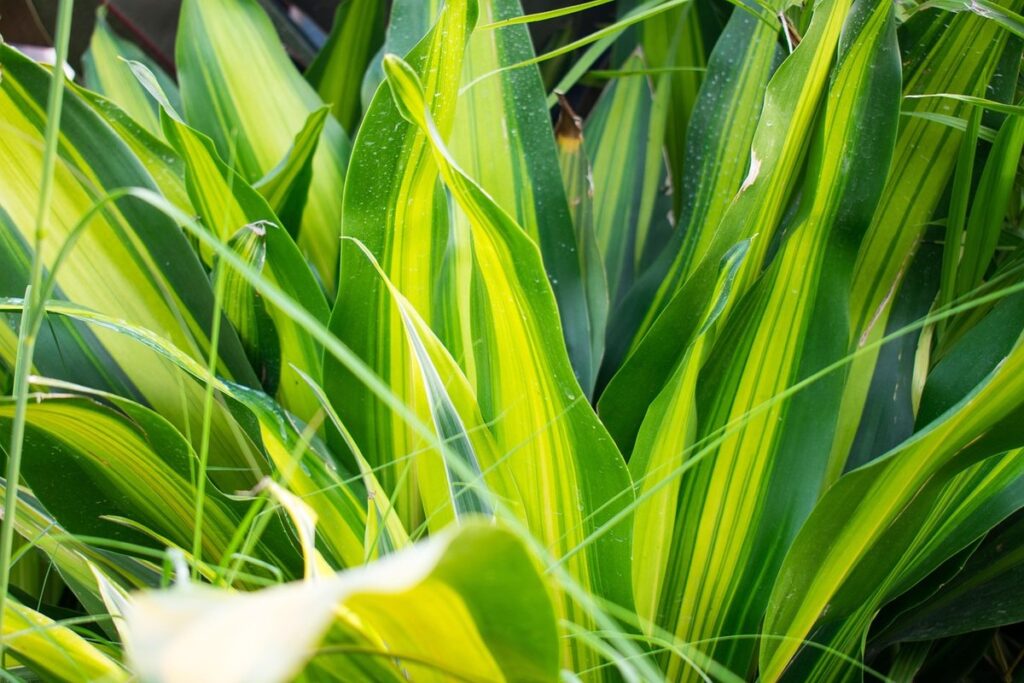
Understanding Your Dracaena Plant
To truly become a successful dracaena parent, you need to understand what makes your plant tick and thrive. Let’s dive into its key characteristics and how they impact its care.
Choosing the Right Variety of Dracaena
With over 40 varieties to choose from, selecting the right Dracaena can be overwhelming. But don’t worry, we’re here to help you navigate this decision.
To begin with, consider the space where your Dracaena will reside. If you have limited floor space or want a more compact plant, look for varieties like ‘Janet Craig’ or ‘Warneckii’. These plants are naturally smaller and can thrive in smaller spaces. On the other hand, if you’re looking to make a statement with a tall, slender plant, consider ‘Massangeana’ or ‘Red-Edged’, which can grow up to 10 feet tall.
Another factor to consider is the level of maintenance you’re willing to commit to. Some Dracaena varieties are more finicky than others and require more frequent watering or pruning. ‘Corn Plant‘, for example, prefers bright indirect light but can be sensitive to overwatering. By understanding your lifestyle and preferences, you can choose a Dracaena that fits seamlessly into your home or office decor.
Ultimately, research and observe the unique characteristics of each variety before making a decision. With patience and attention to detail, you’ll find the perfect Dracaena for your space.
Identifying Common Problems with New Dracaenas
When introducing a new dracaena plant to your indoor space, it’s not uncommon for some issues to arise. One of the most common problems is leaf drop, which can be caused by sudden changes in temperature, humidity, or light exposure. To prevent this, make sure to acclimate your plant gradually to its new environment by placing it in a shaded area for 1-2 weeks before moving it to its permanent spot.
Yellowing leaves are another common issue that may occur when bringing home a new dracaena. This can be due to overwatering, which is a common mistake even experienced plant owners make. Check the soil moisture by sticking your finger into the soil up to the first knuckle – if it’s dry, it’s time to water. But don’t overdo it; wait until the top inch of soil feels dry before watering again.
Pests like spider mites, mealybugs, or scale can also infest your new dracaena plant, especially if it’s been treated with pesticides or fertilizers during its journey from the nursery. Inspect your plant carefully and treat any infestation promptly to prevent further damage.
Lighting Requirements for Dracaena Care
When it comes to giving your dracaena plant the best care, providing the right lighting is crucial. Let’s break down exactly how much light your dracaena needs to thrive.
How Much Light Does Your Dracaena Need?
The amount of light your Dracaena needs depends on its specific type. Some popular varieties, such as the Corn Plant (Dracaena fragrans) and Red-Edged Dracaena (Dracaena marginata), prefer bright indirect light but can tolerate low light conditions. On the other hand, the Gold Dust Dracaena (Dracaena deremensis) and Dragon Tree (Dracaena draco) thrive in partial shade to full sun.
To provide optimal light conditions for your Dracaena, place it near an east- or west-facing window. Avoid direct sunlight, which can cause leaf scorch and discoloration. If you don’t have a sunny spot, consider using grow lights. Position the lights 12-18 inches away from the plant to prevent overheating.
Keep in mind that Dracaena plants can adapt to changing light conditions over time. However, sudden exposure to intense light or darkness can cause stress. Monitor your plant’s response and adjust its location accordingly. For example, if you notice yellowing leaves or dropped fronds, it may be a sign that the plant needs more or less light.
In general, it’s better to err on the side of caution and provide bright indirect light for most Dracaena varieties. This will ensure your plant stays healthy and thriving.
The Risks of Over-Exposure: Protecting Your Plant from Too Much Sunlight
Exposing your dracaena to too much sunlight can have serious consequences for its health and appearance. One of the most common risks is leaf burning, which occurs when the intense light causes the leaves to become scorched and develop brown or crispy edges. This damage can be irreversible and even lead to the death of the plant if left unchecked.
Discoloration is another issue that may arise from over-exposure to sunlight. Leaves may turn yellow or pale due to the excessive light, especially if your dracaena is accustomed to partial shade. In severe cases, the leaves might even develop brown spots or patches, which can be unsightly and affect the plant’s overall aesthetic appeal.
To prevent these issues, it’s essential to place your dracaena in a spot that receives bright, indirect light. East- or west-facing windows are ideal, as they provide gentle illumination without being too intense. Avoid direct sunlight during peak hours (usually between 11 am and 3 pm) when the sun’s rays are strongest. By taking these precautions, you can ensure your dracaena stays healthy and thrives under your care.
Watering Dracaena Plants Correctly
When it comes to keeping your Dracaena happy and thriving, watering is one of the most crucial steps. Let’s dive into the best practices for watering your Dracaena plant correctly.
Understanding Your Dracaena’s Water Needs
When it comes to watering your dracaena plant, understanding its specific needs is crucial. You’ll need to consider a few key factors: climate, soil type, and pot size.
In hot and dry climates, you may need to water your dracaena more frequently – ideally once every 7-10 days during the summer months. However, in cooler and more humid environments, your plant may require less water, typically once every 4-6 weeks. Keep an eye on the moisture level of the soil by sticking your finger into it up to the first knuckle; if the soil feels dry, it’s time for a drink.
The type of potting mix used can also impact how often you need to water your dracaena. Well-draining mixes will require more frequent watering than those that retain moisture longer. Finally, the size of the pot is another factor – smaller pots tend to dry out faster than larger ones, so be prepared to water your small dracaena more frequently.
A good rule of thumb is to err on the side of caution and underwater rather than overwatering.
Avoiding Overwatering: The Dangers of Too Much Moisture for Your Plant
Overwatering is one of the most common mistakes beginners make when caring for their dracaena plants. When you expose your plant to too much moisture, it can lead to some serious problems. One of the main risks associated with overwatering is root rot. This occurs when the roots of the plant are constantly saturated with water, causing them to decay and die.
Fungal diseases such as leaf spot and root rot can also take hold in an overwatered dracaena. These diseases thrive in moist environments and can be difficult to treat once they’ve taken hold. In fact, a study by the University of California found that fungal diseases were responsible for over 50% of all plant mortality in indoor gardens.
To avoid these issues, it’s essential to check the soil moisture regularly. Stick your finger into the soil up to the first knuckle and if the soil feels dry, it’s time to water. Watering once a week is usually sufficient during the spring and summer months when the plant is actively growing. However, in the winter months when growth slows down, you may only need to water every 2-3 weeks.
Fertilizing Your Dracaena for Optimal Growth
Fertilizing your Dracaena is a crucial step in promoting healthy growth, so let’s dive into the best fertilizers to use and how often to feed your plant.
Types of Fertilizers Suitable for Dracaenas
When it comes to choosing the right fertilizer for your dracaena plant, you have several options. As a beginner, understanding the differences between organic and synthetic fertilizers will help you make an informed decision.
Organic fertilizers are derived from natural sources such as bone meal, fish emulsion, or compost. They release nutrients slowly into the soil, promoting healthy root development and overall growth. For example, worm casting is an excellent option for dracaenas, providing a rich source of nitrogen, phosphorus, and potassium. You can also make your own organic fertilizer by mixing banana peels with water and using it as a foliar spray.
Synthetic fertilizers, on the other hand, are man-made and provide a quick burst of nutrients to the plant. However, they can be harsh on the roots if overused, leading to burning or scorching. Some popular synthetic options include balanced 20-20-20 formulas or ammonium sulfate. If you choose to use synthetic fertilizers, follow the instructions carefully and start with small amounts to avoid overwhelming your dracaena.
Ultimately, it’s essential to consider your plant’s specific needs and preferences when selecting a fertilizer. A general rule of thumb is to fertilize your dracaena during the growing season (spring and summer) and skip fertilization during the dormant period (fall and winter).
When to Fertilize: Timing and Frequency
When it comes to fertilizing your dracaena plant, timing and frequency are crucial for optimal growth and health. Dracaena plants prefer well-draining soil and don’t require a lot of fertilizer, but they still need regular feeding to thrive.
As a beginner, it’s essential to understand that dracaena plants are sensitive to over-fertilization. To avoid burning your plant’s roots, fertilize during the growing season (spring and summer) when your dracaena is actively producing new leaves. During this time, you can apply a balanced, water-soluble fertilizer at half the recommended strength.
Apply fertilizer once a month, but no more than once every six weeks to avoid over-fertilizing. You can also fertilize during the fall season (autumn) when your dracaena is preparing for dormancy. Water your plant thoroughly before and after applying fertilizer to prevent burning its roots.
Remember to dilute the fertilizer according to the manufacturer’s instructions, as too much nitrogen can cause your plant to grow weak and leggy. Monitor your plant’s response to fertilization and adjust your frequency accordingly. With regular feeding and proper care, your dracaena will reward you with vibrant leaves and a strong root system.
Pruning and Grooming Your Dracaena
Pruning your dracaena regularly will help maintain its desired shape, promote healthy growth, and prevent it from becoming leggy. Learn how to prune and groom your dracaena effectively in this section.
How to Prune Overgrown or Unhealthy Branches
Pruning your dracaena plant is an essential part of its care. As the plant grows, it’s natural for branches to become overgrown and unhealthy. Pruning helps to remove these unwanted growths, promoting healthy growth and maintaining the plant’s overall appearance.
To prune an overgrown branch, start by identifying which stems are no longer needed. Cut back any leggy or damaged stems to about two-thirds of their length, using clean and sharp pruning tools. This will encourage new growth from the remaining sections. Make your cuts at a 45-degree angle, just above a node (where a leaf meets the stem). This allows for water to run off quickly and reduces the risk of disease.
Removing overgrown branches also helps to improve air circulation around the plant, which can help prevent fungal diseases that thrive in humid environments. By pruning regularly, you’ll be able to maintain your dracaena’s shape and encourage bushy growth.
Tips for Maintaining a Healthy Plant Shape
Maintaining a healthy plant shape is crucial for your dracaena’s overall appearance and growth. To keep your dracaena looking its best, it’s essential to control leaf length and direction.
One method of controlling leaf length is through regular pruning. Prune the tips of new leaves as they emerge to encourage branching and prevent legginess. Simply snip off the top inch or two of the new leaf with a pair of clean scissors or pruning shears. This will help maintain a balanced shape and promote a fuller plant.
To control leaf direction, gently bend the leaves in the desired direction while they’re still young. For example, if you want to create a more rounded shape, gently bend the leaves outwards towards the edges of the pot. Repeat this process regularly to encourage the leaves to grow in the desired direction. With regular pruning and gentle bending, your dracaena will develop a neat and tidy shape that’s perfect for any room.
Pest Control and Common Pests Affecting Dracaenas
As a dracaena owner, it’s essential to be aware of common pests that can harm your plant, including spider mites, mealybugs, and scale insects. Here’s how to identify and control them effectively.
Identifying Signs of Infestation: Common Pests Affecting Dracaena Plants
As a dracaena care beginner, it’s essential to be aware of the common pests that can infest your plant. These pesky critters can weaken your dracaena and even kill it if left unchecked. Some of the most common pests affecting dracaenas include spider mites, mealybugs, and scale insects.
Spider mites are tiny, spider-like creatures that feed on the sap of your dracaena’s leaves, causing yellowing or bronzing. Check for fine webbing on the undersides of leaves or around the soil line. If you notice any, treat with neem oil or insecticidal soap according to the product’s instructions.
Mealybugs are small, white insects that secrete a sticky substance called honeydew, attracting ants and promoting fungal growth. Look for cottony patches on stems or leaves, and gently remove them with a cotton swab dipped in soapy water.
Scale insects resemble tiny brown or gray bumps on the plant’s stems or leaves. They feed on sap, causing curled or distorted leaves. Inspect your dracaena carefully, and use insecticidal soap to control infestations.
To prevent pest issues, ensure good air circulation around your plant, maintain optimal temperature and humidity levels, and avoid overwatering. Regularly inspect your dracaena for signs of pests, and take action promptly if you notice any problems.
Methods for Controlling Pests: Organic and Chemical Options
Controlling pest infestations on your dracaena plant is crucial for maintaining its health and preventing damage. When it comes to managing pests, you have two primary options: organic and chemical treatments.
Organic methods are a great place to start, as they’re environmentally friendly and non-toxic to humans and pets. One effective way to control pests organically is by using neem oil, which can be applied directly to the affected areas of the plant. Another option is insecticidal soap, which can be mixed with water and sprayed on the plant to kill pests.
Chemical treatments, such as pesticides, are also available but should be used sparingly and with caution. Always read the label carefully before applying any chemical treatment, and make sure to follow the instructions for use.
Some common pests that affect dracaena plants include spider mites, mealybugs, and scale. To prevent infestations, keep your plant clean by removing any dead or dying leaves, and ensure good air circulation around the plant. Regularly inspecting your plant will also help you catch pest problems early on.
Frequently Asked Questions
How often should I repot my Dracaena as it grows?
As your Dracaena outgrows its container, consider repotting every 1-2 years to provide fresh soil and a larger space for the roots. This will help maintain optimal growth and prevent root bound issues.
Can I propagate my Dracaena using stem cuttings, or is this not recommended?
Yes, you can successfully propagate your Dracaena through stem cuttings. Take 4-6 inch stem sections from the mother plant, remove lower leaves, and plant them in well-draining soil with warm temperatures to promote root growth.
How do I know if my Dracaena is receiving too much direct sunlight?
Yes, if you notice yellowing or scorched leaves, it’s likely a sign that your Dracaena is receiving too much direct sunlight. Consider moving the plant to an east- or west-facing window for filtered light, and provide shade during peak sun hours.
Can I fertilize my Dracaena during winter months when it’s dormant?
No, avoid fertilizing your Dracaena during its dormant period (typically winter). Fertilize only during active growth phases in spring-fall to promote healthy development.