
When it comes to creating a thriving garden, one decision can make all the difference: how you prepare your soil. Two popular methods are double digging and raised beds, each with its own set of benefits and drawbacks. But which one is right for you? Double digging involves excavating and re-laying soil to improve drainage and aeration, while raised beds offer elevated growing spaces that can combat poor soil conditions. In this comprehensive guide, we’ll delve into the pros and cons of both methods, exploring how they can impact your garden’s health and productivity. We’ll also provide practical tips on how to choose the best approach for your specific needs, helping you create a thriving oasis in no time. Whether you’re a seasoned gardener or just starting out, this guide will give you the knowledge you need to make an informed decision.
Understanding the Basics
Let’s start with the fundamentals: what are double digging and raised beds, and how do they work to improve your garden. We’ll break down their basic principles.
What is Double Digging?
Double digging is an ancient gardening technique that has been practiced for centuries. The concept dates back to pre-industrial Europe, where farmers would dig over their fields twice before planting to improve soil fertility and structure. The process involves digging up the top 8-10 inches of soil, loosening it with a fork or spade, and then refilling it with the same soil.
This technique offers numerous benefits for gardeners. For one, it allows for better soil aeration and drainage, which are essential for healthy plant growth. When roots have room to breathe and water can penetrate easily, plants thrive. Double digging also promotes root development by giving them access to more oxygen and nutrients.
If you’re new to double digging, start with a small area of your garden. Remove the top layer of soil, loosen it thoroughly, and then refill it with the same soil. Be sure to rake in any organic matter or compost to further enrich the soil. Regular double digging can make a significant difference in your garden’s overall health and productivity.
What are Raised Beds?
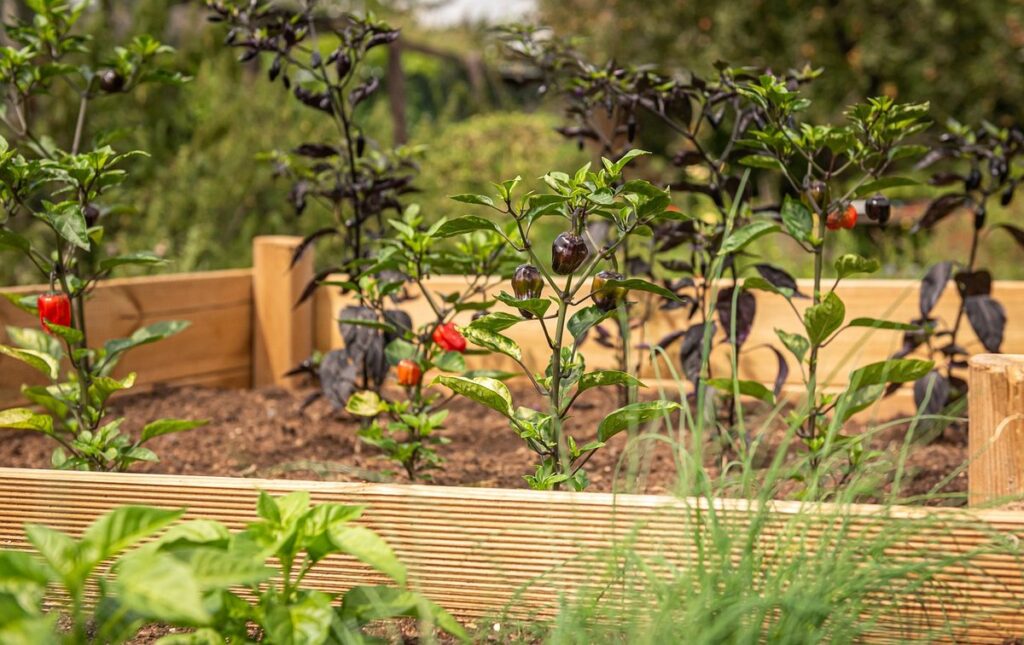
Raised beds have become a popular choice for gardeners looking to create a productive and low-maintenance growing space. These elevated planters are essentially boxes filled with soil, typically made from wood, composite materials, or recycled plastic. They can be as simple as a wooden frame with some wire mesh on the bottom or as elaborate as a self-watering system with built-in trellises.
One of the primary benefits of raised beds is improved drainage. By elevating the soil, you’re allowing excess water to drain more efficiently, reducing the risk of root rot and other water-borne diseases. This makes them ideal for areas with heavy rainfall or poor drainage. Additionally, raised beds tend to warm up faster in the spring, giving plants a head start on the growing season.
Raised beds are incredibly versatile and can be used for a wide range of crops, from leafy greens and herbs to vegetables and even strawberries. They’re also perfect for small spaces, such as balconies or patios, where traditional garden beds might not fit.
Advantages of Double Digging
Double digging offers several benefits that can improve soil health and plant growth, making it a valuable technique for gardeners to master.
Let’s explore some of these advantages in more detail.
Improved Soil Structure
When you double dig your soil, you’re not just loosening it to a certain depth – you’re also creating an environment that’s conducive to healthy plant growth. One of the key benefits of this technique is its ability to improve soil structure.
Double digging reduces compaction by breaking up any clods or hard pans that have formed within the soil profile. This increased porosity allows water and air to penetrate more easily, which in turn enhances root growth. As roots grow deeper into the soil, they’re able to access more nutrients and water, making your plants less reliant on supplemental feeding.
In addition to reducing compaction, double digging increases the soil’s water-holding capacity. This means that when it does rain or you need to irrigate, the soil is better equipped to retain moisture, reducing the risk of waterlogged conditions and runoff. By creating a more balanced environment for your plants’ roots to grow in, double digging helps promote healthier, more resilient growth over time.
It’s worth noting that this improved structure also benefits from regular mulching and composting practices. By layering organic matter on top of the soil after double digging, you’re providing a nutrient-rich food source for beneficial microbes to thrive, further enhancing the overall health of your garden.
Enhanced Water Efficiency
When you double dig, you’re not only improving soil structure and drainage, but also laying the groundwork for enhanced water efficiency. This technique helps reduce soil erosion by creating a stable foundation that prevents water from washing away topsoil. Without the need for tilling or digging, raised beds can be more prone to soil erosion, which leads to wasted water and nutrient loss.
Conserving water is another significant benefit of double digging. By breaking up compacted soil and incorporating organic matter, you’re creating an environment that allows roots to grow deeper and wider, reducing evaporation and runoff. This promotes even moisture distribution, ensuring plants receive the right amount of water at the right time. To maximize these benefits, be sure to incorporate compost or well-rotted manure into your double-digged beds. Aim for a depth of about 18 inches to allow roots to grow without restricting them. By doing so, you’ll reduce water waste and create a more resilient garden ecosystem.
Better Root Development
When you double dig your soil, you’re not just creating a more aerated and well-draining growing environment for your plants – you’re also giving them the room to develop deeper root systems. This is because double digging allows the roots of your plants to grow downwards freely, rather than being confined to a limited depth as they might be in raised beds.
In fact, studies have shown that plants grown in double-dug soil can develop root systems up to 3-4 times deeper than those grown in raised beds. This not only leads to healthier, more robust plants but also increases yields significantly. For example, tomatoes grown in double-dug soil can produce up to 30% more fruit than those grown in raised beds.
So how can you encourage better root development in your own garden? Start by loosening the soil to a depth of about 12-18 inches, and then work it over gently but thoroughly. This will give your plants the room they need to grow their roots deep into the earth. Remember to also add plenty of organic matter like compost or manure to help retain moisture and nutrients in the soil.
Benefits of Raised Beds
Raised beds offer several advantages over traditional gardening methods, including improved drainage and reduced soil compaction, making them a popular choice for gardeners. Let’s take a closer look at these benefits.
Accessibility for All
Raised beds offer numerous benefits when it comes to accessibility for gardeners of all ages and abilities. One significant advantage is the reduced physical strain required for maintenance. Unlike double digging, which often involves manual labor and bending, raised beds allow users to work at a comfortable standing height, eliminating the need to kneel or bend repeatedly.
This feature makes raised beds particularly appealing for older gardeners who may struggle with mobility issues or chronic back pain. According to the American Society on Aging, approximately 50% of people aged 65-74 experience physical limitations that affect their ability to engage in gardening activities. Raised beds provide a solution by enabling individuals to tend to their gardens without putting excessive strain on their bodies.
Additionally, raised beds can be designed with accessibility features such as removable sides or adjustable heights, making them even more accessible for users with mobility impairments.
Increased Crop Yields
Raised beds provide a unique environment that promotes healthy plant growth and increased crop yields. One of the key advantages of raised beds is their ability to improve drainage. Water tends to drain more quickly through the soil, reducing the risk of waterlogged conditions that can lead to root rot and other problems. This improved drainage also allows for better aeration, which in turn increases oxygen levels in the soil.
Warmer soil temperatures are another benefit of raised beds. The raised bed design traps heat from the sun, warming the soil more quickly than traditional gardening methods. This warm soil encourages roots to grow deeper, making plants more resilient and productive. Improved aeration and warmer soil temperatures combined create an ideal environment for root development, resulting in healthier plants that can withstand diseases and pests more effectively.
As a result of these factors, raised beds often produce higher crop yields compared to traditional gardening methods. With proper care and maintenance, you can expect to see noticeable improvements in your harvests. Consider adding organic matter such as compost or manure to your raised bed to further enhance its fertility and structure. By doing so, you’ll be well on your way to reaping the rewards of a thriving garden.
Versatility in Design
One of the most significant advantages of raised beds is their versatility in design. This means you can customize them to fit your specific needs and preferences. For instance, you can choose from a wide range of materials, including wood, metal, plastic, or recycled materials. Each material has its own set of benefits and drawbacks.
In terms of shape and size, raised beds come in various configurations. You can opt for traditional rectangular shapes or get creative with hexagonal or octagonal designs. Square beds are also popular, especially in small spaces. Consider the space where you plan to place your raised bed and choose a design that maximizes efficiency.
Some growers like to incorporate multiple levels into their raised beds, which is known as a “tiered” or “multi-level” design. This can help make the most of vertical space while also providing easy access for maintenance. Experiment with different designs and layouts to find what works best for your garden.
Double Digging vs Raised Beds: Comparison
If you’re deciding between double digging and raised beds for your garden, it’s essential to understand the benefits and drawbacks of each method. Let’s compare these two popular techniques side by side.
Initial Investment
When it comes to getting started with either double digging or raised beds, one of the first things you’ll want to consider is the initial investment required. Double digging requires a significant amount of time and labor upfront, as you need to remove the top 12-18 inches of soil and break up any compacted layers beneath. This process can be physically demanding and may take several days or even weeks to complete, depending on the size of your garden.
In contrast, building raised beds is relatively quick and easy, requiring only a few tools and materials such as wood, soil, and compost. The cost of materials for a raised bed can vary depending on the size and type of wood used, but it’s generally quite affordable. For example, a 4×8 foot raised bed made from untreated cedar will cost around $100-$150.
It’s worth noting that while double digging may require more labor upfront, it can actually save you money in the long run by improving soil structure and reducing the need for fertilizers and other amendments. On the other hand, raised beds provide a high return on investment as they are durable and long-lasting, often lasting 10-20 years or more with proper maintenance.
Long-Term Maintenance
When it comes to long-term maintenance, both double digging and raised beds require attention to prevent potential issues. With double digging, soil compaction is a major concern. As the seasons pass, the compacted soil can lead to reduced drainage and aeration, causing roots to suffocate and plants to struggle. To mitigate this, it’s essential to periodically loosen the soil to a depth of 8-10 inches, ideally during winter when the soil is not in use.
Raised beds, on the other hand, are less prone to compaction due to their elevated design. However, they can be vulnerable to pest infestations and moisture-related issues. Regularly inspect raised bed borders for signs of pests or damage, and keep an eye out for water accumulation, which can lead to root rot and other problems. To maintain optimal conditions in raised beds, ensure adequate drainage by incorporating a 2-inch layer of compost or well-rotted manure at the bottom.
By staying vigilant and addressing potential issues promptly, you can enjoy healthy growth and productivity from both double-dug and raised bed gardens for years to come.
Considerations for Small Spaces
When working with limited space, it’s essential to consider the unique challenges and opportunities that come with small gardens. Let’s take a closer look at how double digging and raised beds can be adapted for compact spaces.
Maximizing Space with Double Digging
When working with small gardens or spaces, adapting the double digging technique is essential to maximize every inch of available space. Double digging involves removing a trench of soil and replacing it with a mixture of compost, soil, and other nutrients to create an optimal growing environment.
To apply this principle to small gardens, start by identifying areas where you can excavate soil without compromising structural integrity or affecting nearby plants. Use a spade or fork to carefully remove the top layer of soil, taking care not to damage any roots that may be present.
Once you’ve created space for double digging, create layers of compost and topsoil, followed by additional nutrients as needed. This allows for efficient use of limited space while maintaining healthy plant growth. For instance, if your garden has a narrow bed, consider double digging only one section at a time to avoid compacting the surrounding soil.
In small gardens, it’s also essential to prioritize companion planting and spatial organization to make the most of available space. By layering plants with different growing requirements, you can effectively optimize space while reducing maintenance needs.
Choosing Raised Beds in Tight Spaces
When space is limited, raised beds can be a great option for growing your own fruits and vegetables. However, it’s essential to choose the right type of bed that suits your tight space. Here are some suggestions for building and using raised beds in compact areas:
Consider vertical gardening options like trellises or wall-mounted planters. These not only save space but also add a decorative element to your garden. For example, you can train climbing plants like peas, beans, or tomatoes to grow up the trellis, maximizing your available space.
If you have limited floor space, opt for narrow raised beds that are around 1-2 feet wide. These can be placed along a wall or in a corner, making efficient use of your compact area. Another option is to build raised beds on stilts or legs, which allows for even more vertical gardening possibilities.
Keep in mind that you’ll need to ensure proper drainage and aeration when building raised beds in tight spaces. Consider using a mix of topsoil and compost to create a well-draining growing medium.
Special Considerations for Beginners
As you start planning your garden, it’s essential to consider a few special factors when using double digging and raised beds, especially if you’re new to gardening. Let’s explore these key considerations together.
Easy Entry Points for Both Methods
For beginners, getting started with either double digging or raised bed gardening can seem daunting. However, there are easy entry points for both methods to help you get growing quickly.
When it comes to double digging, a great starting point is to choose a small area in your garden that’s relatively flat and free from any large obstructions. Start by loosening the soil to about 12 inches deep, then remove any debris or weeds. This will give you a sense of accomplishment and help you build confidence as you tackle larger areas.
Alternatively, if raised beds are more your style, begin with a small bed (about 4×4 feet) in a sunny spot. Fill it with a mix of topsoil, compost, and perlite or vermiculite for good drainage. Add some easy-to-grow plants like tomatoes, cucumbers, or zucchini to get you started.
Remember, the key is to start small and gradually work your way up as you gain experience and confidence in your gardening skills.
Tips for Avoiding Common Mistakes
When implementing either double digging or raised beds, it’s essential to be aware of common pitfalls that can undermine their effectiveness. One critical mistake to avoid is over-tilling the soil. This can lead to erosion, loss of nutrients, and even damage to plant roots. When double digging, it’s easy to get carried away with removing too much topsoil, exposing underlying subsoil that may be unsuitable for growth.
Proper drainage is another crucial aspect often overlooked by beginners. Raised beds, in particular, can become waterlogged if not designed correctly. To prevent this, ensure your raised bed has adequate space between the soil and bottom of the bed to allow excess water to drain freely. This can also be achieved through clever design or incorporating materials like gravel at the base.
To avoid these common mistakes, remember that less is often more when it comes to tilling and drainage. Start with a shallow initial dig and gradually increase depth as needed. Regularly monitor your soil’s moisture levels and adjust accordingly. By being mindful of these potential pitfalls, you can create thriving garden spaces with either double digging or raised beds methods.
Frequently Asked Questions
Can I mix double digging and raised beds in the same garden?
You can definitely combine both methods to create a diverse and thriving garden ecosystem. For example, you could use raised beds for areas with poor soil conditions or limited space, while employing double digging in other sections where you want to improve soil structure and drainage.
How long does it take to see significant improvements from double digging?
The benefits of double digging become apparent within the first growing season after implementation. However, for optimal results, plan to repeat the process annually, ideally during the winter or early spring before new growth begins.
What if I have heavy clay soil – can raised beds still work for me?
Yes, raised beds can be a great solution for gardeners dealing with dense, poorly draining soils like clay. Elevated growing spaces allow you to control the soil mix and drainage, making it easier to grow your desired plants and mitigate common issues associated with clay soils.
Can I use double digging in containers or small spaces?
While double digging is often associated with larger plots of land, its principles can still be applied to smaller areas like containers. However, due to space constraints, it’s essential to prioritize the most critical zones for improved drainage and aeration.
How do I choose between raised beds and double digging if I have limited budget and resources?
Prioritize your garden’s specific needs based on factors like soil quality, available space, and climate conditions. Consider starting with a smaller raised bed or pilot project to assess effectiveness before scaling up.