
Are you a homeowner with a tiny yard but a big love for beautiful flowers? If so, you’re in luck because we’ve got some fantastic news for you! Compact dogwood varieties are perfect for small gardens like yours, and they can add stunning color and texture to even the smallest of spaces. But what makes these dogwoods special, and how do you care for them to keep them looking their best? In this article, we’ll explore the best compact dogwood varieties that thrive in smaller gardens, as well as expert tips on pruning, watering, and fertilization to ensure your new plants flourish. Whether you’re a seasoned gardener or just starting out, you won’t want to miss these valuable insights on how to make the most of your compact dogwood investment.
Choosing the Right Dogwood for Your Garden
When it comes to selecting a dogwood variety, there are many factors to consider, including climate, soil type, and mature size of the tree. Let’s take a closer look at these key considerations together.
Factors to Consider Before Selecting a Variety
When selecting a dogwood variety for your small garden, it’s essential to consider several key factors that will ensure its success and happiness. Start by thinking about the climate you live in – some dogwood varieties thrive in warmer temperatures, while others prefer cooler conditions. For example, Cornelian cherry dogwoods (Cornus mas) are perfect for zones 5-8, but might not do well in areas with extreme heat or cold.
Next, consider your soil type – some dogwoods love acidic soil, while others can tolerate a wide range of pH levels. Japanese dogwoods (Cornus kousa), for instance, prefer slightly acidic to neutral soil, making them an excellent choice for gardens with woodland conditions. Don’t forget about space constraints either – some dogwood varieties can grow quite large, so ensure you have enough room for their mature size.
Lastly, think about the growth habits of different dogwoods – some are compact and perfect for small gardens, while others require more space to spread out.
Understanding Different Types of Dogwoods
When it comes to selecting the perfect dogwood variety for your small garden, understanding the main types is crucial. There are three primary categories: flowering, evergreen, and hybrid dogwoods.
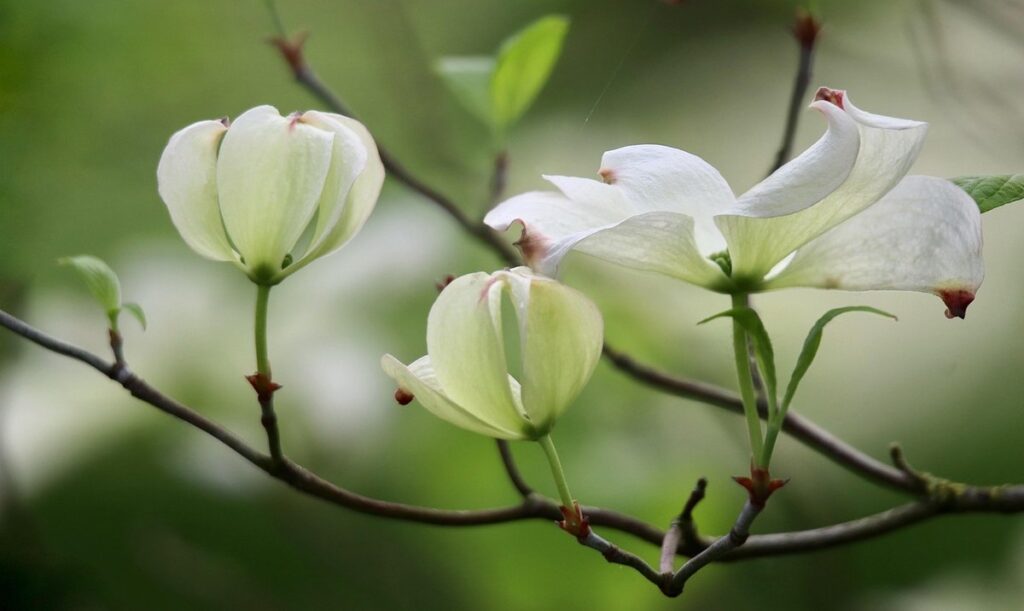
Flowering dogwoods (Cornus florida) are a classic choice, known for their stunning blooms that range from pink to white in the spring. They’re relatively compact, growing up to 20 feet tall, making them an excellent option for small gardens. However, they do require regular pruning to maintain their shape and encourage blooming.
Evergreen dogwoods (Cornus alternifolia) offer year-round interest with their dark green foliage that remains vibrant even in the harshest winters. They’re slightly taller than flowering varieties, growing up to 25 feet tall, but can be pruned to maintain a more compact size.
Hybrid dogwoods, such as Cornus x rutgersensis, combine the best qualities of both flowering and evergreen varieties. They produce vibrant blooms in the spring and retain some foliage year-round. These versatile trees are perfect for small gardens with limited space.
Compact Flowering Dogwoods for Small Spaces
If you’re looking to add a pop of color to your small garden, compact flowering dogwoods are an excellent choice for their vibrant blooms and space-saving size. They’re perfect for tiny yards!
Best Varieties for Small Gardens
When it comes to compact flowering dogwood varieties that thrive in small spaces, several options stand out from the rest. For instance, ‘Compacta’ is a popular choice among gardeners due to its manageable size and vibrant spring blooms. This variety grows up to 3-4 feet tall and wide, making it perfect for tight spaces like corners or along walkways.
Another excellent option is ‘Little Pagoda’, which tops out at around 2-3 feet in height and width. Its small stature makes it an ideal choice for containers or small gardens where space is limited. As its name suggests, ‘Variegata’ boasts beautiful white and green variegated foliage that adds a pop of color to the garden even when not in bloom.
For those who want to add some extra flair to their small garden, consider planting ‘Kesselringii’. This variety grows up to 4-5 feet tall but maintains a relatively narrow profile, making it suitable for larger spaces or hedges. All of these varieties offer compact growth habits and stunning blooms that will make your small garden shine.
Care and Maintenance Tips for Compact Flowering Dogwoods
Compact flowering dogwoods are stunning additions to small gardens, but they require some TLC to thrive. To keep yours looking its best, start by pruning it regularly. Prune in late winter or early spring, removing any dead, diseased, or damaged branches. This will help promote new growth and encourage a full, compact shape.
When it comes to watering, compact flowering dogwoods prefer moist soil but can be sensitive to overwatering. Water your tree when the top inch of soil feels dry to the touch, and avoid getting water on the leaves to prevent fungal diseases. Fertilization is also essential – feed your dogwood with a balanced, slow-release fertilizer in early spring.
To keep your compact flowering dogwood happy and healthy, mulch around its base to retain moisture and suppress weeds. This will also help regulate soil temperature and prevent root damage from extreme temperatures. By following these simple care tips, you’ll enjoy vibrant blooms and a lush, thriving tree all season long.
Some compact flowering dogwoods, like ‘Compacta’ or ‘Little Gem’, are more forgiving than others when it comes to pruning mistakes – but regular maintenance is still key to maintaining their beauty and vigor. With the right care, your compact flowering dogwood will be a stunning centerpiece in your small garden for years to come!
Evergreen Dogwoods for Year-Round Interest
If you’re looking to add year-round interest to your small garden, there are many evergreen dogwood varieties that can provide beautiful foliage and stunning blooms.
Characteristics of Evergreen Dogwood Varieties
Evergreen dogwood varieties offer a unique set of characteristics that distinguish them from their flowering counterparts. One key difference is their foliage, which remains a vibrant green color year-round, providing consistent interest in the garden. Unlike flowering dogwoods, evergreen varieties do not drop their leaves in the fall, making them an excellent choice for small gardens where maintenance and cleanup can be challenging.
In terms of growth habits, evergreen dogwoods tend to be more compact and spreading, with some varieties growing as wide as they are tall. This makes them ideal for hedges, screens, or foundation plantings where a uniform shape is desired. Some popular evergreen dogwood varieties include ‘Winter Gem’, ‘Moonshine’, and ‘Argenteo-Variegata’, which offer beautiful silver-gray leaves that add visual interest to the garden.
When selecting an evergreen dogwood variety for your small garden, consider the mature size of the plant and its growth habits. Choose a variety that fits your available space and provides the desired level of foliage density. With proper care, evergreen dogwoods can thrive in a range of growing conditions, making them a low-maintenance option for gardeners with limited space or time to devote to maintenance.
Popular Evergreen Dogwood Varieties for Small Gardens
If you’re looking to add year-round interest to your small garden, evergreen dogwood varieties are an excellent choice. Not only do they provide a beautiful display of flowers and berries in the spring, but their attractive foliage remains vibrant throughout the winter months.
Some popular options for small gardens include ‘Winter Flame’, which grows to be around 10-15 feet tall and has bright red winter stems that add color to your garden even when it’s dormant. Another option is ‘Little Silver Dollar’, a compact variety that reaches a height of just 6-8 feet, perfect for smaller spaces.
When choosing an evergreen dogwood for your small garden, be sure to consider the mature size of the plant and its growth requirements. Some varieties prefer well-drained soil, while others tolerate wetter conditions. Be sure to research the specific needs of the variety you’re interested in to ensure it will thrive in your garden.
In terms of maintenance, evergreen dogwoods are relatively low-maintenance, but they do require regular watering and fertilization. Prune them regularly to maintain their shape and promote new growth, and mulch around the base to retain moisture and suppress weeds.
Hybrid Dogwoods: A Blend of Best Traits
If you’re looking for a low-maintenance dogwood that combines stunning beauty with hardiness, hybrid varieties are definitely worth exploring. They bring together the best traits of different species to create unique and resilient plants.
Characteristics of Hybrid Dogwood Varieties
Hybrid dogwood varieties have revolutionized the world of landscaping by offering a unique blend of desirable traits. One of the most significant advantages of these hybrids is their improved disease resistance. By crossing different species, breeders have been able to introduce genes that make the plants more resilient to common diseases such as powdery mildew and leaf spot.
This means you can enjoy stunning blooms and foliage without worrying about the hassle of constant pruning or fungicide applications. For instance, the ‘Compana’ hybrid dogwood is known for its exceptional resistance to fire blight, a disease that often plagues traditional dogwoods.
In addition to their disease-fighting abilities, hybrid dogwoods also boast enhanced heat tolerance. This makes them perfect for gardens in warmer climates or areas with scorching summers. For example, the ‘Little Ruby’ hybrid dogwood can thrive in zones 5-9, providing vibrant red blooms even in temperatures above 90°F (32°C).
When selecting a hybrid dogwood variety for your small garden, consider factors like disease resistance and heat tolerance to ensure a low-maintenance yet stunning display of flowers and foliage.
Choosing the Right Hybrid Dogwood for Your Garden
When choosing the right hybrid dogwood for your small garden, it’s essential to consider several factors. First and foremost, think about your climate. Hybrid dogwoods can tolerate a range of conditions but some varieties thrive better in specific climates.
For example, ‘Commuter’ is an excellent choice for areas with hot summers and cold winters, while ‘Moonlight’ prefers milder temperatures. Consider the soil type in your garden too – hybrid dogwoods prefer well-draining acidic or neutral soils.
In small gardens, it’s often beneficial to choose compact or dwarf varieties that grow up to 3-4 feet tall. These can be pruned regularly to maintain a desired shape and size. ‘African Dream’ is an excellent option, with its vibrant white blooms and ability to thrive in partial shade.
When selecting your hybrid dogwood, also consider the growth habits you prefer. Some varieties are more vigorous and may require regular maintenance or pruning to prevent overgrowth. Others, like ‘Kessel Run’, have a naturally compact growth habit that requires less upkeep.
Planting and Caring for Dogwoods in Small Gardens
When planting a dogwood in your small garden, choosing the right variety is just the beginning – next comes learning how to nurture it to its full potential. Here’s what you need to know about planting and caring for dogwoods.
Preparing the Soil for Dogwood Planting
When planting dogwoods in small gardens, preparing the soil is crucial for their success. Dogwoods thrive in well-draining acidic to neutral soils with a pH between 6.0 and 7.0. If your garden’s soil falls outside this range, consider getting it tested and adjusting the pH levels accordingly.
In addition to pH balance, dogwoods require a nutrient-rich environment to grow. Mix in compost or well-rotted manure into the soil to provide essential nutrients like nitrogen, phosphorus, and potassium. This will help promote healthy growth, leaf development, and blooming.
Companion planting can also enhance your dogwood’s performance. Some beneficial companions include:
• Hostas: These shade-loving plants help retain moisture in the soil and reduce weeds.
• Astilbe: Their fern-like foliage creates a visually appealing contrast to dogwoods’ showy blooms.
• Hydrangea: As acid-loving plants, hydrangeas help maintain the desired pH range for your dogwood.
When planting companion species, ensure they don’t compete with your dogwood for resources. Plant them at a safe distance, usually around 12-18 inches away from the dogwood’s drip line.
Post-Planting Care and Maintenance
After planting your dogwoods, it’s essential to provide optimal care and maintenance to ensure they thrive in their new environment. Regular pruning is crucial to promote healthy growth, prevent disease, and encourage blooming. Prune your dogwoods in late winter or early spring, removing any dead, diseased, or damaged branches. Cut back overgrown stems by one-third to maintain shape and size.
Watering is also critical, especially during the first year after planting. Keep the soil consistently moist but not waterlogged, reducing watering as the plants mature. A slow-release fertilizer applied in early spring can provide essential nutrients for growth. Follow the manufacturer’s instructions for application rates to avoid over-fertilizing.
Monitor your dogwoods regularly for signs of stress or disease. Inspect for pests like aphids, scale, and spider mites, and treat promptly if necessary. With proper care and attention, your newly planted dogwoods will establish a strong root system and flourish in their small garden setting.
Pests and Diseases to Watch Out For in Dogwoods
As you plant your dogwood, keep an eye out for common pests like deer, rabbits, and borers that can damage leaves and stems. Also, be aware of diseases like powdery mildew and leaf spot.
Common Pests Affecting Dogwood Plants
When it comes to dogwoods in small gardens, it’s not just about choosing the right variety, but also being aware of the potential pests that can affect them. Unfortunately, even with proper care and maintenance, dogwood plants can fall prey to various pests that can cause damage and compromise their health.
Some common pests that affect dogwood plants include aphids, scale insects, and spider mites. These tiny creatures can be difficult to spot, but they can have a significant impact on your plant’s overall health. Aphids, for example, are small, soft-bodied insects that feed on the sap of the plant, causing curled or distorted leaves.
To identify these pests, look for sticky honeydew droplets on the leaves or stems, which is a telltale sign of aphid infestation. Scale insects, on the other hand, appear as brown or white bumps on the stem or branches, while spider mites cause fine webbing between the leaves and stems.
To prevent these pests from taking over your dogwood plant, make sure to inspect it regularly and take action at the first sign of an infestation. Use insecticidal soap or neem oil to control aphids and scale insects, and apply a miticide specifically labeled for spider mite control.
Disease Management Strategies for Dogwoods
When it comes to growing dogwoods in small gardens, disease management is just as crucial as selecting the right variety. Common diseases like root rot, leaf spot, and powdery mildew can quickly spread and destroy an otherwise healthy plant.
To prevent these issues, make sure your soil has good drainage. Dogwoods don’t like wet feet, so ensure that water isn’t accumulating around the base of the tree. You can achieve this by raising the bed slightly or using a layer of mulch to absorb excess moisture.
Regular pruning is also essential for disease management. Remove any dead or diseased branches, and thin out the canopy to improve air circulation. This will help prevent fungal diseases like powdery mildew from taking hold.
For root rot prevention, avoid overwatering, which can cause the roots to rot. Instead, water your dogwood deeply but infrequently to encourage deep root growth. By implementing these simple strategies, you’ll be well on your way to creating a healthy and thriving dogwood garden in your small space.
Frequently Asked Questions
Can I grow dogwood trees in containers for even smaller spaces?
Yes, you can grow compact dogwood varieties in large containers, which are perfect for tiny balconies or patios. Make sure the container is at least 24 inches deep and has good drainage holes to support the tree’s root system.
How often should I water my dogwood trees during hot summer months?
During hot summer months, it’s essential to water your compact dogwood varieties regularly, especially if they’re in full sun. Water them once or twice a week, depending on soil moisture and weather conditions. Keep an eye out for signs of drought stress like wilted leaves.
Can I prune my dogwood tree at any time, or is there a specific season?
While you can prune your compact dogwood varieties year-round to maintain shape and promote healthy growth, it’s best to do so during the dormant season (winter or early spring). Avoid pruning in the summer when the tree is actively growing.
How long does it take for a newly planted dogwood tree to start flowering?
Compact dogwood varieties typically take 2-3 years to establish themselves after planting and start producing flowers. However, some may flower sooner or later depending on factors like climate, soil quality, and maintenance practices.
What are the best companion plants to pair with my compact dogwood trees for a beautiful landscape design?
Companion plants like hostas, ferns, or boxwoods complement compact dogwood varieties beautifully, adding texture and interest to your garden. Consider choosing plants with similar growing conditions and sunlight requirements to create a harmonious landscape design.