
If you’re looking to add some beauty and character to your landscape, consider planting one of the many wonderful dogwood tree varieties. With over 20 options to choose from, including Kousa, Flowering, and Hybrid types, it can be a bit overwhelming to decide which one is right for you. Each variety has its own unique growth habits, uses, and care requirements, making it essential to do your research before making a decision.
In this article, we’ll take a closer look at the different dogwood varieties available, exploring their characteristics, benefits, and needs. We’ll cover everything from the compact Kousa dogwood’s ornamental value to the show-stopping Flowering dogwood’s vibrant blooms. By the end of this guide, you’ll have the knowledge you need to choose the perfect tree for your landscape and ensure it thrives with proper care.
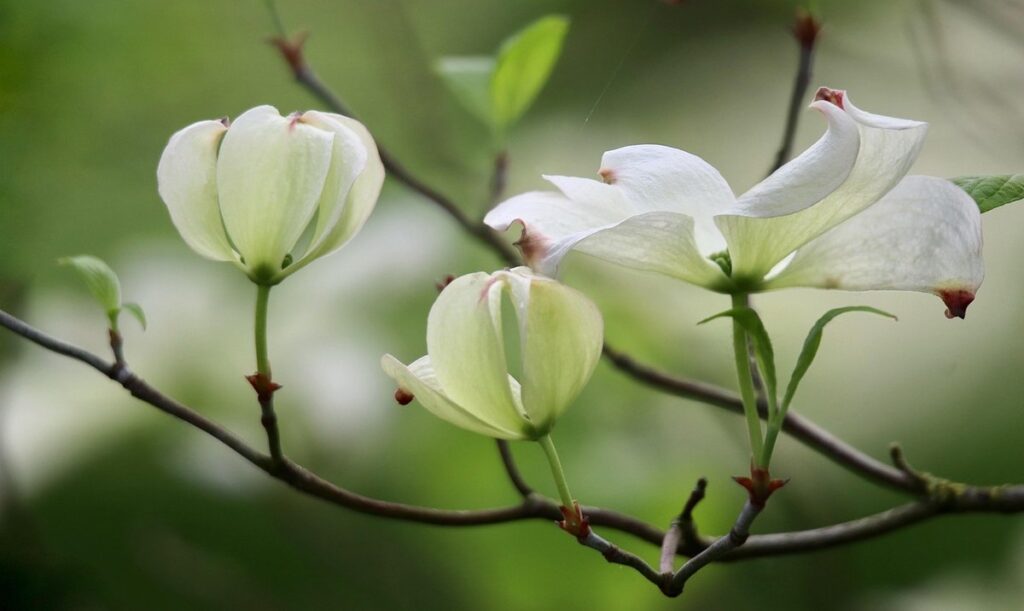
Introduction to Dogwood Varieties
Let’s take a closer look at some of the most popular and unique dogwood varieties, from classic red flowers to stunning white blooms.
Brief History of Dogwoods
The dogwood tree has a rich history that spans thousands of years, with evidence of its existence dating back to ancient civilizations. Originating in Eastern Asia, specifically China and Japan, the dogwood tree was highly valued for its unique characteristics and versatility. The earliest recorded cultivation of dogwoods dates back to the 6th century BC, during the Han Dynasty in China.
Over time, different varieties of dogwoods developed as traders and travelers introduced the tree to new regions. In Europe, dogwoods were prized for their ornamental value and were often planted in gardens and parks. As European explorers traveled to Asia, they brought back new varieties of dogwoods, which further expanded the range of species available.
The evolution of dogwood varieties has been influenced by factors such as climate, soil type, and human cultivation practices. Today, there are over 40 known species of dogwoods, with many more hybrids and cultivars developed for specific purposes, including ornamental use, timber production, and wildlife conservation. Understanding the history of dogwoods provides a foundation for appreciating the diversity of varieties available today.
Importance of Dogwood Trees in Landscaping
When it comes to selecting trees for your landscape, dogwoods are an excellent choice. Not only do they offer stunning beauty with their showy flowers and vibrant foliage, but they also provide a range of benefits that can enhance your outdoor space.
One of the primary reasons to plant dogwood trees is their aesthetic appeal. With over 40 species to choose from, you can find a variety that fits perfectly into your landscape design. For instance, the Flowering Dogwood (Cornus florida) boasts brilliant white or pink flowers in spring, while the Kousa Dogwood (Cornus kousa) features beautiful white bracts surrounding yellow centers. These visually striking trees are sure to be the focal point of your yard.
Beyond their beauty, dogwoods also serve as a vital food source for local wildlife. Their berries attract birds and other small animals, providing sustenance during the harsh winter months. Additionally, dogwood trees can provide shade, cooling your outdoor spaces on hot summer days.
Common Types of Dogwood Varieties
There are numerous dogwood varieties to choose from, each with its own unique characteristics and growth habits. Let’s explore some of the most popular types, including their benefits and uses.
Kousa Dogwood (Cornus kousa)
Kousa dogwoods (Cornus kousa) are a popular variety among gardeners and landscapers due to their unique characteristics and hardiness. These deciduous trees are native to Korea and Japan, but have been naturalized in the United States for many years.
One of the standout features of Kousa dogwoods is their showy bracts, which can grow up to 2 inches long and bloom in shades of pink, white, or red. While they may look like actual flowers, these bracts are actually modified leaves that serve as a attractant for pollinators.
Kousa dogwoods are also known for their ability to tolerate heat, making them an excellent choice for warmer climates. They can thrive in USDA zones 5-8 and prefer well-draining soil with full sun to partial shade. These trees are relatively low-maintenance and can grow up to 20 feet tall, but may be pruned to maintain a smaller size.
In addition to their ornamental value, Kousa dogwoods also produce small, berry-like fruit that is attractive to birds and other wildlife. Overall, these trees offer a unique combination of beauty and durability that makes them an excellent choice for many gardeners and landscapers.
Flowering Dogwood (Cornus florida)
The flowering dogwood (Cornus florida) is a stunning and popular variety among gardeners. Native to eastern North America, this deciduous tree thrives in well-drained soil and full sun to partial shade conditions. Its growth pattern is typically upright, with a spread of around 15-20 feet, making it an excellent choice for small yards or woodland gardens.
Flowering dogwood trees are prized for their showy white or pink blooms that appear in late spring, often lasting up to two weeks. The timing of these flowers can vary depending on the specific cultivar and climate conditions, but they usually start blooming around May or June. It’s essential to choose a variety that suits your region’s temperature fluctuations to ensure optimal bloom performance.
One common health issue affecting flowering dogwood trees is powdery mildew, which causes white patches to form on leaves and stems. To prevent this problem, maintain good air circulation by pruning nearby plants and keeping the area around the tree clear of debris. Regular watering and fertilization will also help promote healthy growth and reduce susceptibility to disease.
When selecting a flowering dogwood tree for your garden, consider factors like mature size, bloom color, and resistance to pests and diseases. By choosing the right variety and providing proper care, you can enjoy this beautiful tree’s stunning flowers and foliage for years to come.
Hybrid Varieties of Dogwood Trees
You’re interested in exploring dogwood trees that combine the best traits from different varieties? Let’s take a closer look at hybrid varieties, bred for unique characteristics and improved performance.
Cornelian Cherry Dogwood (Cornus mas)
The Cornelian Cherry Dogwood (Cornus mas) is a standout variety of dogwood tree, prized for its vibrant spring blooms and robust growth habit. In early spring, this deciduous tree erupts with bright red flowers that are not only stunning but also a valuable source of nectar for pollinators.
One of the key features of Cornelian Cherry Dogwoods is their ability to thrive in challenging conditions. They can tolerate dry soil, drought, and even some shade, making them an excellent choice for areas with less-than-ideal growing conditions.
If you’re looking to attract birds or wildlife to your garden, the Cornelian Cherry Dogwood is a great option. The tree produces small red fruits that are rich in nutrients and a favorite among birds and other small animals.
In terms of care, Cornelian Cherry Dogwoods require minimal maintenance. They prefer well-drained soil and full sun but can tolerate some shade. Regular watering and fertilization will keep them healthy and looking their best.
Chinese Dogwood (Cornus kousa x florida)
The Chinese dogwood (Cornus kousa x florida) is a hybrid variety that’s known for its stunning flowers and versatile growth habits. This tree is a cross between the Korean dogwood (C. kousa) and the flowering dogwood (C. florida), making it a popular choice for gardeners in search of a low-maintenance, yet visually striking addition to their landscape.
When it comes to growth habits, Chinese dogwood trees are relatively compact, growing up to 15-20 feet tall with a spread of around 10-15 feet. They’re perfect for smaller gardens or as a specimen tree in larger landscapes. As for bloom times, the Chinese dogwood typically flowers in late spring, producing white or pink bracts that attract pollinators and add to the tree’s ornamental value.
However, like all hybrid varieties, the Chinese dogwood is not immune to potential issues with diseases and pests. Root rot, anthracnose, and scab are just a few of the common problems that can affect this tree if it’s not properly cared for. To avoid these issues, make sure to plant your Chinese dogwood in well-draining soil and provide regular watering and fertilization.
By choosing a healthy nursery stock and following proper care guidelines, you can enjoy the beauty and benefits of the Chinese dogwood tree for years to come.
Ornamental Varieties of Dogwood Trees
If you’re looking for dogwood varieties that make a stunning statement in your garden, ornamental varieties are worth exploring. We’ll highlight some popular and beautiful options below.
Red Osier Dogwood (Cornus sericea)
The Red Osier Dogwood (Cornus sericea) is a stunning ornamental variety that offers year-round interest and beauty to landscapes. Its unique features make it an excellent choice for gardeners seeking low-maintenance, adaptable trees.
One of the most striking aspects of the Red Osier Dogwood is its ability to thrive in wet soils, making it perfect for areas with high water tables or poor drainage. This tolerance allows it to flourish in conditions where other dogwood varieties might struggle. In winter, the tree’s branches are adorned with clusters of white berries that provide a pop of color against the dull landscape.
As an added bonus, Red Osier Dogwoods have a beautiful exfoliating bark that peels away each year, revealing a rich reddish-brown color beneath. This unique characteristic adds to the tree’s visual appeal and makes it a standout in landscapes. With proper care, Red Osier Dogwoods can grow up to 15 feet tall and wide, providing shade and structure while attracting wildlife with its berries.
This adaptable variety is perfect for gardeners seeking a low-maintenance dogwood that can thrive in challenging conditions.
Pagoda Dogwood (Cornus alternifolia)
Pagoda Dogwood (Cornus alternifolia) is a stunning ornamental variety that offers a unique blend of beauty and functionality. One of its most distinctive features is its foliage pattern, which consists of opposite leaves with 3-5 lobes. This creates a layered effect, resembling the architecture of an Asian pagoda, hence the name. The showy flowers, which appear in late spring to early summer, add an extra layer of visual interest. These small white flowers are arranged in clusters at the tips of branches and have a subtle fragrance that attracts pollinators.
When using Pagoda Dogwood in your landscape design, consider its mature size of around 15-20 feet tall with a spread of 10-15 feet wide. This makes it an excellent choice for smaller gardens or as a specimen tree. To showcase its beauty, plant it near a water feature or in a spot where you can admire its unique foliage from multiple angles. With proper care, including regular watering and fertilization, Pagoda Dogwood can thrive for decades, providing year-round interest and attracting wildlife to your garden.
Growing Conditions for Different Dogwood Varieties
If you’re growing a dogwood tree, it’s essential to know that different varieties have unique requirements for soil, sunlight, and moisture. This section will break down these specific needs for your chosen variety.
Climate Tolerance
When it comes to climate tolerance, not all dogwood varieties are created equal. Some thrive in scorching hot summers, while others prefer cooler temperatures. If you’re looking to plant a dogwood tree in your yard, it’s essential to choose a variety that can withstand the local climate conditions.
For example, the Flowering Dogwood (Cornus florida) is typically grown in USDA zones 5-9 and prefers well-drained acidic soils with full sun to partial shade. In contrast, the Kousa Dogwood (Cornus kousa) is more tolerant of heat and drought, making it a great option for warmer climates like zone 6 and above.
Another factor to consider is cold hardiness. Some dogwoods, like the White Flowering Dogwood (Cornus florida ‘Cloud Cover’), can handle temperatures as low as -20°F (-29°C), while others may require more protection from extreme cold snaps. Be sure to research the specific climate tolerance of each variety before making a purchase or planting.
When selecting a dogwood tree for your yard, consider factors like temperature range, humidity levels, and wind patterns to ensure you’re choosing a variety that will thrive in your local environment. By doing so, you’ll be well on your way to enjoying the beauty and benefits of your new dogwood tree for years to come.
Soil Requirements
When it comes to growing dogwoods, the soil requirements can vary significantly depending on the specific variety. While some dogwood species prefer acidic soils, others thrive in alkaline conditions.
For example, the Cornelian cherry dogwood (Cornus mas) prefers well-drained, slightly acidic soils with a pH between 6.0 and 7.0. In contrast, the Kousa dogwood (Cornus kousa) tolerates a wider range of soil pH levels but performs best in slightly alkaline conditions.
To maintain optimal soil conditions for your dogwoods, test your soil regularly to determine its pH level and nutrient content. Based on the results, amend the soil with acidic or alkaline fertilizers as needed. For instance, if your dogwood prefers acidic soils, you can add elemental sulfur or aluminum sulfate to lower the pH.
It’s also essential to ensure that your dogwoods receive adequate drainage, as poorly draining soils can lead to root rot and other problems. Mulch around the base of the plants to retain moisture and suppress weeds, and avoid over-fertilizing, which can damage roots and harm the plant. By understanding and meeting the specific soil requirements for your dogwood variety, you can create a thriving environment that promotes healthy growth and development.
Maintenance and Care of Dogwood Trees
To keep your dogwood trees thriving, it’s essential to establish a regular maintenance routine that includes tasks such as pruning and mulching. By doing so, you’ll ensure their health and beauty for years to come.
Pruning Techniques
Pruning dogwood trees is essential for maintaining their health and promoting healthy growth. When done correctly, pruning can also enhance the tree’s natural beauty and help control its size. Proper pruning involves making clean cuts just above a bud or lateral branch, at a 45-degree angle to prevent water from collecting on the cut surface.
To prune dogwood trees effectively, consider the following techniques:
* Remove dead, diseased, or damaged branches to prevent the spread of disease and encourage healthy growth.
* Thin out the tree’s canopy by removing select branches to allow more sunlight to reach the leaves and promote air circulation.
* Cut back overgrown branches to maintain a balanced shape and promote new growth.
* Prune dogwood trees during their dormant season, typically in late winter or early spring, to minimize stress on the tree.
By incorporating these pruning techniques into your maintenance routine, you can help keep your dogwood tree healthy, strong, and thriving. Regular pruning will also encourage blooms and colorful foliage, making your tree a stunning addition to any landscape.
Pest and Disease Control
As a dogwood tree owner, it’s essential to be aware of common pests and diseases that can affect your tree’s health. Dogwoods are susceptible to various issues, including insect infestations and fungal diseases.
Some of the most prevalent pests affecting dogwood trees include:
* Aphids: These small, soft-bodied insects feed on sap, causing curled or distorted leaves.
* Scale insects: They secrete a sticky substance called honeydew, which attracts other pests and promotes disease growth.
* Borers: Beetles that burrow into the tree’s trunk or branches, causing damage to the wood.
Regular inspections can help you identify these issues early on. To prevent infestations:
* Keep your dogwood tree clean by removing any debris or weeds around its base.
* Use physical barriers, such as fine mesh, to protect young trees from insects.
* Consider using neem oil or insecticidal soap to control aphid and scale infestations.
Fungal diseases like powdery mildew, leaf spot, and root rot can also affect your dogwood tree. To prevent these issues:
* Maintain good air circulation around the tree by pruning nearby plants.
* Avoid overwatering, which can lead to root rot.
* Regularly inspect your tree for signs of disease and treat promptly if necessary.
By being vigilant and taking preventative measures, you can minimize the risk of pest and disease infestations affecting your dogwood tree’s health.
Conclusion and Future Outlook for Dogwood Varieties
As we conclude our comprehensive guide to dogwood varieties, let’s take a look at what the future holds for these beautiful plants. We’ll explore their potential growth and development in your garden.
Recap of Key Takeaways
As you’ve made it through our comprehensive guide to dogwood varieties, let’s take a moment to recap the key takeaways. You now know about the various types of dogwoods, including the showy Kousa Dogwood, the flowering Red Osier, and the majestic Cornelian Cherry.
We discussed the unique characteristics of each variety, such as growth habits, bloom times, and fall colors. For example, the Japanese Dogwood is known for its small white flowers in early spring, while the Pagoda Dogwood boasts stunning red berries in autumn. You also learned about the uses of dogwoods, including ornamental landscaping, wildlife habitat creation, and even edible fruit production.
Some varieties, like the Florida Anise Tree, are great options for gardeners with limited space due to their compact growth habits. Others, such as the Cornelian Cherry, can thrive in challenging conditions like dry soils. As you plan your next gardening project or explore new planting opportunities, remember these key characteristics and uses of dogwood varieties to choose the best fit for your needs.
Final Thoughts on Choosing the Right Dogwood Tree
As you’ve reached the end of this comprehensive guide to dogwood varieties, it’s time to put everything into perspective and make an informed decision about which tree is right for your landscape. When selecting a dogwood tree, remember that climate plays a crucial role in determining its success. If you live in a region with hot summers or cold winters, choose a variety that’s tolerant of these conditions.
Consider the soil type in your yard as well. Dogwoods prefer slightly acidic to neutral soils, but some varieties can adapt to more alkaline environments. Research the specific needs of the dogwood variety you’re interested in and ensure it will thrive in your soil conditions.
Finally, think about what features are most important to you – compact growth habit, stunning flowers, or attractive foliage? By weighing these factors and considering your climate, soil type, and desired characteristics, you’ll be well on your way to finding the perfect dogwood tree for your landscape. Take your time, do your research, and don’t hesitate to consult with a gardening expert if needed.
Frequently Asked Questions
Can I plant a dogwood tree in any climate?
Yes, but it’s crucial to choose the right variety for your specific climate. Dogwoods are generally adaptable, but some varieties like Kousa and Flowering dogwoods prefer warmer climates, while others like Cornelian Cherry and Red Osier can tolerate colder temperatures. Research the specific needs of your desired tree species and select one that thrives in your local climate conditions.
How do I choose between a compact and a large dogwood variety?
Consider your available space and the mature size of the tree. Compact varieties like Kousa are ideal for smaller gardens or containers, while larger trees like Flowering dogwoods provide a statement piece for bigger landscapes. Also, think about the desired growth habit – upright, spreading, or shrub-like – to match your yard’s unique needs.
What are some common challenges I might face when growing a dogwood tree?
Dogwoods can be susceptible to pests and diseases like borers, canker, and root rot. Regular maintenance, such as pruning dead branches, monitoring for signs of infestation, and adjusting watering schedules based on weather conditions, can help prevent these issues. Be prepared to address any problems promptly to ensure the health and longevity of your tree.
Can I propagate dogwood trees through cuttings or grafting?
Yes, both methods are viable ways to propagate dogwood trees. Cuttings typically work for varieties like Kousa and Flowering dogwoods, while grafting is more suitable for Hybrid and Cornelian Cherry dogwoods. Keep in mind that success rates may vary depending on the specific tree species, climate, and handling techniques.
How do I care for a newly planted dogwood tree during its first year?
Provide your young dogwood tree with optimal growing conditions by watering regularly but avoiding overwatering, fertilizing lightly, and pruning any dead or damaged branches. Mulch around the base to retain moisture and suppress weeds, and monitor for signs of stress or pests. With proper care, your new tree will establish a strong root system and thrive in its new environment.