
Are you an iris enthusiast wondering whether your beloved flower can produce seeds? You’re not alone. As one of the oldest cultivated flowers in history, irises have been prized for their beauty and fragrance for centuries. But have you ever stopped to think about how they reproduce? In fact, many irises do produce seeds, but it’s not always a straightforward process. Some varieties are more seed-friendly than others, and collecting, cultivating, and obtaining iris seeds can be a bit of an art. If you’re curious about the world of iris seeds, you’ve come to the right place. This article will delve into the ins and outs of iris seed production, types that produce seeds, and where to find reputable suppliers – everything you need to know to start your own iris-seed journey!
What is an Iris and Its Basic Characteristics
To understand if iris has seeds, it’s essential to know what an iris is first. Let’s take a closer look at its basic characteristics and how they relate to seed production.
Botanical Classification of Irises
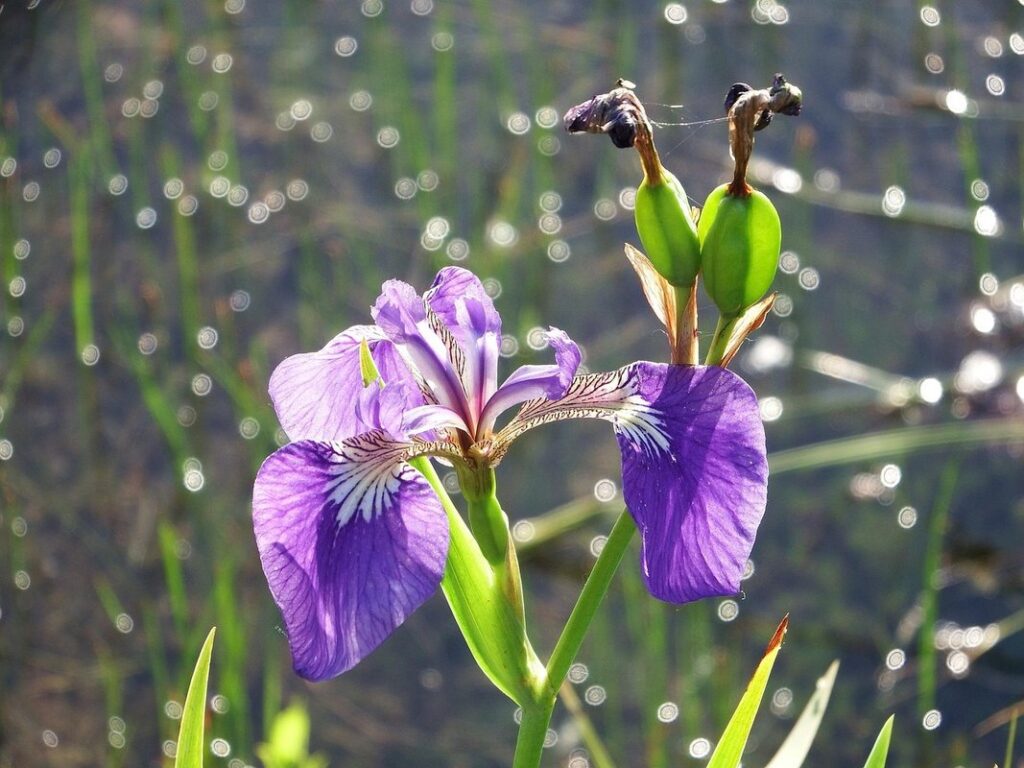
Within the plant kingdom, irises are classified under the family Iridaceae and genus Iris. This classification is based on their unique characteristics, including their showy flowers, slender stems, and sword-shaped leaves. One key characteristic that defines iris species is their flower structure, which typically features three petals (standards) and three sepals (falls). The falls often have a distinctive shape and pattern of colors, while the standards are usually more delicate.
The Iridaceae family also includes other popular flowers like gladiolus and freesia. However, irises have some distinct features that set them apart from other plants in this family. For example, they have a unique rhizome structure, which is an underground stem that produces new growths each year. This characteristic allows irises to thrive in various environments and climates.
When it comes to seed production, understanding the botanical classification of irises can help you identify whether a particular iris species has seeds or not.
Adaptations for Reproduction in Irises
Iris plants have evolved unique reproductive structures that enable them to adapt to different environments. One of the most fascinating aspects of iris reproduction is the formation of seeds. Unlike many other flowering plants, irises produce seeds within specialized structures called capsules or pods. These capsules develop from the ovary after fertilization and contain multiple seeds, each surrounded by a fleshy covering called an aril.
In natural environments, iris seeds are often dispersed by wind, water, or animals. For example, some species of beavers and muskrats have been known to eat irises and deposit the seeds in new locations through their scat. This process allows irises to colonize new areas and adapt to changing environments.
If you’re growing irises, understanding how they reproduce can help you propagate new plants more effectively. By carefully removing seed pods from mature flowers and sowing them in a suitable location, you can encourage the growth of new iris plants with desirable traits. This method is particularly useful for creating hybrid irises or propagating species that are difficult to divide.
Types of Iris Species and Their Seed Production
Let’s explore some of the fascinating types of iris species, including their unique seed production habits and how they differ from one another. You’ll be surprised by the diversity!
Overview of Bearded and Non-Bearded Iris Species
When it comes to iris species, there are two primary categories: bearded and non-bearded. While both types share similar characteristics, they exhibit distinct differences in growth habits and seed production capabilities.
Bearded irises, also known as German irises, feature a distinctive beard or tuft of hairs on the lower petal, which serves as a guide for pollinators like bees and butterflies. These irises typically thrive in well-draining soil and full sun to partial shade conditions. Bearded irises are relatively easy to propagate through division, but their seed production is limited due to self-pollination.
Non-bearded irises, on the other hand, lack this distinctive beard and often grow in a more upright manner. They require consistent moisture levels and prefer well-draining soil with partial shade to full sun exposure. Non-bearded irises are more likely to cross-pollinate, resulting in greater seed production compared to bearded varieties.
When selecting iris species for their potential seed production, it’s essential to consider the specific needs of each variety to ensure optimal growth and fertility. By understanding the differences between bearded and non-bearded irises, gardeners can make informed decisions when choosing which types to cultivate for their unique purposes, whether for ornamental or propagation goals.
Hybridization in Irises: Impact on Seed Production
Hybridization has significantly impacted seed production in irises. The process of creating new hybrids involves crossing different iris varieties to combine desirable traits such as color, shape, and vigor. This can lead to increased genetic diversity, but it also means that seeds from hybrid plants may not produce offspring with the same characteristics.
In fact, many modern iris cultivars are sterile or partially sterile due to excessive inbreeding during the breeding process. When these hybrids are crossed, they often produce limited seed or no viable seed at all. This can make it challenging for growers and breeders to obtain seeds from their favorite varieties.
However, some hybridizers have successfully developed techniques to overcome this limitation by using embryo culture or other specialized methods to rescue viable embryos from aborted seed pods. These rescued embryos can then be grown into new plants, allowing breeders to maintain the integrity of their prized hybrids while still producing offspring with the desired traits.
Factors Influencing Iris Seed Production
To determine whether an iris will produce seeds, it’s essential to understand which factors can influence seed production, including climate and soil conditions. Let’s explore these variables together.
Environmental Conditions Affecting Seed Formation
Environmental conditions play a crucial role in determining whether iris seeds will form and mature. Temperature is one of the most significant factors affecting seed formation. If temperatures are too low or too high, it can prevent seed production altogether. Ideal temperatures for seed formation typically range between 60°F to 70°F (15°C to 21°C). This temperature range allows for proper pollination and fertilization to occur.
Soil quality is another essential factor influencing iris seed formation. Iris plants thrive in well-draining soil with a pH between 6.0 and 7.5. If the soil is too dense or lacks adequate drainage, it can prevent seeds from developing properly. Additionally, moisture levels must be balanced for successful seed production. Too little water can cause the seeds to dry out, while excessive moisture can lead to rot and decay.
Maintaining optimal environmental conditions requires regular monitoring of temperature, soil quality, and moisture levels. Gardeners should ensure that their irises receive at least 6 hours of direct sunlight daily and provide adequate air circulation to prevent fungal diseases.
Disease and Pest Management: Impact on Seeds
When it comes to iris seed production, disease and pest management play a crucial role. Certain conditions can significantly reduce seed yield, quality, and even lead to the death of the plant. One common issue is botrytis blight, a fungal infection that affects irises in moist environments. This can cause tiny black spots on leaves and flowers, ultimately weakening the plant’s ability to produce viable seeds.
Other diseases like powdery mildew, rust, and leaf spot can also impact seed production. These issues often arise from poor air circulation, excessive moisture, or inadequate garden hygiene. Regular monitoring and maintenance practices, such as removing infected areas, pruning affected plants, and implementing crop rotation, can help mitigate these problems.
Pests like aphids, slugs, and snails can also compromise iris seed quality. Aphid infestations can spread plant viruses, while slugs and snails feed on tender shoots and leaves, potentially reducing seed development. To control pests, use physical barriers or organic repellents to deter them from the area. Additionally, introducing beneficial insects like ladybugs or lacewings can help balance the ecosystem.
Incorporating these preventative measures into your gardening routine will significantly enhance iris seed production and overall plant health.
How to Obtain Iris Seeds from Different Sources
If you’re interested in obtaining iris seeds, there are several sources where you can acquire them, including reputable nurseries and online seed banks. Here’s how to get started.
Collecting Seeds from Mature Plants
Collecting seeds from mature iris plants requires careful timing and technique to ensure the seeds are viable for planting. As a general rule of thumb, wait until the seed pods have dried completely on the plant, which can take anywhere from 6-12 weeks after blooming.
Check the seed pods regularly during this time to catch them at exactly the right moment. Once they’ve turned brown and brittle, snip off the pod using scissors or a pair of garden shears, making sure to leave a small portion of stem attached to the plant.
Gently remove the seeds from the dried pod by shaking it over a paper bag or envelope. You can also use your fingers to carefully separate the seeds from the pod’s fibers and debris. Be patient and take your time, as this process can be tedious but yields high-quality seeds.
It’s essential to collect seeds at the right stage of maturity to ensure their success when planted. Avoid over- or under-matured seeds, which may not germinate properly. With a little practice and attention to detail, you’ll be able to collect viable iris seeds for future planting.
Purchasing Iris Seeds: Reliable Suppliers vs. Online Risks
When it comes to purchasing iris seeds, you have several options, but not all of them are created equal. While reputable suppliers can provide high-quality seeds, buying from unknown online sources can be a gamble. Let’s start with the good news: many nurseries and online retailers specialize in selling iris seeds that come with guarantees of viability and authenticity.
Some notable examples include the American Iris Society, which sells seeds from reputable growers, and specialty stores like Van Engelen Bulb Farms, known for their high-quality iris bulbs and seeds. These suppliers often provide detailed information about the seed varieties, growth habits, and flowering times to help you make an informed decision.
On the other hand, buying iris seeds from unknown online sources can be risky. Be wary of sellers who don’t provide clear descriptions, photos, or guarantees. Some red flags include extremely low prices, poor customer reviews, and vague claims about seed quality. To avoid these risks, stick with well-established suppliers that prioritize transparency and quality. Always read reviews and check for certifications from organizations like the American Iris Society to ensure you’re getting seeds from a trusted source.
Cultivating Iris Seeds: Challenges and Tips
Cultivating iris seeds can be a trial, but don’t worry, we’ve got you covered with some practical tips to get those delicate roots growing strong. We’ll share our expertise on common pitfalls and successful methods.
Preparing Seedbeds for Germination
Preparing a seedbed for iris seeds is crucial for successful germination. Before sowing, ensure the soil meets specific requirements. Iris seeds prefer well-draining soil with a pH between 6.0 and 7.0. Test your soil to determine its pH level and amend it if necessary. Mix in compost or organic matter to improve soil fertility and structure.
For optimal planting depths, iris seeds should be sown about 1/4 inch (6-8 mm) deep. This allows for gentle moisture retention without waterlogging the seedbed. Sow the seeds on the surface of the prepared soil and gently press them in with your fingers or a flat tool. Keep the soil consistently moist during germination, but avoid overwatering.
Consider sowing iris seeds in a shallow tray or container filled with a seed starting mix specifically designed for this purpose. This will make it easier to control temperature and humidity levels, promoting healthy germination. Some gardeners even use peat moss or perlite to create a more favorable environment for the developing roots of the iris plants.
By preparing your seedbed carefully, you can give your iris seeds the best chance at successful germination and growth into beautiful flowers.
Common Challenges in Raising Iris Seedlings
Raising iris seedlings can be a delicate process, and several common challenges may arise. One of the most significant issues is disease infestation. Iris seedlings are susceptible to fungal diseases such as root rot and crown rot, which can spread quickly if not addressed promptly. To prevent this, ensure good air circulation around your seedlings, and avoid overwatering. Regularly inspect your plants for any signs of disease, and take action immediately if you notice any issues.
Pests like aphids, whiteflies, and spider mites can also cause significant damage to iris seedlings. To manage pest infestations, use neem oil or insecticidal soap as a preventative measure. Regularly inspect your plants for any signs of pests, and take action immediately if you notice any issues.
In addition to disease and pests, other common challenges include poor germination rates and slow growth. This can be due to inadequate light, temperature fluctuations, or insufficient nutrients. To address these issues, ensure that your seedlings receive adequate light (at least 12 hours of direct sunlight), maintain a consistent temperature between 65°F and 75°F (18°C and 24°C), and fertilize regularly with a balanced fertilizer.
To minimize the risk of these challenges, start by sowing high-quality seeds from reputable sources. Then, follow proper seed sowing techniques, such as keeping the soil consistently moist but not waterlogged.
Conclusion: Understanding the Possibility of Seeds in Irises
Now that we’ve explored whether irises produce seeds, let’s delve into what it means for their propagation and potential varieties. We’ll examine the implications together!
Recap of Key Points Regarding Iris Seed Production
To grow irises from seed, you’ll need to understand their unique reproductive habits and challenges. One key takeaway is that not all iris species produce viable seeds, with only a few types being capable of self-pollination or cross-pollination.
Some iris species, like Siberian irises, are sterile and can’t produce seeds. However, other types, such as Japanese and Spanish irises, can be propagated from seed. To increase your chances of successful seed production, you’ll need to create a suitable environment with plenty of water, nutrients, and a stable temperature.
Another essential point is that iris seeds have a low germination rate, typically ranging between 10% to 20%. This means you may need to plant hundreds or even thousands of seeds to obtain a few viable plants. If you do manage to grow irises from seed, be prepared for variability in the resulting offspring, as they can exhibit different characteristics than their parent plants.
By understanding these key points and being patient, you can successfully grow irises from seed and enjoy the unique benefits of this method of propagation.
Future Directions for Iris Research and Cultivation
As we conclude our exploration of whether irises have seeds, it’s essential to consider the future directions for iris research and cultivation. One area that warrants further investigation is understanding the intricacies of iris seed production. While some species can produce viable seeds, others require more specialized care or may not produce seeds at all.
Researchers should focus on identifying the factors that contribute to successful seed production in irises, such as optimal growing conditions, pollination requirements, and genetic influences. This knowledge will enable growers to develop targeted strategies for promoting seed production in specific iris species.
Another crucial area of research is exploring the potential of seed-grown irises as a viable alternative to division-propagated plants. By studying the long-term performance and quality of seed-grown irises, we can determine their suitability for large-scale cultivation and commercial use.
Ultimately, advancing our understanding of iris biology and cultivation practices will unlock new possibilities for growers, enthusiasts, and researchers alike.
Frequently Asked Questions
Can I grow irises from seeds directly in my garden without much experience?
Yes, growing irises from seeds can be a bit challenging, but it’s not impossible. Start by selecting a reputable supplier for high-quality iris seeds, and follow the proper seed preparation and germination techniques outlined in this article. Begin with a small batch to gauge your success rate and adjust your approach accordingly.
How do I choose between different types of irises that produce seeds?
When selecting iris varieties for seed production, consider factors like hardiness zone, bloom time, and flower color. Research the specific needs and characteristics of each type to ensure compatibility with your growing conditions. Some popular seed-producing irises include ‘Reticulata’, ‘Louisiana’, and ‘Japanese’ species.
What are some common mistakes I should avoid when collecting iris seeds?
Be cautious not to damage the delicate flowers or sepals during the collection process, as this can affect seed viability. Also, ensure you’re harvesting seeds from mature plants that have fully bloomed. Avoid over-harvesting, which can stress the plant and impact future growth.
Can I propagate irises using division instead of seeds?
Yes, dividing established iris clumps is an effective method for propagation. This approach allows you to maintain the integrity of your plant’s genetic makeup while still increasing its presence in your garden. Divide irises during their dormant season, taking care to separate healthy rhizomes and replant them immediately.
How do I store my collected iris seeds until they’re ready to be sown?
To preserve seed viability, store them in a cool, dry place with minimal light exposure. A paper envelope or airtight container will suffice. Keep the seeds away from direct sunlight, moisture, and heat sources. Label the storage containers clearly, noting the date of collection and type of iris for future reference.